How to Reconstitute 5 mg Tirzepatide
Introduction
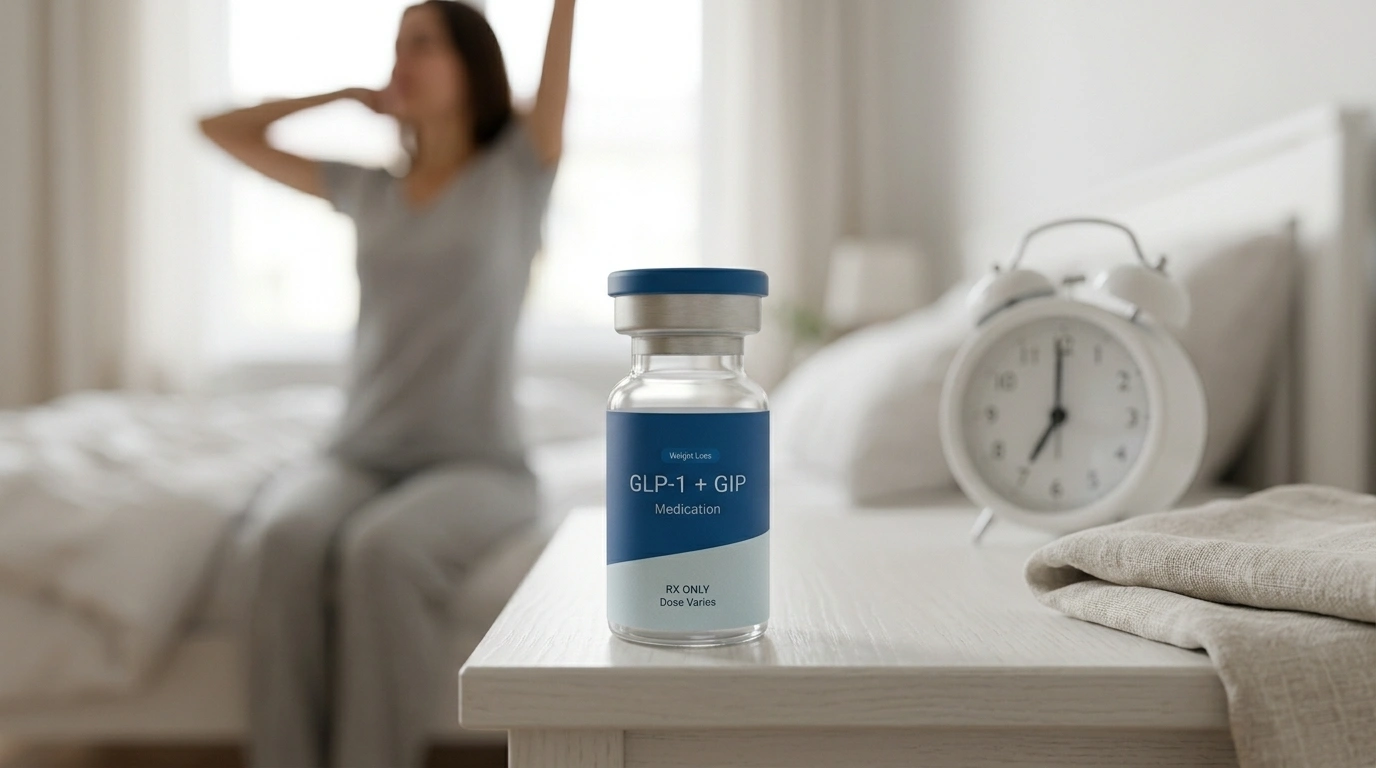
Standing in your kitchen with a small vial of powder and a bottle of liquid can feel overwhelming. You have made the decision to take control of your metabolic health, but the technical step of preparing your medication is a new challenge. Reconstitution is the process of mixing a lyophilized (freeze-dried) powder with a liquid, known as a diluent, so it can be injected. This step is a common part of many modern weight loss journeys. At TrimRx, we understand that accuracy and safety are your top priorities when beginning a personalized treatment plan. This guide explains the precise steps for how to reconstitute 5 mg tirzepatide safely and effectively. By following these clinical protocols, you can ensure your medication remains sterile and potent for your journey toward sustainable weight management. If you are ready to take the next step, start with our free assessment quiz.
Understanding Tirzepatide Reconstitution
Reconstitution is a standard pharmaceutical practice used for medications that are unstable in liquid form over long periods. Tirzepatide is often provided as a concentrated, freeze-dried powder to preserve its molecular integrity. To use the medication, you must introduce a specific amount of bacteriostatic water into the vial. Bacteriostatic water is sterile water containing a small amount of benzyl alcohol, which acts as a preservative to prevent the growth of bacteria.
Tirzepatide belongs to a class of medications known as dual GIP (glucose-dependent insulinotropic polypeptide) and GLP-1 (glucagon-like peptide-1) receptor agonists. These hormones work together to regulate blood sugar, slow digestion, and signal fullness to the brain. Because these molecules are delicate proteins, the way you handle and mix them matters. For a broader look at this hormone class, What’s a GLP-1? Understanding This Revolutionary Weight Loss and Diabetes Treatment is a helpful companion read.
Quick Answer: To reconstitute 5 mg tirzepatide, you must use a sterile syringe to transfer a measured amount of bacteriostatic water into the vial containing the powder. Allow the powder to dissolve naturally without shaking the vial, as vigorous movement can damage the medication.
Essential Supplies for Reconstitution
Before you begin the process, you must gather all necessary supplies. Working in a clean, well-lit environment is essential to maintain sterility. You should never attempt to reconstitute medication with tap water or any liquid not specifically provided or recommended by your healthcare professional.
Required Supplies List:
- One vial of 5 mg Tirzepatide powder.
- One vial of Bacteriostatic Water (the diluent).
- Sterile alcohol prep pads.
- Insulin-grade syringes (typically 1 mL or 100 units).
- A sharps disposal container for used needles.
The Role of the Diluent The amount of liquid you add to the 5 mg of powder determines the concentration of the final solution. For example, if you add 1 mL (100 units) of bacteriostatic water to a 5 mg vial, the concentration becomes 5 mg per 1 mL. If your prescribed dose is 2.5 mg, you would then inject 0.5 mL (50 units). Always confirm the exact volume of diluent and your specific dose with your licensed healthcare provider before proceeding. For more context on dosing and vial handling, How Many Doses in Tirzepatide Vial: A Dosing Guide is a useful reference.
Step-by-Step Guide to Reconstituting 5 mg Tirzepatide
Following a structured process reduces the risk of contamination and ensures the medication is mixed correctly. Precision is the most important factor during these steps.
Step 1: Sanitize Your Workspace and Hands Wash your hands thoroughly with soap and warm water for at least 20 seconds. Clean your countertop with a disinfectant or an alcohol wipe. Lay out all your supplies on a clean paper towel.
Step 2: Prepare the Vials Pop off the plastic caps from both the tirzepatide vial and the bacteriostatic water vial. Even though the caps are new, the rubber stoppers underneath must be sterilized. Use a fresh alcohol prep pad to wipe the top of each rubber stopper. Use a firm, circular motion and let the alcohol air dry for several seconds. Do not blow on the stoppers to dry them.
Step 3: Draw Air into the Syringe Pull the plunger of your sterile syringe back to the mark representing the amount of liquid you intend to add (e.g., 1 mL). This fills the syringe with air.
Step 4: Withdraw the Diluent Insert the needle through the rubber stopper of the bacteriostatic water vial. Push the plunger down to inject the air into the vial. This creates pressure that makes it easier to withdraw the liquid. Turn the vial upside down and pull the plunger back to withdraw the exact amount of bacteriostatic water required. Check for air bubbles; if you see any, tap the side of the syringe gently until they rise to the top, then push them back into the vial and redraw the liquid.
Step 5: Inject Liquid into the Tirzepatide Powder Insert the needle into the 5 mg tirzepatide vial at a slight angle. Aim the needle toward the glass wall of the vial rather than directly at the powder. Slowly press the plunger. Allowing the liquid to trickle down the side of the glass helps prevent the medication from foaming or “bruising” the delicate proteins.
Step 6: Dissolve the Powder Once the liquid is inside, remove the needle and dispose of it in your sharps container. Gently swirl the vial in a circular motion. Do not shake the vial. Shaking can create bubbles and may degrade the tirzepatide molecules. Let the vial sit for a few minutes. The solution should become clear and colorless. If the liquid remains cloudy or contains visible clumps after several minutes of gentle swirling, do not use it and contact your provider.
Key Takeaway: Proper reconstitution requires a “low and slow” approach. Always aim the diluent at the side of the vial wall and swirl gently rather than shaking to protect the integrity of the tirzepatide.
Calculating the Correct Dose and Volume
Understanding the relationship between milligrams (mg) and milliliters (mL) is vital for your safety. The 5 mg on your vial refers to the total weight of the medication in the vial. The volume you inject depends on how much liquid you used for reconstitution.
Most patients starting their journey begin with a 2.5 mg dose for the first four weeks to allow the body to adjust. If you have reconstituted a 5 mg vial with 1 mL of water, a 2.5 mg dose would be exactly half of the liquid in the vial (0.5 mL or 50 units on a standard insulin syringe). If you are moving up to a 5 mg dose, you would use the entire contents of the vial.
It is helpful to keep a log of your doses and the date of reconstitution. Once reconstituted, the medication must be stored in the refrigerator. Most medical guidelines suggest using the reconstituted solution within 28 days, provided it has been handled with strict sterile techniques and kept at the correct temperature.
Safety and Sterility Protocols
When you are managing your treatment through a telehealth platform like TrimRx, you are in charge of your home environment. Maintaining a sterile field is the best way to prevent injection site infections.
Maintaining the Cold Chain Tirzepatide is temperature-sensitive. Before and after reconstitution, the vials should be stored in the refrigerator between 36°F and 46°F (2°C and 8°C). Do not freeze the medication. If the vial freezes, the proteins may break down, rendering the medication ineffective. Keep the vials in their original packaging or a dedicated small container to protect them from light.
Visual Inspection Every time you prepare a dose, look closely at the liquid. It should be:
- Completely clear.
- Colorless.
- Free of floating particles.
If you notice a change in color, persistent cloudiness, or a “stringy” appearance, the medication may have been compromised by heat, light, or bacteria. When in doubt, it is always safer to consult your healthcare professional before proceeding with an injection.
Note: Never reuse a syringe or a needle. Always use a brand-new, sterile syringe for every step of the reconstitution and injection process. Reuse significantly increases the risk of infection and dulls the needle, making the injection more painful.
Managing Your Tirzepatide Treatment
Reconstituting the medication is just the beginning of the process. As your body adapts to the dual action of GIP and GLP-1 agonists, you may experience changes in appetite and digestion. Many individuals find that a personalized approach helps them manage these changes more effectively.
Common Side Effects During the first few weeks, it is common to experience mild nausea, indigestion, or changes in bowel habits. These usually subside as your body becomes accustomed to the medication. Staying hydrated is essential. Drinking plenty of water helps the kidneys process the medication and can alleviate some of the digestive discomfort.
Nutritional Support While tirzepatide helps reduce hunger, your body still needs high-quality nutrients to maintain muscle mass and energy levels. Focus on lean proteins, fiber-rich vegetables, and healthy fats. Some patients choose to incorporate targeted supplements, such as our GLP-1 Daily Support supplement, which is designed to provide essential nutrients that may be lacking when your caloric intake decreases.
Weight Loss Boost supplement can help maintain energy levels during the transition.
Why Personalization Matters in Weight Loss
Every metabolic profile is unique. What works for one person might not be the ideal path for another. This is why a telehealth-first approach is so effective. We provide access to licensed healthcare providers who review your medical history, lab work, and goals through a free assessment quiz. This ensures that the medication and the dosage are tailored specifically to you. If you want to see how personalized treatment starts, How Can I Get Tirzepatide for Weight Loss? walks through the process.
Our program at TrimRx is designed to remove the barriers often found in traditional weight management. There are no waiting rooms or inconvenient in-person visits. Instead, you receive a program that includes doctor consultations and medications shipped from FDA-registered, inspected compounding pharmacies directly to your door. This model provides the clinical oversight you need while giving you the convenience of managing your health from home.
The Importance of Professional Guidance
While learning how to reconstitute 5 mg tirzepatide empowers you to take charge of your health, you are never alone in this process. Professional guidance is the cornerstone of a safe weight loss journey. Licensed providers can help you navigate dosage increases, manage side effects, and interpret your body’s signals.
If you ever feel unsure about the color of your medication, the math of your dose, or the way you feel after an injection, reach out to your care team immediately. Telehealth platforms offer 24/7 access to specialists who can answer these technical questions, providing peace of mind alongside your medical treatment. For a deeper look at the long-term treatment phase, Navigating Tirzepatide Maintenance: Sustaining Your Weight Loss Journey is worth reading.
Bottom line: Reconstitution is a precise technical skill that becomes easier with practice. By prioritizing sterility, following the “swirl, don’t shake” rule, and maintaining close contact with your clinical team, you can safely administer your tirzepatide treatment.
Conclusion
The process of reconstituting 5 mg tirzepatide is a vital skill for anyone using lyophilized medications. By gathering the right supplies, maintaining a sterile environment, and following a patient, step-by-step approach, you ensure the safety and efficacy of your treatment. At TrimRx, we believe that sustainable weight loss is achieved through a combination of science, empathy, and personalized support. We are here to guide you through every technical step and clinical milestone.
Key Takeaways:
- Use bacteriostatic water as your diluent to maintain sterility.
- Always wipe vial stoppers with alcohol before every use.
- Gently swirl the vial to dissolve the powder; never shake it.
- Store all medication in the refrigerator and protect it from light.
- Ensure your dosage math is verified by a licensed healthcare provider.
If you are ready to begin a journey backed by clinical expertise and a program tailored to your life, the first step is simple. Complete our free assessment quiz to see which personalized program is right for you.
FAQ
What happens if I accidentally shake the vial of tirzepatide?
Shaking the vial can cause the delicate proteins in tirzepatide to break apart or “denature,” which may make the medication less effective. It can also create excessive foam and bubbles, making it difficult to draw an accurate dose into the syringe. If you have shaken it, let the vial sit in the refrigerator until the bubbles settle, and check to ensure the liquid is still clear before using it.
Can I use sterile water instead of bacteriostatic water for reconstitution?
Sterile water is often intended for single-use applications because it does not contain a preservative. Bacteriostatic water contains 0.9% benzyl alcohol, which inhibits the growth of bacteria and allows the vial to be used for multiple doses over several weeks. For a multi-dose vial of tirzepatide, bacteriostatic water is the standard requirement to ensure safety throughout the month.
How long does reconstituted tirzepatide stay potent in the refrigerator?
Once reconstituted with bacteriostatic water, tirzepatide is generally considered stable for up to 28 days when stored in a refrigerator. Always keep the vial away from the freezer section and protected from light. If the medication has been out of the refrigerator for an extended period or looks cloudy, it should be discarded.
Why is my tirzepatide a powder instead of a liquid?
Tirzepatide is often provided as a lyophilized powder because it is more stable in this state for shipping and long-term storage. The freeze-drying process removes moisture without damaging the chemical structure of the medication. Reconstituting it just before your first use ensures you are receiving the most potent and effective version of the hormone therapy.
Disclaimer: This content is for informational purposes only and does not constitute medical advice. It is not intended to diagnose, treat, cure, or prevent any disease or condition. Individual results may vary. Always consult a qualified healthcare professional before starting any weight loss program or medication.

Transforming Lives, One Step at a Time
Keep reading
Marathon Training on Tirzepatide When You Can’t Fuel
You have a plan on the fridge and a medication that has made eating feel optional. Those two things are in genuine conflict, and…
Paying Cash for Tirzepatide? Don’t Stretch Your Supply
When every vial comes out of your own pocket, the arithmetic is hard to ignore. If a month’s supply costs what it costs, and…
Working Around Food All Day on Tirzepatide When You Can’t Eat It
There are two separate problems here and they have different answers. One is physical: food smells, especially hot fat and fried food, make nausea…


