How to Reconstitute Tirzepatide for Weight Loss
Introduction
Standing in front of a small vial of white powder and a bottle of liquid can feel overwhelming, especially when your health goals are on the line. For many individuals transitioning to medical weight loss, the technical side of treatment—like learning how to reconstitute tirzepatide—is often the most intimidating hurdle. At TrimRx, we believe that understanding the “how” and “why” behind your medication is the first step toward a confident and successful journey. Whether you are new to the world of peptides or are looking to refine your technique, precision is your best ally. This article will walk you through the sterile process, the necessary supplies, and the safety protocols required to prepare your medication correctly. By mastering the reconstitution process, you ensure that your treatment remains stable, effective, and safe for use.
If you are considering prescription treatment, you can complete a free eligibility assessment to see whether a personalized program may be appropriate for you.
Understanding Tirzepatide and Reconstitution
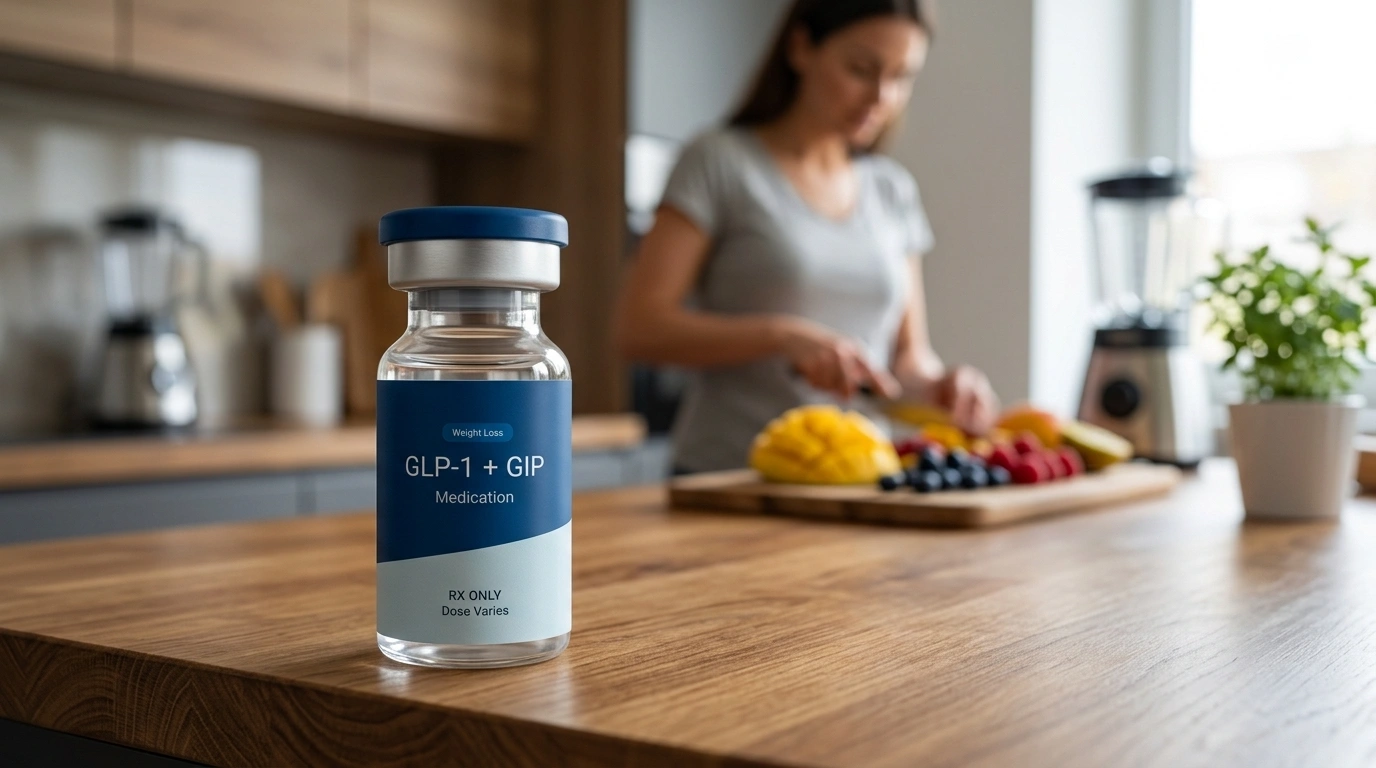
Before picking up a syringe, it is essential to understand what you are handling. Tirzepatide is a dual-acting medication that mimics two naturally occurring hormones in the body: glucagon-like peptide-1 (GLP-1) and glucose-dependent insulinotropic polypeptide (GIP). By activating these two receptors, tirzepatide helps the body regulate blood sugar, slow down gastric emptying, and signal a sense of fullness to the brain.
For additional background, review this guide to reconstituting 10 mg of tirzepatide safely.
Reconstitution is the process of adding a liquid (a diluent) to a dry, freeze-dried (lyophilized) powder to turn it into a liquid solution that can be injected. Tirzepatide is often provided in this powdered form because it is more stable and has a longer shelf life when dry. Once it is turned into a liquid, the clock starts on its stability, and it becomes much more sensitive to heat and light.
Key Takeaway: Reconstitution is a delicate chemical process. The goal is to create a homogenous solution without damaging the fragile peptide bonds that make the medication effective.
The Necessary Supplies for Reconstitution
You cannot safely prepare your medication with standard household items. You must use medical-grade supplies to maintain sterility and ensure accurate dosing. Most people receiving care through a professional platform will have these supplies coordinated, but it is vital to double-check your inventory before starting.
Bacteriostatic Water
This is the most critical component of the process. Bacteriostatic water is sterile water that contains 0.9% benzyl alcohol. The alcohol acts as a preservative, preventing the growth of bacteria within the vial once it has been punctured. Never use plain sterile water or tap water, as these do not contain the necessary preservatives to keep the solution safe for multiple uses over several weeks.
For more detail on dilution variables, review this compounded tirzepatide mixing and dosing guide.
Insulin Syringes
Because tirzepatide is measured in very small volumes, insulin syringes are typically used. These are usually 1mL (100-unit) syringes with a very fine, fixed needle. The markings on the side allow for high precision, which is necessary when your dose might be as small as 0.25mL or 0.5mL.
Alcohol Prep Pads
Sterility is the primary defense against infection. You will need several alcohol prep pads to clean the rubber stoppers of both the water vial and the medication vial, as well as your own skin at the injection site.
Sharps Container
Safety does not end once the medication is mixed. You must have a puncture-proof container to dispose of used needles. If you do not have a dedicated medical sharps container, a heavy-duty plastic laundry detergent bottle with a screw-on lid can serve as a temporary alternative in many regions.
Step-by-Step Guide to Reconstituting Tirzepatide
Preparation requires a clean, well-lit workspace and a steady hand. Follow these steps to ensure the medication is mixed correctly and remains sterile throughout the process.
Step 1: Sanitize Your Environment
Clear a flat surface and clean it with a disinfectant spray or wipe. Wash your hands thoroughly with soap and warm water for at least 20 seconds. Lay out all your supplies—the vial of powdered tirzepatide, the bacteriostatic water, two alcohol pads, and a fresh syringe.
Step 2: Prepare the Vials
Pop the plastic caps off both the bacteriostatic water and the tirzepatide powder. Even though the vials are new, the rubber stoppers must be sanitized. Use a fresh alcohol pad to wipe the top of the water vial and another for the medication vial. Let the alcohol air dry completely; do not blow on them, as this can introduce bacteria.
Step 3: Draw the Bacteriostatic Water
Remove the cap from your syringe. Pull the plunger back to the mark indicating the amount of water your healthcare provider has instructed you to use. This fills the syringe with air. Insert the needle into the water vial and push the air into the vial to create pressure. This makes it easier to draw the liquid out. Turn the vial upside down and pull the plunger back to draw the exact amount of water needed. Ensure there are no large air bubbles in the syringe.
Step 4: Add Water to the Powder
Insert the needle through the center of the rubber stopper on the tirzepatide vial. Important: Do not spray the water directly onto the powder. Instead, aim the needle toward the glass wall of the vial. Slowly depress the plunger so the liquid trickles down the side. This prevents “bruising” the peptide, which can happen if the liquid hits the powder with too much force.
Step 5: The Gentle Mix
Once the water is in the vial, remove the syringe. Do not shake the vial. Shaking can cause the protein structures in the tirzepatide to break down or create excessive foam, making it difficult to draw an accurate dose. Instead, gently swirl the vial between your palms or slowly rotate it in a circular motion on the table.
For another step-by-step reference, see this guide to safely reconstituting tirzepatide at home.
Step 6: Inspection
Wait for the solution to become clear. It may take a few minutes for the powder to dissolve completely. Once finished, the liquid should be clear and colorless, with no visible particles or cloudiness. If the solution remains cloudy or has floating “clots” after several minutes of gentle swirling, do not use it and contact your provider.
Calculating the Dosage Ratio
One of the most confusing aspects of learning how to reconstitute tirzepatide is understanding the math. The concentration of your final solution depends on how much water you add to the specific milligram (mg) amount of powder in the vial.
For example, if you have a 5mg vial of tirzepatide and you add 0.5mL (50 units on an insulin syringe) of bacteriostatic water, your concentration is now 5mg per 0.5mL. If your prescribed dose is 2.5mg, you would draw 0.25mL (25 units).
Note: Always follow the specific mixing instructions provided by your clinical team. Using too much or too little water will change the concentration, which could lead to accidental under-dosing or over-dosing.
If you are unsure whether prescription treatment is appropriate for you, take the free assessment quiz before proceeding.
Safety and Sterility Protocols
When you are handling injectable medications at home, you are assuming a level of clinical responsibility. Maintaining a sterile field is non-negotiable.
- Single-Use Syringes: Never reuse a syringe. Even if the needle looks sharp, it becomes dull and contaminated after a single use.
- The “No-Touch” Rule: Do not touch the needle with your fingers, and do not let it touch the table or any surface. If the needle touches anything other than the rubber stopper or your sanitized skin, discard it and start again with a fresh syringe.
- Check the Expiration: Bacteriostatic water typically expires 28 to 30 days after the vial is first punctured. The benzyl alcohol preservative loses its effectiveness over time. Mark the date of the first puncture on the bottle with a permanent marker.
Storage and Handling Post-Reconstitution
Once tirzepatide is in its liquid form, it is highly sensitive to its environment. Proper storage is the only way to ensure the medication remains potent for the duration of your treatment cycle.
For additional guidance, review this tirzepatide storage and shelf-life overview.
Temperature Control
Reconstituted tirzepatide must be kept refrigerated, ideally between 36°F and 46°F (2°C to 8°C). Do not place the vial in the door of the refrigerator, as the temperature fluctuates every time the door is opened. Instead, place it in the main body of the fridge, ideally toward the back. Never freeze the medication; if it freezes, the peptides will be destroyed, and the medication must be discarded.
Light Sensitivity
Direct sunlight or even strong indoor lighting can degrade the peptide chains. Most vials come in amber glass or with a protective label, but it is best to store the vial inside its original box or a small, opaque container within the refrigerator.
Stability Window
While lyophilized powder can last for months or years in the freezer or fridge, reconstituted tirzepatide usually has a shelf life of about 28 to 30 days. Beyond this point, the medication may begin to lose its efficacy, and the risk of bacterial growth increases as the preservative in the bacteriostatic water weakens.
Common Mistakes to Avoid
Even with the best intentions, errors can happen. Being aware of these common pitfalls can help you avoid wasting medication or compromising your safety.
Myth: Shaking the vial helps the powder dissolve faster. Fact: Shaking tirzepatide can create “bubbles” or foam that trap the medication, making it impossible to measure an accurate dose. More importantly, the mechanical stress of shaking can denature the delicate peptide proteins, rendering them useless.
Using the Wrong Diluent
Some people mistakenly believe they can use saline or distilled water for reconstitution. Saline can alter the pH balance of the medication, potentially causing pain at the injection site or affecting the peptide’s stability. Distilled water lacks the necessary preservatives to prevent infection over multiple doses.
Incorrect Angle of Injection
When adding water to the vial, many people point the needle straight down at the powder. This “direct hit” can cause the powder to clump and may damage the medication. Always aim for the side of the glass.
The Importance of Professional Oversight
While learning how to reconstitute tirzepatide is a manageable skill, it should never be done without professional guidance. The rise of “do-it-yourself” weight loss has led some individuals to seek out research-grade peptides that are not intended for human use. These products often lack the purity standards and safety testing required for medical treatment.
Working through a structured platform like ours ensures that you are receiving medication from reputable sources. We connect you with licensed providers who determine the correct dosage for your body and provide medications prepared by FDA-registered, inspected compounding pharmacies. This clinical bridge is what turns a complicated process into a safe, sustainable lifestyle change.
Compounded Tirzepatide vs. Branded Medications
It is important to understand the landscape of these medications. Branded versions like Mounjaro® and Zepbound® are FDA-approved and typically come in pre-filled, single-use “auto-injector” pens. These do not require reconstitution by the patient because they are manufactured as a liquid and sealed in a specialized delivery device.
Compounded tirzepatide is different. It is prepared by specialized pharmacies to meet specific patient needs or to address shortages of branded products. While the active ingredient is the same, compounded tirzepatide is not FDA-approved. However, when sourced through a reputable program, it is prepared in pharmacies that must follow strict quality and safety standards. These pharmacies often provide the medication in vials, which is why reconstitution or manual drawing of the dose is sometimes necessary.
Preparing for Your First Dose
Once your medication is reconstituted and you have confirmed it is clear and properly stored, you are ready for your first dose. Most people find that the fear of the needle is much worse than the actual sensation. Insulin needles are incredibly thin—roughly the width of a few human hairs—and the injection is subcutaneous, meaning it goes into the fatty tissue just under the skin, not into a muscle or vein.
Typical injection sites include:
- The abdomen (at least two inches away from the belly button).
- The front of the thighs.
- The back of the upper arm (usually requires assistance).
Rotating your injection site each week is important to prevent the skin from becoming tough or developing small bumps, a condition known as lipohypertrophy.
Monitoring Your Progress
As you begin your tirzepatide journey, keep a log of your doses, the dates of reconstitution, and how you feel. Some individuals experience mild side effects, such as nausea or indigestion, as their bodies adjust to the GLP-1 and GIP activity. These are often temporary and can be managed with small, frequent meals and proper hydration.
If you find that you need extra support during this time, we offer Weight Loss Boost for energy and metabolic support. This proactive approach to wellness helps ensure that while you are losing weight, you are also maintaining your energy and overall health.
The TrimRx Approach to Sustainable Weight Loss
At TrimRx, we understand that medical weight loss is about more than just a prescription; it is about the empowerment that comes with knowledge. We provide a telehealth-first platform that removes the barriers of traditional doctor’s offices. No waiting rooms, no uncomfortable conversations—just science-backed support from the comfort of home.
Our mission is to guide you through every step of this process, from the initial free assessment quiz to the day you reach your goal weight. By combining access to specialized medications with unlimited support from our team, we help you navigate the complexities of metabolic health with empathy and transparency.
Bottom Line: Reconstituting tirzepatide is a precise but straightforward process that requires bacteriostatic water, sterile technique, and gentle handling. When done correctly under medical supervision, it is a safe and effective way to manage your weight loss treatment.
Conclusion
Mastering the reconstitution of tirzepatide is a vital skill for anyone using vial-based peptide therapy. By focusing on sterility, using the correct supplies, and following a slow and steady mixing technique, you protect the integrity of your medication. Remember that you are not alone in this process. Our platform is designed to provide the clinical oversight and personalized care needed to make your journey as smooth as possible. Sustainable weight loss is a marathon, not a sprint, and having the right tools—and knowing how to use them—is the key to crossing the finish line.
To see if a personalized program is right for you, your first step is to complete a free assessment quiz. This allows a licensed provider to review your health profile and determine the best path forward for your unique goals.
FAQ
Can I use regular sterile water to reconstitute tirzepatide?
No, you should not use regular sterile water if you plan on using the vial for more than one dose. Bacteriostatic water contains benzyl alcohol, which prevents the growth of bacteria; regular sterile water does not, meaning any bacteria introduced during the first use could multiply and cause an infection.
For more information about dilution and concentration, see this tirzepatide mixing and dosing resource.
Why is my tirzepatide solution cloudy after mixing?
If the solution is cloudy or has visible particles, it usually means the powder has not fully dissolved or the peptide has been damaged. Try gently swirling the vial for another minute; if it does not become perfectly clear and colorless, do not inject it and consult your healthcare provider or pharmacy for guidance.
What should I do if I accidentally shake the vial?
If you shake the vial, let it sit undisturbed in the refrigerator for several hours. This allows the foam to settle and the air bubbles to dissipate. Inspect the liquid once it has settled; if it is clear, it is likely safe to use, though you should be extra careful to ensure you draw an accurate dose without air.
How long does reconstituted tirzepatide stay potent?
Generally, once reconstituted with bacteriostatic water and stored in the refrigerator, tirzepatide remains stable and potent for 28 to 30 days. After this window, the risk of contamination increases and the medication may begin to lose its effectiveness, so it is best to follow the “discard after” date provided by your pharmacy.
If you are considering a supervised prescription program, find out if GLP-1 medications may be right for you.
Disclaimer: This content is for informational purposes only and does not constitute medical advice. It is not intended to diagnose, treat, cure, or prevent any disease or condition. Individual results may vary. Always consult a qualified healthcare professional before starting any weight loss program or medication.

Transforming Lives, One Step at a Time
Keep reading

Starting Tirzepatide While on the Pill: The First Four Weeks
You have your first box and you take an oral contraceptive. There is a labeled instruction that applies to you, and the mistake almost…
Marathon Training on Tirzepatide When You Can’t Fuel
You have a plan on the fridge and a medication that has made eating feel optional. Those two things are in genuine conflict, and…
Paying Cash for Tirzepatide? Don’t Stretch Your Supply
When every vial comes out of your own pocket, the arithmetic is hard to ignore. If a month’s supply costs what it costs, and…


