How to Store Semaglutide in a Hotel Mini Fridge That Won’t Get Cold
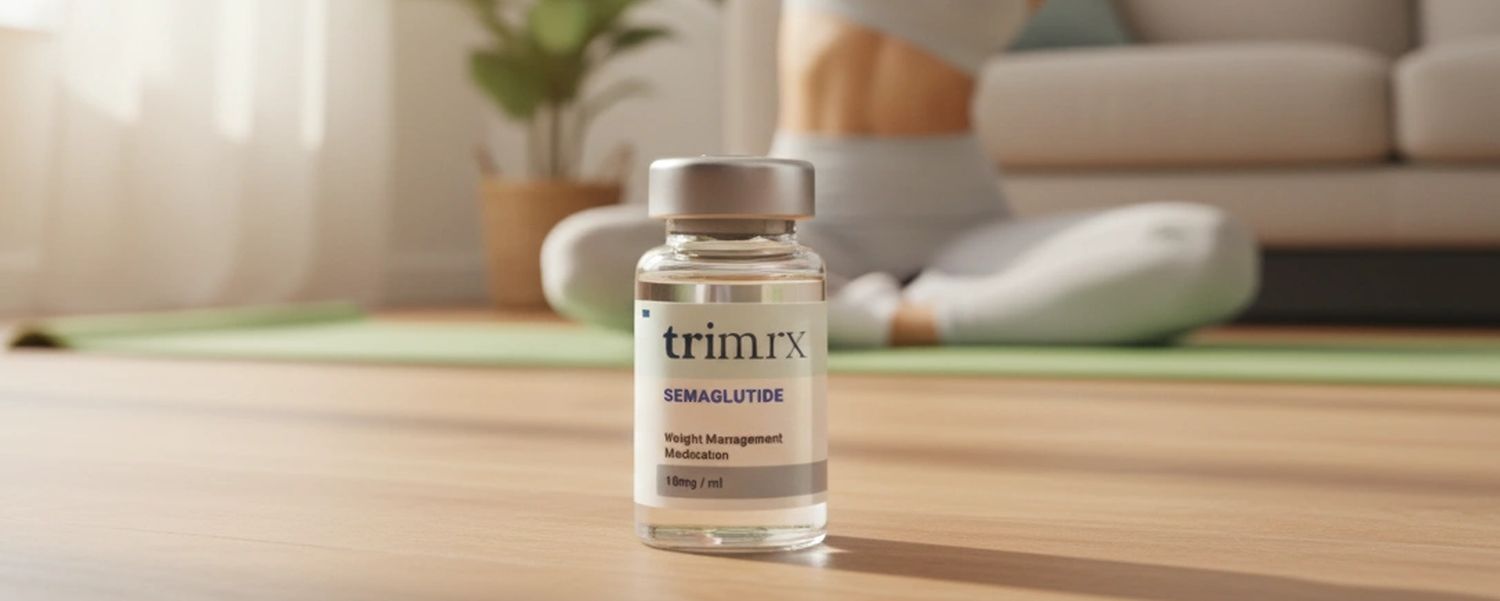
Many hotel minibars are not refrigerators. They are thermoelectric cooled cabinets that hold a temperature somewhat below the room, which is fine for a bottle of water and not adequate for medication.
If yours does not feel properly cold, that is very likely what you have, and the answer is to ask the hotel for something better rather than hoping.
Check it before you trust it
Do this on arrival, not the night before your injection.
Feel the interior. A working refrigerator is noticeably cold. A cooled cabinet is merely cooler than the room.
Put a bottle of water in for an hour and check it. If it is not properly cold, the unit is not a fridge.
Look for a temperature control. Many minibars have a simple dial with no numbers, and some have none at all.
Use a thermometer if you have one. A small fridge thermometer weighs nothing and is the only way to actually know. Worth packing if you travel regularly.
Check whether it is a sensor minibar, which charges you for removing items. Those are usually not adjustable and not suitable.
Consider this scenario: a patient arrives late, puts his pens in the minibar without checking, and only discovers on day four that the unit has never been cold. Four days of storage he cannot verify, on a preparation he does not know the tolerance for. An hour with a bottle of water on the first evening would have caught it.
Ask the hotel
This is a routine request and hotels handle it regularly. Front desk staff will not find it unusual.
“I have medication that needs refrigeration. Can you provide a proper fridge, or store it for me?”
Options they commonly have:
A medical fridge or a proper mini fridge brought to the room, which many hotels keep for exactly this.
Storage behind the front desk or in a kitchen fridge, which is common and works, though it means asking for access at injection time.
Moving you to a room with better equipment.
Ask on arrival rather than when you need it. If you know in advance, call ahead when you book and it will usually be waiting.
If nothing better is available
Work out what you actually need rather than improvising.
Call your dispensing pharmacy and ask: how long can this preparation be out of refrigeration, and at what temperature? That answer decides everything else. Compounded preparations frequently carry stricter instructions than a manufacturer’s, and they vary between pharmacies. Our guide on what a compounding pharmacy is and how it works covers why.
If your preparation tolerates a period at room temperature, a cool cabinet or an evaporative cooling wallet may be entirely adequate for a short stay.
If it does not, you need a real fridge and that is worth pursuing rather than accepting.
An evaporative cooling wallet keeps medication cool rather than refrigerated, roughly in the 60s and 70s Fahrenheit, for around 45 hours per soak. Good for preventing heat damage, not a substitute for refrigeration.
An insulated bag with gel packs holds colder temperatures for around 8 to 12 hours. Keep medication separated from the packs so it does not freeze.
A powered travel cooler maintains genuine refrigerated temperatures and is the right answer if you travel often.
Our guide on GLP-1 medications and travel covers the wider travel picture.
What not to do
Do not use the ice bucket. Direct contact with ice freezes medication, and freezing is worse than warming because the damage is irreversible and invisible after thawing.
Do not put it in the freezer compartment, if the unit has one.
Do not press it against the back wall or the cooling plate of a small unit, which is frequently the coldest point and can drop below freezing.
Do not leave it on a windowsill or anywhere in direct sun.
Do not leave it in the room during a hot day if the room is not air conditioned while you are out.
Do not assume the fridge in a rental or apartment is better. Check it the same way.
Where to put it if the fridge is adequate
The same principles that apply at home:
Middle of the unit, not touching the back wall and not in the door.
In its carton, which buffers small local swings.
Away from anything frozen.
Not in the door, which is the warmest and most variable part.
Our guide on how to store compounded semaglutide or tirzepatide at home covers placement in detail, and it applies equally to a hotel unit.
If you need a local replacement
If storage has failed and you are far from home for a long stay, resist the temptation to source locally from somewhere you cannot check.
Our guide on how to verify a compounding pharmacy is safe and legitimate covers what to look for, and the same principles apply to any unfamiliar supplier.
Plan around housekeeping
Two practical points people do not think about.
Housekeeping may unplug or move a minibar, or clean out a fridge. Leaving a note, or telling the front desk your medication is in there, avoids that.
Checkout day. Do not leave medication in a fridge you are about to vacate, and do not let it sit in a hot car or on a luggage trolley for hours while you wait for a transfer.
If it was stored badly
If your medication has been warmer or colder than intended for an extended period:
Do not use it if you are unsure. Photograph the product and label with the lot number, note what you know, and call the dispensing pharmacy before your next dose.
Cooling it properly afterward does not undo the exposure.
Ask about a replacement rather than deciding yourself that it is probably fine.
When to call
Contact your pharmacy before you travel to ask what your preparation tolerates, and afterward if storage was inadequate or the solution looks different. Contact your provider if a replacement will delay your dose by more than a few days.
The short version
Many hotel minibars are cooled cabinets rather than refrigerators, so check with a bottle of water on arrival rather than assuming. Ask the front desk for a proper fridge or for storage, which is a routine request. If nothing better exists, call your pharmacy and ask what your preparation actually tolerates out of refrigeration, because that determines whether a cooling wallet is enough. Never use the ice bucket.
If you want a pharmacy that will tell you exactly what your preparation tolerates before you travel, see whether TrimRx is a fit for you.
This information is for educational purposes and is not medical advice. Consult with a healthcare provider before starting any medication. Individual results may vary.

Transforming Lives, One Step at a Time
Keep reading
How to Handle a Delayed Flight With Semaglutide in Your Bag
Find ice before you find food. A few hours of delay is usually fine. A long delay, an overnight, or a cancellation turns a…
What to Do If Your Cooler Pack Melts on a Road Trip With Semaglutide
Call the dispensing pharmacy before your next dose, and record the details now while you remember them. A melted pack does not automatically mean…

How to Get Semaglutide Through International Customs
Check your destination’s rules before you fly, carry the medication in its original labelled packaging in hand luggage, and bring a letter from your…


