How to Switch From Zepbound to Ozempic
Introduction
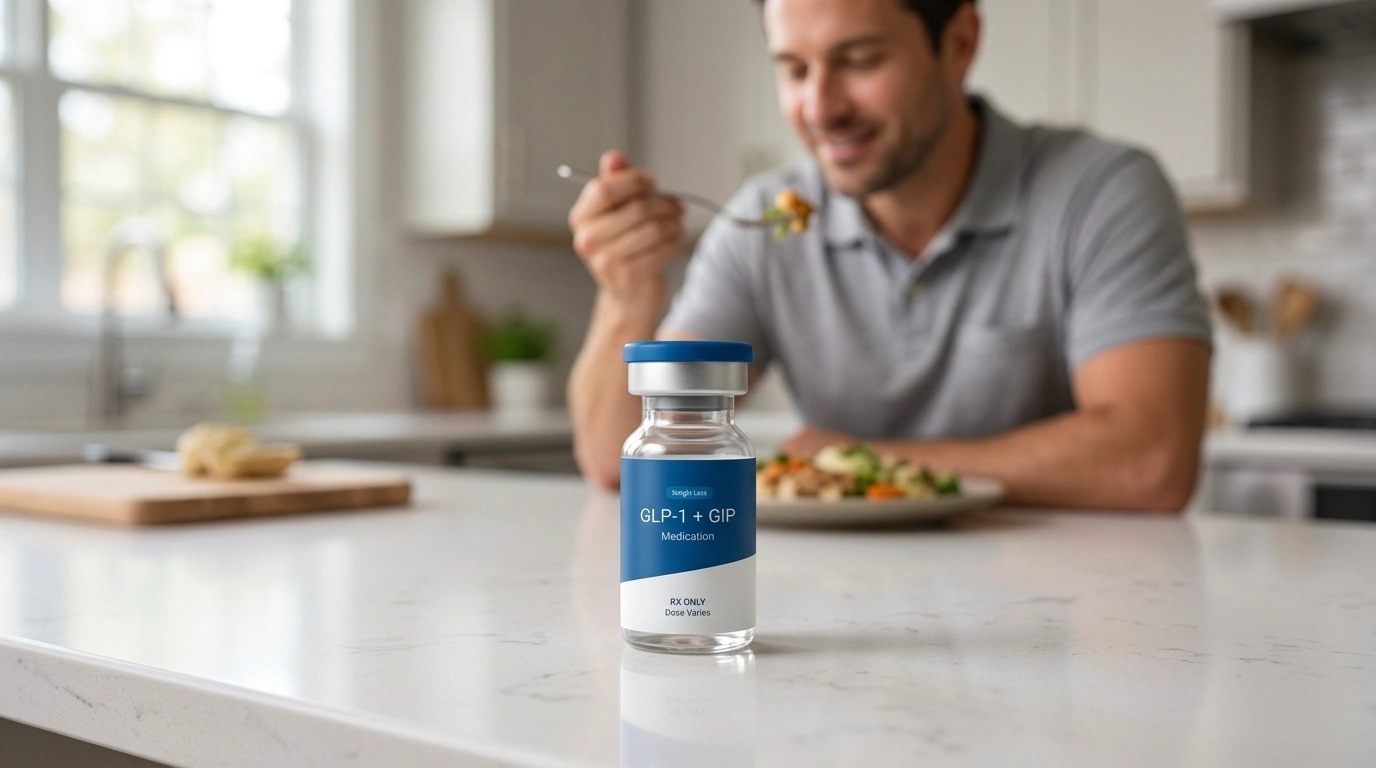
Finding a weight loss medication that works for your body is a significant milestone. However, the path to sustainable weight management is rarely a straight line. You might have started your journey with Zepbound® but recently found yourself facing a change in insurance coverage, a pharmacy shortage, or side effects that are difficult to manage. If you are considering a transition, you are likely asking how to switch from Zepbound to Ozempic safely and effectively.
At TrimRx, we believe that navigating medication changes should never feel like a solo effort. Switching between advanced metabolic treatments requires a careful, clinically supervised plan to ensure your progress remains steady while minimizing physical discomfort. This post will cover why people choose to switch, the scientific differences between these medications, and the steps a healthcare provider typically follows during a transition. Our goal is to provide a clear roadmap so you can move forward with confidence in your personalized weight loss program.
If you are considering prescription treatment, you can complete a free eligibility assessment to review whether a supervised program may fit your needs.
Why Individuals Switch From Zepbound to Ozempic
The decision to change medications is usually driven by practical or medical necessity. While both medications are powerful tools in metabolic health, they are not identical. Understanding the “why” behind a switch can help you and your healthcare provider determine the best strategy for your next steps.
Insurance and Access Barriers
Insurance formularies—the lists of medications a health plan agrees to cover—frequently change. A plan that covered Zepbound® (tirzepatide) last year may prioritize Ozempic® (semaglutide) this year. Because these treatments are designed for long-term use, maintaining consistent access is vital for preventing weight regain.
Medication Shortages
The demand for GLP-1 medications has led to periodic national shortages. If Zepbound® is unavailable at local pharmacies for several weeks, a provider may recommend switching to Ozempic® to avoid a lapse in treatment. A lapse can cause blood sugar fluctuations and a return of intense hunger cues, which can stall progress.
For additional context on changing between these medications, read this guide to semaglutide and tirzepatide switching protocols.
Tolerability and Side Effects
Every individual biology is unique. Some people experience fewer gastrointestinal side effects on semaglutide than on tirzepatide. If you have struggled with persistent nausea or stomach upset on your current dose of Zepbound®, a transition to the different molecular structure of Ozempic® may provide relief.
You can also review this overview of common GLP-1 side effects and management strategies before discussing your symptoms with a healthcare provider.
Medical Focus Shifts
Ozempic® is FDA-approved to treat type 2 diabetes and reduce the risk of major cardiovascular events, such as heart attack or stroke, in adults with known heart disease. If a patient’s health goals shift from primary weight loss to managing a new diagnosis of type 2 diabetes or addressing specific heart health concerns, a provider may find Ozempic® to be the more appropriate clinical choice.
Understanding the Scientific Differences
To switch successfully, it helps to understand what these medications are doing inside your body. Both belong to a class of drugs called incretin mimetics, which are synthetic versions of hormones your gut naturally produces to signal fullness.
For a broader comparison, explore this explanation of semaglutide versus tirzepatide.
Ozempic® contains semaglutide. This is a GLP-1 receptor agonist (glucagon-like peptide-1). It mimics a single hormone that slows down digestion and tells your brain you are satisfied after eating. By staying in your system longer than your natural hormones, it provides a steady reduction in appetite.
Zepbound® contains tirzepatide. This is a dual-agonist, meaning it targets two different hormone receptors: GLP-1 and GIP (glucose-dependent insulinotropic polypeptide). The GIP component is thought to further influence how the body breaks down fat and sugar.
Key Takeaway: Because Zepbound® acts on two hormonal pathways and Ozempic® acts on one, they are not interchangeable milligram-for-milligram. A switch is not a lateral move; it is a clinical reset that requires a new dosing strategy.
The Transition Process: A Step-by-Step Guide
If your healthcare provider determines that a switch is appropriate, they will outline a specific timeline. You should never attempt to manage this transition on your own by using leftover medication or guessing at a new dose.
Step 1: The Clinical Consultation
Before making any changes, your provider will review your medical history, your current dose of Zepbound®, and your reasons for switching. They will screen for contraindications, such as a personal or family history of medullary thyroid carcinoma or Multiple Endocrine Neoplasia syndrome type 2 (MEN 2).
If you want to discuss whether a medication transition is appropriate for you, start with a free assessment quiz.
Step 2: The 7-Day Wait (The Handoff)
Most clinical protocols recommend a “weekly handoff” approach. Both medications are injected once a week and have a long half-life, meaning they stay in your system for several days.
- You take your final dose of Zepbound® on your usual day.
- You wait seven days.
- Instead of your next Zepbound® injection, you take your first dose of Ozempic®.
In some cases, if a patient has been experiencing severe side effects, a provider might recommend a slightly longer “washout” period of 10 to 14 days to ensure the first medication has cleared the system more thoroughly.
Step 3: Determining the New Starting Dose
This is a critical safety point. You generally cannot jump from a high dose of Zepbound® to a high dose of Ozempic®. Because they interact with receptors differently, starting too high on the new medication can cause extreme nausea, vomiting, or dehydration.
A common approach is to restart at the lowest introductory dose of Ozempic® (0.25 mg) or a slightly higher mid-range dose (0.5 mg) if you have demonstrated high tolerance for GLP-1 medications in the past. Your provider will determine this based on your specific health profile.
Step 4: Re-Titration and Monitoring
Once you begin Ozempic®, you will follow a titration schedule. This means your dose will gradually increase every four weeks. This slow climb allows your body to adjust to the new molecular structure, reducing the risk of side effects.
Comparing Dosing Structures
Because the medications use different active ingredients, the numbers on the labels do not match up. For example, the maximum dose of Ozempic® is 2 mg, while the maximum dose of Zepbound® is 15 mg.
| Feature | Ozempic® (Semaglutide) | Zepbound® (Tirzepatide) |
|---|---|---|
| Drug Class | GLP-1 Receptor Agonist | Dual GLP-1/GIP Agonist |
| Starting Dose | 0.25 mg weekly | 2.5 mg weekly |
| Titration Steps | 0.5 mg, 1 mg, 2 mg | 5 mg, 7.5 mg, 10 mg, 12.5 mg, 15 mg |
| FDA-Approved Use | Type 2 Diabetes / CV Risk | Chronic Weight Management |
| Administration | Weekly Injection | Weekly Injection |
Note: While Ozempic® is approved for diabetes management, healthcare providers may prescribe it “off-label” for weight loss. Wegovy® is the version of semaglutide specifically FDA-approved for weight management. At TrimRx, we facilitate access to the care and medications that best fit your medical necessity.
Managing Potential Side Effects During the Switch
When you switch medications, you may experience a resurgence of the side effects you felt when you first started weight loss treatment. This is normal, but it requires active management.
Common side effects include:
- Nausea and occasional vomiting
- Diarrhea or constipation
- Abdominal bloating or gas
- Fatigue
How to manage the transition:
- Stay Hydrated: Dehydration is a major cause of nausea. Drink water consistently throughout the day, even if you do not feel thirsty.
- Eat Smaller Meals: Since both drugs slow your digestion, eating large meals can lead to discomfort. Focus on small, nutrient-dense portions.
- Prioritize Protein: Maintaining muscle mass is essential during weight loss. If you find your appetite is significantly lower after the switch, make sure the calories you do consume are high in protein.
- Monitor Blood Sugar: If you have type 2 diabetes, you must monitor your glucose levels closely during the switch. The two medications may affect your blood sugar differently, requiring adjustments to other medications like insulin.
For additional guidance on nausea, fatigue, and digestive changes, review these GLP-1 side-effect management strategies.
Key Takeaway: The “restart” at a lower dose is designed to protect your digestive system. If you experience severe abdominal pain, persistent vomiting, or signs of an allergic reaction, contact a healthcare professional immediately.
The Role of Personalized Support
One of the reasons many individuals feel overwhelmed during a medication switch is a lack of clear communication. A successful journey depends on more than just a prescription; it requires a comprehensive service model.
At TrimRx, our telehealth platform connects you with licensed specialists who provide 24/7 support. We understand that your needs may change, and our programs are designed to adapt with you. Whether you are navigating a dosage change or a complete medication switch, our partners ensure you have the medical supervision necessary for a safe transition.
We also offer access to medications shipped from FDA-registered, inspected compounding pharmacies. This is particularly helpful for patients who face branded shortages or need more flexible dosing options as they transition between different active ingredients. Our goal is to ensure there are no gaps in your care, regardless of which medication or dose is determined to be right for you.
Optimizing Your Results With Nutrients
When switching from a dual-agonist like Zepbound® to a single-agonist like Ozempic®, some people worry about a weight loss plateau. To keep your metabolism active and your body supported, we emphasize the importance of targeted nutrition.
If your appetite shifts during the transition, you might miss out on essential vitamins and minerals. We offer quick-access supplements like GLP-1 Daily Support to help balance the gut and Weight Loss Boost to support energy levels. These supplements can be purchased immediately without a clinical quiz and are designed to complement your prescription program by filling the gaps created by reduced food intake.
Common Misconceptions About Switching
There is a significant amount of conflicting information regarding how to switch between these advanced treatments. Let’s address two of the most frequent myths.
Myth: You can take a half-dose of Zepbound® and a half-dose of Ozempic® to ease the transition.
Fact: You should never combine these medications. This is known as therapeutic duplication. Because they both target the GLP-1 pathway, taking them together significantly increases the risk of severe stomach paralysis (gastroparesis) and pancreatitis.
Myth: You will immediately regain weight if you switch from a “stronger” drug like Zepbound® to Ozempic®.
Fact: While some studies suggest tirzepatide may lead to a higher percentage of weight loss on average, many people achieve excellent results on semaglutide. Your body’s response depends on your unique biology, diet, and activity level. Consistency is the most important factor in long-term success.
Preparation Checklist for Your Provider Meeting
To make the most of your consultation when discussing a switch, come prepared with the following information:
- Your current dose: Know exactly how many milligrams of Zepbound® you are taking.
- Date of last injection: This helps the provider determine the first day you can safely start Ozempic®.
- Side effect log: Be specific about any nausea, constipation, or fatigue you have experienced.
- Weight trend: Have a general idea of your weight loss progress over the last three months.
- List of other medications: Include any supplements or over-the-counter drugs, as GLP-1 medications can change how other pills are absorbed.
Moving Forward With Confidence
Switching from Zepbound to Ozempic is a common and manageable part of many weight loss journeys. While the medications work in slightly different ways, the underlying goal remains the same: supporting your metabolic health and helping you achieve a sustainable lifestyle.
By following a professional transition plan, restarting at an appropriate dose, and focusing on supporting your body with hydration and nutrients, you can navigate this change without losing the progress you have worked so hard to achieve. Personalized, science-backed care is the foundation of long-term success.
At TrimRx, we are dedicated to being your partner in this process. Our mission is to combine clinical expertise with modern technology to deliver a transparent, supportive environment for your weight loss journey. Whether you are just starting or need to adjust your current path, we are here to provide the guidance and medical supervision you deserve.
If you are ready to explore a personalized program or discuss a medication transition with a licensed professional, the best next step is to complete our free assessment quiz. This allows us to understand your health profile and goals so we can tailor a plan specifically for you.
FAQ
Can I switch from Zepbound to Ozempic without a gap?
No, you should not take the new medication immediately after the old one. Most healthcare providers recommend waiting at least seven days after your last Zepbound® dose before starting Ozempic®. This ensures that the levels of tirzepatide in your system have decreased enough to avoid “therapeutic duplication” and severe side effects.
For more detail on changing between these medications, read this semaglutide switching guide.
Will Ozempic work as well for weight loss as Zepbound did?
Individual results vary significantly. While some clinical trials suggest that tirzepatide may lead to more weight loss on average due to its dual-hormone action, many patients find semaglutide (Ozempic®) to be highly effective and better tolerated. Your success depends on your overall program, including nutrition and lifestyle changes.
Do I have to start at the 0.25 mg dose of Ozempic if I was on 15 mg of Zepbound?
In most cases, yes, or you may start at a slightly adjusted low dose determined by your provider. Even if you have been on a high dose of a different GLP-1 medication, your body needs time to adjust to the new molecule. Starting at a high dose of a new medication can cause severe gastrointestinal distress.
If you are ready to discuss your medication history with a licensed provider, complete a free eligibility assessment.
Is Ozempic covered by insurance for weight loss?
Ozempic® is FDA-approved specifically for type 2 diabetes and cardiovascular risk reduction. While it is frequently prescribed off-label for weight loss, many insurance companies will only cover it if you have a diagnosis of type 2 diabetes. For weight-specific coverage, providers often look to Wegovy®, which contains the same active ingredient.
Disclaimer: This content is for informational purposes only and does not constitute medical advice. It is not intended to diagnose, treat, cure, or prevent any disease or condition. Individual results may vary. Always consult a qualified healthcare professional before starting any weight loss program or medication.

Transforming Lives, One Step at a Time
Keep reading

Kids’ Birthday Party on Zepbound
If you have young children, birthday parties are a regular part of life: your own child’s, and the steady stream of classmates’ parties most…
Water Aerobics on Zepbound
For people with painful knees, hips, or backs, water aerobics and pool exercise are often the first kind of exercise that feels possible. The…

New Year’s Eve on Zepbound
New Year’s Eve is built around staying up late. There is usually a big dinner or a party spread, drinks through the evening, champagne…


