Is Irritability a Side Effect of Zepbound? Understanding Mood Changes
Introduction
Starting a weight loss journey with a new medication is often a time of hope and excitement, but it can also bring unexpected questions. You might notice that while the scale is moving in the right direction, your fuse feels a little shorter than usual. If you have found yourself feeling snappy or unusually frustrated, you might wonder: is irritability a side effect of Zepbound? While mood changes are not listed as the most common primary side effect, many individuals report shifts in their temperament during treatment.
At TrimRx, we believe that understanding the “why” behind your physical and emotional responses is key to a successful health transformation. This post covers the potential link between Zepbound®, mood fluctuations, and the biological factors that might be making you feel on edge. You can also explore this related guide on Zepbound and mood swings for additional context. We will also explore how to manage these feelings while staying on track with your goals. Our mission is to ensure you feel supported through every step of your weight loss program.
Quick Answer: While irritability is not a primary side effect of Zepbound®, it is a known symptom of low blood sugar (hypoglycemia). It can also occur indirectly due to physical discomfort from digestive issues or significant changes in calorie intake.
How Zepbound Works in the Body
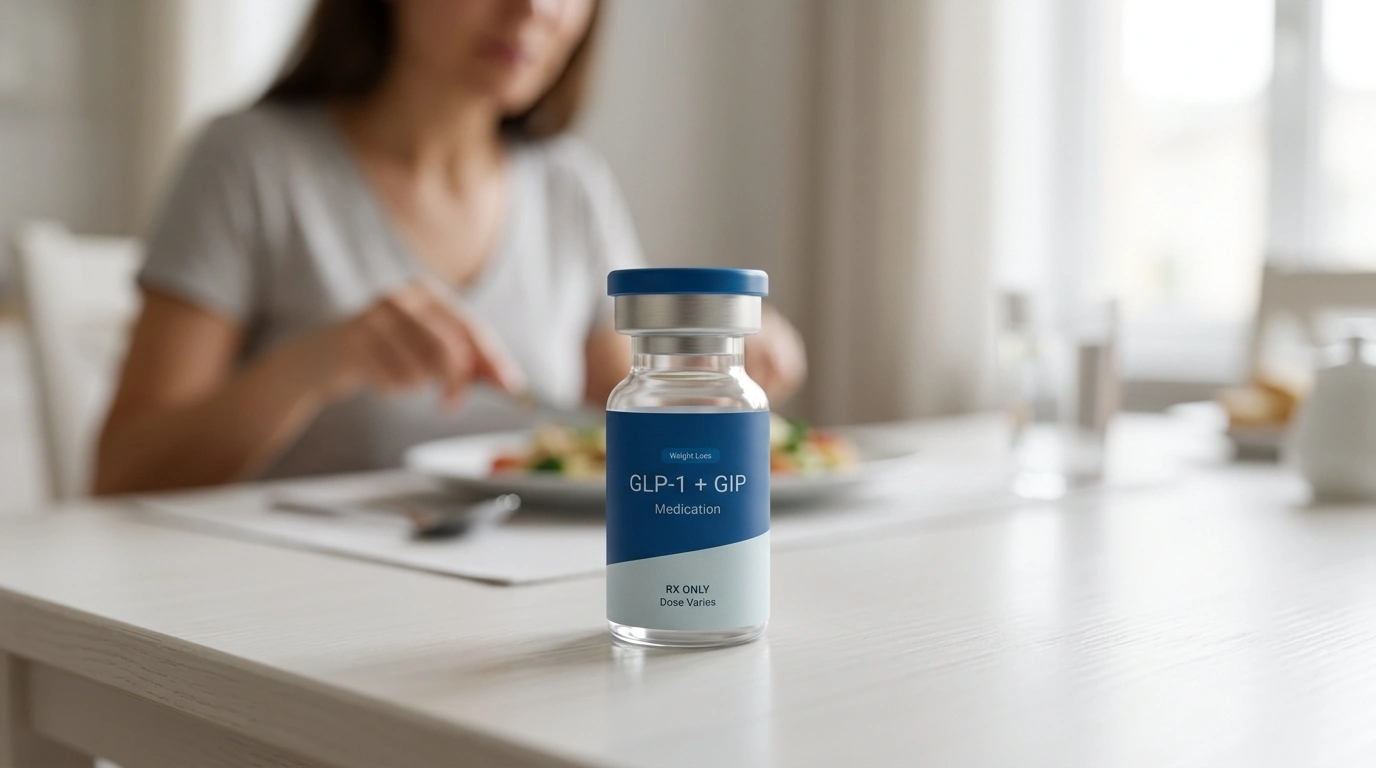
To understand how a medication might affect your mood, it is helpful to look at what it is doing inside your system. Zepbound® (tirzepatide) is a dual-acting medication. It belongs to a class of drugs known as receptor agonists. Specifically, it mimics two different hormones in the body: glucagon-like peptide-1 (GLP-1) and glucose-dependent insulinotropic polypeptide (GIP).
The GLP-1 component works primarily by slowing down gastric emptying, which means food stays in your stomach longer. This helps you feel full for a more extended period. It also sends signals to the brain to reduce hunger and cravings. The GIP component further supports metabolic health by improving how the body breaks down sugar and fats. For more background, read this overview of how GLP-1 works in weight management.
Because this medication influences the brain’s reward centers and the body’s energy regulation, it is natural for the system to undergo an adjustment period. When your body is relearning how to process fuel and how to respond to hunger, your internal balance can temporarily shift.
Is Irritability a Direct Side Effect?
When looking at the official clinical data for Zepbound®, irritability is not typically listed alongside common side effects like nausea or diarrhea. However, it is frequently documented as a symptom of secondary conditions caused by the medication. For example, the FDA-approved prescribing information for Zepbound® notes that irritability and mood changes can be signs of hypoglycemia (low blood sugar).
It is also important to distinguish between a “direct” side effect—something the drug causes by its chemical nature—and an “indirect” side effect. An indirect side effect is a reaction to the changes the drug creates in your lifestyle or physical comfort. If you are constantly nauseous or not eating enough protein, your mood will likely suffer. If you are considering a medically supervised treatment plan, you can complete a free eligibility assessment to review whether a personalized program may be appropriate for you.
Key Takeaway: Irritability is usually an indirect consequence of physiological changes, such as low blood sugar or the physical stress of adjusting to a new metabolic state.
The Role of Hypoglycemia
One of the most significant medical reasons someone might experience irritability while on a GLP-1/GIP medication is low blood sugar, also known as hypoglycemia. Zepbound® is designed to help regulate blood sugar levels, but in some cases—especially if combined with other medications like insulin or sulfonylureas—it can cause levels to drop too low.
When blood sugar dips, the brain is one of the first organs to react because it relies heavily on glucose for energy. Common symptoms of this drop include:
- Dizziness or lightheadedness
- Shakiness or jitteriness
- Sudden anxiety
- Intense irritability or “short-temperedness”
- Confusion or difficulty focusing
If you find that your irritability comes on suddenly and is accompanied by a cold sweat or shakiness, it is vital to consult your healthcare provider. They may need to adjust your dosage or review other medications you are taking.
The “Hangry” Factor and Delayed Digestion
The term “hangry”—a combination of hungry and angry—is a real physiological state. While Zepbound® is meant to reduce hunger, it does so by slowing down the movement of food through the digestive tract. This can sometimes create a confusing signal for the body.
You may not feel “stomach hunger,” but your cells may still be craving energy. If your calorie intake drops too low too quickly, your body may enter a stress response. This can lead to increased cortisol levels, which is a primary stress hormone. High cortisol is a well-known contributor to feelings of irritability and agitation.
Furthermore, because the medication changes your relationship with food, the “dopamine hit” many people get from eating high-calorie or sugary foods is diminished. For some, food was a primary coping mechanism for stress. Without that emotional outlet, daily frustrations can feel much heavier, leading to a perceived change in personality or mood.
Physical Discomfort and Mental State
It is difficult for anyone to remain patient and cheerful when they do not feel well physically. Zepbound® can cause several gastrointestinal side effects that, while manageable, can take a toll on your mental health over time. For a broader overview, read this guide to tirzepatide side effects and management.
Chronic Nausea
Nausea is the most reported side effect of tirzepatide. Dealing with a low-grade feeling of queasiness throughout the day is draining. It can make social interactions feel burdensome and lower your overall threshold for frustration.
Fatigue and Lethargy
Many users report feeling tired, especially during the first few weeks of treatment or after a dose increase. Fatigue and irritability often go hand in hand. When the body is working hard to adjust its metabolic processes, you may have less mental energy to manage stress.
Constipation and Bloating
Digestive backups can lead to significant physical discomfort. This “heavy” feeling can make you feel sluggish and irritable. Staying hydrated and ensuring adequate fiber intake is essential to keeping both your digestion and your mood moving smoothly.
Identifying the Source of Your Irritability
If you are feeling irritable, it helps to track when these feelings occur. Understanding the pattern can help you and your healthcare team determine if the medication is the cause or if other lifestyle factors are at play. You may also find this guide to when tirzepatide side effects begin after an injection useful when comparing symptoms with your injection schedule.
| Potential Cause | Timing of Irritability | Accompanying Symptoms |
|---|---|---|
| Hypoglycemia | Sudden, often between meals | Shakiness, sweating, dizziness |
| Calorie Deficit | Late afternoon or after exercise | Brain fog, physical weakness |
| Physical Side Effects | 24–48 hours after injection | Nausea, bloating, stomach pain |
| Dehydration | Constant or worsening through the day | Headache, dark urine, dry mouth |
Managing Mood Changes and Irritability
The good news is that for most people, irritability is temporary and manageable. By making a few intentional adjustments to your daily routine, you can support your nervous system while the medication does its work. This practical guide on getting the most out of GLP-1 treatment also covers nutrition, hydration, and provider support.
Prioritize Protein Intake
Protein is essential for maintaining stable energy levels. When you are eating less, every bite needs to count. High-quality protein helps maintain muscle mass and provides a more sustained energy release than simple carbohydrates, which can prevent the “crashes” that lead to irritability.
Stay Ahead of Dehydration
Dehydration is a common but overlooked cause of mood swings. GLP-1 medications can sometimes reduce your thirst drive. If you are dehydrated, your brain cannot function optimally, leading to headaches and a short temper. Aim for consistent water intake throughout the day, and consider adding electrolytes if you are active.
Monitor Your Dosage Schedule
Many people find that side effects, including irritability, are strongest in the two days following their weekly injection. If you know you have a high-stress presentation or event coming up, you might discuss your injection timing with your provider to ensure you are feeling your best when it matters most.
Implement a Personalised Support System
Weight loss is not just about a prescription; it is about a total lifestyle shift. Using a platform like TrimRx ensures you have access to a team that understands these nuances. Having 24/7 access to specialists means you don’t have to wonder if what you are feeling is “normal.” We provide the clinical oversight to help you distinguish between a standard adjustment period and something that requires a medical change.
The Psychology of Weight Loss
It is also worth considering the psychological impact of rapid physical change. Obesity is a complex condition, and many people have spent years or decades using food as a primary source of comfort. When Zepbound® effectively “turns off” the food noise in your brain, it can leave a temporary emotional void.
This transition can feel like losing a friend or a safety net. It is common to feel a sense of mourning for your old habits, even if those habits were not serving your health. Recognizing this emotional shift as a natural part of the process can help reduce the shame or confusion you might feel about being irritable.
Bottom line: Irritability on Zepbound® is often a combination of physical side effects, blood sugar fluctuations, and the psychological adjustment to a new way of eating.
Comparing Side Effects: Zepbound® vs. Other Options
While Zepbound® is highly effective, some people find they tolerate different medications better. For example, some individuals may experience fewer mood-related side effects on semaglutide-based medications like Wegovy® or Ozempic®. Others may find that the dual action of tirzepatide actually makes them feel more balanced once the initial adjustment phase ends.
Because everyone’s body chemistry is unique, there is no single “best” medication. This is why a personalized approach is so important. If irritability becomes a persistent issue that affects your quality of life, your healthcare provider may suggest exploring other options or adjusting your titration schedule—the process of slowly increasing your dose.
When to Consult a Healthcare Provider
While a bit of “crankiness” can be normal, there are times when irritability or mood changes require professional attention. You should contact a healthcare provider if you experience:
- Thoughts of self-harm or deep feelings of hopelessness.
- Irritability that escalates into uncharacteristic anger or aggression.
- Severe symptoms of hypoglycemia that do not resolve with a small snack.
- Mood changes that interfere with your ability to work or maintain relationships.
- Persistent, severe nausea or vomiting that prevents you from eating or drinking.
It is always better to over-communicate with your clinical team. They can provide guidance on whether to stay the course or pivot to a different treatment plan.
How TrimRx Supports Your Journey
At TrimRx, we understand that weight loss is a deeply personal and sometimes emotional process. We don’t just provide access to medication; we provide a framework for sustainable health. Our platform connects you with licensed providers who can help you manage side effects like irritability through personalized dosing and unlimited support.
Whether you are curious about Compounded Semaglutide, Compounded Tirzepatide, or branded options like Zepbound®, we help you navigate the choices based on your unique health profile. We also offer supplements like GLP-1 Daily Support, which are designed to help bridge the nutritional gaps that often lead to fatigue and mood shifts during treatment. For energy support during weight loss, you can also explore the Weight Loss Boost supplement.
Practical Steps for a Better Experience
If you are currently struggling with irritability on Zepbound®, try these steps over the next week:
- Eat Small, Frequent Meals: Instead of three large meals, try five small, protein-rich snacks. This keeps blood sugar stable and prevents the “hangry” response.
- Track Your Sleep: Lack of sleep is a major trigger for irritability. Ensure you are getting 7–9 hours of rest to help your body recover from the metabolic changes.
- Gentle Movement: While high-intensity exercise is great, sometimes a simple 20-minute walk can help lower cortisol and improve your mood.
- Practice Mindfulness: When you feel a wave of frustration coming on, take three deep breaths. Remind yourself that your body is undergoing a significant transformation and that it is okay to feel a little off.
Realistic Expectations for Success
Sustainable weight loss is a marathon, not a sprint. The first few months on a GLP-1/GIP medication are often the most challenging as your body finds its new “normal.” Most people find that side effects, including mood fluctuations, begin to level off after they have been on a consistent dose for several weeks.
By focusing on hydration, nutrition, and professional support, you can minimize the impact of irritability and focus on the incredible health benefits you are achieving. Every small adjustment you make today contributes to a healthier, more balanced version of yourself in the future.
Conclusion
Irritability while taking Zepbound® is a real experience for many, but it is rarely a reason to give up on your goals. By identifying the root cause—whether it is low blood sugar, physical discomfort, or the emotional shift of changing your habits—you can take proactive steps to feel better. Our team at TrimRx is dedicated to providing the science-backed, empathetic care you need to thrive. We believe that with the right tools and a personalized program, you can achieve the lasting weight loss you deserve without sacrificing your peace of mind.
Key Takeaway: Your mental well-being is just as important as your physical health. If Zepbound® is making you irritable, focus on stable nutrition and professional guidance to find your balance.
If you are ready to take the next step toward a healthier version of yourself with a team that supports both your body and your mind, your journey starts with our free assessment quiz.
Take the free assessment quiz today to see which personalized program is right for you.
FAQ
Can Zepbound cause mood swings or anxiety?
While not listed as a primary side effect, some users report mood swings or anxiety. These are often linked to the body adjusting to lower calorie intake or fluctuations in blood sugar levels. If these feelings become severe, it is important to discuss them with a healthcare provider.
Why do I feel so angry or snappy after my injection?
This is often due to the “peak” concentration of the medication in your bloodstream, which can cause more intense nausea or a sudden drop in appetite. The physical stress of these symptoms can lower your patience and lead to irritability. You can review this guide to tirzepatide side effects after an injection for additional context.
Is irritability a sign of a serious problem?
In many cases, it is a manageable side effect of metabolic changes. However, it can also be a warning sign of hypoglycemia (low blood sugar), which is serious. If your irritability is accompanied by shakiness, sweating, or confusion, seek medical advice immediately.
How can I stop feeling irritable while on weight loss medication?
Focusing on consistent protein intake, staying very well-hydrated, and getting enough sleep are the best ways to stabilize your mood. Additionally, working with a provider to ensure your dosage is increasing at a pace your body can handle can make a significant difference. If you are considering professional support, see if you qualify for a personalized program.
Disclaimer: This content is for informational purposes only and does not constitute medical advice. It is not intended to diagnose, treat, cure, or prevent any disease or condition. Individual results may vary. Always consult a qualified healthcare professional before starting any weight loss program or medication.

Transforming Lives, One Step at a Time
Keep reading

Surfing on Zepbound: Paddling Strength, Cold Water, and Dawn Patrol
Surfing asks a lot of your body. Paddling out through broken waves takes shoulder, back, and core strength. Cold water drains energy. Dawn sessions…

Skydiving on Zepbound: Planning a Tandem Jump
For many people who have lost weight, a skydive is a goal they set years ago and finally feel ready for. Some dropzones have…

A Day at the Renaissance Faire on Zepbound
A Renaissance faire is a full day out: jousts, stage shows, artisan stalls, dusty lanes, and food built for spectacle, from giant turkey legs…


