Is It Normal to Bleed After Wegovy Injection?
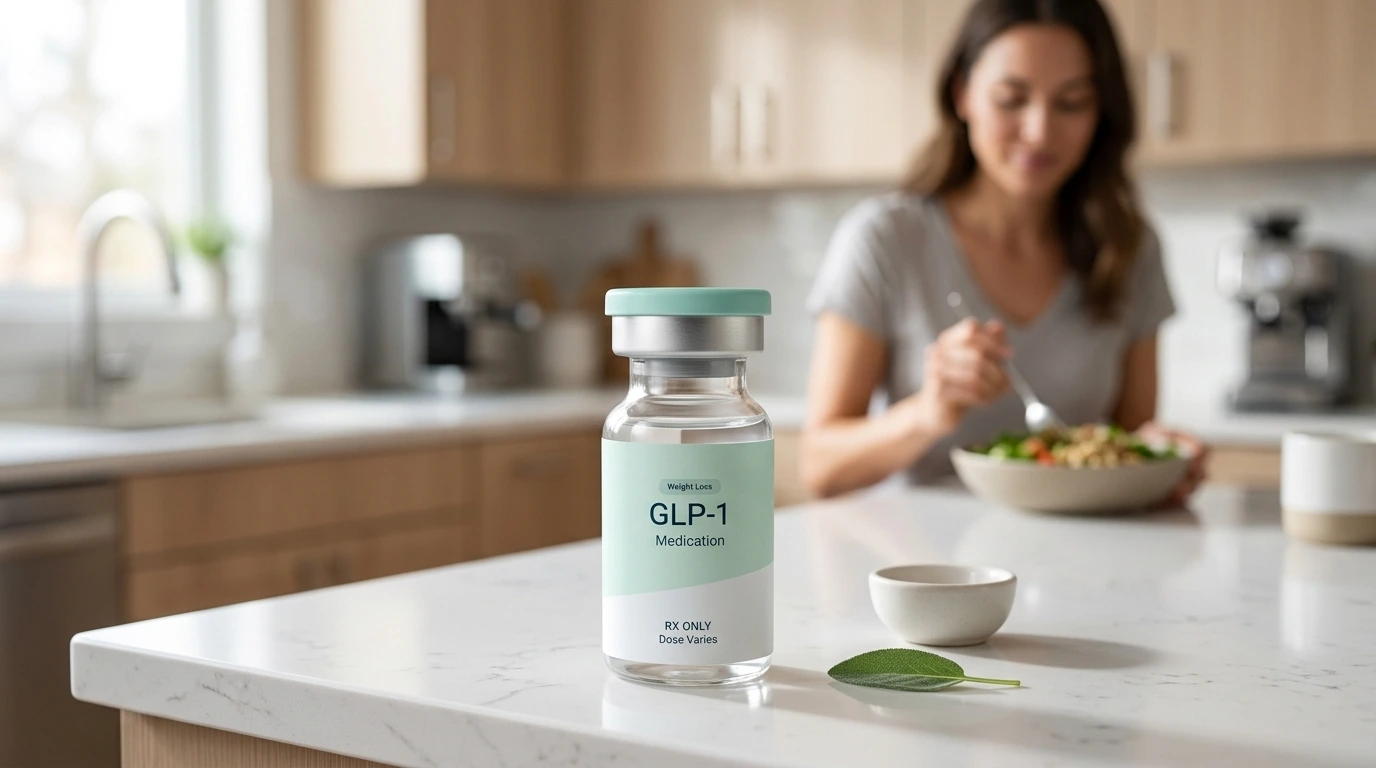
Table of Contents
- Introduction
- The Short Answer on Post-Injection Bleeding
- Understanding the Injection Process
- Distinguishing Between Normal and Abnormal Bleeding
- Common Injection Site Reactions
- How to Minimize Bleeding and Bruising
- Factors That Increase the Risk of Bleeding
- Does Bleeding Affect Medication Efficacy?
- Managing Side Effects and Comfort
- When to Seek Professional Guidance
- Troubleshooting Common Injection Issues
- The Path to Sustainable Health
- Summary of Best Practices
- FAQ
Introduction
Finding a small drop of blood or a tiny bruise after administering your weekly medication can be an unsettling experience, especially if you are new to self-injections. You might find yourself hovering over the bathroom sink, questioning if you did something wrong or if the medication was absorbed correctly. At TrimRx, we understand that these moments of uncertainty can add unnecessary stress to your health journey. While it is naturally startling to see blood, a minor amount of bleeding at the injection site is a common occurrence for many people using GLP-1 medications. This article will explain why this happens, how to refine your technique, and when you should reach out to a healthcare professional for guidance. Knowing what to expect can help you feel more confident and focused on your long-term wellness goals.
If you are considering a prescription GLP-1 program, you can complete a free eligibility assessment to explore whether treatment may be appropriate for you.
The Short Answer on Post-Injection Bleeding
Quick Answer: Yes, it is generally normal to experience a small amount of bleeding or a tiny bruise after an injection. This usually occurs because the needle accidentally nicks a small blood vessel or capillary just beneath the skin’s surface. As long as the bleeding stops quickly and is not accompanied by severe pain or signs of infection, it is typically not a cause for concern.
For a closer look at related bruising, redness, and localized reactions, read about bruising and injection site reactions on semaglutide.
Understanding the Injection Process
To understand why bleeding occurs, it helps to understand how Wegovy® and similar medications are delivered. Wegovy® is a brand-name medication containing semaglutide, which belongs to a class of drugs called glucagon-like peptide-1 (GLP-1) receptor agonists. A GLP-1 receptor agonist is a medicine that mimics a hormone naturally produced in your body that helps regulate appetite and blood sugar.
These medications are typically administered as a subcutaneous injection. Subcutaneous means the needle is designed to reach the fatty layer of tissue just below the skin but above the muscle. This area is rich in small blood vessels called capillaries.
For more guidance on placement and administration, review this guide to GLP-1 injection sites and techniques.
The Role of Capillaries
Capillaries are the smallest blood vessels in the body. They form a vast, intricate network throughout your subcutaneous tissue. Because this network is so dense, even a very thin needle used for medications like Wegovy® can occasionally strike one of these tiny vessels.
When a capillary is nicked, a small amount of blood may leak out of the skin or into the surrounding tissue. If it leaks to the surface, you see a drop of blood. If it leaks under the skin, it forms a small bruise, also known as a hematoma.
Why Some Days Are Different Than Others
You may notice that you don’t bleed every time you inject. This is because the needle does not always hit a capillary. The subcutaneous layer is a landscape of fat cells, connective tissue, and vessels. One week, the needle might pass through a clear area; the next week, it might land directly on a small vessel. This variability is a normal part of the self-injection process.
Distinguishing Between Normal and Abnormal Bleeding
While a little blood is normal, it is important to know the difference between a standard reaction and something that requires attention.
For additional context, see what to know about semaglutide injection site reactions.
What is Considered Normal
- A single drop of blood: A small amount that can be easily dabbed away with a cotton ball or tissue.
- Minor bruising: A bruise that is roughly the size of a coin and fades within a week or two.
- Brief redness: A small red circle at the site that disappears shortly after the injection.
- A tiny “pinprick” mark: The visible spot where the needle entered the skin.
What Might Require a Provider Consultation
- Prolonged bleeding: If the site continues to bleed for several minutes despite applying pressure.
- Large or spreading bruises: A bruise that grows significantly in size or appears very dark and painful.
- Signs of infection: Increased warmth, swelling, pus, or severe pain at the injection site.
- Allergic reactions: Hives, significant itching, or a rash that spreads beyond the immediate injection area.
Key Takeaway: Minor bleeding is a mechanical byproduct of the needle entering the skin and hitting a capillary. It does not mean the medication failed to work or that you have caused permanent damage.
Common Injection Site Reactions
Beyond a simple drop of blood, there are several other common reactions you might notice at the site of your GLP-1 injection. Understanding these can help reduce anxiety.
Bruising
Bruising occurs when blood is trapped under the surface of the skin. This is more common if you are taking blood-thinning medications, including common over-the-counter options like aspirin or ibuprofen. It can also happen if you apply too much pressure or if the needle moves slightly while it is under the skin.
You can also review how injection site choice may affect your treatment experience.
Swelling or a Small Lump
Occasionally, a small, firm lump may form at the injection site. This is often just the fluid of the medication sitting in the subcutaneous layer before it is fully absorbed by the body. These lumps typically dissipate within a few hours or a day.
Redness and Itching
Some individuals experience mild “injection site pruritus,” which is a fancy way of saying it feels itchy. This is usually a mild localized reaction to the needle or the ingredients in the solution. If the redness stays small and doesn’t spread, it is generally considered a manageable side effect.
How to Minimize Bleeding and Bruising
While you cannot always avoid hitting a capillary, you can use specific techniques to minimize the chances of bleeding and bruising. Following a consistent routine helps ensure the medication is delivered safely and comfortably.
Step-by-Step Injection Technique
Step 1: Choose and Clean Your Site.
Select a fleshy area on your stomach (at least two inches away from the belly button), the front of your thighs, or the back of your upper arms. Clean the area with an alcohol swab and let it air dry completely. Injecting through wet alcohol can cause a stinging sensation.
Step 2: Pinch or Flatten.
Depending on your body composition, your healthcare provider may suggest gently pinching a fold of skin to ensure you hit the fatty layer. Alternatively, holding the skin taut can sometimes make the needle entry smoother.
Step 3: Insert the Needle Swiftly.
A slow insertion can actually cause more trauma to the tissue. A quick, firm motion at a 90-degree angle is usually the most effective method for subcutaneous delivery.
Step 4: Hold and Count.
Once the medication is injected, hold the needle in place for the amount of time recommended in the medication’s instructions (usually 5 to 10 seconds). This ensures the full dose is delivered and helps the tissue start to close around the site.
Step 5: Remove and Apply Gentle Pressure.
Withdraw the needle straight out. If there is a drop of blood, press a clean cotton ball or gauze pad against the site for a few seconds. Do not rub the area, as rubbing can increase the likelihood of bruising.
For more information about discomfort and injection technique, read why Wegovy injections may hurt and tips for comfort.
The Importance of Site Rotation
One of the most effective ways to prevent skin issues and minimize bleeding is to rotate your injection sites. If you always inject in the exact same spot, the tissue can become tough or develop “lipohypertrophy,” which is an accumulation of extra fat under the skin.
Tougher tissue can make injections more painful and may affect how the medication is absorbed. Try to move your injection site by at least an inch each week. You can rotate between the left and right sides of your abdomen or switch between your stomach and thighs.
Factors That Increase the Risk of Bleeding
Some individuals are naturally more prone to bleeding or bruising after an injection. Several factors can influence this:
- Medications: As mentioned, blood thinners (anticoagulants) or antiplatelet drugs can make you more likely to bleed. Even regular use of certain supplements like fish oil, vitamin E, or garlic can have a mild blood-thinning effect.
- Skin Thickness: As we age, our skin becomes thinner and capillaries become more fragile, which can lead to more frequent bruising.
- Hydration Levels: Dehydrated skin can be less elastic, making the injection slightly more traumatic to the tissue.
- Injection Angle: If the needle enters at a shallow angle rather than a straight 90-degree angle, it may travel through more of the skin’s surface layers, increasing the chance of hitting a vessel.
Does Bleeding Affect Medication Efficacy?
A common fear is that if blood comes out, the medication might be coming out with it. Fortunately, this is rarely the case. The volume of a Wegovy® dose is small, but it is injected deeper than the superficial capillaries that cause minor bleeding.
Even if a tiny amount of fluid appears with the drop of blood, it is usually not enough to impact the effectiveness of your treatment. The body is very efficient at absorbing the medication once it reaches the subcutaneous layer. If you are concerned that you didn’t receive the full dose because of a significant leak, you should contact a healthcare professional rather than taking an additional dose.
Myth: If I bleed after my injection, the medicine leaked out and won’t work.
Fact: A drop of blood is usually just a sign of a nicked capillary. The medication is deposited deeper in the fat layer and is generally absorbed even if minor surface bleeding occurs.
Managing Side Effects and Comfort
Weight loss journeys involving GLP-1 medications are a marathon, not a sprint. While injection site reactions are localized, you may also be navigating systemic side effects like nausea or fatigue.
At TrimRx, we believe in a holistic approach to these challenges. This includes not only the medication itself but also supporting your body’s nutritional needs. For instance, some people consider targeted supplements, such as the GLP-1 Daily Support supplement, as part of their wellness routine while adjusting to treatment. Ensuring you are well-hydrated and consuming adequate protein can also support skin health and recovery at the injection site.
When to Seek Professional Guidance
While this article provides general information, your specific health profile is unique. You should always consult with a licensed healthcare provider if you experience persistent issues.
Note: If you are using our platform, you have 24/7 access to a dedicated team of specialists who can answer questions about your specific reactions or help you refine your injection technique.
Specifically, seek medical advice if:
- You develop a fever or chills after an injection.
- The injection site becomes increasingly painful over 24–48 hours.
- You notice red streaks radiating away from the injection site.
- You experience a “bleeding event” that doesn’t stop after 10 minutes of firm pressure.
If you are deciding whether a prescription GLP-1 program is a suitable next step, you can find out if GLP-1 medications may be right for you.
Troubleshooting Common Injection Issues
If you find that you are consistently bleeding or bruising, consider the following checklist to improve your experience:
- Are you using a fresh needle? (For medications that require needle changes, never reuse a needle, as it becomes dull and jagged after one use).
- Are you letting the alcohol dry? (Wet alcohol is a common cause of stinging and irritation).
- Are you injecting into muscle? (Ensure you are hitting the fatty layer. If you are very lean, you might need to pinch the skin more significantly).
- Are you moving the needle? (Try to keep your hand as steady as possible while the needle is inserted).
- Are you rotating sites? (Avoid areas with visible veins, scars, or stretch marks).
The Path to Sustainable Health
The transition to using an injectable medication like Wegovy®, Ozempic®, or Mounjaro® is a significant step in a weight management journey. It is normal to have a learning curve. Minor side effects like a drop of blood are often just small bumps in the road toward metabolic health.
Our mission at TrimRx is to simplify this process. We provide a telehealth-first platform where you can access personalized programs and doctor-supervised care from the comfort of your home. By combining clinical expertise with modern technology, we help you move past the frustrations of traditional weight loss methods. Whether you are using branded medications or exploring treatment options through a supervised program, our goal is to ensure you feel supported at every step.
Bottom line: Bleeding after an injection is common, usually harmless, and often solved with minor adjustments to your technique or site rotation.
Summary of Best Practices
To ensure your experience is as smooth as possible, keep these points in mind:
- Expect occasional minor bleeding or bruising; it is a normal part of subcutaneous injections.
- Always use a clean, dry injection site.
- Rotate your sites weekly to maintain healthy skin tissue.
- Apply gentle pressure, not friction, if bleeding occurs.
- Focus on your overall wellness by staying hydrated and supported.
By staying informed and practicing good technique, the anxiety surrounding injections will likely fade, allowing you to focus on the positive changes you are making for your health.
FAQ
What should I do if I see blood after my injection?
If you see a drop of blood, simply use a clean cotton ball or gauze to apply gentle pressure for a few seconds until it stops. Avoid rubbing the area, as this can lead to bruising. If the bleeding is very minor, you can also use a small adhesive bandage if desired.
Does bleeding mean I hit a vein?
It is very unlikely that you hit a major vein with the short needles used for GLP-1 medications. Usually, you have simply nicked a capillary, which is a tiny vessel near the surface of the skin. Subcutaneous injections are designed to avoid deeper veins and muscles.
Why do I get a bruise some weeks but not others?
Bruising depends on whether the needle happens to pass through a small blood vessel under the skin. Since you cannot see these vessels from the surface, it is often a matter of chance. Factors like how steady your hand was or how much pressure you applied can also influence whether a bruise forms.
Can I still inject in an area that is bruised from last week?
It is best to avoid injecting directly into a bruise or an area that is still red and tender. Injecting into compromised tissue can be more painful and may interfere with the consistent absorption of the medication. Choose a different spot at least an inch away or move to a different body part, such as your thigh or other side of your abdomen. This guide to choosing GLP-1 injection sites can help you compare common locations.
If you are ready to explore whether a personalized prescription program may fit your goals, you can take the free assessment quiz.
Disclaimer: This content is for informational purposes only and does not constitute medical advice. It is not intended to diagnose, treat, cure, or prevent any disease or condition. Individual results may vary. Always consult a qualified healthcare professional before starting any weight loss program or medication.

Transforming Lives, One Step at a Time
Keep reading
Can the Wegovy Pill Hold the Weight You Lost on Semaglutide Injections?
Most likely yes, once you reach the maintenance dose. The risk is not the destination but the trip: switching means restarting titration on the…
Wegovy Alternatives: What Else Works for Weight Loss
If Wegovy isn’t working out, the strongest alternative is tirzepatide (Zepbound), which tends to produce more weight loss, followed by other GLP-1 options and…
VK2735 vs Wegovy: Investigational Contender vs Proven Semaglutide
VK2735 and Wegovy sit at different stages of development. VK2735, an investigational drug from Viking Therapeutics, comes in both injectable and oral forms and…


