Is It Normal to Eat Really Slowly on a GLP-1?
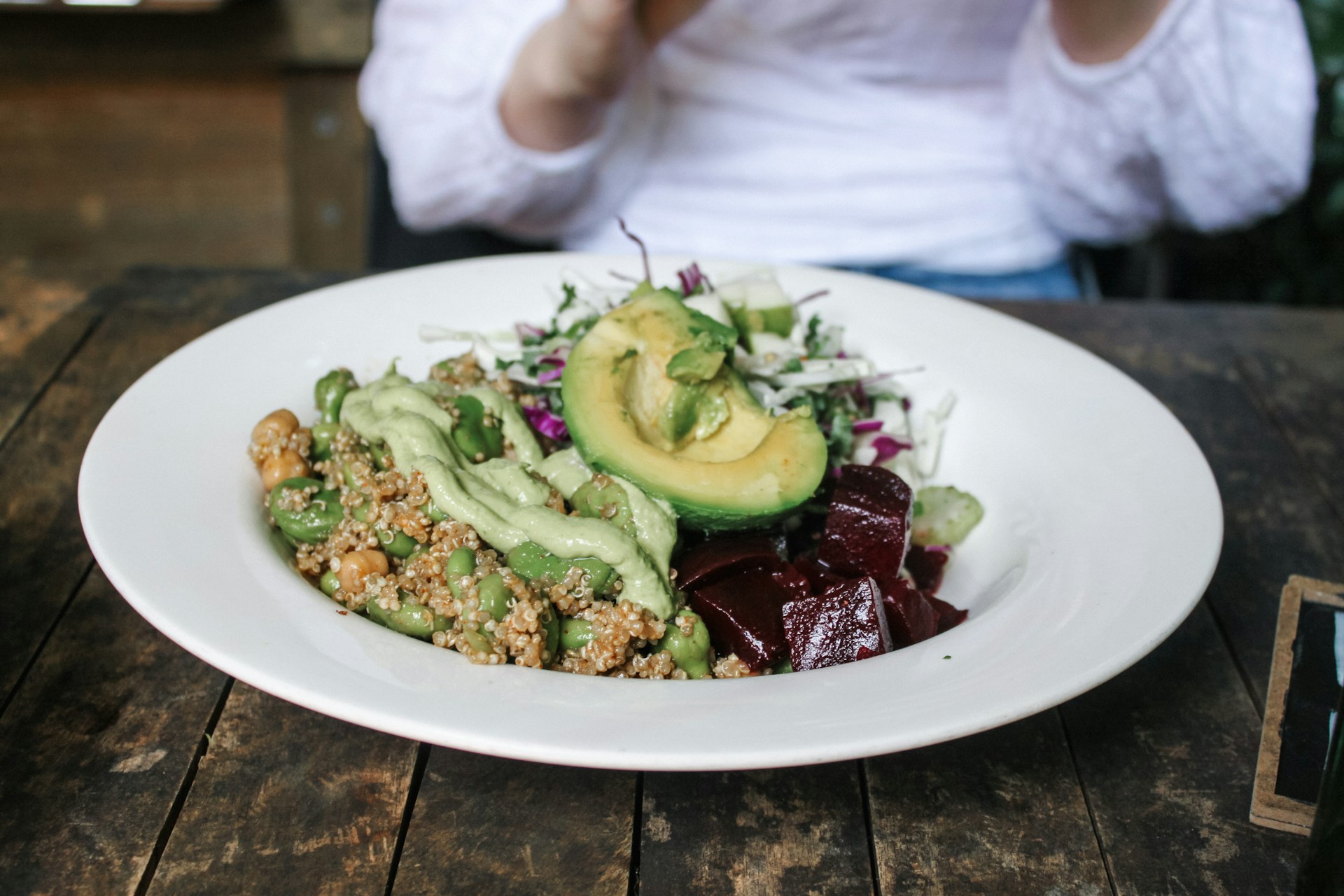
You used to finish lunch in ten minutes. Now the same sandwich takes half an hour, with long pauses between small bites, and you often leave some behind. Many people on a GLP-1 medication such as semaglutide or tirzepatide notice they naturally eat much more slowly. It can feel strange at first, especially if others finish long before you, but in most cases it is a normal and even helpful change.
The short answer
Yes, it is normal to eat more slowly on a GLP-1. These medications slow stomach emptying and increase fullness, so food feels like it needs more time to settle, and your body may signal you to pause. Eating slowly often reduces nausea and reflux and helps you stop at the right amount. Trouble swallowing, food that feels stuck, pain when eating, or vomiting after meals are different and need to be checked.
Why meals slow down
- Slower stomach emptying, so your stomach fills up and stays full sooner.
- Earlier fullness signals, which make you naturally pause.
- Mild nausea, which makes you more cautious with each bite.
- Less interest in food, so there is less urge to eat quickly.
A pharmacovigilance analysis of adverse event reports for semaglutide found gastrointestinal events to be the dominant category by a wide margin. Slowing down is one of the ways many people adapt to those digestive changes.
Why eating slowly can help
- Less nausea and reflux, since food has time to settle.
- Better fullness awareness, so you stop before you feel sick.
- Less swallowed air, which can mean less bloating and burping.
- More enjoyment of each bite.
Tips to make slow eating easier
- Start with protein, so the most important part of the meal gets eaten first.
- Use a smaller plate so the portion matches your appetite.
- Put your fork down between bites.
- Save leftovers without guilt, and eat the rest later.
- Sip fluids between meals rather than with them, so drinks do not fill you up.
Our guide on what to eat to minimize nausea has gentle meal ideas that are easy to eat slowly.
Making sure you still eat enough
Eating slowly is fine, but if meals take so long that you regularly eat very little, spread food across more small meals and snacks. Tracking roughly what you eat for a few days can show whether you are getting enough protein and fluid. Our guide on tracking your progress covers simple ways to keep notes.
When slow eating is not normal
Tell your provider promptly if you have trouble swallowing, food feels stuck in your throat or chest, swallowing is painful, or you often vomit after meals. Seek care right away for chest pain, severe stomach pain, especially pain that spreads to your back, or vomiting that will not stop. These are not the same as simply eating slowly.
Dose steps
Both the Wegovy and Zepbound labels start at a low dose and step up in stages, with at least 4 weeks at each step. Many people notice meals slow down further after a step up. Our guide on the semaglutide starting dose covers what the first weeks usually look like, and our guide on tirzepatide and semaglutide side effects covers how the two compare.
Eating with others
If you are always the last one eating, that is fine. Many people find it helps to start eating with everyone, keep chatting, and take leftovers home. Nobody needs to finish at the same time.
If you have diabetes
The prescribing information for Wegovy notes that patients with diabetes mellitus taking it in combination with insulin or an insulin secretagogue, such as a sulfonylurea, may have an increased risk of hypoglycemia, including severe hypoglycemia. If you take mealtime insulin and are eating much more slowly or leaving food behind, ask your provider about timing and dosing. Never change those medicines on your own.
Procedures
Because these medications slow stomach emptying, tell any doctor planning a procedure with sedation or anesthesia that you take a GLP-1. They may give you specific instructions about eating and drinking beforehand.
Watch for the signs of under-eating too, since slow meals can quietly turn into small meals: persistent fatigue, feeling cold, hair shedding, dizziness when you stand, losing strength, and losing weight faster than you and your provider intended.
Consider this scenario: a man on a GLP-1 notices his lunch break is no longer long enough to finish his meal, so he either rushes and feels sick or leaves most of it behind. Packing a smaller, protein-first lunch, eating half at lunch and half mid-afternoon, sipping water between meals rather than with them, and noting his intake for a few days would very likely have kept him comfortable and well fed.
The short version
Eating slowly is a normal change on a GLP-1, because the stomach empties more slowly and fullness comes sooner. It often reduces nausea and reflux. Start meals with protein, use a smaller plate, put your fork down between bites, and save leftovers. Make sure you still eat enough, and tell your provider about trouble swallowing, food feeling stuck, pain when eating, or frequent vomiting.
If you want a provider who will help you eat comfortably and well, TrimRx includes ongoing provider access alongside treatment.
This information is for educational purposes and is not medical advice. Consult with a healthcare provider before starting any medication. Individual results may vary.

Transforming Lives, One Step at a Time
Keep reading

Is It Normal to Feel Left Out at Meals on a GLP-1?
Everyone at the table is ordering appetizers, sharing dessert, and going back for seconds, and you are three bites in and full. Or you…
Is It Normal to Crave Salty Food on a GLP-1?
The cookies have lost their pull, but chips, pickles, broth, and salted crackers suddenly sound perfect. Some people on a GLP-1 medication such as…

Is It Normal to Feel Self-Conscious When People Notice on a GLP-1?
“You look amazing, what are you doing?” For some people, that is a welcome boost. For others on a GLP-1 medication such as semaglutide…


