Is It Normal to Have Chills After Taking Ozempic?
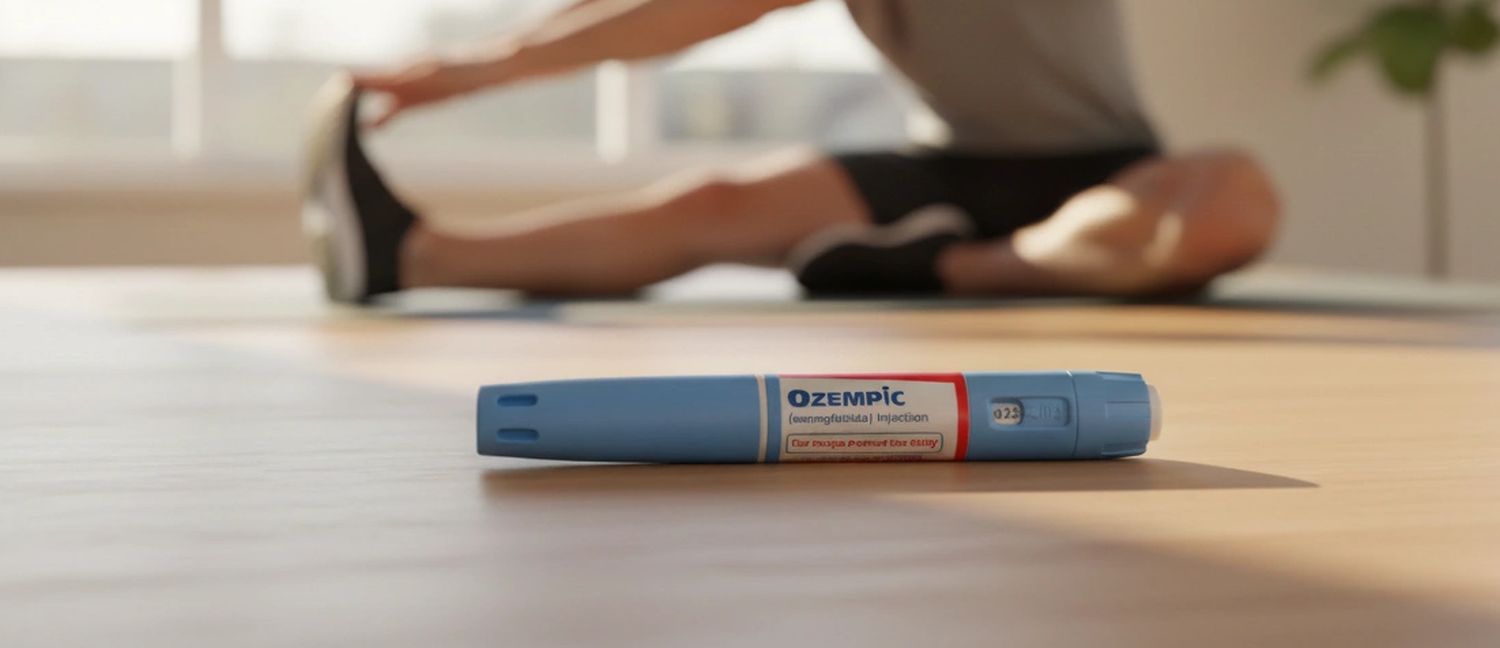
Feeling shivery, cold to the bone, or getting chills the evening after an injection can be unsettling. Chills are not one of the classic side effects listed for Ozempic or another GLP-1, but some people do describe them, especially in the early weeks. Often there is a simple explanation. Sometimes chills are a sign of something that needs attention.
Here is how to tell the difference.
The short answer
Mild chills or feeling cold after taking Ozempic can happen, usually because you are eating and drinking much less, not because of the medication directly. Chills with fever, a spreading rash, swelling, trouble breathing, or severe pain are not normal and need prompt attention.
Possible reasons for chills
- Eating much less. Digesting food produces heat, and a much smaller intake can leave you feeling colder.
- Weight loss. Less body fat can make you more sensitive to cold.
- Dehydration from drinking less or from vomiting or diarrhea.
- Nausea, which can come with clamminess or shivering.
- An unrelated illness, like a cold or flu, that happens to start around your injection day.
Why the timing may line up
The prescribing information for Wegovy, which contains semaglutide, the same active ingredient as Ozempic, at a higher dose, states that the medication reaches its highest levels in the blood 1 to 3 days after an injection and has a half-life of about a week. Appetite is often lowest in that window, which may be why some people notice feeling cold or shivery a day or so after their shot.
What helps
- Eat something small and often, with protein, even if you are not hungry.
- Drink warm fluids like tea or broth.
- Dress in layers and keep a blanket nearby.
- Rest and keep gentle movement in your day.
Our guide on tracking your progress covers ways to note how you feel each day after your injection.
Injection technique
Some people find that injecting medication straight from the fridge feels colder or more uncomfortable. Follow your medication’s instructions on how to prepare a dose, and rotate injection sites. Our guide on GLP-1 injection sites covers where to inject.
When chills are not normal
Seek care right away for chills with a high fever, a spreading rash or hives, swelling of the face, lips, or throat, or trouble breathing, which can be signs of a serious allergic reaction or infection. Also seek care for chills with severe stomach pain that does not go away, especially if it spreads to your back, or with vomiting that keeps you from holding down fluids. A red, warm, painful, or swollen injection site with fever needs attention too.
Feeling cold all the time
If you feel cold most of the time, not just after your shot, that can be a sign of under-eating. Watch for persistent fatigue, feeling cold, hair shedding, dizziness when you stand, losing strength, and losing weight faster than you and your provider intended. Low iron or thyroid problems can cause it too, so it is worth raising with your provider. Gentle foods for low-appetite days are in our guide on what to eat to minimize nausea.
If you have diabetes
The prescribing information for Wegovy notes that patients with diabetes mellitus taking it in combination with insulin or an insulin secretagogue, such as a sulfonylurea, may have an increased risk of hypoglycemia, including severe hypoglycemia. Feeling cold, clammy, and shaky can be a sign of low blood sugar. Check your blood sugar when this happens, and never change those medicines on your own.
Comparing medications
If you are comparing medications and how they affect people, our guide on tirzepatide and semaglutide side effects covers how they differ. If you are new to treatment, our guide on the Ozempic starting dose covers what the first weeks usually look like.
Planning a gentler evening on injection days can help, too. Have a warm, simple dinner ready, keep a cozy layer nearby, and avoid scheduling a late, cold outing right after your shot if you notice a pattern. Many people find any shivery feeling eases as their body adjusts over the first few weeks.
Keeping a simple note of when chills happen, what you ate that day, and whether you had a temperature can also help your provider see whether it is a pattern linked to your injection or something else.
Consider this scenario: a man on Ozempic gets chills most Friday evenings after his Thursday injection. He has been eating almost nothing on Fridays and drinking only iced coffee. Eating small meals with protein, drinking warm tea and broth, and mentioning the pattern to his provider would very likely have eased the chills, while a fever or rash would have been a reason to seek care right away.
The short version
Chills are not a classic Ozempic side effect, but some people feel cold or shivery after their shot, often from eating and drinking less, weight loss, or nausea. Eat something small and often, drink warm fluids, dress in layers, and rotate injection sites. Seek care right away for chills with fever, rash, swelling, trouble breathing, or severe stomach pain, and check your blood sugar if you have diabetes.
If you want a provider who will help you make sense of new symptoms, TrimRx includes ongoing provider access alongside treatment.
This information is for educational purposes and is not medical advice. Consult with a healthcare provider before starting any medication. Individual results may vary.

Transforming Lives, One Step at a Time
Keep reading
Is It Normal for Blood Pressure to Drop on Ozempic?
Your home blood pressure readings are lower than they have been in years. That can be good news. But if you also feel lightheaded…
Is It Normal to Need Less Insulin on Ozempic?
Your usual insulin dose kept you in range for years. Now, a few weeks or months into Ozempic or another GLP-1, you are seeing…

Is It Normal to Be Gassy on Ozempic?
Rumbling after meals, burping that will not settle, or passing far more gas than usual: being gassy is a side effect many people on…


