Is It Normal to Have Vivid Dreams on Mounjaro?
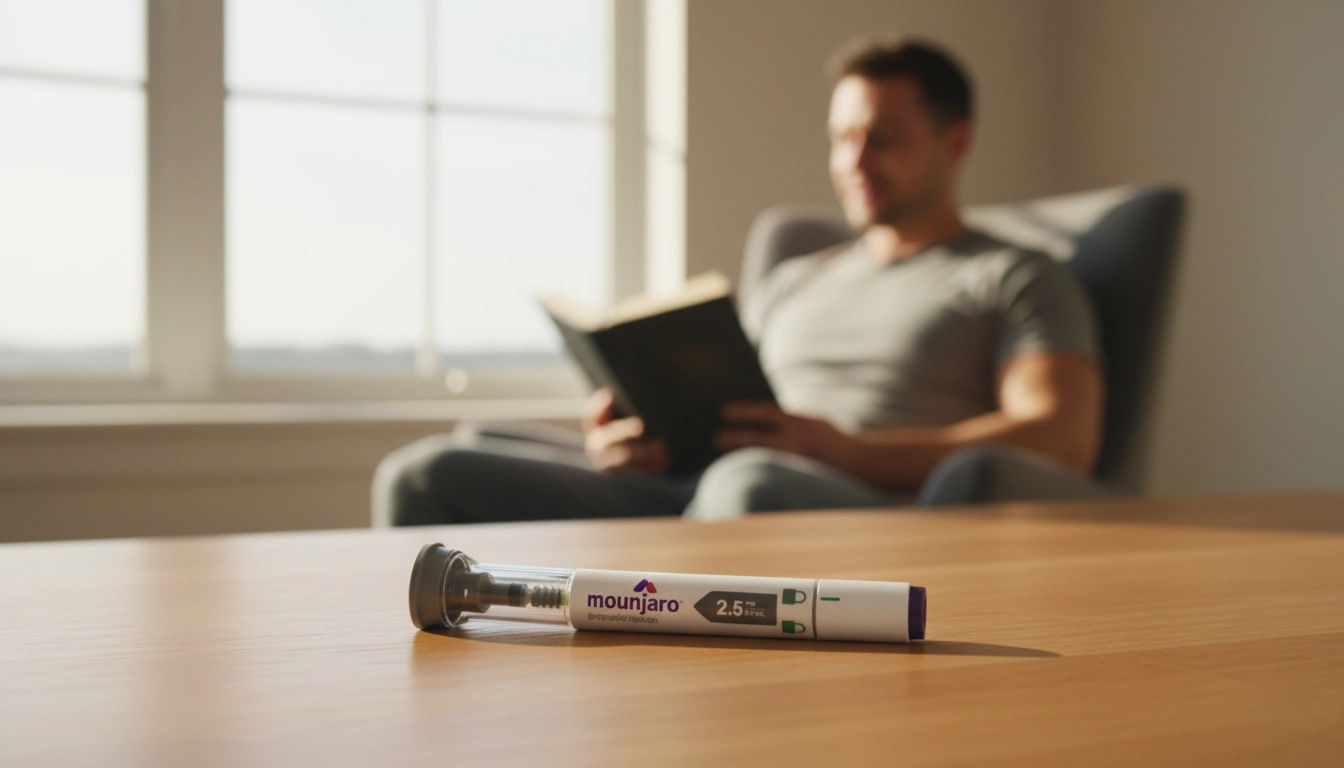
Waking up from a dream so vivid it felt real, remembering strange dreams every morning, or having more nightmares than usual: some people on Mounjaro or compounded tirzepatide say their dreams changed after starting treatment. For people with type 2 diabetes, there is one cause worth ruling out first, because nightmares can be a sign of low blood sugar overnight. Most of the time, though, the explanation is simpler.
The short answer
Vivid or unusual dreams are not a recognized side effect of Mounjaro, but some people report them, and sleep often changes during treatment. If you take insulin or a sulfonylurea, nightmares, night sweats, or waking up shaky or confused can be signs of an overnight low and should be checked. Otherwise, dream changes are usually harmless and settle as your routine does.
Rule out overnight lows first
The prescribing information for Mounjaro says people who take it with insulin or an insulin secretagogue, such as a sulfonylurea, may have an increased risk of hypoglycemia, including severe hypoglycemia. Nightmares, restless sleep, night sweats, waking with a headache, or waking shaky or confused can all point to a low during the night. Check your blood sugar when you wake like this, treat a low the way your diabetes care team has advised, and tell your provider. A continuous glucose monitor, if you have one, can show overnight patterns. Never change those medicines on your own.
Other reasons dreams might seem more vivid
- Waking more often. Nausea, reflux, or needing the bathroom can wake you during dream-heavy sleep, so you remember more dreams.
- Going to bed hungry, or after a late, heavy dinner.
- Stress and change that come with a new medication.
- Caffeine and alcohol changes.
- Other medicines that can affect dreams.
Timing around your injection
The prescribing information for Mounjaro says the time to maximum concentration of tirzepatide ranges from 8 to 72 hours after an injection, and its elimination half-life is about 5 days. Many people notice side effects such as nausea most in the day or two after they inject, which can disrupt sleep around that time.
What helps
- Keep a regular sleep schedule.
- Have a lighter, earlier dinner that includes some protein and the carbohydrate your care team recommends.
- Raise the head of your bed if reflux wakes you.
- Limit caffeine after midday and go easy on alcohol, which can also contribute to overnight lows.
- Wind down with a calm routine before bed.
Our guide on what to eat to minimize nausea has gentle evening meal ideas.
When it is worth talking to your provider
Tell your provider about any suspected overnight lows, sleep problems that leave you exhausted, or dreams that come with ongoing low mood, anxiety, or distress. If you ever feel hopeless or have thoughts of harming yourself, call or text 988 any time.
Dose increases
The Mounjaro label starts at 2.5 mg once weekly for 4 weeks, then 5 mg. After that, the dose may be increased in 2.5 mg steps after at least 4 weeks on the current dose. Blood sugar often improves further after a step up, so other diabetes medicines may need adjusting to avoid lows. Our guide on the starting dose of tirzepatide covers what the first weeks usually look like.
Do not stop on your own
If sleep changes are bothering you, talk to your provider before stopping or skipping doses. Our guide on taking a break and restarting covers why stopping and restarting is more involved than it sounds.
Injection timing
Some people prefer to inject in the morning so evenings are calmer. Our guide on GLP-1 injection sites covers each option.
Watch for the signs of under-eating too, since going to bed underfed can disrupt sleep and raise the risk of overnight lows: persistent fatigue, feeling cold, hair shedding, dizziness when you stand, losing strength, and losing weight faster than you and your provider intended.
If your blood sugar is steady and dreams are simply vivid but not distressing, many people find it helps to treat them as a curiosity rather than a worry. Keeping a notebook by the bed, getting enough total sleep, and sticking to a calm evening routine are often enough. For most people, dream changes fade as their body and routine settle.
Consider this scenario: a woman with type 2 diabetes who takes Mounjaro and a sulfonylurea starts having nightmares several nights a week and wakes up sweaty. She has been skipping dinner because she is not hungry. Checking her blood sugar when she wakes, eating a small balanced dinner, and calling her provider, who could review her sulfonylurea dose, would very likely have uncovered the overnight lows and stopped the nightmares.
The short version
Vivid dreams are not a listed side effect of Mounjaro, but some people report them. If you take insulin or a sulfonylurea, nightmares, night sweats, or waking shaky can be signs of an overnight low, so check your blood sugar and tell your provider. Otherwise, keep a regular schedule, eat a lighter, earlier dinner, limit late caffeine and alcohol, and raise the head of your bed if reflux wakes you.
If you want a provider who will help you sleep well and keep your blood sugar steady, TrimRx includes ongoing provider access alongside treatment.
This information is for educational purposes and is not medical advice. Consult with a healthcare provider before starting any medication. Individual results may vary.

Transforming Lives, One Step at a Time
Keep reading

Is It Normal for Blood Sugar to Still Be High on Mounjaro?
You started Mounjaro or compounded tirzepatide hoping to see your glucose readings drop, and a few weeks in they still look much the same….

Is It Normal for a Mounjaro Injection to Sting?
For many people the needle itself is barely noticeable. It is the few seconds afterward, as the medication goes in, that can bring a…
Is It Normal to Have Body Aches on Mounjaro?
Feeling stiff and achy the day after your injection, sore muscles that seem out of proportion to what you did, or a general run-down…


