Is Ozempic Only in Shot Form?
Introduction
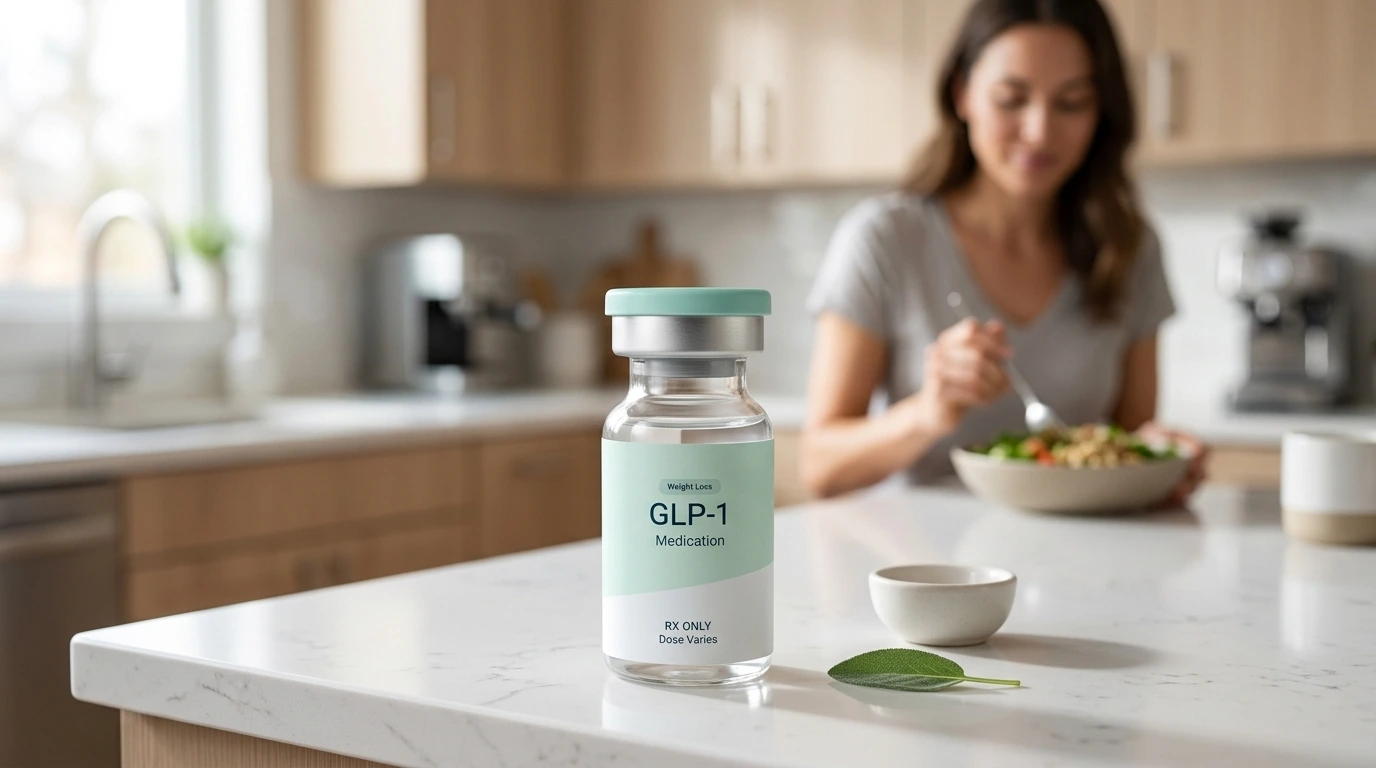
If you have been researching modern weight loss solutions, you have likely encountered the name Ozempic® multiple times. For many, the idea of starting a new medication is encouraging, but the delivery method can be a significant hurdle. A common question for those who are uncomfortable with needles is whether Ozempic is only available in shot form or if there is a more convenient pill alternative. At TrimRx, we understand that your comfort and lifestyle play a major role in your ability to stick with a health program. While the specific brand name Ozempic® is only available as an injectable, the active ingredient it uses—semaglutide—is available in several different formats. If you are ready to see whether a personalized program fits your goals, complete the free assessment quiz to take the next step. This article covers the differences between injectable and oral semaglutide, how each one works in the body, and how our personalized programs can help you find the right fit for your needs.
Understanding Ozempic and Its Delivery Method
The brand-name medication Ozempic® is currently only FDA-approved and manufactured as a once-weekly subcutaneous injection. This means the medication must be delivered into the fatty tissue just beneath the skin, typically in the abdomen, thigh, or upper arm. It is distributed in a pre-filled, multi-dose pen that allows patients to self-administer the medication at home.
The reason Ozempic® was designed as a shot involves how the body processes complex proteins. Semaglutide, the active ingredient, is a GLP-1 receptor agonist (glucagon-like peptide-1). GLP-1 is a hormone that your body naturally produces to regulate blood sugar and appetite. Because these molecules are large and sensitive, they can easily be broken down by stomach acid if swallowed as a standard tablet. For a closer look at the pill-versus-shot question, Does Oral Semaglutide Work as Well as Injections? is a useful companion read. By injecting the medication, it bypasses the digestive system and enters the bloodstream directly, allowing for a slow, controlled release that lasts an entire week.
The Active Ingredient: Semaglutide vs. The Brand Name
It is important to distinguish between the brand name Ozempic® and its active ingredient, semaglutide. While Ozempic® refers specifically to the injectable product used for type 2 diabetes, semaglutide is the functional component that produces the health benefits.
Currently, semaglutide is available in three primary branded forms:
- Ozempic®: A once-weekly injection approved for type 2 diabetes.
- Wegovy®: A once-weekly injection approved specifically for chronic weight management.
- Rybelsus®: A once-daily oral tablet approved for type 2 diabetes.
Because all three of these medications use semaglutide, they work through the same biological pathways. They mimic the GLP-1 hormone, which sends signals to the brain to help you feel full sooner and stay full longer. They also slow down “gastric emptying,” which is the rate at which food leaves your stomach. If you’re trying to understand the biology behind these medications, How GLP-1 Actually Works for Weight Loss breaks it down clearly.
Key Takeaway: While the brand Ozempic® is only an injection, its active ingredient (semaglutide) is available in both injectable and oral formats under different brand names or through compounding pharmacies.
Is There an Oral Version of Semaglutide?
Yes, there is an oral version of semaglutide, but it is not called Ozempic®. The branded oral version is known as Rybelsus®. It was developed to provide an alternative for individuals who prefer to avoid needles or who find a daily pill easier to manage than a weekly injection. For a fuller explanation of the tablet form, What is Oral Semaglutide? Exploring Its Benefits and Uses is a helpful resource.
Oral semaglutide requires very specific instructions to be effective. Because the stomach is a harsh environment for this medication, the pill includes a specialized “absorption enhancer” called SNAC (salcaprozate sodium). Even with this enhancer, the medication must be taken under strict conditions:
- It must be taken the moment you wake up on an empty stomach.
- It should be taken with no more than 4 ounces of plain water.
- You must wait at least 30 minutes before eating, drinking anything else, or taking other oral medications.
If these steps are not followed, the medication may not be absorbed properly, which can reduce its effectiveness in managing blood sugar or supporting weight loss goals.
Compounded Oral and Injectable Options
Many patients are now looking toward compounded semaglutide as a flexible alternative to branded medications. At TrimRx, we work with FDA-registered, inspected compounding pharmacies to provide personalized versions of these medications. These pharmacies can prepare semaglutide in both injectable and oral forms, such as sublingual (under-the-tongue) suspensions or capsules.
Compounded medications allow for a high degree of personalization in your treatment program. For example, if a patient has a severe needle phobia, a licensed provider might determine that a compounded oral semaglutide is the most appropriate starting point. Conversely, if a patient finds that oral medications cause too much stomach upset, they may transition to a compounded injectable. If you want a clinician to review whether a medication-based plan may fit your profile, take the assessment quiz as a starting point.
Note: Compounded semaglutide is not FDA-approved. It is prepared by licensed pharmacists to meet the specific needs of an individual patient as prescribed by a healthcare provider.
Comparing the Shot vs. the Pill
When deciding between the shot and the pill form of semaglutide, there are several factors to consider beyond just a preference for needles. Clinical studies and patient reports suggest that while both forms are effective, they interact with the body differently.
Absorption and Efficacy
Injectable semaglutide generally has higher “bioavailability” than the oral version. Bioavailability refers to the amount of the medication that actually reaches the bloodstream and becomes active. Because the injection goes directly into the fat tissue, nearly 100% of the dose is utilized by the body over the course of the week. With the oral form, only a small fraction of the semaglutide is successfully absorbed through the stomach lining.
Convenience and Lifestyle
The choice often comes down to your daily routine. For some, a once-weekly shot is a “set it and forget it” solution that frees them from thinking about medication for the rest of the week. For others, the strict fasting requirements of the oral pill are difficult to maintain, especially for those who enjoy coffee immediately upon waking or have a busy morning schedule. However, for frequent travelers or those who do not have access to consistent refrigeration (which some injectables require before use), a pill might be the more practical choice.
Comparison Table: Semaglutide Delivery Methods
| Feature | Injectable (e.g., Ozempic®/Wegovy®) | Oral (e.g., Rybelsus®) |
|---|---|---|
| Frequency | Once per week | Once per day |
| Administration | Subcutaneous injection | Swallow tablet with water |
| Fasting Required? | No | Yes (30 minutes before food/drink) |
| Refrigeration | Often required for storage | Not required |
| Bioavailability | High | Low |
| Active Ingredient | Semaglutide | Semaglutide |
Why a Provider Might Recommend One Over the Other
The decision of which form to use is a clinical one that should be made with a healthcare professional. During your consultation, a provider will look at your medical history, your goals, and your previous experience with medications. If you’d like a provider to review your options, you can start with the free assessment quiz before moving forward.
A provider might recommend the injectable form if:
- You have a high BMI and require the higher doses typically found in injectable formats like Wegovy® or compounded semaglutide.
- You have a history of gastrointestinal issues that might interfere with pill absorption.
- You prefer the convenience of only dosing once every seven days.
A provider might recommend the oral form if:
- You have a clinically significant fear of needles (trypanophobia).
- You have already achieved your primary weight loss goals and are looking for a lower-dose “maintenance” option.
- You find that a daily routine helps you stay more mindful of your health and dietary choices.
Understanding the Role of Tirzepatide
While semaglutide is the most famous GLP-1, it is not the only option available in different forms. Tirzepatide is another medication that works on two different hormone receptors: GLP-1 and GIP (glucose-dependent insulinotropic polypeptide). This “dual-agonist” approach often leads to even more significant weight loss results in clinical trials.
Tirzepatide is available as branded injections like Mounjaro® and Zepbound®. Like Ozempic®, these branded products are currently only available as shots. If you’re comparing these options, What is the Weight Loss Drug Tirzepatide? offers a deeper overview. However, researchers are actively testing oral versions of tirzepatide in clinical trials. Additionally, compounded tirzepatide can be prepared in various formats by specialized pharmacies. If you are curious about whether tirzepatide or semaglutide is better for your specific biology, our team can help guide you through the assessment process.
Potential Side Effects of Both Forms
Regardless of whether you choose a shot or a pill, GLP-1 medications can cause side effects as your body adjusts. Most side effects are gastrointestinal in nature and tend to be most noticeable when you first start the medication or when your dose is increased.
Common side effects include:
- Nausea
- Vomiting
- Diarrhea or constipation
- Abdominal pain or bloating
- Reduced appetite (which is an intended effect)
Oral medications may sometimes cause more direct irritation to the stomach lining. Because the pill sits in the stomach to be absorbed, some patients report higher levels of nausea or indigestion compared to the injection. Conversely, the injection can occasionally cause mild redness or itching at the site where the needle was used. For a more detailed overview of symptoms, Common GLP-1 Side Effects: What to Expect can help set expectations.
Key Takeaway: Side effects are usually temporary and can often be managed by starting at a very low dose and increasing slowly—a process known as titration.
How TrimRx Supports Your Choice
We believe that medical weight loss is not a one-size-fits-all journey. At TrimRx, our platform is designed to take the guesswork out of choosing a medication. We focus on providing a telehealth-first experience that prioritizes your comfort and clinical safety.
Our process is straightforward and patient-centered:
- The Assessment: You begin with a comprehensive health quiz that reviews your medical history, BMI, and goals.
- Provider Review: A licensed healthcare provider reviews your information to determine if you are a candidate for GLP-1 therapy.
- Personalized Plan: Based on your preference for a shot or a pill, the provider can prescribe the most appropriate form of compounded semaglutide or tirzepatide.
- Ongoing Support: You have 24/7 access to our team to help you manage side effects, adjust your dose, and celebrate your progress.
Our goal is to provide a sustainable path to health without the barriers of traditional doctors’ offices. By utilizing telehealth, we eliminate the need for waiting rooms and in-person visits, making it easier for you to stay consistent with your treatment.
Why Delivery Method Matters for Long-Term Success
Sustainability is the most important factor in any weight loss program. If you choose a delivery method that you dread or that doesn’t fit your life, you are less likely to stick with it long enough to see results. Research suggests that many patients who stop taking GLP-1 medications early do so because of side effects or the burden of the administration method.
By having the option of a pill or a shot, you can choose the path of least resistance. For some, that means taking a quick pill in the morning before their day gets busy. For others, it means a five-second injection once a week that they don’t have to think about again. Neither choice is “better” in a vacuum; the better choice is the one you can commit to for the long term.
Bottom line: While Ozempic® itself is only a shot, the medical landscape has evolved to offer oral semaglutide and compounded options that provide the same metabolic benefits through different delivery systems.
Conclusion
Choosing the right form of medication is a personal decision that should be guided by science and professional medical advice. While the brand-name Ozempic® remains an injectable-only medication, the availability of oral semaglutide through other brands and compounded options means you are not limited to a needle if that is a dealbreaker for you. Whether you prefer a weekly shot or a daily pill, the most important step is finding a program that treats you as an individual.
Our mission at TrimRx is to empower you with the tools, medication, and clinical support needed to transform your metabolic health. We believe in a transparent, empathetic approach where your preferences are heard and your health is the priority. If you are ready to move past the frustration of traditional dieting and explore a personalized, medically supervised program, start with the free assessment quiz and we are here to help you every step of the way.
Next Steps to Consider:
- Reflect on whether a daily pill or weekly shot fits your lifestyle better.
- Consider your history with oral medications and any sensitivities you may have.
- Take the first step by completing our online assessment to see which options are available for your health profile.
FAQ
Is there an official Ozempic pill?
No, there is no pill branded as Ozempic®; that specific medication is only manufactured as a weekly injection. However, a different brand called Rybelsus® contains the same active ingredient, semaglutide, and is taken as a daily tablet.
Are the results of the shot better than the pill?
Clinical data generally shows that injectable semaglutide has higher bioavailability, meaning the body absorbs it more efficiently than the oral version. While both are effective for managing blood sugar and supporting weight loss, higher doses are often more easily achieved through the injectable format.
Can I switch from the Ozempic shot to a pill?
It is possible to switch delivery methods, but this must be done under the supervision of a healthcare provider. A doctor will need to determine the equivalent dose of the oral medication to ensure your treatment remains effective and to minimize new side effects.
Does the oral version of semaglutide need to be refrigerated?
Unlike many injectable GLP-1 medications, oral semaglutide tablets generally do not require refrigeration. This makes the pill a popular choice for individuals who travel frequently or do not have a reliable way to store injectable pens at the required temperature.
Disclaimer: This content is for informational purposes only and does not constitute medical advice. It is not intended to diagnose, treat, cure, or prevent any disease or condition. Individual results may vary. Always consult a qualified healthcare professional before starting any weight loss program or medication.

Transforming Lives, One Step at a Time
Keep reading
Can You Take Ibuprofen on Ozempic?
For occasional use in someone who is well hydrated and has healthy kidneys, ibuprofen is generally considered reasonable, and it is worth checking with…

Why Do I Feel Best Two Days After My Ozempic Injection?
Because you are noticing the shape of a weekly dose, and day two often sits in a useful window: the initial side effects have…

Does Pepto Bismol Help Nausea on Ozempic?
Ask your pharmacist before using it, because Pepto Bismol is not the neutral stomach remedy most people assume. Its active ingredient, bismuth subsalicylate, contains…


