Learning to Eat Slowly on Ozempic
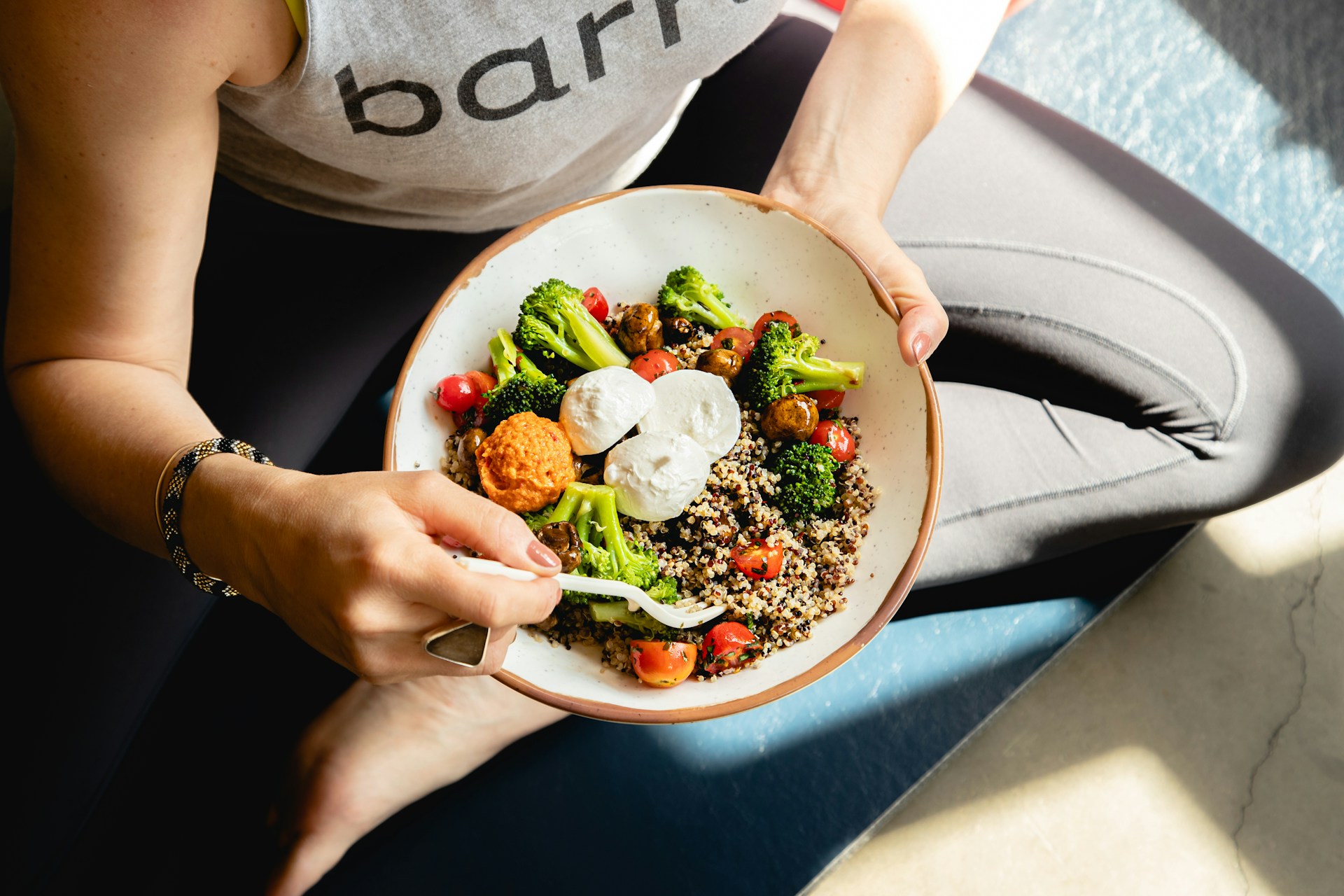
Many people have eaten quickly their whole lives: rushed lunches, meals in front of a screen, finishing the plate before the rest of the table. On Ozempic or another GLP-1, that habit can catch up with you. Fullness arrives sooner and more strongly, but your brain may not get the message until after you have eaten past it. The result is often nausea, burping, or discomfort minutes after a meal.
Here is why eating slowly matters during treatment, and practical ways to build the habit.
Why speed matters now
A study of semaglutide 2.4 mg, the dose in Wegovy and higher than Ozempic doses, found it reduced how much people ate at a meal, changed their hunger and fullness ratings, and slowed how quickly the stomach emptied. With food leaving the stomach more slowly, a fast meal can fill it beyond comfort before fullness signals catch up. Eating slowly gives your body time to tell you when to stop.
Signs you may be eating too fast
- Feeling fine while eating, then sick or uncomfortable soon after.
- Burping, reflux, or a heavy feeling after meals.
- Finishing before others at the table.
- Not really remembering what you ate.
Practical ways to slow down
- Put your fork down between bites.
- Take smaller bites and chew each one well.
- Use a smaller plate and smaller utensils.
- Sip water between bites, not large gulps.
- Set a timer and aim to take a set amount of time over a meal.
- Sit down to eat, away from your desk, car, or TV when you can.
- Pause halfway and check how full you feel.
Learn your new fullness cues
Fullness on these medications may feel different. Some people notice a gentle pressure, a sudden loss of interest in food, a sigh, or a hiccup. Stop at the first sign rather than finishing the plate. You can always eat more later.
Eat the important food first
Since you may feel full quickly, start with the protein on your plate. Our guide on getting the most out of your GLP-1 treatment covers why protein and strength training matter.
Eating slowly with others
Family meals, restaurant dinners, and work lunches can push you to keep pace. It is fine to be the slowest at the table, to leave food on your plate, or to take leftovers home. You do not owe anyone an explanation.
Busy days
If you only have a short break, choose foods that are easy to eat slowly in small amounts, such as yogurt, soup, eggs, or a small sandwich, rather than a large meal eaten in a rush.
Dose increases
Fullness often comes on faster after a dose increase. Be especially mindful of pace and portions in the days after a step up. Our guide on semaglutide dose escalation covers how dose steps usually work, and our guide on the Ozempic starting dose covers what the first weeks usually look like.
Track how meals feel
For a week or two, note how quickly you ate and how you felt afterward. Many people are surprised at how much difference pace makes. Watch also for persistent fatigue, feeling cold, hair shedding, dizziness when you stand, losing strength, and losing weight faster than you and your provider intended. Our guide on tracking your progress covers ways to record more than your weight.
Do not stop on your own
If nausea after meals is hard to manage even when you slow down, talk to your provider before stopping or skipping doses. Our guide on taking a break and restarting covers why stopping and restarting is more involved than it sounds. Seek care right away for severe stomach pain that does not go away or vomiting that keeps you from holding down fluids.
If you have diabetes
The prescribing information for Wegovy, which contains semaglutide, the same active ingredient as Ozempic, at a higher dose, notes that patients with diabetes mellitus taking it in combination with insulin or an insulin secretagogue, such as a sulfonylurea, may have an increased risk of hypoglycemia, including severe hypoglycemia. If nausea after meals keeps you from eating enough, contact your provider, and never change those medicines on your own.
Consider this scenario: a man on Ozempic eats his lunch in about five minutes at his desk while answering emails. Ten minutes later he feels sick and bloated, and he starts skipping lunch to avoid the feeling. Sitting away from his desk, using a smaller plate, putting his fork down between bites, eating the protein first, and stopping at the first sign of fullness would very likely have let him enjoy lunch again without the nausea.
The short version
Learning to eat slowly on Ozempic helps you notice fullness before you have eaten past it, which can prevent nausea, burping, and discomfort. Put your fork down between bites, take smaller bites, use smaller plates, sip water, and pause halfway through. Learn your new fullness cues, eat protein first, choose easy foods on busy days, and be extra mindful after dose increases.
If you want a provider who will help you build habits that make treatment easier, TrimRx includes ongoing provider access alongside treatment.
This information is for educational purposes and is not medical advice. Consult with a healthcare provider before starting any medication. Individual results may vary.

Transforming Lives, One Step at a Time
Keep reading

Eating Fruit on Ozempic
When your appetite drops on Ozempic or another GLP-1, fruit is often one of the few foods that still sounds appealing. It is cold,…
Salads and Raw Vegetables on Ozempic
A big salad has long been a go-to healthy meal. Raw vegetables bring fiber, vitamins, and crunch, and they seem like an obvious choice…
Not Hungry for Breakfast on Ozempic
One of the most common things people notice on Ozempic or another GLP-1 is waking up with no appetite. Breakfast that used to be…


