Salads and Raw Vegetables on Ozempic
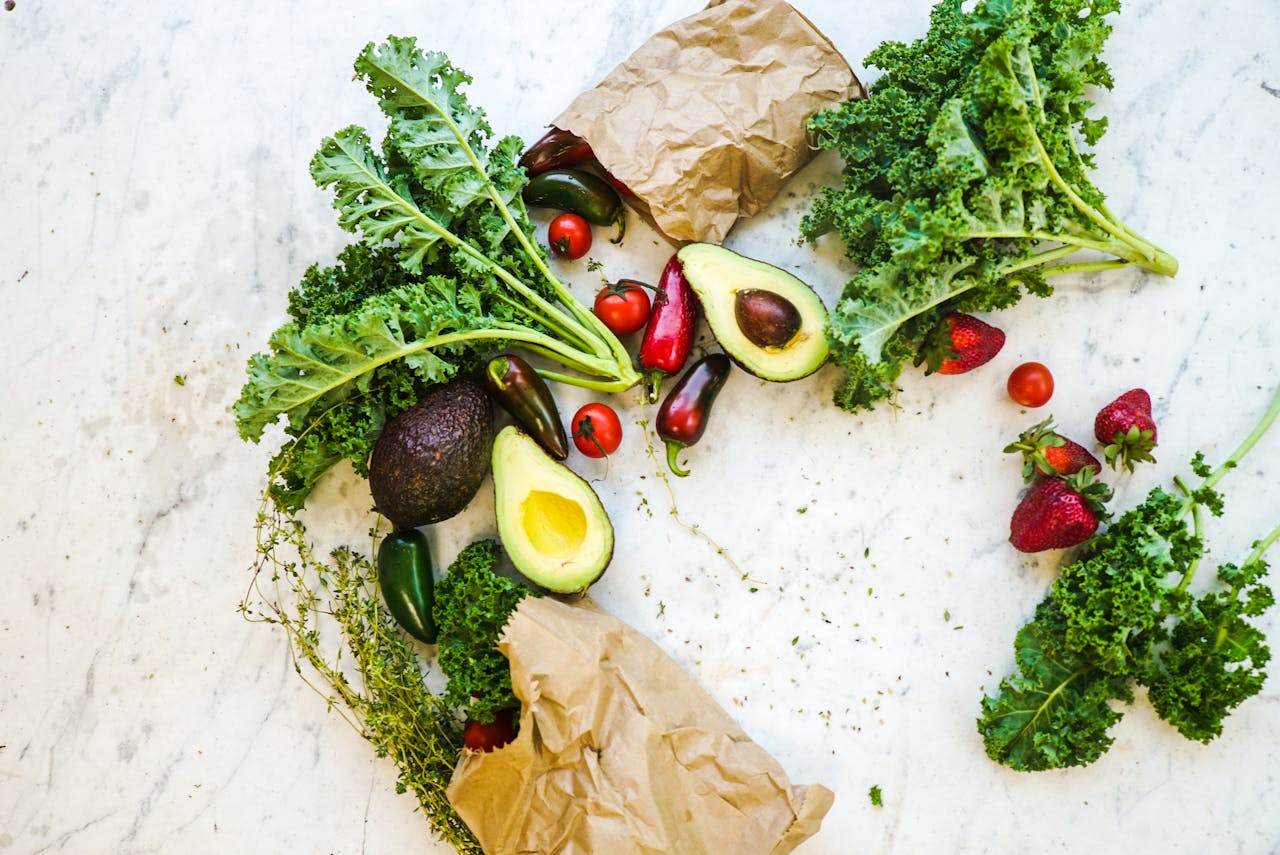
A big salad has long been a go-to healthy meal. Raw vegetables bring fiber, vitamins, and crunch, and they seem like an obvious choice when you are trying to lose weight. But many people on Ozempic or another GLP-1 find that a large salad now leaves them bloated, gassy, and too full to eat anything else. That can mean missing out on protein and feeling uncomfortable for hours.
Here is how to keep vegetables in your diet in a way your stomach can handle.
Why salads can feel different
A pharmacovigilance analysis of adverse event reports for semaglutide found gastrointestinal events to be the dominant category by a wide margin. These medications slow how quickly your stomach empties, and raw vegetables are bulky and fibrous. A large bowl of greens, raw broccoli, cabbage, or onions can take up a lot of space and produce gas as it is digested.
Salads can crowd out protein
A salad can fill a small stomach before you get to the protein. If your salad is mostly leaves and a little chicken, you may end up eating more lettuce than anything else. Eat the protein first, and make it a bigger share of the bowl. Add chicken, eggs, tuna, salmon, tofu, chickpeas, or cheese. Our guide on what to eat to minimize nausea has more gentle food ideas.
Try smaller salads
A side salad alongside a protein, rather than a giant bowl as the whole meal, is often easier. Chop vegetables finely and chew well, since smaller pieces are easier to digest.
Cooked vegetables are often easier
Cooking softens fiber and reduces bulk, which many people find easier on a slower stomach. Try roasted carrots, steamed zucchini, sautéed spinach, or vegetables in a broth-based soup. You still get the nutrients with less bloating.
Vegetables that may cause more gas
Raw cruciferous vegetables like broccoli, cauliflower, cabbage, and Brussels sprouts, along with onions, garlic, and beans, often cause more gas. You do not need to avoid them completely. Try smaller portions or cooked versions and see how you feel.
Gentler vegetable choices
Cucumber, lettuce, zucchini, carrots, bell peppers, spinach, and tomatoes are often easier for many people, especially when cooked or in smaller amounts.
Dressing matters
Creamy dressings, lots of cheese, and fried toppings like croutons or crispy onions can add fat that sits heavily. Try a light vinaigrette, a squeeze of lemon, or dressing on the side.
Keep up fluids and fiber gradually
Vegetables are an important source of fiber, which helps with constipation, a common side effect. Rather than cutting them out, spread them across the day, increase gradually if needed, and sip water through the day.
Prepped salads in the fridge
If you prepare salads for the week, keep containers from crowding your medication. Store it in a labeled box on a middle shelf, away from the freezer compartment. Our guide on storing compounded semaglutide or tirzepatide at home covers the basics.
Side effects and dose increases
Side effects tend to be strongest early and after each dose increase. In the days after a step up, choose cooked vegetables and smaller portions. Our guide on the Ozempic starting dose covers what the first weeks usually look like, and if you are comparing medications, our guide on tirzepatide and semaglutide side effects covers how they differ. If bloating is hard to manage, talk to your provider before stopping. Our guide on taking a break and restarting covers why stopping and restarting is more involved than it sounds.
If you have diabetes
The prescribing information for Wegovy, which contains semaglutide, the same active ingredient as Ozempic, at a higher dose, notes that patients with diabetes mellitus taking it in combination with insulin or an insulin secretagogue, such as a sulfonylurea, may have an increased risk of hypoglycemia, including severe hypoglycemia. A salad that is mostly leaves may not provide much fuel, so make sure your meals include enough to keep your blood sugar steady, and never change those medicines on your own.
Watch for the signs of under-eating too: persistent fatigue, feeling cold, hair shedding, dizziness when you stand, losing strength, and losing weight faster than you and your provider intended.
Consider this scenario: a woman on Ozempic eats a huge salad of raw kale, broccoli, cabbage, and red onion every day for lunch, with a few strips of chicken. She fills up halfway through, leaves most of the chicken, and is bloated all afternoon. Switching to a smaller side salad with cucumber and spinach, eating a full portion of chicken first, and adding roasted vegetables at dinner would very likely have left her more comfortable and better fed.
The short version
Salads and raw vegetables on Ozempic can cause bloating and fill you up before you get to protein. Eat the protein first and make it a bigger part of the bowl, choose smaller salads, chop and chew well, and try cooked vegetables. Go easier on raw cruciferous vegetables and onions, use light dressings, and keep vegetables in your day for fiber rather than cutting them out.
If you want a provider who will help you eat comfortably on treatment, TrimRx includes ongoing provider access alongside treatment.
This information is for educational purposes and is not medical advice. Consult with a healthcare provider before starting any medication. Individual results may vary.

Transforming Lives, One Step at a Time
Keep reading
Learning to Eat Slowly on Ozempic
Many people have eaten quickly their whole lives: rushed lunches, meals in front of a screen, finishing the plate before the rest of the…
Eating Fruit on Ozempic
When your appetite drops on Ozempic or another GLP-1, fruit is often one of the few foods that still sounds appealing. It is cold,…
Not Hungry for Breakfast on Ozempic
One of the most common things people notice on Ozempic or another GLP-1 is waking up with no appetite. Breakfast that used to be…


