How Long to Take Zepbound Out of Fridge: A Storage Guide
Introduction
Managing a weight loss journey involves more than just tracking meals and staying active. When you are prescribed a GLP-1 medication like Zepbound®, understanding the logistics of storage becomes a critical part of your daily routine. Many people find themselves staring at their medication box, wondering if a brief power outage or a weekend trip will ruin their supply. At TrimRx, we believe that clarity and confidence are essential for long-term success. Whether you are currently on a personalized program or are just beginning to explore your options, take the free assessment quiz to see if prescription GLP-1 treatment is a fit. This post covers everything from the 21-day room temperature rule to the science behind medication stability and safe travel tips. Proper storage is the foundation of a successful treatment plan, ensuring every dose works as intended to support your metabolic health.
Quick Answer: You can take Zepbound out of the fridge for up to 21 days, provided the temperature does not exceed 86°F (30°C). Once the medication has reached room temperature, it should not be placed back into the refrigerator.
The Standard for Storing Zepbound
The primary recommendation for Zepbound® (tirzepatide) is to keep it refrigerated. Tirzepatide is a dual-acting GLP-1 (glucagon-like peptide-1) and GIP (glucose-dependent insulinotropic polypeptide) receptor agonist. In plain English, it is a peptide—a small protein—that mimics hormones your body naturally produces to regulate hunger and blood sugar. Because it is a protein-based medication, it is sensitive to its environment. If you want a deeper primer on the hormone behind this class of medication, what GLP-1 is can help.
The ideal temperature range for your refrigerator is between 36°F and 46°F (2°C to 8°C). Staying within this window keeps the protein structure stable for the long term. Most patients receive a one-month or three-month supply at a time. Keeping the boxes in the fridge ensures that the last dose of your supply is just as potent as the first.
However, life happens. You might forget to put your pharmacy bag away immediately, or you may need to take a dose while away from home. The manufacturer has tested the stability of the medication to account for these moments, providing a specific window of time where refrigeration is not strictly necessary.
The 21-Day Room Temperature Rule
The most common question regarding this medication is how long it can survive outside of a cold environment. Clinical stability testing shows that Zepbound can be kept at room temperature for up to 21 days.
This 21-day window is a “one-way street.” Once the medication has warmed up to room temperature, the clock starts ticking. Even if you only leave it out for a few days, the official guidance is to use it within that three-week period or discard it.
Understanding Temperature Limits
“Room temperature” is not a vague term in the world of pharmacy. For this medication, room temperature is defined as anything up to 86°F (30°C). If you live in a particularly warm climate or your home does not have consistent air conditioning during the summer, you must be extra cautious.
If the medication is exposed to temperatures higher than 86°F, even for a short period, the proteins can begin to “denature.” Denaturing is a process where the protein loses its shape. Since the medication works by fitting into specific receptors in your body like a key into a lock, a change in shape means the “key” no longer fits, and the medication may lose its effectiveness.
Why You Should Not Re-Refrigerate
One of the most confusing aspects of medication storage is the “no re-refrigeration” rule. You might think that putting a room-temperature pen back into the fridge would “save” it or stop the 21-day clock. However, the manufacturer explicitly advises against this.
Fluctuating temperatures can be just as damaging to biological medications as sustained heat. Moving the medication back and forth between cold and warm environments can cause the liquid to expand and contract, potentially compromising the integrity of the pen’s internal seal or the stability of the tirzepatide molecule itself. If you take a pen out and it reaches room temperature, keep it out and ensure you use it within 21 days.
Key Takeaway: Zepbound is stable at room temperature (up to 86°F) for exactly 21 days. Once it warms up, do not put it back in the refrigerator; simply use it before the 21-day window expires.
Maintaining Medication Integrity and Visual Checks
Because you cannot see the molecules of tirzepatide, you have to rely on visual cues and storage habits to ensure your medication is safe to use. Storing the pen correctly is about more than just the thermometer.
Protection from Light
The original carton your medication arrives in is not just for branding; it serves a functional purpose. Tirzepatide is light-sensitive. Prolonged exposure to direct sunlight or even strong indoor UV light can cause the chemical bonds in the medication to break down.
Always keep your pens or vials inside their original box until you are ready to perform the injection. If you are traveling and using a smaller carrying case, ensure it is opaque and offers protection from light.
The Danger of Freezing
While heat is a known enemy of GLP-1 medications, freezing is often more destructive. You should never store your medication in the freezer or in the very back of the fridge where items sometimes turn to ice.
If the liquid in the pen freezes, it can crystallize. These crystals can permanently damage the tirzepatide protein. Furthermore, the expansion of the liquid as it freezes can damage the delicate mechanics of the auto-injector pen. If you notice any ice crystals in the pen, or if you know the medication was exposed to sub-freezing temperatures, you must discard it. It is not safe to “thaw” and use.
Performing a Visual Inspection
Before every injection, you should look at the liquid inside the glass through the pen’s window.
- What it should look like: The solution should be clear and colorless to slightly yellow.
- What to look out for: Do not use the medication if it looks cloudy, contains visible particles, or has changed to a dark or unusual color.
If the liquid looks different than usual, it is a sign that the medication may have degraded or been contaminated. In these instances, it is best to contact your healthcare provider or pharmacist for guidance rather than risking an ineffective or unsafe dose.
Traveling with Your Medication
Traveling should not be a source of stress when managing your weight loss program. With a little bit of planning, you can maintain your schedule while on the go. At TrimRx, we often help our community members navigate these logistical hurdles so they can stay consistent with their progress.
Air Travel Tips
When flying, the most important rule is to keep your medication in your carry-on luggage. The cargo hold of an airplane is not temperature-controlled and can experience extreme cold or heat, both of which will ruin your medication.
- Security: You are allowed to carry your medication and associated supplies (like needles or pens) through airport security. It is helpful to keep them in their original packaging with the prescription label attached to avoid any questions.
- Gel Packs: If your flight is long or you are traveling to a hot destination, you can use a small insulated travel bag with a medical-grade gel pack. Be careful not to let the pen touch the frozen gel pack directly, as this could freeze the medication. Wrapping the pen in a small hand towel before placing it in the insulated bag provides a safe buffer.
For a broader overview of injectables, what GLP-1 injections are offers helpful context on how these medications are used.
Road Trip Precautions
If you are traveling by car, never leave your medication in a parked vehicle. Even on a mild day, the interior temperature of a car can quickly exceed 100°F, far surpassing the 86°F limit for Zepbound. Keep your medication in the passenger cabin with the air conditioning, and take it with you whenever you exit the vehicle.
Compounded Tirzepatide Storage Considerations
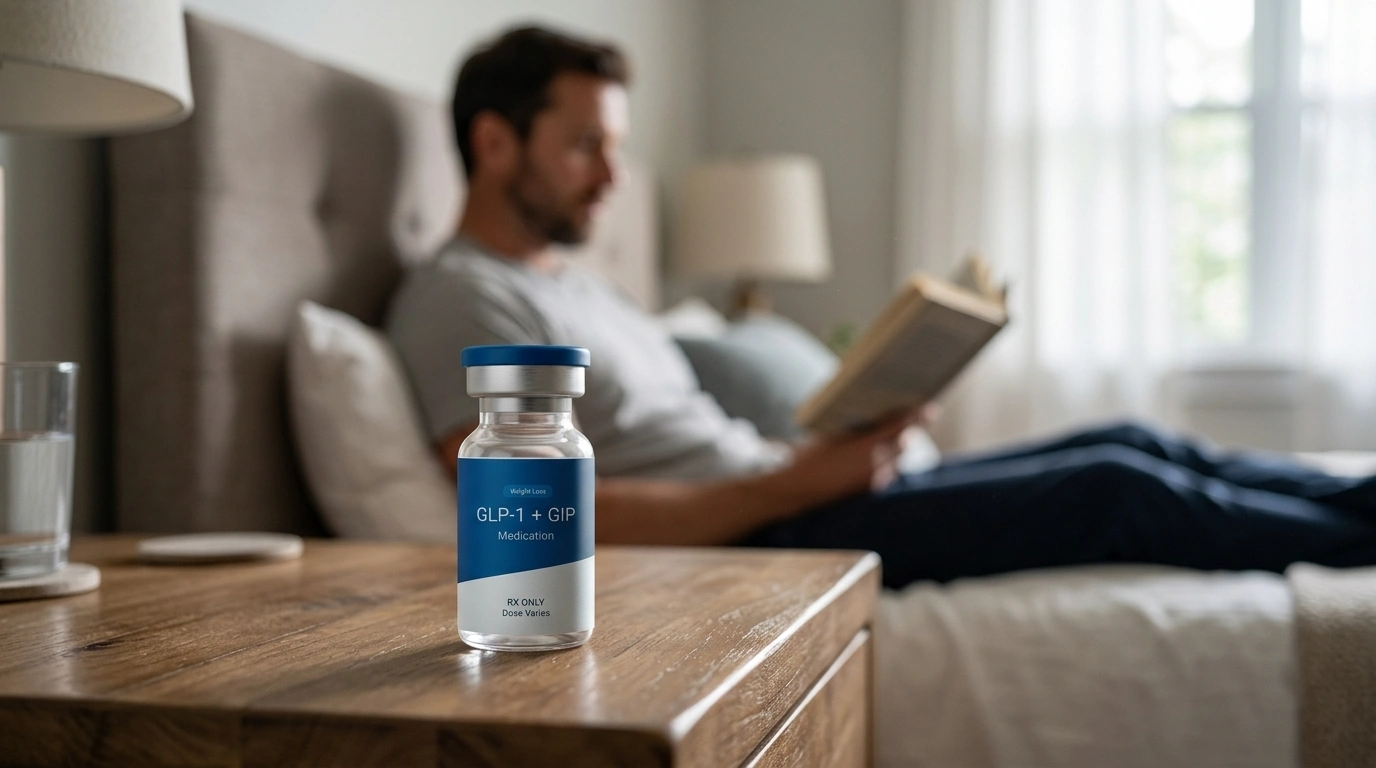
Many individuals access weight loss support through compounded versions of tirzepatide. This is often done when there are shortages of branded medications or when a patient needs a more customized approach. It is important to understand the distinctions between branded and compounded options. For a deeper look at the molecule itself, how tirzepatide works is a useful companion read.
Compounded tirzepatide is prepared by specialized pharmacies that mix the medication specifically for an individual patient. While the active ingredient—tirzepatide—is the same as what is found in Zepbound, these medications are not FDA-approved in the same way branded drugs are. Instead, they are prepared in FDA-registered and inspected compounding pharmacies that follow strict quality standards.
The storage rules for compounded tirzepatide are generally very similar to the branded version:
- Refrigeration is standard: Most compounded tirzepatide arrives in a vial and should be kept in the refrigerator.
- Check the label: Because compounding pharmacies use different bases or preservatives, the specific “room temperature” window might vary. Always follow the exact instructions printed on the label provided by the pharmacy.
- Light and Heat: Just like the branded version, compounded tirzepatide must be protected from light and never exposed to temperatures above the recommended limit (usually 86°F).
If you are using our platform to connect with providers for a personalized program, take the free assessment quiz to see if prescription GLP-1 treatment is a fit.
How Temperature Affects Your Results
Consistency is the most important factor in the success of a GLP-1 program. If your medication loses its potency because it was left in a hot car or kept out of the fridge for a month, your progress might stall.
You might notice that your appetite returns sooner than usual or that your blood sugar levels are not as stable as they were on previous doses. This is often not a “failure” of the medication itself, but a sign that the medication has lost its strength. By following strict storage guidelines, you are protecting your investment in your health and ensuring that each weekly dose provides the maximum metabolic support. For readers who want extra metabolic support during weight loss, the Weight Loss Boost supplement is a simple option to explore.
Practical Steps for Home Storage
- Middle Shelf: Store your medication on a middle shelf in the refrigerator. Avoid the very top shelf (too close to the cooling element) and the door (too much temperature fluctuation from opening and closing).
- Backup Power: If you live in an area prone to power outages, keep a small cooler and a few ice packs ready. If the power goes out, keep the fridge door closed as long as possible. If the outage lasts more than a few hours, move the medication to the cooler.
- Reminder Alerts: If you take your pen out to let it warm up before injecting (which many people find more comfortable), set a 30-minute timer on your phone so you don’t forget to use it.
When to Discard the Medication
Knowing when to say “no” to a dose is a vital part of patient safety. You should discard your medication and contact a professional if any of the following occur:
- The medication has been at room temperature for more than 21 days.
- The medication was exposed to temperatures above 86°F (30°C).
- The medication was frozen or shows ice crystals.
- The liquid appears cloudy, discolored, or has floating particles.
- The expiration date on the package has passed.
Using expired or degraded medication is unlikely to be dangerous in a toxic sense, but it is highly unlikely to work. For a medication designed to help you manage significant health goals, “not working” is a major setback.
Bottom line: When in doubt, throw it out. Protecting your health is more important than trying to save a compromised dose.
Safety and Proper Disposal
Properly handling your medication ends with safe disposal. Because Zepbound pens and the needles used for compounded tirzepatide vials are considered “sharps,” they cannot be thrown in the regular household trash.
Using a Sharps Container
Immediately after your injection, you should place the used pen or needle into an FDA-cleared sharps disposal container. These are usually red, puncture-resistant plastic bins. If you do not have an official sharps container, you can use a heavy-duty plastic household container, such as a laundry detergent bottle. It must be leak-resistant, remain upright, and have a tight-fitting, puncture-resistant lid.
Why Disposal Matters
Safe disposal protects sanitation workers, family members, and pets from accidental needle sticks. Every state has different regulations regarding how to dispose of a full sharps container. Some allow for mail-back programs, while others have designated drop-off sites at hospitals or pharmacies. Check your local community guidelines to ensure you are following the law.
The TrimRx Approach to Sustainable Weight Loss
At TrimRx, we understand that the journey to better health is paved with small, daily decisions—including how you store and manage your medication. Our mission is to provide you with more than just a prescription; we offer a supportive, science-backed ecosystem designed to make weight loss manageable and sustainable. If you want a broader overview of what that kind of support can look like, what GLP-1 support means in a weight loss plan is a helpful place to start.
We believe that personalized care is the only way to achieve lasting results. That is why our programs are tailored to your unique health profile and lifestyle. By combining the latest in GLP-1 and GIP medication with expert clinical guidance and 24/7 support, we help you navigate the complexities of metabolic health without the stress of traditional doctor’s visits. Our GLP-1 Daily Support supplement is designed to fit into that kind of routine support.
Our telehealth-first model means you can access specialists and receive your medication from the comfort of your home. We handle the logistics—from initial lab work to ensuring your medication is shipped safely from high-quality pharmacies—so you can focus on reaching your goals.
Conclusion
Correctly storing your medication is a simple but vital part of your weight loss success. By keeping your supply in the refrigerator and strictly adhering to the 21-day room temperature limit, you ensure that every injection is potent and effective. Remember to protect your pens from light, avoid the freezer at all costs, and always perform a visual check before use.
If you are ready to take the next step in your health journey with a team that prioritizes transparency and personalized support, we are here to guide you. Whether you are interested in a comprehensive medication program or want to optimize your results with specialized nutrient support, your path to a healthier life starts with a clear plan.
Key Takeaway: Proper storage protects the integrity of the tirzepatide protein, ensuring your medication supports your metabolic goals effectively.
To see if a personalized weight loss program is right for you, your first step is simple. We invite you to take our free online assessment quiz to explore your options and begin your journey toward sustainable health.
FAQ
Can I put Zepbound back in the fridge after it has reached room temperature?
No, the manufacturer recommends that once the medication has reached room temperature, it should not be returned to the refrigerator. You should use the medication within 21 days or discard it if that window passes. If you are still deciding whether a monitored program is right for you, take the free assessment quiz.
What should I do if my Zepbound was left in a hot car?
If the medication was exposed to temperatures above 86°F (30°C), it may have degraded and lost its effectiveness. You should not use the medication; instead, contact your pharmacist or healthcare provider for guidance on obtaining a replacement.
Is it okay to use Zepbound if it looks a little cloudy?
No, you should never use the medication if it appears cloudy, has changed color significantly, or contains visible particles. The solution inside the pen should be clear and colorless to slightly yellow; any other appearance suggests the medication is no longer safe or effective.
How do I keep my medication cool while traveling for more than 21 days?
If you are traveling for a long period, you should use a medical-grade insulated travel case with gel packs to keep the medication between 36°F and 46°F. Be sure to wrap the medication in a cloth to prevent it from touching the gel packs directly, as this could cause it to freeze.
Disclaimer: This content is for informational purposes only and does not constitute medical advice. It is not intended to diagnose, treat, cure, or prevent any disease or condition. Individual results may vary. Always consult a qualified healthcare professional before starting any weight loss program or medication.

Transforming Lives, One Step at a Time
Keep reading

Why Is There a Bruise Where I Injected My Zepbound?
A bruise means a small blood vessel was disturbed under the skin and blood spread into the surrounding tissue. It is one of the…
My Zepbound Pen Won’t Click Past a Certain Dose
Start by checking which device you are holding, because the answer depends entirely on that. Zepbound has commonly been supplied in the United States…
Zepbound Alternatives: Your Options Compared
If Zepbound isn’t the right fit, the main alternative is semaglutide (sold as Wegovy), which produces slightly less weight loss but works similarly, along…


