What Happens if You Double Dose Mounjaro? Safety and Recovery
Introduction
It usually happens in a moment of distraction. You might be rushing through your morning routine and find yourself staring at an empty pen, unable to remember if you already administered your weekly injection or if that was from the week before. This realization often brings an immediate wave of anxiety. If you are asking what happens if you double dose Mounjaro, you are not alone in this concern. Medication errors are a common part of any long-term health journey, especially with once-weekly treatments. At TrimRx, we understand that managing a weight loss program involves a learning curve, and we are here to provide the clinical context you need to stay safe. This article explains the biological response to an accidental double dose, the symptoms to watch for, and the specific steps you should take to support your body through the recovery process.
Immediate Steps to Take After a Double Dose
If you realize you have taken twice your prescribed amount of Mounjaro®—a branded medication containing tirzepatide—the first thing to do is remain calm. While the physical response can be intense, having a clear action plan is essential. Because this medication is an injection, it cannot be “undone” or removed from your system once administered. If you are considering a medically supervised tirzepatide program, you can complete a free eligibility assessment before beginning treatment.
Call Poison Control or Your Provider
Do not wait for symptoms to appear. Contact the healthcare professional who manages your program or call the Poison Control Center at 1-800-222-1222 immediately. They can provide specific guidance based on your current dosage level and health history. Have your medication box nearby so you can confirm the exact milligram (mg) amount you took.
Document the Details
Write down the exact time you administered each dose and the strength of the medication. Note whether you took two injections at the same time or if you accidentally took them only a few days apart. This information is vital for medical professionals to determine the total concentration of the drug in your system.
Prioritize Hydration
The primary risk of a double dose is not the drug itself, but the side effects it triggers, particularly vomiting and diarrhea. Start sipping water or electrolyte-rich drinks immediately. Maintaining fluid balance is your most important task in the first few hours after an error.
Key Takeaway: Immediate communication with a healthcare professional and proactive hydration are the most critical actions you can take in the first hour after an accidental double dose.
Understanding the Biological Surge
To understand why a double dose causes such a strong reaction, it helps to look at how the medication works. Tirzepatide is a dual agonist. This means it mimics two different natural hormones in your body: glucagon-like peptide-1 (GLP-1) and glucose-dependent insulinotropic polypeptide (GIP). For additional background, read this overview of how tirzepatide works.
Overstimulation of Receptors
These hormones are responsible for regulating your appetite and slowing down your digestion, a process known as gastric emptying. Under a standard dose, this mechanism helps you feel full longer. When you take a double dose, these pathways become overstimulated. Your digestion may slow down to a near-halt, which is the primary cause of the extreme nausea and bloating associated with an overdose.
The Peak Concentration Window
Tirzepatide is a long-acting medication. It typically takes about 24 to 48 hours for the drug to reach its maximum concentration in your blood. This is why you might feel relatively normal immediately after a double dose, only to feel significantly worse a day or two later. You must remain vigilant during this 48-hour window even if you feel fine. Understanding the standard tirzepatide dosing schedule can also help explain why doses should be spaced carefully.
Common vs. Severe Symptoms
An accidental double dose typically manifests as an extreme version of the common side effects associated with the medication. While these symptoms are uncomfortable, knowing the difference between a typical reaction and a medical emergency is vital. You can also review this guide to common GLP-1 side effects for broader symptom context.
Gastrointestinal Distress
The most prominent symptoms involve the digestive system. Because the medication essentially “pauses” much of your digestive motility, you may experience:
- Uncontrollable Nausea: A persistent, heavy feeling of sickness that makes the thought of food difficult to tolerate.
- Persistent Vomiting: The body’s reaction to the high hormonal signals and slowed gastric emptying.
- Severe Abdominal Cramping: Intense pressure or sharp pains in the stomach area, often accompanied by significant bloating.
- Watery Diarrhea: This can occur as the body attempts to process the excess medication, further increasing the risk of dehydration.
Metabolic and Neurological Changes
Beyond the stomach, a double dose can affect your overall energy and neurological state:
- Profound Fatigue: Your body is working overtime to process the medication surge.
- Dizziness: Often caused by early-stage dehydration or a sudden shift in how your body processes glucose.
- Headaches: A common side effect when the body is under significant metabolic stress.
Note: If you have a history of kidney issues, a double dose requires extra caution. Dehydration can put significant strain on the kidneys. Always inform medical staff of your history if you seek treatment.
The Importance of the 5-Day Half-Life
One of the most critical factors in a double dose scenario is the medication’s half-life. A half-life is the amount of time it takes for the concentration of a drug in your body to reduce by 50%. For tirzepatide, the half-life is approximately five days.
This long duration is why Mounjaro® is only injected once per week. If you take a double dose, you are starting with a much higher baseline than intended. It may take two weeks or longer for the medication levels in your blood to return to their intended therapeutic range. This means that if you feel sick, the symptoms may linger for 7 to 10 days rather than clearing up in 24 hours. For more information about dose timing, review this tirzepatide dosing and titration guide.
| Feature | Standard Dose Experience | Double Dose Potential |
|---|---|---|
| Nausea | Mild, usually temporary | Intense, may last several days |
| Vomiting | Rare or occasional | Frequent and difficult to control |
| Digestion | Noticeably slower | Potentially stalled (extreme bloating) |
| Half-Life | ~5 Days | ~5 Days (with higher starting concentration) |
| Hydration | Easily maintained | High risk of dehydration |
Serious Complications and Emergency Care
While many dosing errors can be managed at home with professional guidance, there are specific “red flag” symptoms that require an immediate trip to the emergency room or a call to 911. If you are unsure whether a prescription program is appropriate for you, you can see if you qualify for a personalized program after discussing any current symptoms with a qualified healthcare professional.
Signs of Pancreatitis
Pancreatitis, or inflammation of the pancreas, is a rare but serious side effect of GLP-1 and GIP receptor agonists. A double dose may increase this risk. Seek emergency care if you experience severe, persistent abdominal pain that radiates to your back. This pain is typically sharp and does not improve with changes in position.
Severe Dehydration
If you are unable to keep any liquids down for more than 12 to 24 hours, you are at high risk for acute dehydration. Watch for these warning signs:
- Extreme thirst coupled with a very dry mouth.
- A significant decrease in urination or urine that is very dark in color.
- Confusion, irritability, or extreme dizziness.
- A rapid or racing heart rate even while resting.
Severe Hypoglycemia (Low Blood Sugar)
Mounjaro® is designed to help the body lower blood sugar levels. While it rarely causes dangerously low blood sugar when used alone, a double dose significantly increases this risk—especially if you are also taking other medications like insulin or sulfonylureas. Symptoms include shakiness, cold sweats, extreme confusion, or blurred vision.
Key Takeaway: If you cannot hold down water for 12 hours or experience pain radiating to your back, seek emergency medical intervention immediately.
Branded Pens vs. Compounded Vials
The risk and nature of a double dose can change depending on how you administer your medication. When you use us for your weight loss journey, we ensure you have the education needed to handle your specific format safely. This guide to compounded tirzepatide dosing provides additional information about multi-dose vials and dose measurements.
Branded Pre-filled Pens
Branded medications like Mounjaro® or Zepbound® (also tirzepatide) typically use single-dose, pre-filled pens. These are designed for one-time use. Errors with these pens usually happen if a person forgets they already took their shot and uses a second, completely new pen.
Compounded Tirzepatide
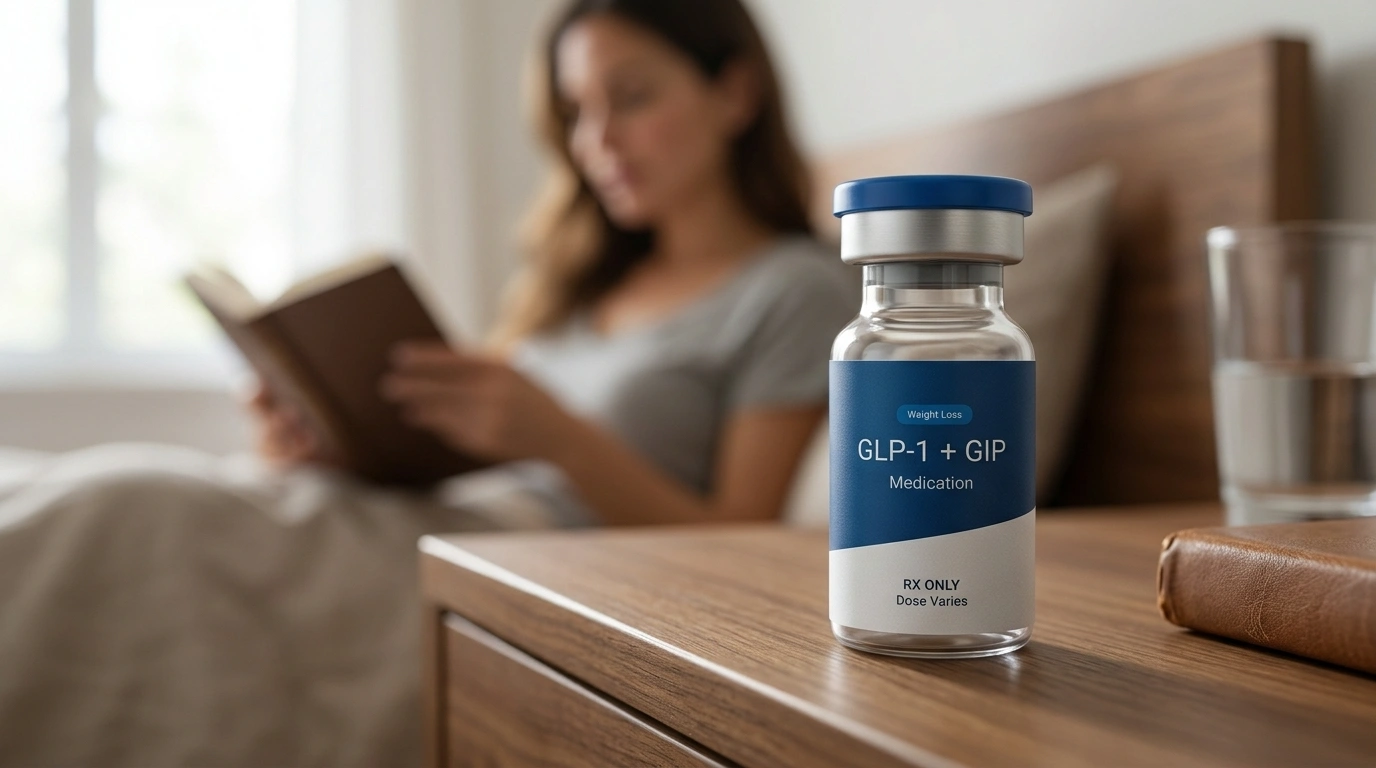
Many individuals use compounded tirzepatide, which is prepared by licensed, FDA-registered and inspected compounding pharmacies. These often come in multi-dose vials where you must draw the medication into a syringe. It is much easier to accidentally draw too much from a vial if you misread the “units” on the syringe.
Important Note: Compounded medications are not FDA-approved. They are prepared by pharmacies to meet specific patient needs or address drug shortages. We only work with reputable, inspected facilities to ensure the highest standards of quality.
The Myth of the “Golden Dose”
In some online communities, users discuss a “fifth dose” or “golden dose.” This involves using a syringe to extract the small amount of liquid remaining in a multi-dose pen after the four prescribed doses are finished.
This practice is highly discouraged by clinical experts. The extra fluid in a pen is a deliberate buffer meant to ensure the four primary doses are delivered accurately. Attempting to measure this residual medication yourself often leads to inaccurate dosing. You can easily end up taking significantly more—or less—than your body can handle, leading to the same overdose risks discussed in this article.
Myth: Taking the residual liquid in a pen is a safe way to get an extra dose.
Fact: Residual liquid cannot be measured accurately and may lead to an accidental overdose or ineffective treatment.
Managing Recovery at Home
If your healthcare provider has determined that your symptoms are manageable at home, your focus shifts to “supportive care.” This means treating the symptoms while the medication naturally clears your system. For related guidance, read about ways to manage GLP-1 nausea and digestive symptoms.
The Sip-and-Wait Method
To maintain hydration without triggering more vomiting, take one small sip of an electrolyte drink every five to ten minutes. Avoiding large gulps prevents the stomach from stretching, which can trigger the nausea reflex.
Choose Bland Foods
Do not feel pressured to eat full meals. If you can tolerate food, stick to the BRAT diet:
- Bananas
- Rice
- Applesauce
- Toast
Avoid high-fat, fried, or very sugary foods. These require more effort for the stomach to process and can worsen the discomfort caused by slowed digestion.
Rest and Recovery
Expect to feel exhausted for several days. Your body is processing a significant chemical surge. Clear your schedule if possible and prioritize sleep. Avoid strenuous exercise until you are able to maintain consistent hydration and calorie intake.
When to Take Your Next Dose
A common question after a double dose is when it is safe to resume your regular schedule. You should never simply take your next dose on your usual day if it falls within a few days of the error.
Most clinical guidelines suggest waiting until all symptoms of the overdose have completely resolved. Because the medication has a five-day half-life, your body still has a high concentration of the drug even a week later. Your healthcare provider will likely advise you to skip the following week’s dose entirely. This allows your receptor sensitivity to return to baseline and ensures your digestive system has fully recovered. Before starting or resuming treatment, you can complete a free assessment for a personalized plan.
Important: Never take a dose of Mounjaro® within 3 days (72 hours) of your last dose. This is the minimum safety buffer required to prevent dangerous accumulation in your system.
Prevention Strategies
Mistakes happen, but you can put systems in place to ensure they don’t happen again. Consistency is the foundation of any successful weight loss program. For more perspective on gradual dose changes, read this tirzepatide titration overview.
Set a Dedicated “Shot Day”
Choose one specific day and time each week for your injection. Use a phone alarm that requires you to “check off” the task. Consistency helps your brain associate a specific day with the medication.
Use a Medication Log
Keep a simple notebook or a digital log where you record the date, time, and injection site for every dose. Checking the log before you reach for your medication can prevent “double-dipping.”
Dispose of Pens Immediately
Once you have used a single-use pen, place it in a sharps container right away. Leaving used pens on a counter or in the fridge can lead to confusion about whether you have already taken your dose.
Double-Check Syringe Units
If you are using compounded tirzepatide from a vial, always repeat the dose amount out loud to yourself before you draw the liquid. Verify the “units” on the syringe twice to ensure they match your provider’s instructions.
How TrimRx Supports Your Journey
Navigating the complexities of GLP-1 and GIP medications can feel overwhelming, especially when questions about safety and dosing arise. We provide a telehealth-first platform that removes the stress of traditional medical visits. By choosing our platform, you gain 24/7 access to a dedicated team of specialists who understand these medications and can guide you through every step. If you are exploring treatment, you can find out if GLP-1 medications may be right for you.
Our personalized programs are built on your unique health profile. When you work with the providers through our platform, you receive clear instructions and ongoing support. We prioritize transparency, meaning no hidden fees and a consistent program regardless of your dosage changes. If you are ever unsure about a dose, we are just a message away. We believe that professional oversight is the best way to prevent the confusion that leads to dosing errors.
Conclusion
Accidentally taking 2 doses of Mounjaro® is a serious event that requires a calm and methodical response. The primary risks involve severe gastrointestinal upset, potential dehydration, and rare complications like pancreatitis. By contacting a medical professional immediately and focusing on hydration, most people can manage the symptoms under a doctor’s guidance.
We are committed to making your weight loss journey as safe and supported as possible. We merge clinical expertise with modern technology to provide you with the tools you need for sustainable health—all from the comfort of your home. Our mission is to help you embrace a healthier lifestyle through science, empathy, and transparent care. If you are ready to start a medically supervised program with a team that has your back, taking the first step is easy.
Ready to see how a personalized program can fit your life? Take the free assessment quiz today to explore your options.
FAQ
Is a double dose of Mounjaro fatal?
While an overdose of tirzepatide is rarely fatal in healthy individuals, it can lead to severe medical complications like acute kidney injury or pancreatitis, which are life-threatening if left untreated. The primary danger comes from extreme dehydration caused by uncontrollable vomiting. Always seek medical advice immediately if an overdose occurs.
How long do the symptoms of a Mounjaro overdose last?
Because tirzepatide has a half-life of about five days, symptoms can persist for a week or longer. Most patients experience the most intense side effects within the first 48 to 72 hours, with a gradual improvement as the medication levels in the blood slowly decrease.
Should I go to the emergency room for a double dose?
You should go to the emergency room if you cannot keep any liquids down for more than 12-24 hours, or if you experience “red flag” symptoms. These include severe, persistent abdominal pain radiating to the back, signs of a severe allergic reaction, or signs of extreme dehydration like confusion or a lack of urination.
Can I take my next dose on time if I feel fine?
No, you should not take your next dose without consulting your healthcare provider first. Even if you feel okay, taking another dose on top of an accidental double dose could lead to a cumulative effect that triggers severe side effects later. Your provider will likely advise you to skip at least one week to allow your system to recover.
Disclaimer: This content is for informational purposes only and does not constitute medical advice. It is not intended to diagnose, treat, cure, or prevent any disease or condition. Individual results may vary. Always consult a qualified healthcare professional before starting any weight loss program or medication.

Transforming Lives, One Step at a Time
Keep reading
Mounjaro Alternatives: What Else to Consider
If Mounjaro isn’t the right fit, the closest alternatives are other GLP-1 medications, chiefly semaglutide (Ozempic for diabetes, Wegovy for weight), along with a…
Mounjaro vs Zepbound: Same Drug, Two Brands
Like their semaglutide counterparts, Mounjaro and Zepbound are the same medication (tirzepatide) sold under two names for two purposes: Mounjaro is approved for type…
Retatrutide vs Mounjaro: Triple Agonist vs Dual Agonist
The core difference between retatrutide and Mounjaro comes down to how many hormone targets each hits: retatrutide activates three receptors, while Mounjaro (tirzepatide) activates…


