Can I Take Antibiotics While on Mounjaro?
Introduction
Finding yourself under the weather while you are on a weight loss journey is a common frustration. You are working hard to manage your health, and suddenly, a sinus infection or a dental issue requires a course of antibiotics. If you are taking Mounjaro®, a medication used for weight management and type 2 diabetes, you might wonder if these two treatments can safely coexist. At TrimRx, we believe that understanding how your medications interact is the first step toward a safe and successful health transformation. The short answer is that you can generally take antibiotics while using this medication, but there are vital considerations regarding absorption and side effects. This article will explain how these drugs interact, why timing matters, and how our personalized approach helps you navigate these health hurdles. If you are considering a personalized weight loss program, you can complete a free eligibility assessment.
How Tirzepatide Works in Your Body
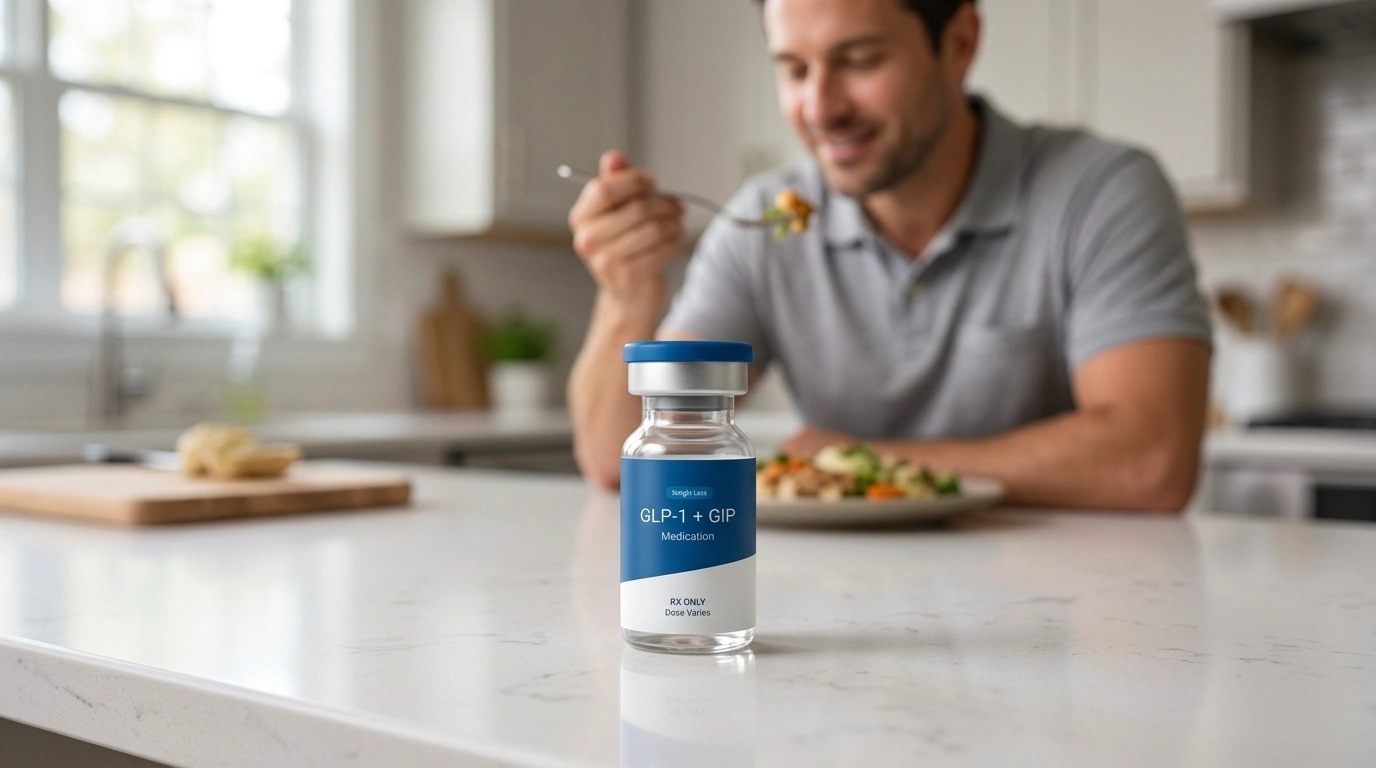
To understand the interaction with antibiotics, you first need to understand the science behind the medication. Mounjaro® contains the active ingredient tirzepatide. This is a dual-acting medication known as a GLP-1 medication (glucagon-like peptide-1) and GIP (glucose-dependent insulinotropic polypeptide) receptor agonist.
These are natural hormones in your body that help regulate blood sugar and appetite. When you take tirzepatide, it mimics these hormones to signal to your brain that you are full. It also helps your pancreas release the right amount of insulin. However, one of its most significant functions is slowing down gastric emptying. This means the food and oral medications you swallow stay in your stomach for a longer period before moving into the small intestine for absorption.
Quick Answer: Yes, you can generally take antibiotics while on Mounjaro®, but the medication’s ability to slow down your digestion may affect how quickly or effectively your body absorbs the oral antibiotic.
The Interaction Between Antibiotics and Mounjaro®
The primary concern when mixing these two treatments is not usually a toxic chemical reaction. Instead, the concern is pharmacokinetics, which is the study of how a drug moves through your body.
Delayed Absorption of Oral Medications
Because tirzepatide slows the rate at which your stomach empties, any antibiotic you take by mouth may sit in your stomach longer than usual. For most antibiotics, this simply means it takes a little longer to reach peak levels in your bloodstream. However, for certain infections where a rapid “strike” of medication is necessary, this delay could theoretically impact the treatment’s effectiveness. For additional context, review this guide to how GLP-1 medications work.
The Impact of Dose Escalation
The effect on your stomach is most intense when you first start a GLP-1 medication or when you increase your dose. During these transition periods, your digestive system is still adjusting. If you happen to get sick and need antibiotics during a week when your dose was just raised, the delay in absorption might be more pronounced.
Overlapping Gastrointestinal Side Effects
Both antibiotics and GLP-1 medications are known for causing stomach upset. Common side effects of tirzepatide include nausea, vomiting, and diarrhea. Many antibiotics, particularly broad-spectrum ones like Amoxicillin or Augmentin, can also cause diarrhea or cramping because they shift the balance of bacteria in your gut. Taking them together can sometimes result in a “double whammy” of gastrointestinal discomfort. You can also review this overview of common GLP-1 side effects.
Key Takeaway: The main interaction is a delay in how fast your body absorbs the antibiotic due to slowed digestion, along with a potential increase in stomach-related side effects.
Specific Antibiotics and Considerations
While many antibiotics are safe to take, some require closer monitoring when combined with medications that affect blood sugar.
Macrolides (e.g., Clarithromycin)
Research suggests that certain antibiotics, specifically Clarithromycin, can occasionally lead to lower blood sugar levels when taken alongside diabetes medications. If you are using Mounjaro® for blood sugar management, you should be particularly vigilant for signs of hypoglycemia (low blood sugar), such as dizziness, shakiness, or sweating.
Fluoroquinolones (e.g., Ciprofloxacin)
Similar to macrolides, this class of antibiotics has been associated with blood sugar fluctuations. While rare, it is important to monitor your levels more frequently if you are prescribed these for a urinary tract infection or respiratory issue.
Penicillins and Cephalosporins
Commonly prescribed antibiotics like Amoxicillin or Cephalexin typically do not have direct chemical interactions with tirzepatide. The primary concern remains the gastrointestinal side effects and the timing of absorption.
| Antibiotic Type | Common Examples | Primary Consideration |
|---|---|---|
| Penicillins | Amoxicillin, Penicillin V | GI side effects (diarrhea) |
| Macrolides | Clarithromycin, Azithromycin | Potential blood sugar monitoring |
| Fluoroquinolones | Ciprofloxacin, Levofloxacin | Potential blood sugar fluctuations |
| Tetracyclines | Doxycycline | Absorption timing is critical |
Managing Side Effects During Illness
When you are sick, your body is already under stress. Adding a new medication can complicate your recovery. Here is how to manage the transition.
Focus on Hydration
Both tirzepatide and antibiotics can lead to dehydration if you experience diarrhea or vomiting. Dehydration is a serious risk and can sometimes lead to kidney issues. We recommend sipping water, broth, or electrolyte-rich drinks consistently throughout the day. For more guidance, read this GLP-1 hydration guide.
Probiotic Support
Since antibiotics can disrupt your gut microbiome, consuming probiotic-rich foods like plain yogurt or kefir can be helpful. However, avoid heavy, high-fat dairy, as tirzepatide makes it harder to digest greasy foods. You might also consider a high-quality probiotic supplement to help maintain gut balance.
Monitor Your Blood Sugar
Even if you are taking a GLP-1 medication primarily for weight loss, it still influences your metabolic pathways. If you feel unusually weak, dizzy, or confused while on antibiotics, check in with a healthcare provider.
The Importance of Timing
To ensure both medications work as intended, many healthcare providers suggest a “spacing” strategy.
Step 1: Consult Your Prescriber
Always tell the doctor prescribing the antibiotic that you are on Mounjaro®. They need this information to decide if an oral antibiotic is best or if an injectable version (which bypasses the stomach) is necessary.
Step 2: Time Your Doses
While there is no universal rule, many pharmacists suggest taking your oral antibiotic at least two hours before or after you take other medications. This window helps the antibiotic move through the stomach with less interference.
Step 3: Monitor the Injection Day
Your weekly injection day is usually when the concentration of tirzepatide is highest in your system. If possible, try to avoid starting a new antibiotic on the exact same day as your injection to help your body process one change at a time.
Note: If you experience severe vomiting after taking an oral antibiotic, contact your healthcare provider immediately. You may not have absorbed the medication, and they may need to provide an alternative.
How TrimRx Supports Your Journey
Navigating illness while on a weight loss program can be stressful. At TrimRx, we prioritize a telehealth-first model that keeps you connected to expert guidance. Our programs are fully personalized based on your health profile and medical history. This means your treatment isn’t just about a prescription; it’s about a comprehensive approach to metabolic health. To explore whether this approach fits your needs, see if you qualify for a personalized program.
We connect you with licensed providers who understand the nuances of GLP-1 medications, including Compounded Tirzepatide and Compounded Semaglutide. These compounded medications are prepared in FDA-registered and inspected compounding pharmacies to ensure high standards of quality. While compounded medications themselves are not FDA-approved, the pharmacies that prepare them must adhere to strict regulatory oversight.
Through our platform, you have 24/7 access to a dedicated team. If you are prescribed an antibiotic by a local urgent care clinic, you can reach out to our specialists to discuss how to adjust your routine. We provide a transparent service with no hidden fees, ensuring your focus stays on getting healthy.
Nutrients and Supplements for Support
When your body is fighting an infection, your nutritional needs change. Because tirzepatide reduces your appetite, you might find it hard to eat enough to support your immune system.
GLP-1 Daily Support
Our GLP-1 Daily Support is designed to provide the essential nutrients your body needs when your caloric intake is lower. Maintaining your vitamin and mineral levels is crucial when your immune system is working overtime to fight an infection.
Weight Loss Boost
If you find that your weight loss stalls while you are on antibiotics, don’t panic. Illness causes inflammation and water retention. Our Weight Loss Boost supplement can help support your metabolism naturally while you focus on recovery.
Bottom line: While you can take these medications together, focusing on hydration, timing, and nutrient support will help you recover faster and maintain your weight loss progress.
When to Contact Your Doctor
Most people handle the combination of Mounjaro® and antibiotics without major issues. However, you should seek medical attention if you experience any of the following:
- Persistent Vomiting: If you cannot keep your antibiotic or your fluids down.
- Severe Diarrhea: More than several watery stools a day, which can lead to rapid dehydration.
- Signs of Allergic Reaction: Rash, itching, or swelling (especially of the face or throat).
- Significant Blood Sugar Drops: Feeling faint, confused, or excessively shaky.
- No Improvement in Infection: If your infection symptoms do not improve after several days of antibiotics, the delayed absorption might be a factor.
Maintaining Your Progress During Recovery
It is normal for your weight loss to slow down when you are sick. Your body is prioritizing healing over fat burning. Do not feel that a week of illness is a failure.
- Be Kind to Yourself: Rest is a critical component of metabolic health.
- Stay the Course: Unless your doctor tells you otherwise, you can usually continue your weekly injections.
- Prioritize Protein: If you can only eat small amounts, make sure they are protein-rich to help your body repair tissues.
- Avoid Sugary Drinks: Even if you feel weak, avoid “regular” sodas or sugary juices, as these can cause blood sugar spikes that interfere with your GLP-1 treatment.
Conclusion
Taking antibiotics while on Mounjaro® is generally considered safe, but it requires a thoughtful approach to timing and side effect management. The slowed digestion caused by tirzepatide is the primary factor to watch, as it can delay how quickly antibiotics enter your system. By staying hydrated, spacing your doses, and keeping your healthcare provider informed, you can successfully treat your infection without derailing your weight loss goals.
Our mission at TrimRx is to help you embrace a healthier lifestyle through science, empathy, and a transparent, personalized approach. We are here to support you through the highs and the lows of your journey, ensuring you have the tools and expert guidance needed for sustainable success. If you are ready to take the next step in your health journey, start with the free assessment quiz.
FAQ
Does Mounjaro® make antibiotics less effective?
It typically does not make them less effective, but it may slow down how quickly they start working because of delayed stomach emptying. In most cases, the antibiotic still reaches the necessary levels in your blood, just on a slightly delayed timeline. For more information about digestive effects, read this guide to tirzepatide side effects and management.
Can I take Amoxicillin with tirzepatide?
Yes, there is no known direct drug interaction between Amoxicillin and tirzepatide. The main concern is that both can cause diarrhea, so you should monitor your gut health and stay hydrated.
Should I skip my Mounjaro® dose while on antibiotics?
You should not skip your dose unless specifically instructed by your healthcare provider. Maintaining a consistent level of the medication in your system is important for blood sugar and appetite control, but your doctor may advise a temporary change if your illness is severe. If you are considering a prescription weight loss program, you can take the free assessment quiz to explore your next steps.
What should I do if I vomit after taking my antibiotic?
If you vomit shortly after taking an oral antibiotic, some of the medication may not have been absorbed. You should contact the prescribing doctor or a pharmacist to ask if you need a replacement dose or a different form of the medication.
Disclaimer: This content is for informational purposes only and does not constitute medical advice. It is not intended to diagnose, treat, cure, or prevent any disease or condition. Individual results may vary. Always consult a qualified healthcare professional before starting any weight loss program or medication.

Transforming Lives, One Step at a Time
Keep reading
Volunteering at a Holiday Meal on Mounjaro
Serving a Thanksgiving or holiday meal at a shelter, a church hall, or a community center is one of the most meaningful ways to…
Volunteering at a Home Build on Mounjaro
Volunteer home builds bring together church groups, families, and friends to frame walls, hang drywall, paint, install siding, and plant yards, often for a…

Taking a Tai Chi Class on Mounjaro
Tai chi is a slow, flowing practice that builds balance, leg strength, and calm. Classes are offered at senior centers, community colleges, parks, and…


