When You Can’t Eat on Mounjaro: Managing Extreme Appetite Suppression
Introduction
It is a common scenario: you sit down for a favorite meal, but after two bites, you feel completely stuffed—or worse, the very thought of finishing the plate makes you feel slightly ill. If you feel like you can’t eat on Mounjaro®, you are not alone. While this medication is designed to reduce hunger and support weight loss, the intensity of appetite suppression can sometimes feel overwhelming. At TrimRx, we recognize that the journey to a healthier weight requires a delicate balance between eating less and fueling your body adequately. If you are wondering whether a prescription program is the right next step, you can take the free assessment quiz to see whether you may be a fit.
This article explores why this happens, the risks of eating too little, and practical strategies to ensure you stay nourished while the medication does its work. Our goal is to help you navigate these changes safely so you can achieve sustainable results without compromising your well-being. By understanding how your body responds to treatment, you can transform a frustrating side effect into a manageable part of your wellness plan.
Why Mounjaro Affects Your Desire to Eat
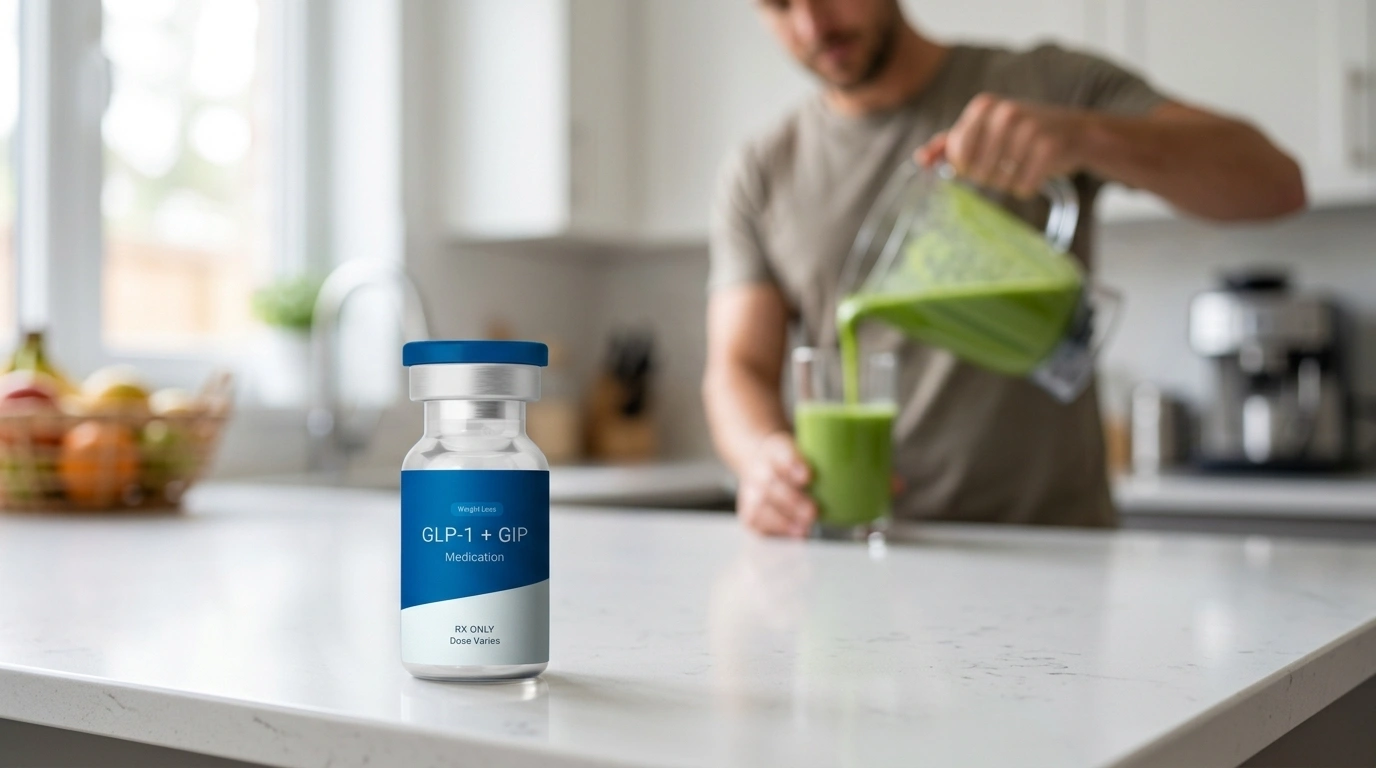
Mounjaro® (tirzepatide) is a medication that belongs to a class known as dual agonist receptor agonists. It works by mimicking two natural hormones in your body: glucagon-like peptide-1 (GLP-1) and glucose-dependent insulinotropic polypeptide (GIP). For a deeper look at the biology behind this process, see our guide on how GLP-1 actually works for weight loss. These hormones play a major role in how your brain and gut communicate about hunger and fullness.
The medication impacts your eating habits in several distinct ways:
- Delayed Gastric Emptying: This is a clinical term for slowing down the speed at which food leaves your stomach. Because food stays in your stomach longer, you feel physically “full” for an extended period.
- Brain Signaling: The medication targets the hunger centers in the brain, effectively “turning down the volume” on food cravings and the constant thoughts about eating, often referred to as “food noise.”
- Insulin Regulation: By improving how your body handles blood sugar, it helps stabilize energy levels, which can reduce the biological “emergency” signals that usually lead to intense hunger.
Key Takeaway: The feeling that you cannot eat is often a combination of your stomach physically staying full and your brain no longer sending the usual “time to eat” signals.
The Difference Between Success and Undernourishment
It is important to distinguish between a healthy reduction in calories and the point where you are no longer meeting your body’s basic needs. While the goal of a weight loss program is to create a calorie deficit, your body still requires a baseline amount of energy to maintain vital functions like heart rate, brain activity, and muscle repair.
Signs you may not be eating enough include:
- Persistent Fatigue: Feeling exhausted even after a full night of sleep.
- Dizziness: Feeling lightheaded, especially when standing up quickly.
- Mental Fog: Difficulty concentrating or a general feeling of being “spaced out.”
- Hair and Nail Changes: Brittle nails or noticing more hair in the brush than usual.
- Cold Intolerance: Feeling chilled even when the room temperature is comfortable.
Physical vs. Mental Appetite Suppression
Sometimes, the issue isn’t just physical fullness. You might experience a change in how food tastes or a sudden aversion to textures that never bothered you before. This is a common experience with GLP-1 and GIP medications. Foods that are high in fat or heavily processed may suddenly seem unappealing, which is actually your body’s way of steering you toward simpler, more nutrient-dense options.
The Risks of Eating Too Little
If you find that you consistently “can’t eat” enough to sustain your energy, it can lead to several complications that may actually stall your progress. For more detail on how tirzepatide-related symptoms can show up and why they vary, our overview of tirzepatide side effects and how to manage them is a useful companion read.
Muscle Loss (Sarcopenia)
When the body is in a severe calorie deficit and does not receive enough protein, it begins to break down muscle tissue for energy. Losing muscle is counterproductive because muscle is metabolically active—it burns more calories at rest than fat. Maintaining muscle mass is essential for keeping your metabolism strong.
Metabolic Adaptation
If you eat too little for an extended period, your body may enter “survival mode.” This is a metabolic adaptation where your body slows down its energy expenditure to conserve what it has. This can lead to a weight loss plateau, where you stop losing weight despite eating very little.
Gallstones and Nutrient Deficiencies
Rapid weight loss caused by extreme calorie restriction increases the risk of developing gallstones. Furthermore, missing out on essential vitamins and minerals like B12, iron, and magnesium can lead to long-term health issues.
Key Takeaway: Weight loss should be a steady marathon, not a sprint. Eating enough protein and nutrients protects your metabolism and ensures the weight you lose is primarily fat, not muscle.
Practical Strategies for When You Have No Appetite
If you are struggling to face a meal, you may need to change how you eat rather than what you eat. Shifting your mindset from “eating for pleasure” to “eating for fuel” can help you stay on track during the first few weeks of treatment or after a dosage increase. Protein-focused guidance can also help when appetite is low, so it may be worth reading our take on what protein is best for weight loss.
1. Prioritize Protein First
Since your stomach space is limited, always eat your protein first. Whether it is chicken, fish, tofu, or eggs, protein is the most critical macro-nutrient for preserving muscle and supporting your immune system.
2. Eat by the Clock, Not by Hunger
On Mounjaro®, you cannot always rely on your body to tell you when it is hungry. You might need to set a schedule. Instead of three large meals, aim for five or six small “nourishment windows” throughout the day. Even if it is just a few bites of Greek yogurt or a handful of almonds, consistent intake keeps your blood sugar stable.
3. Use Liquid Nutrition
When solid food feels too heavy, liquids can be a lifesaver. High-quality protein shakes, bone broth, or fruit and vegetable smoothies can provide calories and nutrients without making you feel overly full.
4. Optimize Nutrient Density
Avoid “empty calories” like soda or white bread. When you can only eat a small amount, every bite needs to count. Choose foods that pack a punch, such as:
- Avocados (healthy fats and fiber)
- Nut butters (energy-dense and protein-rich)
- Greek yogurt (probiotics and protein)
- Leafy greens (micronutrients)
5. Watch Your Hydration
Sometimes, the feeling of “fullness” or nausea is actually a sign of dehydration. However, drinking a large glass of water right before a meal can fill up your stomach and make eating harder. Try to sip water continuously throughout the day, but avoid drinking 30 minutes before and after you eat.
How to Handle Social Situations and Overeating
A common struggle occurs when you are in a social setting and feel “polite” pressure to eat. Overeating while on this medication can lead to significant discomfort, including bloating, reflux, or nausea, because the stomach cannot process the excess food quickly.
Tips for social eating:
- Order Small: Look for appetizer portions or share a main dish.
- Be Honest: It is okay to tell friends that you are focusing on smaller portions for your health.
- Stop Early: As soon as you feel a hint of fullness, stop. The “one more bite” rule does not apply when your gastric emptying is slowed.
When to Consult Your Healthcare Provider
While a reduced appetite is expected, there is a point where you should seek professional guidance. At TrimRx, we believe in a medically supervised approach to ensure your safety throughout your weight loss journey.
Contact a healthcare professional if you experience:
- Inability to keep any food or liquids down for more than 24 hours.
- Weight loss exceeding 2 to 3 pounds per week on a consistent basis.
- Severe abdominal pain or persistent vomiting.
- Signs of severe dehydration, such as dark urine or extreme dizziness.
Your provider may recommend adjusting your dosage or suggest specific supplements to bridge the gap in your nutrition. Our personalized programs are designed to adapt to your body’s needs, providing the support required to manage these transitions. If nutritional support would help you stay on track, you can also look at our GLP-1 Daily Support supplement for a daily option designed to complement treatment.
Note: If you are struggling to meet your nutritional needs, our team may recommend quick-access supplements like GLP-1 Daily Support or Weight Loss Boost to help fill the gaps.
Managing Side Effects That Impact Eating
Often, the reason someone “can’t eat” is not just a lack of hunger, but the presence of side effects like nausea or heartburn. If you want a broader look at how people handle those adjustment periods, our article on managing side effects of tirzepatide injections may be helpful.
- For Nausea: Stick to the “BRAT” diet (Bananas, Rice, Applesauce, Toast) for a day or two to settle your stomach. Ginger tea or peppermint can also help.
- For Heartburn: Avoid lying down immediately after eating. Since food stays in the stomach longer, acid reflux can become more common.
- For Constipation: Ensure you are getting enough fiber and water. If you aren’t eating much, your digestive system may slow down significantly.
How TrimRx Supports Your Journey
Navigating the world of GLP-1 and GIP medications can be confusing, especially when your body starts reacting in new ways. Our platform connects you with licensed healthcare providers who specialize in telehealth-based weight loss. We provide a comprehensive program that includes medical consultations and access to compounded medications from FDA-registered, inspected pharmacies.
We understand that weight loss is not just about a prescription; it is about the support system around it. Our personalized programs are built on your health profile and goals. If you find that your appetite suppression is too intense, you have 24/7 access to specialists who can help you adjust your plan. When you need extra energy support during a calorie deficit, the Weight Loss Boost supplement is another option to consider.
Quick Answer: If you can’t eat on Mounjaro®, it is usually due to the medication slowing your digestion and changing brain signals. To manage this, focus on small, protein-rich snacks, stay hydrated between meals, and consult your provider if you feel weak or dizzy.
Steps to Get Back on Track with Nutrition
Step 1: Assess your intake. Keep a simple log for two days to see exactly how many calories and grams of protein you are consuming. Step 2: Prioritize protein. Aim for at least 60-80 grams of protein daily to protect your muscles. Step 3: Schedule your meals. Don’t wait for hunger; eat small amounts every 3-4 hours. Step 4: Consult a professional. If you cannot meet your minimum intake, speak with your provider about a dosage adjustment. Step 5: Consider supplements. Use targeted support to ensure you are getting the vitamins and minerals your body needs while eating less.
Conclusion
Feeling like you can’t eat on Mounjaro® is a sign that the medication is working, but it requires a proactive approach to prevent undernourishment. By focusing on protein, eating small and frequent meals, and staying hydrated, you can manage this side effect effectively. Remember that the goal is sustainable health, not just a lower number on the scale.
Our mission at TrimRx is to help you embrace a healthier lifestyle through a transparent, science-backed approach. We believe that with the right support and a personalized plan, you can navigate the challenges of weight loss and achieve lasting results. If you are ready to take the next step in your journey, we invite you to take our free assessment quiz to see which program is right for you.
FAQ
How many calories should I eat while on this medication?
Most adults should aim for at least 1,200 to 1,500 calories a day to ensure they are getting enough nutrients, though this varies based on your activity level and starting weight. It is best to work with a provider to determine your specific needs. Focusing on the quality of calories—like lean proteins and fiber—is often more important than the exact number.
Is it okay to skip meals if I am not hungry?
While it might be tempting to skip meals when you have no appetite, it can lead to energy crashes and muscle loss. It is generally better to eat a very small, nutrient-dense snack rather than skipping food entirely for the day. Consistent “fueling” helps keep your metabolism steady and prevents future overeating.
Why does food taste different or unappealing now?
The hormones targeted by the medication can actually alter your perception of taste and reward. Many people find that high-fat, greasy, or very sweet foods no longer provide the same “dopamine hit” or simply taste “off.” This is often a helpful change that makes it easier to choose healthier, whole-food options. If you’re trying to build habits that last beyond the first few months, our article on long-term weight loss success on GLP-1 is worth a read.
What should I do if my appetite suppression is too strong?
If you find it impossible to eat even small amounts, you should contact your healthcare provider. They may suggest a longer period at a lower dose or provide strategies to manage the physical fullness. Never stop or change your medication dosage without consulting a professional first. If you want more structured help deciding whether treatment is right for you, you can complete the free assessment quiz.
Disclaimer: This content is for informational purposes only and does not constitute medical advice. It is not intended to diagnose, treat, cure, or prevent any disease or condition. Individual results may vary. Always consult a qualified healthcare professional before starting any weight loss program or medication.

Transforming Lives, One Step at a Time
Keep reading

Mounjaro Alternatives: What Else to Consider
If Mounjaro isn’t the right fit, the closest alternatives are other GLP-1 medications, chiefly semaglutide (Ozempic for diabetes, Wegovy for weight), along with a…

Mounjaro vs Zepbound: Same Drug, Two Brands
Like their semaglutide counterparts, Mounjaro and Zepbound are the same medication (tirzepatide) sold under two names for two purposes: Mounjaro is approved for type…

Retatrutide vs Mounjaro: Triple Agonist vs Dual Agonist
The core difference between retatrutide and Mounjaro comes down to how many hormone targets each hits: retatrutide activates three receptors, while Mounjaro (tirzepatide) activates…


