Can I Take Berberine With Zepbound? What You Need to Know
Introduction
You may have seen the viral social media posts calling berberine “nature’s Ozempic.” For many people navigating the challenging world of weight management, the idea of combining a natural supplement with a powerful prescription medication like Zepbound® (tirzepatide) is tempting. Whether you are looking to maximize your results or find a way to manage blood sugar more effectively, it is natural to wonder if these two can work together. At TrimRx, we believe in a science-backed, personalized approach to health that prioritizes your safety above all else. This article will explore the potential interactions, benefits, and risks of taking berberine alongside tirzepatide, helping you make an informed choice for your wellness journey. While there is no evidence of a direct drug-to-drug conflict, combining these substances requires a careful understanding of how they each affect your body’s metabolic pathways.
If you are considering prescription weight loss treatment, you can complete a free eligibility assessment to learn whether a personalized program may be appropriate for you.
What is Berberine?
Berberine is a bioactive compound that is extracted from several different plants, including goldenseal, barberry, and Oregon grape. It belongs to a class of compounds called alkaloids and has been used in traditional medicine for centuries. In recent years, it has gained significant attention in the West for its potential to support metabolic health.
The primary way berberine works is by activating an enzyme inside cells called AMP-activated protein kinase (AMPK). This enzyme is often referred to as a “metabolic master switch” because it plays a crucial role in regulating metabolism and energy levels. By activating AMPK, berberine can help the body improve insulin sensitivity and support how the body processes sugar in the blood.
For a closer look at how berberine compares with GLP-1 medications, read this guide to berberine and GLP-1 differences.
Research suggests that berberine may offer modest support for weight management. Some clinical reviews have shown that individuals taking berberine may lose a small amount of weight—often averaging around four to five pounds over several months—when combined with lifestyle changes. While it is frequently compared to GLP-1 medications in headlines, its effects are generally much more subtle than prescription options.
What is Zepbound®?
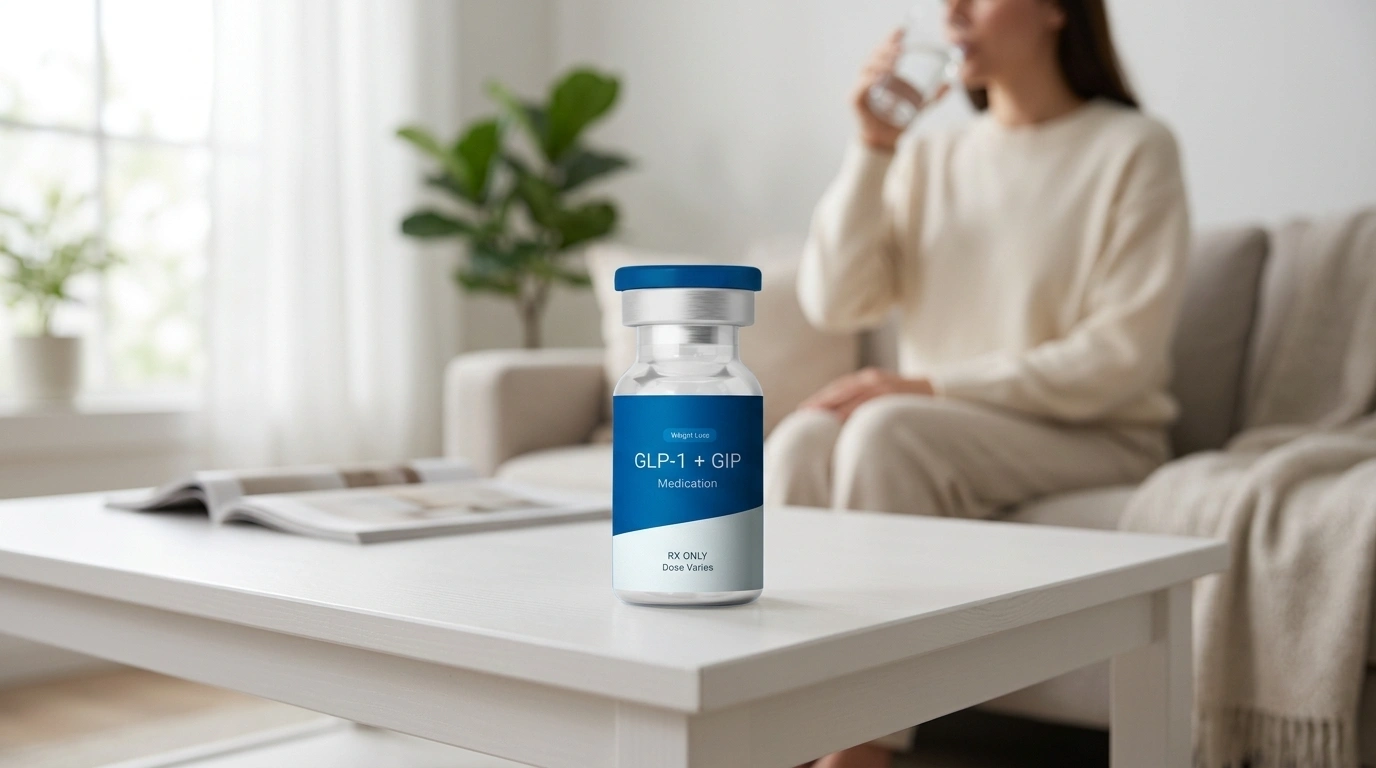
Zepbound® is a prescription medication that was recently FDA-approved for chronic weight management. The active ingredient in Zepbound is tirzepatide. This medication is unique because it is a dual agonist, meaning it mimics two different hormones in the body: glucagon-like peptide-1 (GLP-1) and glucose-dependent insulinotropic polypeptide (GIP).
These hormones are naturally produced by the gut in response to eating. They help regulate appetite by sending signals to the brain that you are full. They also slow down the speed at which food leaves the stomach, a process known as gastric emptying. Furthermore, tirzepatide helps the pancreas release the right amount of insulin when blood sugar levels are high.
Because it targets two hormonal pathways rather than just one, tirzepatide is considered highly effective. Clinical trials have shown that many people taking this medication can lose a significant percentage of their body weight when the treatment is paired with a reduced-calorie diet and increased physical activity.
For additional background, read this explanation of how GLP-1 medications work.
Key Takeaway: Zepbound is a potent prescription dual-hormone agonist, while berberine is a natural plant alkaloid that works primarily through the AMPK pathway. Both affect metabolism but through different mechanisms.
Can I Take Berberine With Zepbound?
The short answer is that you should never start a new supplement while on a prescription medication without consulting your healthcare provider. However, from a strictly clinical perspective, there is currently no documented evidence of a direct, dangerous interaction between berberine and tirzepatide.
That does not mean the combination is without risk. Because both substances influence how your body handles glucose (blood sugar), taking them together could lead to “additive effects.” This means the combined impact might be stronger than intended, which can lead to specific health concerns.
If you want to discuss whether prescription treatment fits your health profile, you can take the free assessment quiz.
The Risk of Hypoglycemia
One of the most significant concerns when combining any blood-sugar-lowering agents is hypoglycemia, or dangerously low blood sugar. Zepbound is designed to lower blood sugar in a glucose-dependent way, meaning it usually only triggers insulin release when your sugar is high. However, berberine also works to increase insulin sensitivity and lower glucose levels.
If you combine them, your blood sugar could potentially drop lower than it would on either substance alone. This risk is especially high for individuals who have type 2 diabetes or those who are already taking other medications like insulin or sulfonylureas. Symptoms of low blood sugar can include:
- Dizziness or lightheadedness
- Shaky hands or tremors
- Sudden sweating or chills
- Confusion or irritability
- Rapid heartbeat
Delayed Absorption and Gastric Emptying
Tirzepatide works partly by slowing down the rate at which your stomach empties. This is a deliberate effect that helps you feel full for longer periods. However, this delay can change how your body absorbs oral medications and supplements.
Because berberine is taken orally, usually in capsule form, the slowed gastric emptying caused by Zepbound may change how much berberine is absorbed into your bloodstream and how quickly it takes effect. This makes the results of taking berberine unpredictable when you are also on a GLP-1 or GIP medication.
Overlapping Side Effects
Both berberine and Zepbound are known to cause gastrointestinal (GI) side effects. When you start a GLP-1 or GIP medication, your body needs time to adjust to the hormonal changes. Common side effects include nausea, diarrhea, and stomach cramps.
For more information about managing these symptoms, read this guide to tirzepatide side effects.
Berberine is also notorious for causing digestive upset in some users, particularly when taken in high doses. If you take both simultaneously, you may experience:
- Increased frequency of diarrhea
- Worsened abdominal bloating
- More intense nausea
- Constipation
For someone already dealing with the “adjustment phase” of a prescription weight loss program, adding berberine might make the side effects much harder to manage. At TrimRx, we focus on helping you find a balance that minimizes discomfort while maximizing your progress.
Note: If you experience severe or persistent gastrointestinal distress while taking these substances, contact your healthcare provider immediately.
Why Do People Want to Combine Them?
The primary motivation for most people is “biohacking” their weight loss. There is a common misconception that if one treatment works well, adding a second treatment will make it work twice as fast. However, the human body is a complex system of checks and balances.
Some people believe that because berberine activates AMPK, it might provide a “metabolic boost” that complements the appetite-suppression effects of tirzepatide. While the theory is interesting, there is no clinical data to prove that this combination leads to faster or more sustainable weight loss. In fact, the added GI stress could actually hinder your progress if it prevents you from eating enough protein or staying hydrated.
Comparing the Effectiveness
It is helpful to look at the scale of impact each of these options has. Berberine is often touted as a “natural alternative,” but the clinical reality is quite different.
| Feature | Berberine | Zepbound® (Tirzepatide) |
|---|---|---|
| Class | Herbal Supplement | Dual GIP/GLP-1 Receptor Agonist |
| How it’s taken | Oral Capsules (daily) | Weekly Injection |
| Primary Mechanism | AMPK Activation | Hormonal Mimicry (GIP/GLP-1) |
| FDA Status | Not FDA-approved for weight loss | FDA-approved for weight loss |
| Typical Weight Loss | Modest (approx. 4-5 lbs) | Significant (15-20% of body weight) |
| Availability | Over-the-counter | Prescription only |
When you look at the data, the weight loss potential of tirzepatide is significantly higher than that of berberine. For many individuals, the prescription medication is more than sufficient on its own, making the addition of an unregulated supplement unnecessary.
Managing the Combination Safely
If your doctor does give you the green light to take both, there are ways to manage the process to minimize risks.
Step 1: Stagger Your Start Dates
Never start both at the same time. If you are beginning a program with us, we recommend getting settled on your prescription medication first. This allows you to understand how your body reacts to the medication before introducing a supplement.
Step 2: Monitor Your Blood Sugar
Even if you do not have diabetes, keep a close eye on how you feel. If you notice signs of low blood sugar, such as feeling faint between meals, the combination may be too strong for your system.
Step 3: Watch Your Dosage
Berberine is typically taken in doses of 500 mg, three times a day. If you are combining it with a prescription medication, your provider might suggest a much lower dose to see how your stomach handles the dual load.
Step 4: Prioritize Hydration
Both substances can affect your digestive system. Staying hydrated is essential to prevent constipation and to help your kidneys process the treatments effectively.
The Role of Personalized Programs
Weight loss is not a one-size-fits-all experience. What works for a friend might not be safe or effective for you. This is why a telehealth-first approach is so valuable. By working with licensed providers who understand your full medical history, you can avoid the “trial and error” that often leads to side effects or stalled progress.
Our platform connects you with specialists who can evaluate whether a supplement like berberine is a helpful addition or a redundant risk. We provide access to compounded medications, such as Compounded Tirzepatide, which are prepared by FDA-registered, inspected compounding pharmacies. These programs are tailored specifically to your needs, often including necessary support to manage your journey effectively.
Potential Benefits of Berberine (On Its Own)
While we are cautious about the combination, it is important to acknowledge why berberine is popular. For individuals who are not yet ready for prescription medication or who have contraindications for GLP-1s, berberine can be a useful tool for metabolic health.
Studies have shown that berberine may help:
- Support healthy cholesterol levels (LDL and triglycerides)
- Promote a healthy gut microbiome
- Assist in maintaining blood sugar levels already within the normal range
- Provide antioxidant support to the body
However, these benefits are best achieved when berberine is part of a holistic plan that includes a balanced diet and regular movement.
Myths vs. Facts About Berberine and Zepbound®
Myth: Berberine is exactly the same as Ozempic® or Zepbound®. Fact: They are entirely different. Berberine is a plant extract that activates an enzyme (AMPK). Zepbound is a synthetic peptide that mimics human hormones (GIP and GLP-1). Their potency and mechanisms of action are not comparable.
Myth: Taking berberine will stop “muscle wasting” on Zepbound. Fact: There is no clinical evidence that berberine prevents the muscle loss that can occur during rapid weight loss. The best way to protect muscle is through adequate protein intake and resistance training.
Myth: You can get better results by “stacking” supplements. Fact: Stacking unregulated supplements with powerful prescriptions often leads to more side effects rather than better results. High-quality weight loss is about consistency and metabolic health, not just “more is better.”
When to Talk to a Professional
If you are currently taking Zepbound and considering adding a berberine supplement, you should stop and schedule a consultation. This is especially critical if you fall into any of the following categories:
- You have a history of kidney or liver issues.
- You are pregnant or planning to become pregnant.
- You have a history of pancreatitis or gallbladder disease.
- You are taking other medications for blood pressure or heart health.
Professional guidance ensures that you aren’t putting unnecessary strain on your organs. A licensed provider can also help you determine if your “weight loss plateau” is actually a plateau or just a normal part of the process that doesn’t require extra supplementation.
Better Ways to Support Your Journey
Instead of looking for a “miracle” supplement stack, there are evidence-based ways to enhance the effects of your weight loss program. At TrimRx, we focus on lifestyle integration and supplemental support that is specifically designed for people on GLP-1 and GIP medications.
Instead of berberine, you might consider:
- GLP-1 Daily Support: A supplement designed to provide the micronutrients your body needs while on a calorie-restricted program. You can explore the GLP-1 Daily Support supplement.
- Weight Loss Boost: Options that focus on energy and metabolism without interfering with your prescription’s hormonal pathways. You can review the Weight Loss Boost supplement.
- High-Protein Dieting: Ensuring you get 0.8g to 1g of protein per pound of lean body mass to support muscle retention.
- Fiber Intake: Using natural fiber sources to support the digestive system while it manages the effects of slowed gastric emptying.
For additional nutrition guidance, read this guide to protein supplements for weight loss.
Bottom Line: While there is no direct evidence that taking berberine with Zepbound is toxic, the risk of low blood sugar and increased gastrointestinal side effects makes it a combination that should only be used under strict medical supervision.
Conclusion
The journey toward a healthier weight is often paved with questions about the “latest and greatest” ways to speed up the process. While berberine has earned its place as a respected natural supplement for metabolic health, it is not a substitute for—nor a guaranteed partner for—prescription medications like Zepbound. The power of tirzepatide lies in its sophisticated hormonal mimicry, a process that is often sufficient on its own to drive significant health improvements.
At TrimRx, our mission is to help you navigate these choices with clarity and confidence. We believe that sustainable weight loss comes from a personalized program that respects your body’s unique chemistry. Rather than experimenting with unregulated supplements that may cause unnecessary digestive distress or blood sugar crashes, we encourage you to stick to a medically supervised plan tailored to your health profile. If you are ready to take the next step in your wellness journey with a team that values transparency and science, we invite you to take our free assessment quiz to see which personalized program is right for you.
FAQ
Does berberine interfere with the effectiveness of Zepbound®?
There is no current evidence suggesting that berberine makes Zepbound less effective. However, because Zepbound slows down digestion, it may change how your body absorbs the berberine supplement, potentially making the supplement’s effects less predictable.
Can berberine help with the side effects of Zepbound®?
Generally, no. In many cases, berberine may actually worsen side effects like nausea, bloating, and diarrhea because both the supplement and the medication affect the gastrointestinal tract. It is better to manage side effects through diet, hydration, and consultation with your provider.
Is berberine “Nature’s Ozempic” or “Nature’s Zepbound”?
While the nickname is popular online, it is medically inaccurate. Berberine works through the AMPK pathway, while medications like Zepbound work through the GIP and GLP-1 hormonal pathways. The weight loss results seen with Zepbound are typically much more significant than those seen with berberine.
What should I do if I feel dizzy while taking both?
Dizziness can be a sign of hypoglycemia (low blood sugar). If you feel faint, shaky, or confused, you should consume a small amount of fast-acting sugar (like juice or a glucose tablet) and contact your healthcare provider immediately. You should stop taking the supplement until you have received medical clearance.
Disclaimer: This content is for informational purposes only and does not constitute medical advice. It is not intended to diagnose, treat, cure, or prevent any disease or condition. Individual results may vary. Always consult a qualified healthcare professional before starting any weight loss program or medication.

Transforming Lives, One Step at a Time
Keep reading

Kids’ Birthday Party on Zepbound
If you have young children, birthday parties are a regular part of life: your own child’s, and the steady stream of classmates’ parties most…
Water Aerobics on Zepbound
For people with painful knees, hips, or backs, water aerobics and pool exercise are often the first kind of exercise that feels possible. The…

New Year’s Eve on Zepbound
New Year’s Eve is built around staying up late. There is usually a big dinner or a party spread, drinks through the evening, champagne…


