What Happens If You Take Too Much Mounjaro?
Introduction
You are standing in your bathroom, looking at your medication pen, and a wave of panic hits you. Did you just inject a second dose by mistake? Or perhaps you were so eager for results that you intentionally adjusted your dose without a provider’s guidance. This is a common moment of anxiety for many on their weight loss journey. At TrimRx, we understand that managing new medications can feel overwhelming, especially when the stakes for your health feel so high. This article covers the physical risks of taking too much Mounjaro®, the immediate symptoms of an overdose, and the exact steps you should take to protect yourself. Understanding how your body reacts to high levels of tirzepatide is the first step toward a safer, more sustainable path to your health goals.
If you are considering a medically supervised prescription program, you can complete a free eligibility assessment.
The Science of Tirzepatide and Dosing
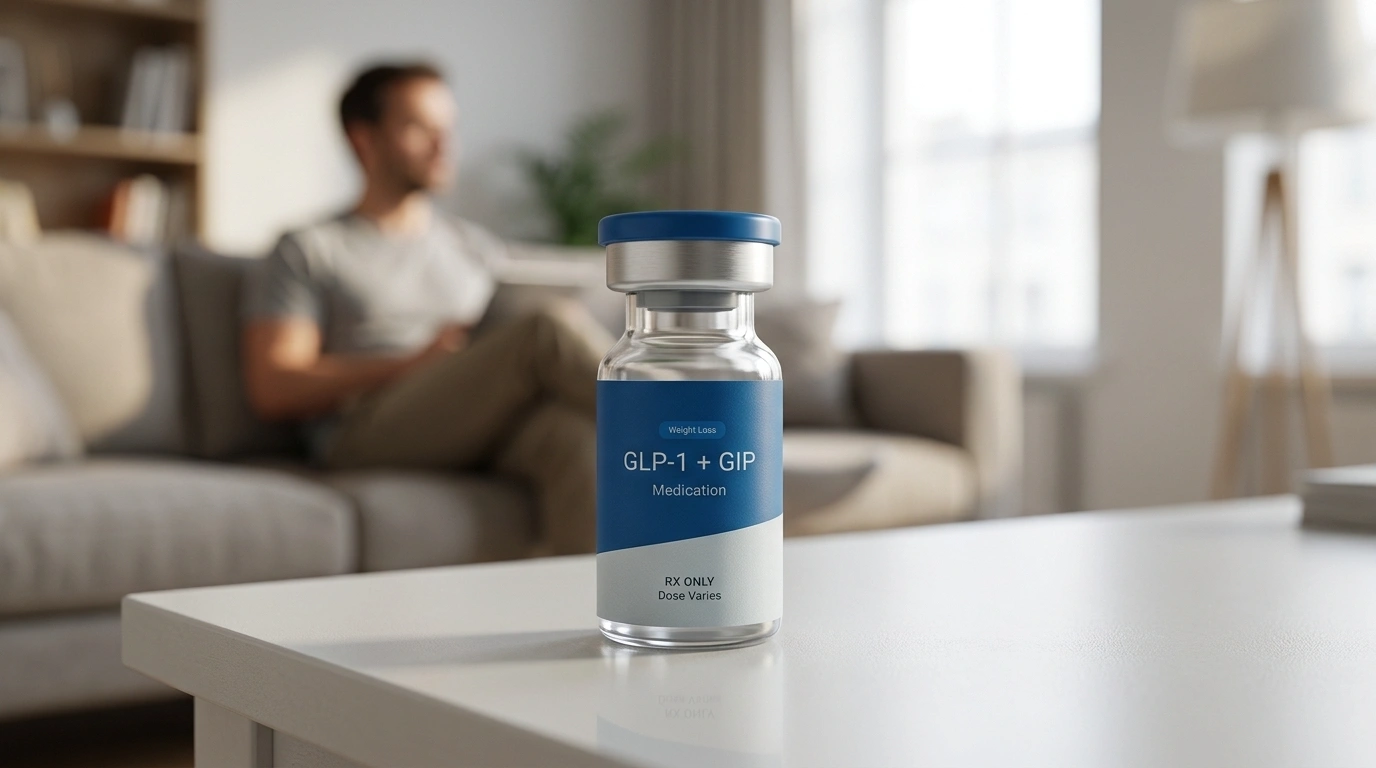
To understand what happens when there is too much of this medication in your system, we first need to look at how it works. Mounjaro® is a brand-name medication containing the active ingredient tirzepatide. It is a dual agonist, meaning it mimics two different hormones in your body: glucagon-like peptide-1 (GLP-1) and glucose-dependent insulinotropic polypeptide (GIP). These hormones naturally occur in the gut and are responsible for telling your brain you are full and helping your pancreas manage blood sugar.
When you take a prescribed dose, the medication slows down gastric emptying—the rate at which food leaves your stomach—and signals the satiety centers in your brain. However, when you take too much, these signals become hyper-activated. The “slow down” signal to your stomach becomes a “stop” signal, which can lead to severe gastrointestinal distress.
Key Takeaway: Because tirzepatide affects two different hormonal pathways (GLP-1 and GIP), an overdose can overwhelm the digestive and metabolic systems more intensely than single-hormone medications.
For additional background, read this guide to how tirzepatide works and how its doses are managed.
The Importance of the Titration Schedule
The reason healthcare providers use a titration schedule is specifically to prevent the body from being overwhelmed. Titration is the process of starting at a very low dose and slowly increasing it over several months. Typically, a person starts at 2.5 mg once weekly for four weeks. This allows the digestive system to adapt to the delayed gastric emptying.
If you skip several levels and move to a high dose—such as 15 mg—without the proper buildup, or if you accidentally double your current dose, your body is not prepared. The receptors in your brain and gut are suddenly flooded with hormones, leading to the symptoms commonly associated with an overdose.
You can also review this tirzepatide dose and titration guide for more information about gradual dose increases.
Recognizing the Symptoms of Taking Too Much
If you have taken too much Mounjaro®, your body will likely let you know fairly quickly. While common side effects like mild nausea or a bit of fatigue are normal during the first few weeks of any GLP-1 or GIP treatment, an overdose pushes these sensations into a dangerous territory.
Severe Gastrointestinal Distress
The most immediate sign that your dose was too high is uncontrollable nausea and vomiting. Unlike the mild “queasiness” some patients feel, an overdose often results in projectile vomiting or an inability to keep even water down. Because the medication has essentially “paralyzed” the normal movement of the stomach, anything you eat or drink stays there too long, leading to intense pressure and discomfort.
Signs of Dehydration
When you cannot stop vomiting or experience severe diarrhea, dehydration becomes the primary concern. Dehydration is a condition where the body lacks enough fluid to function properly. You may notice:
- Extreme thirst or a very dry mouth.
- Dark-colored urine or not needing to urinate for many hours.
- Dizziness or feeling lightheaded when you stand up.
- Confusion or unusual irritability.
For more information about recognizing problems after a medication dosing error, read what to do after taking too much Mounjaro.
Severe Abdominal Pain
While some cramping is common, “taking too much” can lead to a more serious condition called pancreatitis, which is inflammation of the pancreas. This usually presents as severe pain in the upper stomach area that may radiate to your back. If the pain is so intense that you cannot sit still or find a comfortable position, this is a medical emergency.
Bottom line: Mild side effects are manageable, but if you cannot hold down liquids or experience debilitating stomach pain, your dose may be too high and requires medical intervention.
Immediate Steps to Take After an Overdose
If you realize you have injected more than your prescribed dose, do not wait for symptoms to become unbearable. Taking proactive steps can help mitigate the risks of severe complications.
Step 1: Contact your healthcare provider immediately. Explain exactly how much you took and at what time. They can provide specific guidance based on your medical history and current health status.
Step 2: Call the Poison Control Center. In the United States, you can reach them at 1-800-222-1222. They have toxicologists who specialize in medication errors and can advise you on whether you need to head to the emergency room.
Step 3: Monitor your blood sugar levels. If you have access to a glucose monitor, check your levels frequently. Excess tirzepatide can lead to hypoglycemia, or dangerously low blood sugar, especially if you are also taking other medications like insulin or sulfonylureas.
Step 4: Do not attempt to “neutralize” the medication. There is no at-home way to remove the medication once it has been injected. Do not try to induce vomiting or take excessive laxatives, as this will only worsen dehydration and electrolyte imbalances.
For additional guidance about returning to a safe schedule, review this tirzepatide dosing and missed-dose guide.
Warning: If you experience difficulty breathing, swelling of the face or throat, or a rapid heartbeat, call 911 immediately, as these may be signs of a severe allergic reaction rather than just an overdose.
Serious Medical Complications to Watch For
While most people who take a slightly higher dose than intended will experience a few days of intense discomfort, a significant overdose can lead to lasting medical issues. This is why our platform emphasizes the importance of following a medically supervised plan.
Acute Kidney Injury
The kidneys rely on a steady flow of fluids to filter waste from your blood. If an overdose leads to severe vomiting and diarrhea, the resulting dehydration can cause the kidneys to struggle or even fail. This is known as acute kidney injury. It is often reversible if treated quickly with IV fluids in a hospital setting, but it is a serious risk of taking too much medication.
Pancreatitis and Gallbladder Issues
As mentioned earlier, the pancreas is highly sensitive to the hormones Mounjaro mimics. An overdose can trigger a sharp inflammatory response. Similarly, the gallbladder can be affected. Rapid changes in how your body processes fats and the slowing of the digestive system can lead to gallstones or gallbladder inflammation.
Severe Hypoglycemia
For individuals with type 2 diabetes, the primary risk of an overdose is a “crash” in blood sugar. Signs of hypoglycemia include shakiness, sweating, confusion, and, in extreme cases, seizures or loss of consciousness. It is vital to have a source of fast-acting glucose, like glucose tablets or juice, on hand if you suspect a dosing error.
Myth: Taking more Mounjaro® will help you lose weight twice as fast.
Fact: Taking more than your prescribed dose will not speed up sustainable weight loss; instead, it causes severe illness that can halt your progress and harm your organs.
How to Prevent Dosing Errors
Most cases of taking too much happen by accident. Perhaps you forgot you already took your shot, or you misinterpreted the markings on a syringe if you are using a vial-based system. Prevention is the best medicine when it comes to GLP-1 and GIP receptor agonists.
Following the “Missed Dose” Protocol
One of the most common ways people overdose is by trying to “make up” for a missed dose. If you miss your weekly injection, follow these standard safety rules:
- If it has been 4 days (96 hours) or less since your scheduled day, take the dose as soon as you remember.
- If it has been more than 4 days, skip the missed dose entirely and wait for your next regularly scheduled day.
- Never take two doses within 3 days (72 hours) of each other.
- Never “double up” on your next dose to compensate for a skip.
Read this step-by-step guide to missed tirzepatide doses for additional scheduling guidance.
Proper Administration Techniques
If you are using a pen, ensure you hear the “click” and see the gray plunger. If you are using compounded tirzepatide, which we may facilitate through our partner providers, it is crucial to understand the “units” on your syringe. Compounded medications are personalized prescriptions prepared by FDA-registered, inspected compounding pharmacies. They are often delivered in vials, meaning you must manually draw the medication into a syringe.
Always double-check the volume measured in “units” or “mL” against your prescription label. If the liquid in the vial looks cloudy or has particles in it, do not use it. At TrimRx, we provide our members with clear instructions and 24/7 access to specialists to ensure there is no confusion during the administration process.
The Role of Professional Supervision
The dangers associated with taking too much medication highlight why “DIY” weight loss or using medications without a legitimate clinical platform is so risky. When you work with a service like ours, you aren’t just getting a prescription; you are getting a dedicated team that monitors your progress and titration.
Our personalized programs are designed to find the “lowest effective dose.” This means we want you to lose weight and improve your metabolic health using the smallest amount of medication necessary to see results. This approach significantly reduces the risk of side effects and prevents the accidental toxicity that can come from aggressive dosing.
If you are currently struggling with side effects or are worried about your dosage, you should consult with a licensed healthcare provider. They can determine if your dose needs to be adjusted or if you need supportive care like anti-nausea medication.
If you are ready to explore a supervised prescription program, you can see if you qualify for a personalized program.
Understanding Drug Interactions
Taking “too much” isn’t always about the quantity of Mounjaro® alone. It can also refer to taking a standard dose while also using other substances that amplify the medication’s effects.
Oral Medications
Because tirzepatide slows down how fast your stomach empties, it can change how your body absorbs other pills you take by mouth. This is particularly important for:
- Oral Contraceptives: Birth control pills may not be absorbed as effectively during the first few weeks of treatment or after a dose increase.
- Pain Medications: The onset of action for pain relief may be delayed.
- Antibiotics: The timing of your medication can be critical for fighting infection.
Alcohol Consumption
Drinking alcohol while on a high dose of Mounjaro® can be a recipe for disaster. Alcohol can irritate the stomach lining and increase the risk of low blood sugar. When combined with the delayed gastric emptying of the medication, even one or two drinks can lead to extreme nausea and a “hangover” that feels significantly worse than usual.
The TrimRx Approach to Safety
Our mission is to help you embrace a healthier lifestyle through a transparent and science-backed approach. We believe that sustainable weight loss is a marathon, not a sprint. By focusing on personalization, we ensure that your treatment plan respects your body’s unique limits.
When you join our program, your journey starts with a comprehensive assessment. This allows a licensed provider to understand your medical history, including any previous issues with your pancreas, kidneys, or thyroid. This high level of oversight is designed to prevent the very situations—like dosing errors and severe side effects—that cause so much anxiety for patients.
We provide more than just the medication; we offer a supportive environment where you can ask questions and receive guidance at every step. Whether you are using Mounjaro®, Zepbound®, or compounded tirzepatide, your safety is the cornerstone of our service.
Key Takeaway: Real weight loss results come from consistency and safety, not from taking the highest possible dose. A supervised program ensures you stay within the “therapeutic window” where the drug works without causing harm.
To learn more about medication scheduling, read how often tirzepatide should be taken.
Managing the Emotional Weight of a Mistake
If you have already taken too much and are currently feeling the physical effects, it is easy to fall into a cycle of guilt or shame. You might feel like you’ve “messed up” your progress or put your health at risk. It is important to remember that mistakes happen, and the most important thing you can do now is seek help and be honest with your provider.
Once the symptoms pass—and they will, as the medication naturally clears your system—you can work with your clinical team to reset. This might involve staying at a lower dose for a longer period or taking a short break from the medication to allow your digestive system to recover. Your weight loss journey is not over because of one dosing error; it is simply a moment to pause and refine your approach with professional help.
Summary of Safe Dosing Practices
To keep your journey on track and avoid the dangers of taking too much Mounjaro®, keep these five rules in mind:
- Always follow the exact dosage written on your prescription label.
- Never increase your dose sooner than every four weeks unless specifically directed by your provider.
- Use a calendar or a phone app to track your injection days to avoid “double-dosing.”
- If you use vials and syringes, have a second person double-check your “unit” count until you are confident in the process.
- Stay hydrated. Water is your best defense against the complications that arise if you accidentally take too much.
By following these guidelines and staying in close contact with your medical team, you can harness the power of GIP and GLP-1 medications safely and effectively.
Conclusion
Taking too much Mounjaro® can be a frightening experience, resulting in severe nausea, dehydration, and potentially serious complications like pancreatitis or kidney distress. However, being informed is your best defense. If an error occurs, prioritize reaching out to a healthcare professional or Poison Control immediately. Remember that the key to lasting success is not how fast you can increase your dose, but how consistently you can maintain a healthy, supervised program. At TrimRx, we are dedicated to providing the clinical expertise and personalized support needed to navigate these medications safely. We focus on science and empathy to ensure your path to metabolic health is both effective and secure. If you are ready to start a program built on medical supervision and tailored care, taking the free assessment quiz is the best next step toward achieving your goals safely.
FAQ
Can you overdose on Mounjaro®?
Yes, it is possible to take too much tirzepatide, which can lead to severe gastrointestinal distress, dehydration, and metabolic imbalances. An overdose typically happens through accidental double-dosing or by increasing the dose too quickly without following a proper titration schedule. If you suspect an overdose, you should contact a healthcare provider or Poison Control immediately.
What should I do if I accidentally double my dose?
If you accidentally inject a second dose, do not wait for symptoms to appear. Contact your prescribing physician or call the national Poison Control hotline at 1-800-222-1222. Monitor yourself closely for severe vomiting, intense abdominal pain, or dizziness, and ensure you are drinking plenty of fluids to prevent dehydration while the medication works through your system.
If you need help determining whether a supervised treatment plan is appropriate, you can complete a free assessment.
How long do Mounjaro® overdose symptoms last?
Because Mounjaro® is a once-weekly medication, it has a long half-life, meaning it stays in your system for a significant amount of time. Symptoms of an overdose can last several days, and in some cases, the most intense gastrointestinal effects may persist for a week until the levels in your bloodstream begin to drop. Medical supervision is often required during this time to manage symptoms and maintain hydration.
Will taking too much Mounjaro® hurt my kidneys?
Taking an excessive dose does not directly “poison” the kidneys, but the side effects of an overdose—specifically severe and prolonged vomiting or diarrhea—can lead to acute kidney injury. This happens when the body becomes so dehydrated that the kidneys do not have enough fluid to filter blood properly. Staying hydrated and seeking medical care for uncontrollable vomiting is essential to protecting your kidney function.
Disclaimer: This content is for informational purposes only and does not constitute medical advice. It is not intended to diagnose, treat, cure, or prevent any disease or condition. Individual results may vary. Always consult a qualified healthcare professional before starting any weight loss program or medication.

Transforming Lives, One Step at a Time
Keep reading
When You and Your Spouse Are Both on Mounjaro
It is increasingly common for both people in a couple to be on the same medication. Sometimes one partner starts and the other follows…
Black Friday Shopping on Mounjaro
For a lot of families, Black Friday is a tradition: lining up before dawn, racing through stores with a list, and shopping until the…

Mounjaro Alternatives: What Else to Consider
If Mounjaro isn’t the right fit, the closest alternatives are other GLP-1 medications, chiefly semaglutide (Ozempic for diabetes, Wegovy for weight), along with a…


