Can You Donate Plasma If You Take Mounjaro?
Introduction
Choosing to give back to your community through plasma donation is a noble decision that supports life-saving medical treatments for thousands of people. At the same time, starting a journey toward better metabolic health with medications like Mounjaro® often leads to questions about how these treatments intersect with your daily life and philanthropic goals. Many individuals worry that the presence of a once-weekly injection in their system might automatically disqualify them from being a donor.
At TrimRx, we believe that understanding the science behind your treatment is the first step toward achieving your wellness goals while continuing to help others. Generally, taking Mounjaro does not prevent you from donating plasma. The primary factors that determine your eligibility are the stability of your underlying health condition, your hydration levels, and the presence of active side effects on the day of your appointment. This article explores the guidelines for plasma donation while on tirzepatide and how you can prepare for a safe, successful experience.
Understanding Mounjaro and the Donation Process
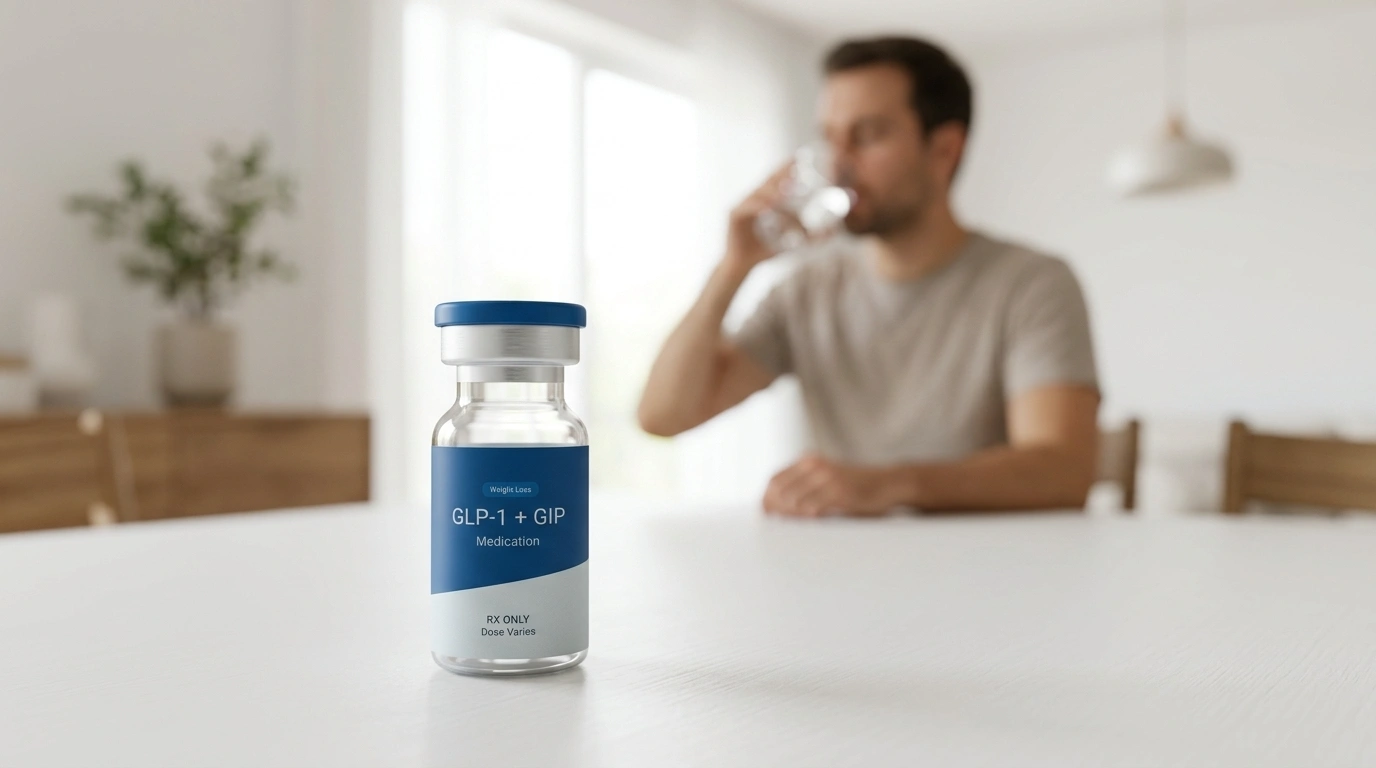
Mounjaro® is a prescription medication with the active ingredient tirzepatide. It is a dual agonist, which means it mimics two natural hormones in the body: glucagon-like peptide-1 (GLP-1) and glucose-dependent insulinotropic polypeptide (GIP). These hormones help regulate blood sugar, slow down the rate at which your stomach empties, and signal to your brain that you are full. Because it remains in your system for several days, it is administered as a once-weekly injection.
Plasma donation, or plasmapheresis, is different from a standard whole blood donation. During the process, your blood is drawn and passed through a specialized machine that separates the plasma—the clear, liquid portion of the blood—from the red blood cells and other components. The machine then returns your red blood cells and a saline solution to your body.
Quick Answer: Yes, you can typically donate plasma while taking Mounjaro. It is not listed on the standard medication deferral lists for major U.S. donation centers. Your eligibility usually depends on being medically stable, well-hydrated, and free of significant side effects.
Are GLP-1 and GIP Medications Disqualifying?
The Food and Drug Administration (FDA) and major organizations like the American Red Cross maintain a "Medication Deferral List." These lists focus on drugs that could potentially harm a recipient or affect the safety of the donor. Common examples of deferred medications include blood thinners, certain acne treatments like isotretinoin, and medications that can cause birth defects.
Currently, Mounjaro and other medications in its class are not on these deferral lists. Because tirzepatide works on natural hormonal pathways and does not thin the blood or pose a known risk to the plasma supply, it is generally considered safe. However, while the medication itself is permitted, the center’s medical staff will evaluate you based on your overall health and the reason for your prescription.
Key Takeaway: Eligibility to donate plasma while on Mounjaro is less about the drug itself and more about how your body is responding to the treatment and the stability of your health.
Factors That Influence Your Eligibility
When you walk into a donation center, you will undergo a screening process that includes a health questionnaire and a check of your vitals. Several factors related to your Mounjaro treatment may influence the outcome of this screening.
1. Medical Stability and Indication
If you are taking Mounjaro to manage type 2 diabetes, the center will ensure your blood sugar levels are well-controlled. Most centers require that you have not had recent episodes of severe hypoglycemia (low blood sugar) or a hospitalization related to your condition in the past year. If you are using the medication for weight management, the focus will be primarily on your vital signs and general well-being.
If you are exploring whether a prescription weight management program may be appropriate for you, you can complete a free eligibility assessment.
2. Dose Stability
Many donation centers, such as CSL Plasma or BioLife, prefer that you have been on a stable dose for at least two to four weeks. If you recently increased your dosage and are experiencing new or worsening side effects, a center may temporarily defer you until your body acclimates to the change. This is for your safety, as the fluid shifts during donation can be harder on the body during a titration period.
For additional information about dose changes and common reactions, review this guide to tirzepatide side effects.
3. Hydration and Fluid Balance
Mounjaro can sometimes reduce your natural thirst drive. Since plasma is approximately 90% water, being well-hydrated is essential for a successful donation. If you are dehydrated, the donation process will take significantly longer, the machine may struggle to draw blood, and you are much more likely to feel faint or dizzy afterward.
For more strategies, read this guide to hydration on tirzepatide.
4. Protein and Hemoglobin Levels
Before every donation, staff will check your total protein and hemoglobin (iron) levels with a small finger-prick test. Because Mounjaro suppresses appetite, some individuals may inadvertently reduce their protein intake too much. If your protein or iron levels fall below the required threshold, you will be deferred until you can raise them through diet or supplementation.
Learning how protein supports weight management may help you plan more balanced meals; this protein guide for weight loss offers additional background.
Managing Side Effects for a Safe Donation
The primary reason a donor on Mounjaro might be turned away is not the name of the medication, but the presence of active side effects. If you are struggling with the transition to your medication, it is best to wait until you feel 100% healthy before heading to the center.
- Nausea and Vomiting: Active gastrointestinal distress is a major hurdle. These symptoms lead to rapid fluid loss and dehydration. If you appear pale or report recent vomiting, the medical staff will defer you to prevent a vasovagal reaction (fainting) during the procedure.
- Resting Heart Rate: Some patients report a slight increase in resting heart rate when taking tirzepatide. Donation centers typically require your pulse to be between 50 and 100 beats per minute. If your heart rate is consistently above 100, you may be deferred for the day.
- Blood Pressure: Mounjaro can sometimes lead to lower blood pressure, especially if you aren't eating or drinking enough. Since the donation process temporarily removes fluid volume, starting with low blood pressure increases the risk of feeling unwell during or after the session.
For a closer look at early symptoms and practical preparation, see what to expect after the first dose of tirzepatide.
Myth: Taking Mounjaro means your plasma is "tainted" and cannot be used for patients.
Fact: Mounjaro is a synthetic peptide that does not disqualify the plasma from being processed into life-saving therapies. The medication is not considered harmful to the safety of the plasma supply.
Branded vs. Compounded Tirzepatide
Many individuals access metabolic support through personalized programs that utilize compounded medications. It is important to understand that while compounded tirzepatide is not FDA-approved, it is often prepared and shipped by FDA-registered, inspected compounding pharmacies. These medications contain the same active ingredients as their branded counterparts.
When disclosing your medications at a donation center, you should provide the clinical name—tirzepatide—and mention that it is a prescribed medication. Most centers treat compounded versions the same as branded ones for eligibility purposes, provided you are medically stable and the medication was prescribed by a licensed provider. Our platform connects you with these licensed professionals to ensure your personalized program is supervised with your total health in mind.
If you are considering a prescription program, find out if GLP-1 medications may be right for you.
Comparing Donation Center Guidelines
While the federal framework allows for donation on Mounjaro, individual centers have the discretion to set stricter rules. Below is a general comparison of how major organizations typically handle GLP-1 and GIP medications.
| Organization | GLP-1/GIP Status | Key Eligibility Requirements |
|---|---|---|
| American Red Cross | Generally Allowed | Stable condition; no recent severe hypoglycemia. |
| CSL Plasma | Generally Allowed | Stable dose (usually 2+ weeks); glucose <180 mg/dL. |
| BioLife | Generally Allowed | Stable dose; blood pressure and protein must meet thresholds. |
| Grifols | Generally Allowed | May require 4 weeks of dose stability; case-by-case review. |
Note: Always call your local center ahead of time to confirm their specific protocols, as internal policies can change.
Step-by-Step: Preparing for Your Donation Appointment
If you feel healthy and are ready to donate, following a specific preparation routine will help ensure you pass the screening and recover quickly.
Step 1: Consult your healthcare provider.
Before your first donation after starting Mounjaro, speak with the provider who manages your prescription. They can review your recent lab work to ensure your kidney function and iron levels are healthy enough for the process.
Step 2: Hydrate aggressively for 48 hours.
Do not wait until the morning of your appointment to drink water. Increase your fluid intake for two full days leading up to your visit. Aim for 64 to 80 ounces of water daily, and consider an electrolyte supplement to help your body retain the fluids.
Step 3: Prioritize high-quality protein.
In the days before your donation, focus on protein-rich meals. Since the center tests your total protein levels, consuming lean meats, eggs, Greek yogurt, or beans is vital. If your appetite is heavily suppressed, smaller, protein-dense snacks throughout the day can help you meet your targets.
Step 4: Monitor your vitals at home.
If you have a home blood pressure monitor or a smartwatch that tracks heart rate, check your numbers. If your resting heart rate is unusually high or your blood pressure is very low on the morning of your appointment, consider rescheduling for a day when you feel more stable.
Step 5: Disclose all medications honestly.
During your health interview, be upfront about taking Mounjaro. Tell the screener when you took your last dose and the reason for the prescription. Honesty ensures that the medical staff can provide the safest environment for you.
When Should You Postpone Your Donation?
There are certain times when your body is under more stress than usual, and it is better to skip your donation appointment:
- The First Month of Treatment: Your body is still learning how to process the metabolic changes. Wait until you have established a routine.
- Immediately After a Dosage Increase: Side effects often flare up when you move to a higher dose. Give yourself one to two weeks to stabilize.
- Active Illness or Dehydration: If you have been unable to keep food or water down, you do not have the energy reserves required to replenish donated plasma proteins.
- Recent Injection Site Bruising: If you typically inject Mounjaro into your arm and have significant bruising, it may be better to wait so the phlebotomist has a clear area for the donation needle.
Bottom line: While Mounjaro is not a barrier to donation, your overall physical readiness is. Always prioritize your health first.
The TrimRx Approach to Sustainable Wellness
Our mission at TrimRx is to help individuals embrace healthier lifestyles through science, empathy, and a transparent, personalized approach to sustainable weight loss. We recognize that your health journey is about more than just the numbers on a scale; it’s about feeling vital enough to participate in your community and help others through acts like plasma donation.
Through our telehealth-first platform, we provide access to specialized treatments and continuous support from a dedicated team of specialists. This comprehensive model ensures that as your body changes, your program can be adjusted to meet your unique health profile. Whether you are using Mounjaro® or a personalized program involving compounded medications, we are here to provide the guidance you need to navigate these transitions safely.
Conclusion
Donating plasma while taking Mounjaro is generally safe and encouraged by the majority of donation centers in the United States. The most important factors are your overall health, how well you are managing potential side effects, and the stability of your underlying medical conditions. By staying hydrated, focusing on high-quality nutrition, and listening to your body’s signals, you can continue to support your community while working toward your personal health goals.
If you are looking for a weight loss program that prioritizes your unique medical history and provides expert supervision every step of the way, take the free assessment quiz as a great first step. We are dedicated to helping you find a sustainable path to wellness that allows you to live your life to the fullest.
FAQ
Will Mounjaro show up in the plasma I donate?
While trace amounts of the medication may be present in your plasma, this is not considered harmful to the patients who receive the finished products. Plasma goes through extensive processing, dilution, and manufacturing before it reaches a patient, and tirzepatide is not on the list of substances that contaminate the supply.
Can I donate plasma if I use compounded tirzepatide?
Yes, most centers treat compounded versions of these medications the same as the branded versions. You should inform the donation center of the active ingredient (tirzepatide) and that it was prescribed by a licensed provider. These medications are prepared in FDA-registered, inspected compounding pharmacies and are generally accepted as long as you are medically stable.
Does losing weight on Mounjaro affect how much I can donate?
Yes, the amount of plasma you are allowed to donate is usually determined by your body weight. If you lose a significant amount of weight, you may move into a different "weight tier," which could change the volume of plasma collected and the compensation you receive. Always provide an accurate, current weight at each visit to ensure the process remains safe for your changing body.
Is it safe to donate on the same day I take my Mounjaro injection?
While there is no official rule against it, many people prefer to wait 24 to 48 hours after their injection to donate. This allows them to see if any immediate side effects, such as nausea or fatigue, will occur. If you feel perfectly fine after your shot, you may be able to donate, but prioritizing a day when you feel your absolute best is recommended.
Disclaimer: This content is for informational purposes only and does not constitute medical advice. It is not intended to diagnose, treat, cure, or prevent any disease or condition. Individual results may vary. Always consult a qualified healthcare professional before starting any weight loss program or medication.

Transforming Lives, One Step at a Time
Keep reading

When You and Your Spouse Are Both on Mounjaro
It is increasingly common for both people in a couple to be on the same medication. Sometimes one partner starts and the other follows…

Black Friday Shopping on Mounjaro
For a lot of families, Black Friday is a tradition: lining up before dawn, racing through stores with a list, and shopping until the…

Mounjaro Alternatives: What Else to Consider
If Mounjaro isn’t the right fit, the closest alternatives are other GLP-1 medications, chiefly semaglutide (Ozempic for diabetes, Wegovy for weight), along with a…


