Can You Take Semaglutide With Propranolol Safely?
Introduction
Managing multiple health conditions often feels like a delicate balancing act, especially when you are trying to reach weight loss goals while managing blood pressure, heart health, or anxiety. If you are considering or currently using semaglutide for weight management, you may wonder how it interacts with other common medications like propranolol. At TrimRx, we believe that understanding your treatment plan is the first step toward achieving sustainable results with confidence. This post covers the mechanisms of both medications, potential side effects, and why medical supervision is essential when combining them. While most individuals can take these medications together, the primary concern is how a beta-blocker might change how you feel when your blood sugar drops.
What Is Semaglutide?
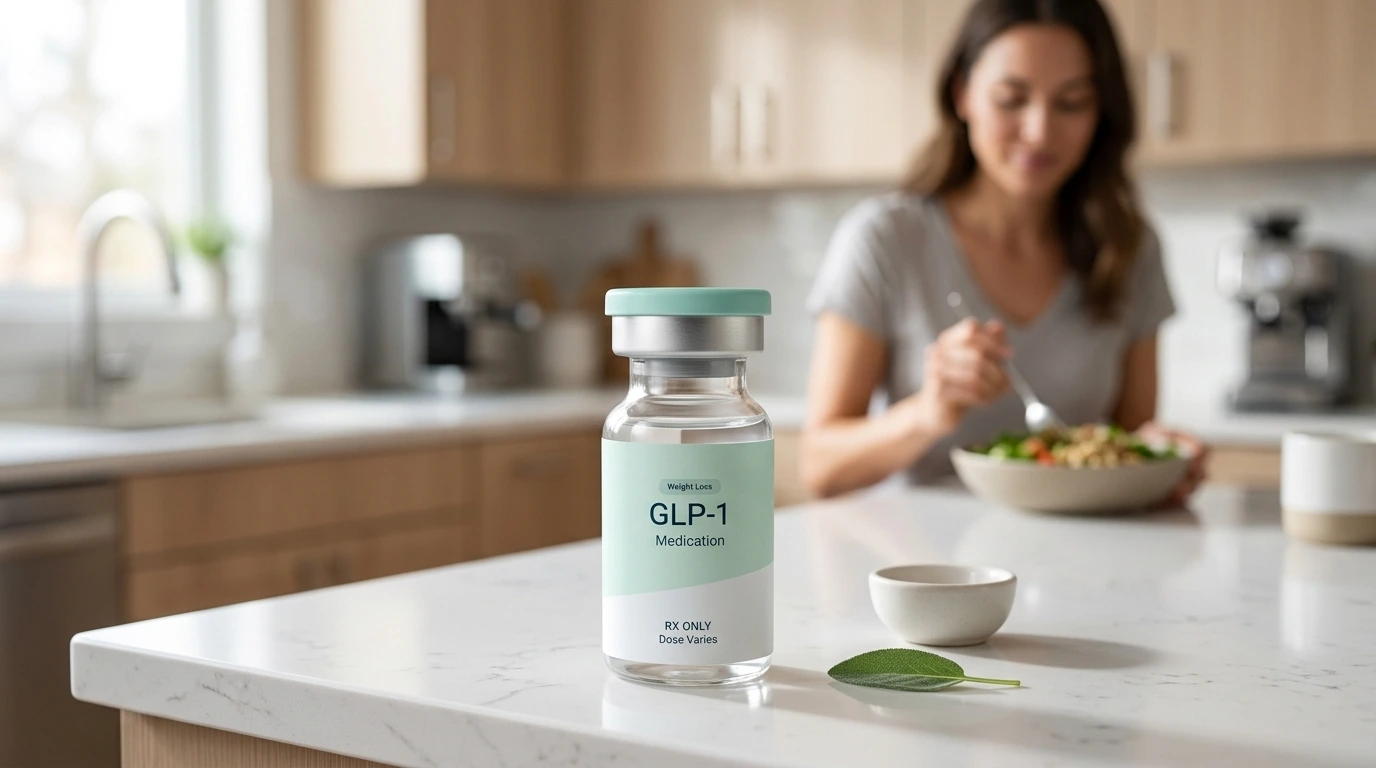
Semaglutide belongs to a class of medications known as glucagon-like peptide-1 (GLP-1) receptor agonists. In plain English, these medications mimic a natural hormone in your body that regulates appetite and blood sugar levels. When you eat, your body releases GLP-1 to tell your brain you are full and to prompt the release of insulin.
Semaglutide supports weight loss through three primary methods:
- Appetite Regulation: It sends signals to the brain to reduce hunger and increase feelings of fullness.
- Delayed Gastric Emptying: It slows down the speed at which your stomach empties, which helps you feel satisfied for longer after a meal.
- Blood Sugar Management: It encourages the pancreas to release insulin when blood sugar is high and reduces the amount of sugar the liver produces.
While originally used primarily for type 2 diabetes, medications like Wegovy® and Ozempic® have gained significant attention for their effectiveness in chronic weight management. Many people also access this medication through compounded semaglutide, which is prepared by FDA-registered and inspected compounding pharmacies to meet specific patient needs. For additional background, read this guide to how semaglutide works and affects the body.
What Is Propranolol?
Propranolol is a medication known as a non-selective beta-blocker. It works by blocking the effects of epinephrine, also known as adrenaline, on the heart and blood vessels. By doing this, it helps the heart beat more slowly and with less force, which in turn lowers blood pressure.
Because it blocks the “fight or flight” response, propranolol is used for a variety of conditions, including:
- High blood pressure (hypertension)
- Chest pain (angina)
- Irregular heartbeats (arrhythmia)
- Performance anxiety or social anxiety
- Migraine prevention
- Essential tremors
Because it affects various systems in the body, it is a versatile medication, but it also carries specific side effects like fatigue, cold hands, or a slower heart rate.
Can You Take Semaglutide With Propranolol?
Quick Answer: Yes, semaglutide and propranolol are generally considered safe to take together, as there is no direct chemical interaction that makes the combination toxic. However, propranolol can mask the symptoms of low blood sugar (hypoglycemia), which is a potential side effect of semaglutide, requiring closer monitoring by a healthcare provider.
The interaction between these two is not a “hard contraindication,” meaning doctors often prescribe them together. The concern is primarily focused on safety and awareness rather than a dangerous chemical reaction. When we help individuals navigate their weight loss journey, we emphasize that any combination of medications should be reviewed by a licensed provider to ensure the plan fits your specific health profile. You can also review this guide to semaglutide medication interactions.
The Primary Concern: Masking Hypoglycemia
The most significant consideration when taking semaglutide and propranolol simultaneously is the phenomenon known as “hypoglycemia masking.”
Hypoglycemia, or low blood sugar, occurs when the levels of glucose in your blood drop too low to fuel your body properly. While semaglutide itself is designed to lower blood sugar only when it is high, it can still cause levels to dip, especially if you are eating significantly less or taking other medications that affect glucose. For a closer look at this issue, read about semaglutide and hypoglycemia risks.
Normally, when your blood sugar drops, your body releases adrenaline to help raise it. This release of adrenaline causes recognizable warning signs:
- A racing or pounding heart (tachycardia)
- Shaking or tremors
- Anxiety or a “nervous” feeling
Because propranolol is a beta-blocker, it specifically blocks these adrenaline-driven symptoms. If your blood sugar drops while you are on propranolol, you might not feel your heart racing or your hands shaking. This can make it difficult to realize your blood sugar is low until it becomes a more serious issue.
Symptoms That Are Not Masked
It is important to note that not all symptoms of low blood sugar are hidden by beta-blockers. One symptom that usually remains visible is sweating (diaphoresis). If you are taking both medications and notice you are suddenly clammy or sweating without an obvious reason, it may be a sign of low blood sugar. Other symptoms like dizziness, hunger, or confusion may also still occur.
Key Takeaway: Propranolol can hide the “alarm bells” of low blood sugar, such as a fast heartbeat and tremors. Individuals using both should pay closer attention to other signs like sweating or dizziness.
Digestion and Absorption Considerations
Another factor to consider is how semaglutide affects the way your body processes other oral medications. As mentioned, semaglutide slows down gastric emptying. This means that any pill you swallow, including propranolol, will stay in your stomach longer before moving into the small intestine where most absorption happens.
For most people taking injectable semaglutide, this delay does not significantly change the effectiveness of their blood pressure or anxiety medication. However, if you are taking the oral version of semaglutide, known as Rybelsus®, the timing of your doses becomes much more critical. Oral semaglutide must be taken on an empty stomach to be absorbed correctly. For more context, explore this article about semaglutide and oral medication absorption.
If you notice that your propranolol feels less effective—perhaps your heart rate is higher than usual or your anxiety symptoms are returning—it could be due to changes in how the medication is being absorbed. This is a topic that should be discussed during your regular consultations with our clinical team.
Shared Side Effects and Management
Both semaglutide and propranolol can cause side effects that may overlap, potentially making them feel more intense when you first start a program.
Fatigue and Dizziness
Both medications can cause a sense of tiredness. Propranolol slows the heart rate, which can lead to fatigue in some users. Semaglutide can cause fatigue as the body adjusts to a lower caloric intake and changes in metabolic processing. Additionally, if propranolol lowers your blood pressure significantly while semaglutide causes slight dehydration (a common side effect), you may experience dizziness, especially when standing up quickly.
Digestive Issues
While propranolol is generally neutral for the stomach, semaglutide is well-known for causing nausea or constipation as the body adjusts to the medication. If you are already prone to digestive sensitivity, the combination might require a more gradual “titration” or dose-escalation schedule.
Action Steps for Managing Side Effects:
- Hydration: Drink plenty of water throughout the day to support kidney function and prevent dizziness.
- Slow Transitions: Move slowly when shifting from a sitting to a standing position.
- Small Meals: Eat smaller, more frequent meals to maintain steady blood sugar and reduce nausea.
- Monitoring: Keep a simple log of your heart rate and blood pressure if you have the equipment at home.
The Importance of Personalized Care
Every individual’s body reacts differently to the combination of GLP-1 medications and beta-blockers. This is why a “one-size-fits-all” approach to weight loss often fails. At TrimRx, we focus on personalized programs that take your entire medical history into account.
When you complete a free eligibility assessment, you provide vital information about your current medications, including propranolol. This allows the licensed healthcare providers we partner with to determine the appropriate starting dose and monitoring schedule for you. Whether you are prescribed compounded semaglutide or are interested in branded options like Wegovy® or Ozempic®, the goal is always safety and efficacy.
Our telehealth-first model means you can discuss these concerns with specialists without having to wait weeks for an in-person appointment. This 24/7 access to support is particularly helpful when you are navigating the first few weeks of a new medication regimen.
Clinical Guidance and Monitoring
If a provider determines that you are a candidate for semaglutide while taking propranolol, they will likely suggest a few specific monitoring strategies.
Blood Glucose Monitoring
For those with type 2 diabetes, checking blood sugar more frequently is standard. For those using semaglutide strictly for weight loss without a diabetes diagnosis, regular monitoring may not be required, but you should be aware of the signs of “hypoglycemia unawareness.”
Blood Pressure Checks
Since propranolol is often used for blood pressure, and weight loss naturally tends to lower blood pressure over time, you may find that your requirements for propranolol change. As you lose weight, your blood pressure may drop to a point where your provider needs to reduce your propranolol dosage.
Heart Rate Tracking
Propranolol is designed to lower the heart rate. Some clinical studies suggest that GLP-1 medications can slightly increase the resting heart rate. These two effects may essentially balance each other out, but it is a metric worth watching during your monthly check-ins.
Bottom line: While no dangerous interaction exists, the combination of these medications requires a watchful eye on blood sugar symptoms and blood pressure levels as your body composition changes.
Starting Your Journey Safely
If you are currently taking propranolol and are ready to address your weight loss goals, the path forward is clear. You do not have to guess about drug interactions or worry about whether a medication is right for you. You can see whether you qualify for a personalized program.
The first step is a thorough clinical evaluation. Through our platform, you can access a dedicated team that understands the nuances of GLP-1 therapy. We provide a comprehensive service that includes the initial doctor consultation, any necessary lab work, and the medication itself, shipped directly from a qualified pharmacy.
Beyond the prescription, we offer supplements like GLP-1 Daily Support to help manage the transition and ensure your body has the nutrients it needs while your appetite is reduced. Our mission is to help you embrace a healthier lifestyle through science and empathy, ensuring you never feel like you are doing this alone.
Summary of Key Points
- Semaglutide and propranolol can generally be taken together under medical supervision.
- The main risk is that propranolol masks the fast heartbeat and tremors associated with low blood sugar.
- Sweating is a key sign of low blood sugar that usually remains even when taking a beta-blocker.
- Semaglutide slows digestion, which could theoretically affect how quickly propranolol enters your system.
- Weight loss may eventually lead to a need for a lower dose of propranolol as your cardiovascular health improves.
- Personalized medical supervision is the best way to ensure safety when combining these treatments.
Conclusion
Combining semaglutide with propranolol is a common clinical scenario that can be managed effectively with the right guidance. By staying aware of how these medications affect your body’s “warning signals” and maintaining open communication with your healthcare team, you can focus on your weight loss goals without compromising your heart health or anxiety management. At TrimRx, we are committed to providing a transparent, telehealth-based experience that prioritizes your safety and long-term success. Our personalized programs are designed to adapt as you progress, ensuring your treatment remains as unique as your health profile. If you are ready to see if a GLP-1 program is right for you, the best next step is to take the free assessment quiz to begin your clinical review.
FAQ
Does propranolol cause weight gain?
Some people report modest weight gain when starting beta-blockers like propranolol, often due to a slight decrease in metabolic rate or increased fatigue that leads to less physical activity. However, when used alongside a GLP-1 medication like semaglutide, the weight-loss effects of the GLP-1 generally far outweigh any potential weight-related side effects of the beta-blocker.
Can I take Ozempic® with high blood pressure medications?
Yes, most people can safely take Ozempic® or other semaglutide medications with blood pressure drugs. In fact, many patients find that as they lose weight on a GLP-1 program, their blood pressure improves, and they may eventually need to work with their doctor to reduce their dosage of blood pressure medication. If you are considering treatment, you can find out if GLP-1 medications are right for you.
What should I do if I feel dizzy while taking both medications?
Dizziness can occur if your blood pressure or blood sugar gets too low, or if you are dehydrated. You should sit or lie down immediately, drink some water, and consider checking your blood sugar if you have a monitor. Always report persistent dizziness to your healthcare provider, as it may indicate a need for a dosage adjustment.
Will semaglutide make my propranolol less effective?
Because semaglutide slows down the rate at which your stomach empties, it can change the timing of how propranolol is absorbed. While it usually doesn’t make the medication less effective overall, you should be consistent with when you take your medications and alert your provider if you notice your heart rate or anxiety symptoms are not as well-controlled as before. For additional reading, review this semaglutide drug interaction guide.
Disclaimer: This content is for informational purposes only and does not constitute medical advice. It is not intended to diagnose, treat, cure, or prevent any disease or condition. Individual results may vary. Always consult a qualified healthcare professional before starting any weight loss program or medication.

Transforming Lives, One Step at a Time
Keep reading

Why Did My Alcohol Tolerance Change on Semaglutide?
Two separate things have usually changed, and people tend to notice only one of them. The first is straightforward: you have almost certainly been…
Does Nicotine Affect Semaglutide?
There is no known direct interaction between nicotine and semaglutide, and no reason to think nicotine changes how the medication is absorbed or how…
Why Can’t I Sleep on My Stomach After Injecting Semaglutide?
Because the site is tender and your body weight is pressing directly on it. That is uncomfortable rather than dangerous, and for most people…


