What If I Take Too Much Tirzepatide?
Introduction
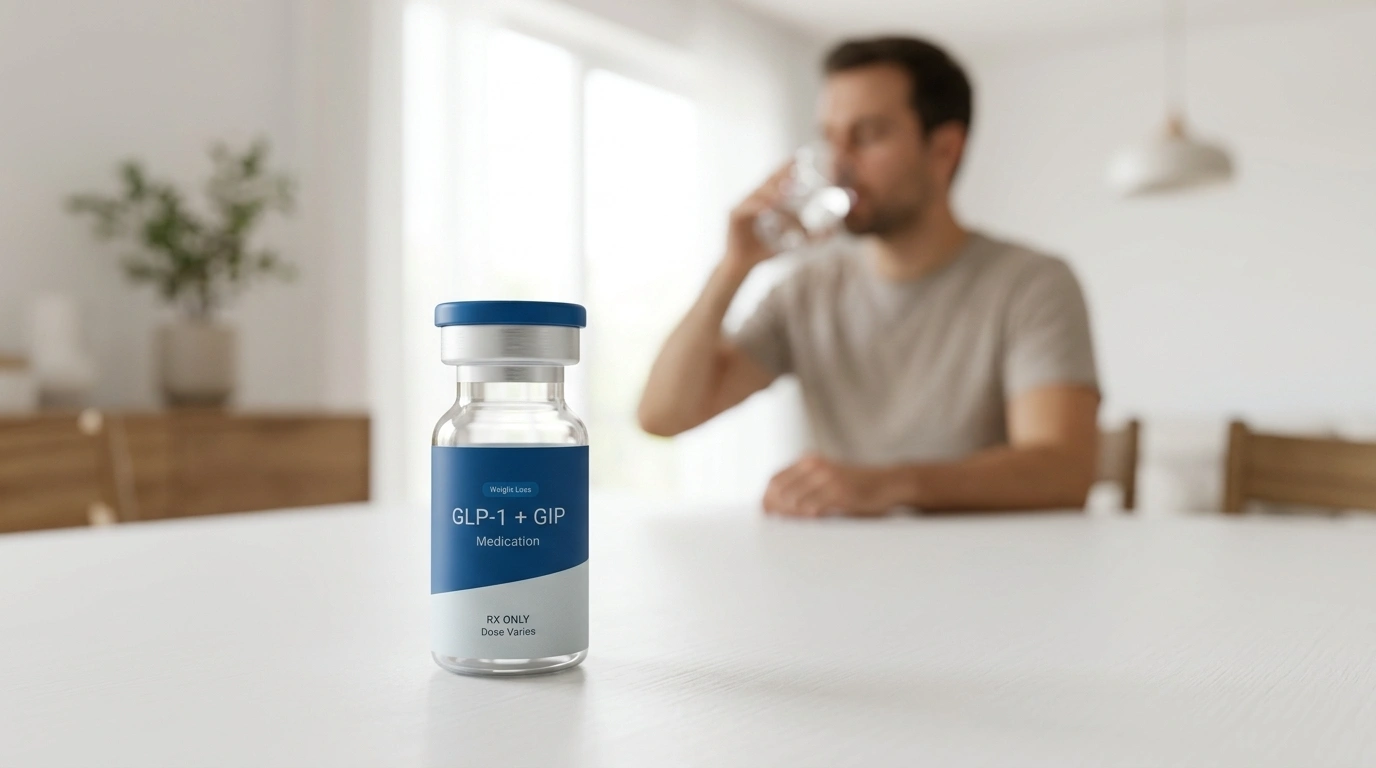
Realizing you may have taken too much of a medication can be an overwhelming experience. Whether it was a simple misunderstanding of the dosing schedule or a slip of the hand while drawing a dose from a vial, the anxiety that follows is completely valid. As tirzepatide gains popularity for its effectiveness in metabolic health, more people are navigating the learning curve of self-administered injections. At TrimRx, we believe that education is the first step toward safety and confidence. This post covers the immediate steps to take if you suspect an overdose, the symptoms to watch for, and how a personalized, medically supervised program helps prevent these errors from happening in the first place. If you are currently experiencing a medical emergency, please contact your local emergency services or the Poison Control Center immediately.
If you are wondering whether GLP-1 treatment may be right for you, you can take the free assessment quiz before starting care.
Quick Answer: If you take too much tirzepatide, contact the Poison Control Center (1-800-222-1222) or your healthcare provider immediately. Most overdoses result in severe gastrointestinal distress, such as intense nausea and vomiting, which may require medical intervention to prevent dehydration and electrolyte imbalances.
Identifying a Tirzepatide Overdose
Taking too much tirzepatide usually occurs in one of three ways: accidentally injecting a double dose, injecting your weekly dose too soon after the last one, or drawing an incorrect amount into a syringe. Tirzepatide is a dual receptor agonist. This means it mimics two different hormones in your body: glucagon-like peptide-1 (GLP-1) and glucose-dependent insulinotropic polypeptide (GIP).
If you want a broader explanation of how GLP-1 injections work, this can help put tirzepatide into context.
These hormones are responsible for slowing down your digestion and telling your brain that you are full. When you take the correct amount, these effects help you manage your weight and metabolic health. However, when the concentration in your bloodstream exceeds what your body is prepared for, these natural processes can go into overdrive.
An overdose does not always mean a life-threatening event, but it does mean your body is processing a level of medication it cannot effectively manage. Because tirzepatide has a long half-life—meaning it stays in your system for several days—the symptoms of taking too much may last longer than a typical side effect.
Immediate Symptoms of Excessive Tirzepatide
The most common symptoms of taking too much tirzepatide involve the digestive system. Because the medication significantly slows gastric emptying (the rate at which food leaves your stomach), an excessive dose can cause the digestive process to nearly come to a halt.
Severe Gastrointestinal Distress
Most individuals who experience a dosing error report intense nausea and persistent vomiting. Unlike the mild “first-week” nausea some people feel, an overdose often leads to vomiting that makes it difficult to keep down any liquids. This can quickly lead to dehydration. You might also experience severe bloating, stomach cramps, or a feeling of extreme “fullness” that does not go away.
Risk of Hypoglycemia
While tirzepatide is designed to help regulate blood sugar, taking a very high dose can sometimes lead to hypoglycemia, or low blood sugar. This is especially true for individuals who are also taking other medications like insulin or sulfonylureas. Symptoms of low blood sugar include:
- Feeling shaky or jittery
- Sudden dizziness or lightheadedness
- A rapid or irregular heartbeat
- Confusion or difficulty concentrating
- Sweating and chills
Dehydration and Electrolyte Imbalance
The danger of prolonged vomiting is the loss of essential fluids and minerals. If you cannot hold down water, you may experience symptoms of dehydration, such as dark urine, a dry mouth, and feeling faint. If left untreated, severe dehydration can put a strain on your kidneys.
Key Takeaway: The primary risk of a tirzepatide overdose is severe, prolonged gastrointestinal distress that can lead to dangerous levels of dehydration and electrolyte imbalances.
Steps to Take If You Suspect an Overdose
If you realize you have administered too much medication, do not wait for symptoms to appear before taking action. Early intervention is the best way to manage potential side effects.
Step 1: Contact Professional Help Immediately. Call the national Poison Control Center at 1-800-222-1222. Their experts are available 24/7 and can provide specific guidance based on exactly how much medication you took. You should also notify your prescribing healthcare provider or the team at TrimRx so they can note the error and adjust your upcoming schedule.
Step 2: Monitor Your Symptoms Closely. Keep a log of when you took the dose and what symptoms you are feeling. Pay close attention to your ability to stay hydrated. If you start to feel dizzy or confused, have someone stay with you.
Step 3: Focus on Small Sips of Fluid. If you are not vomiting, try to drink small amounts of water or an electrolyte-rich beverage. Do not try to eat large meals, as your digestion will be significantly slowed.
Step 4: Know When to Seek Emergency Care. You should go to the emergency room or call 911 if you experience:
- Uncontrollable vomiting that prevents any fluid intake.
- Severe, persistent pain in the upper stomach that may radiate to your back.
- Extreme dizziness or fainting.
- Signs of a severe allergic reaction, such as swelling of the face or trouble breathing.
Why Dosing Errors Happen
Understanding the “why” behind dosing errors can help you avoid them in the future. Most mistakes occur during a transition period in a weight loss journey.
Transitioning to Syringes and Vials
Many patients use branded medications like Mounjaro® or Zepbound®, which often come in pre-filled, single-use pens. These pens are designed to be “dose-locked,” meaning you cannot easily take the wrong amount. However, due to supply shortages or other practical concerns, many people switch to compounded tirzepatide.
If you want more background on tirzepatide overdose risks and safe use, this article explains common dosing mistakes.
Compounded medications are prepared by FDA-registered, inspected compounding pharmacies and typically arrive in a multi-dose vial. This requires the patient to use a syringe to draw up the exact number of “units” prescribed. Mistakes often happen when a patient confuses “units” on a syringe with “milligrams” of the medication. For example, 25 units on a syringe is not the same thing as 25mg of tirzepatide.
Doubling Up on Missed Doses
It is common to forget a weekly injection. The temptation to “make up” for the missed day by taking two doses close together is a frequent cause of overdose. Clinical guidelines generally suggest that if you miss a dose, you should take it as soon as you remember, provided it is within 4 days (96 hours) of the missed day. If more than 4 days have passed, you should skip that dose and wait for your next regularly scheduled day. You should never take two doses within 3 days (72 hours) of each other.
Rapid Titration
Titration is the process of slowly increasing your dose every four weeks. Some individuals, eager to see faster results, may try to increase their dose sooner than their provider recommended. This “jumping ahead” can overwhelm the body’s receptors, leading to symptoms identical to an acute overdose.
Clinical Complications of High Doses
While most people recover from a tirzepatide overdose with supportive care (like IV fluids), there are rare but serious clinical complications that healthcare providers watch for.
Acute Pancreatitis
Excessive stimulation of the pancreas can lead to inflammation, known as pancreatitis. The hallmark symptom is severe abdominal pain that feels like it is “boring” through to your back. This requires immediate medical evaluation and usually involves a hospital stay to manage pain and inflammation.
Gallbladder Issues
Rapid changes in weight and the metabolic effects of high-dose GLP-1/GIP medications can sometimes trigger gallbladder problems, including gallstones. If you notice yellowing of the skin or eyes (jaundice) or severe pain in the upper right side of your stomach, consult a doctor immediately.
Kidney Function
Tirzepatide does not directly damage the kidneys, but the dehydration caused by an overdose can. Acute kidney injury can occur if the body is deprived of fluids for too long. This is why maintaining hydration is the single most important part of managing an accidental overdose.
Managing Side Effects vs. Overdose
It can be difficult to tell the difference between a standard side effect and a true overdose, especially when you first start a program.
If you are trying to support appetite changes during treatment, the GLP-1 Daily Support supplement is designed for nutritional support alongside GLP-1 therapy.
| Feature | Standard Side Effects | Potential Overdose |
|---|---|---|
| Nausea | Mild to moderate; comes and goes. | Severe and persistent; often constant. |
| Vomiting | Occasional; usually stops after 24 hours. | Projectile or frequent; unable to keep water down. |
| Abdominal Pain | Mild cramping or bloating. | Intense, sharp, or “stabbing” pain. |
| Dizziness | Slight lightheadedness when standing fast. | Feeling of fainting, confusion, or extreme weakness. |
| Duration | Usually improves 2–3 days after injection. | Symptoms may worsen or persist for several days. |
Bottom line: While side effects are common as your body adjusts to tirzepatide, any symptom that prevents you from performing daily activities or staying hydrated should be reported to a healthcare professional.
How Personalized Programs Prevent Errors
At TrimRx, we believe that the best way to handle an overdose is to prevent it from ever happening. The complexity of weight loss medications is exactly why we emphasize medical supervision and personalized care.
Our program begins with a comprehensive assessment quiz. This ensures that the medication and starting dose are appropriate for your specific health profile, medical history, and goals. By connecting you with licensed providers, we ensure that you have a clear roadmap for titration.
For a closer look at building sustainable habits during treatment, see how to lose weight in a healthy, science-backed way.
When you use the TrimRx platform, you aren’t just receiving a prescription; you are gaining access to a dedicated team of specialists. If you are ever confused about how to draw your dose or what a specific marking on a syringe means, our team is available to guide you. This 24/7 access acts as a safety net, reducing the likelihood of the “guesswork” that often leads to dosing mistakes.
If you are ready to see whether treatment is a fit, you can also complete the free assessment quiz and get started.
Safe Storage and Handling
Safety doesn’t stop at the injection; it also includes how you keep the medication in your home. Accidental ingestion by children or pets is a serious concern with any potent medication.
- Keep it out of reach: Store your tirzepatide vials or pens in the refrigerator, preferably in a drawer or container that is not easily accessible to children.
- Protect the label: Always keep the medication in its original packaging. This ensures you always have the concentration information and expiration date handy if you need to call Poison Control.
- Proper Disposal: Once a syringe or pen is used, it must go into a sharps container. Never throw used needles into the regular trash, as this poses a needle-stick risk to others.
- Don’t Share: Your dose is calculated specifically for your BMI, health history, and metabolic needs. Sharing medication with a friend or family member is dangerous and significantly increases the risk of an overdose for them.
Myth: “If I take a double dose, I’ll lose twice the weight this week.” Fact: Taking too much tirzepatide does not accelerate fat loss; it only increases the severity of side effects. Overloading your receptors can actually stall your progress by making you too sick to maintain healthy habits.
Nutritional Support During Recovery
If you have taken a slightly higher dose than intended and are experiencing manageable nausea, your focus should shift to “nutrient density” and “gastric comfort.”
When the stomach is moving slowly, high-fat or high-fiber foods can sit for too long, causing more discomfort. During this time, we suggest leaning on simple, bland foods like crackers, toast, or clear broths. This is also where targeted supplementation can help. Our Weight Loss Boost supplement is designed to support energy during weight loss when appetite is low.
Once your symptoms subside and you return to your regular dosing schedule, it is vital to resume a balanced diet that includes adequate protein. This helps protect your lean muscle mass while the medication helps you lose body fat.
Moving Forward with Confidence
A dosing error is a frightening moment, but it is also a learning opportunity. Most people who experience a minor overdose go on to have very successful weight loss journeys once they establish a safer routine.
Sustainable weight loss is a marathon, not a sprint. The goal is to give your body just enough support to quiet the “food noise” and regulate your appetite without causing physical distress. By working with a platform like TrimRx, you ensure that you are never alone in this process. Our telehealth-first approach means you can get your questions answered from the comfort of your home, without the pressure of a busy waiting room.
If you want a broader look at how tirzepatide overdose symptoms compare over time, this guide is a helpful next read.
We are committed to a transparent, empathetic approach. Whether you are using Compounded Tirzepatide or exploring other GLP-1 options like Compounded Semaglutide, our goal is to provide the clinical expertise and modern technology you need to succeed safely.
Conclusion
Taking too much tirzepatide is a serious matter that requires immediate attention, but with the right steps, it can be managed. The most important actions are to stay calm, contact the Poison Control Center or your provider, and prioritize hydration. Moving forward, always double-check your dose, follow your titration schedule exactly, and never attempt to “catch up” on missed doses by doubling your injection.
At TrimRx, we are here to help you embrace a healthier lifestyle through science and empathy. Our mission is to make weight loss sustainable, safe, and personalized for every individual. If you are ready to start your journey with the support of a dedicated clinical team, your next step is simple.
- Take the free assessment quiz to determine your eligibility for a personalized weight loss program.
- Consult with a licensed provider to establish a safe, effective dosing plan.
- Reach out to our specialists anytime you have questions about your medication or symptoms.
Weight loss is a deeply personal journey, and having a knowledgeable guide can make all the difference in achieving your goals safely.
FAQ
Can a tirzepatide overdose be fatal?
While most cases of taking too much tirzepatide result in severe nausea and vomiting that resolve with medical support, extreme dehydration and electrolyte imbalances can be life-threatening if left untreated. It is crucial to seek medical attention if you cannot keep fluids down or if you experience severe abdominal pain.
Is there an antidote for tirzepatide?
There is currently no specific “reversal agent” or antidote that can immediately neutralize tirzepatide in your system. Medical treatment focuses on “supportive care,” which means doctors treat the symptoms—such as providing IV fluids for dehydration or anti-nausea medication—while the body naturally processes the drug over several days. If you want to understand the broader medication category, you can review GLP-1 injections explained.
What should I do if I accidentally double my dose?
If you realize you have taken a double dose, call the Poison Control Center (1-800-222-1222) immediately, even if you feel fine. They will help you monitor for symptoms and advise you on when to seek emergency care. You should also contact your provider to discuss how to adjust your next dose to ensure you stay on a safe schedule. If you are not sure whether treatment is appropriate for you, you can check your eligibility with the free assessment quiz.
How long do overdose symptoms last?
Tirzepatide has a long half-life of approximately five days, which means it takes a significant amount of time for the medication to leave your system. If you take too much, symptoms like nausea and bloating may persist for several days or even up to a week. Continuous communication with a healthcare professional is essential during this recovery period. For more context on semaglutide access and GLP-1 care, see how to get semaglutide injections for weight loss.
Disclaimer: This content is for informational purposes only and does not constitute medical advice. It is not intended to diagnose, treat, cure, or prevent any disease or condition. Individual results may vary. Always consult a qualified healthcare professional before starting any weight loss program or medication.

Transforming Lives, One Step at a Time
Keep reading

Should You Taper Off Tirzepatide or Just Stop? What the Evidence Says
There is very little direct evidence either way, and anyone who tells you otherwise is filling a gap with confidence. The withdrawal trials that…
Stalled on Tirzepatide Even After a Dose Increase: Your Options
The first thing to check is how long it has been since the increase, because most people ask this question too early. A dose…

Why Did Tirzepatide Stop Working After Three Months of Fast Loss?
Five things explain almost all of it, and the first is the least satisfying: the fast stretch was never going to last. Weight loss…


