Can You Take Wegovy if You Have Gastroparesis?
Introduction
Living with a chronic weight struggle is exhausting and often feels like an uphill battle. You may have heard about the impressive results people are seeing with GLP-1 medications and wondered if they are right for you. However, if you also live with digestive issues like gastroparesis, your situation requires a more careful, clinical look. At TrimRx, we believe that weight loss should never come at the expense of your overall safety or comfort. If you want a medically guided starting point, you can take the free assessment quiz to see whether a personalized program may be a fit. This post covers how Wegovy® interacts with the digestive system, the specific risks for those with existing stomach motility issues, and how to navigate these concerns with a healthcare provider. Our goal is to help you understand if these medications align with your health profile. While Wegovy® offers a path to weight loss for many, having gastroparesis changes the safety landscape significantly.
Understanding Wegovy and the GLP-1 Pathway
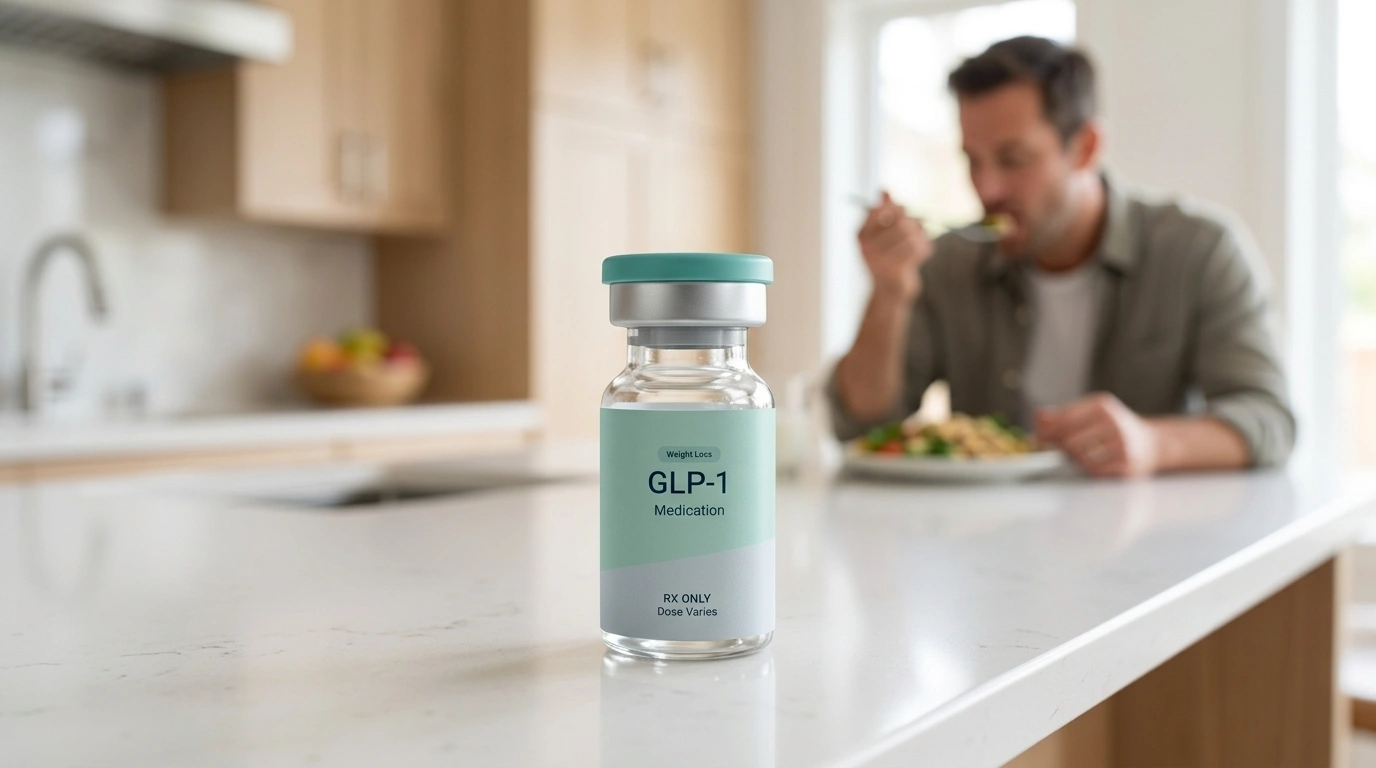
Wegovy® is a brand-name prescription medication containing semaglutide. Semaglutide is a glucagon-like peptide-1 (GLP-1) receptor agonist. In plain English, this means it mimics a hormone your body naturally produces after you eat. This hormone sends signals to your brain to tell you that you are full. It also acts on your digestive system to slow down how quickly your stomach empties. For a deeper look at the biology behind that effect, see our guide on how GLP-1 delays gastric emptying.
By slowing down the movement of food, the medication helps you feel satisfied for a longer period. This “delayed gastric emptying” is a core part of how the medication works. For a person with a standard metabolic rate, this delay is manageable and leads to reduced calorie intake. However, for someone whose stomach already struggles to move food along, this delay can become a serious medical concern.
Key Takeaway: Wegovy® works by mimicking natural hormones that slow down your digestion to help you feel full longer. This mechanism is beneficial for weight loss but can be problematic for those with existing digestive speed issues.
What is Gastroparesis?
Gastroparesis is often referred to as “stomach paralysis.” It is a medical condition where the muscles in your stomach do not function correctly. Normally, strong muscular contractions move food through your digestive tract. In gastroparesis, these contractions are weak or nonexistent. This causes food to sit in the stomach for an abnormally long time without a physical blockage being present. If you want a TrimRx article focused on this exact overlap, our post on semaglutide and gastroparesis is a helpful companion read.
Common symptoms of gastroparesis include:
- Persistent nausea and vomiting
- Feeling full shortly after starting a meal
- Abdominal bloating and pain
- Heartburn or acid reflux
- Changes in blood sugar levels
- Lack of appetite
This condition is most commonly seen in individuals with poorly managed diabetes, but it can also occur after surgery or due to certain neurological conditions. Because the symptoms of gastroparesis overlap with the common side effects of GLP-1 medications, it can be difficult for patients to tell the difference without professional medical guidance.
The Intersection of Wegovy and Gastroparesis
The central question is whether you can safely take Wegovy® if you have been diagnosed with gastroparesis. Generally, the clinical consensus is one of extreme caution. Most healthcare providers advise against using GLP-1 receptor agonists like Wegovy® if you have a history of severe gastrointestinal disease or gastroparesis.
Taking a medication that intentionally slows down the stomach when the stomach is already “paralyzed” can lead to a “double delay.” This can cause food to remain in the stomach for days, leading to severe complications. For an individual with a BMI over 30 who also has gastroparesis, the risks of using this specific class of medication often outweigh the potential weight loss benefits. You can also review our related article on gastroparesis and Ozempic for another angle on this same clinical question.
Note: If you have a confirmed diagnosis of gastroparesis, you must disclose this to your healthcare provider before starting any weight loss program involving GLP-1 medications.
What Recent Research Says
Newer data presented in 2024 has shed more light on the link between GLP-1 drugs and stomach motility. Research suggests that while the risk of developing clinical gastroparesis from these drugs is low—often affecting less than 1% of users—it is a real possibility. For those who already have the condition, the medication can exacerbate symptoms to a dangerous degree.
It is important to note that for most people who experience “slow stomach” while on the medication, the effect is reversible. Once the medication is stopped and has time to leave the system, stomach motility usually returns to its baseline. However, for someone with chronic, pre-existing gastroparesis, the condition is already their baseline, making the medication a high-risk choice.
Quick Answer: It is generally not recommended to take Wegovy® if you have gastroparesis. Because the medication works by slowing your stomach, it can worsen your symptoms and lead to severe complications like persistent vomiting or blockages.
Comparing Symptoms: Standard Side Effects vs. Gastroparesis
It is normal to experience some digestive changes when starting a GLP-1 program. However, distinguishing between “getting used to the medicine” and a more serious motility issue is vital.
If you want more context on what common GI adjustments look like, our guide to managing nausea on semaglutide can help you compare typical side effects with more concerning symptoms.
| Feature | Standard Wegovy® Side Effects | Symptoms of Gastroparesis |
|---|---|---|
| Nausea | Mild to moderate; often improves over time. | Severe and persistent; often accompanied by vomiting. |
| Fullness | Feeling satisfied after a normal-sized meal. | Feeling “stuffed” after only a few bites of food. |
| Vomiting | Occasional or triggered by high-fat foods. | Frequent, even with liquids or small meals. |
| Duration | Usually peaks a few days after the injection. | Constant and does not follow the dosing schedule. |
| Pain | Minimal bloating or mild discomfort. | Significant upper abdominal pain and visible bloating. |
Why Medical Supervision is Non-Negotiable
Because of these risks, you should never attempt to use these medications without oversight. At TrimRx, our process starts with a comprehensive health assessment. We partner with licensed providers who review your medical history specifically to look for “red flags” like gastroparesis or other motility disorders.
A personalized program means your treatment is tailored to your unique biology. If you have a history of slow digestion, a provider might suggest a different approach or a very slow titration schedule. Titration is the process of slowly increasing your dose over several months. This allows your body—and your stomach—to adjust to the medication gradually. For some, even a low dose may be too much for their digestive system to handle.
How to Manage Slow Digestion While on GLP-1s
For patients who do not have gastroparesis but feel their digestion has slowed down significantly on the medication, there are several management strategies. These steps can help keep you comfortable while you work toward your goals.
- Eat Smaller, Frequent Meals: Instead of three large meals, try five or six small snacks. This puts less pressure on the stomach at any one time.
- Prioritize Hydration: Water is essential for moving food through the digestive tract. Aim for at least 64 ounces of water daily.
- Avoid High-Fiber and High-Fat Foods: While fiber is usually healthy, too much can be hard for a “slow” stomach to process. High-fat foods also naturally slow down digestion further.
- Stay Upright After Eating: Do not lie down for at least two to three hours after a meal to help gravity assist your digestion.
- Focus on Nutrient Support: Using targeted support like Weight Loss Boost can help support energy during weight loss when food intake is lower.
Potential Alternatives for Weight Loss
If Wegovy® or other brand-name GLP-1s are not suitable for you due to gastroparesis, you are not out of options. There are other pathways to sustainable weight loss that do not rely on slowing down the stomach.
- Personalized Lifestyle Programs: Focus on metabolic health through protein-optimized diets and resistance training.
- Compounded Medications: While compounded semaglutide or compounded tirzepatide work similarly to the branded versions, a healthcare provider can carefully adjust the dosage to find a level that your body might tolerate better. These are prepared and shipped by FDA-registered, inspected compounding pharmacies, though they are not FDA-approved.
- Targeted Supplements: Products like Weight Loss Boost can support your energy levels and metabolic rate without the same level of gastrointestinal impact as prescription injections.
Key Takeaway: If one medication isn’t safe for you, a personalized approach focuses on finding the tools that work for your specific body and medical history.
When to Stop the Medication and See a Doctor
If you are already on a GLP-1 program and begin to experience severe symptoms, you must act quickly. While mild nausea is common, certain signs indicate that your stomach is not coping with the medication.
Seek medical attention if you experience:
- Vomiting that prevents you from keeping any liquids down for more than 12 hours.
- Signs of dehydration, such as dark urine, extreme thirst, or dizziness.
- Severe, sharp abdominal pain that does not go away.
- A “swollen” or hard feeling in the upper abdomen.
- Blood in your vomit or stool.
In many cases, the first step a provider will take is to have you pause the medication. This allows the stomach to resume its normal pace. For some, they may be able to restart at a much lower dose. For others, the medication may need to be discontinued permanently to prevent long-term damage.
The Role of Personalized Programs
One of the biggest risks in the current weight loss landscape is the “one-size-fits-all” approach. Branded medications like Wegovy®, Ozempic®, Mounjaro®, and Zepbound® are powerful tools, but they must be used correctly. Our mission at TrimRx is to bridge the gap between clinical excellence and accessibility.
We provide a platform where you can connect with professionals who understand the nuances of metabolic health. By using our assessment quiz, you provide the data necessary for a provider to make a safe clinical decision. This level of screening is exactly what helps prevent complications like worsened gastroparesis. We prioritize your long-term health over a quick fix, ensuring that your weight loss journey is both sustainable and safe. If you want another overview of how TrimRx frames this support, our post on GLP-1 support and personalized care is a useful read.
Myth: “Stomach paralysis” from weight loss drugs is permanent. Fact: In the vast majority of cases, delayed gastric emptying caused by medications is a temporary effect that reverses once the drug is stopped. However, for those with pre-existing gastroparesis, it can lead to dangerous acute complications.
Practical Steps to Take Next
If you are concerned about your digestive health but still want to pursue medical weight loss, follow these steps:
Step 1: Get a Baseline Diagnosis. Talk to a gastroenterologist if you have chronic bloating or nausea. Knowing if you have gastroparesis before you start a GLP-1 is critical.
Step 2: Complete a Thorough Health Assessment. Use the free assessment quiz on our platform. Be honest about every symptom and past medical condition. This is the only way a provider can safely evaluate your eligibility.
Step 3: Start Low and Go Slow. If a provider determines you are a candidate, do not rush the process. Following a slow titration schedule is the best way to monitor how your stomach handles the change.
Step 4: Monitor Your Symptoms Daily. Keep a log of what you eat and how you feel. If you notice your stomach feels “full” for 8 or 10 hours after a small meal, notify your healthcare team immediately.
Conclusion
The question of whether you can take Wegovy® with gastroparesis is a matter of safety and medical judgment. For most, the presence of a motility disorder is a sign to look for alternative weight loss methods. Science has given us incredible new tools for weight management, but they must be used with respect for the body’s natural processes. At TrimRx, we are committed to helping you find a path that honors your health history while moving you toward your goals. Whether through personalized prescription programs or supportive supplements, your journey should be guided by empathy and clinical expertise. Sustainable weight loss is about more than just a number on the scale; it is about feeling good in the body you are in.
Bottom line: Gastroparesis and Wegovy® are generally a high-risk combination due to the way the medication slows down digestion. Always prioritize a thorough medical screening before starting treatment.
FAQ
Can Wegovy cause permanent stomach paralysis?
Current clinical data suggests that the slowing of the stomach is a known effect of the medication and is typically reversible once the drug is discontinued. If you want a broader explanation of how that slowdown works, our article on GLP-1 digestion and gastric emptying gives a clear overview. While some case reports have highlighted prolonged issues, the condition usually improves as the medication leaves the body.
What should I do if I have diabetes and gastroparesis but need to lose weight?
Managing weight with both diabetes and gastroparesis is complex because many diabetes medications also affect digestion. You should work closely with an endocrinologist to find a treatment plan that manages your blood sugar without worsening your stomach motility.
Are there weight loss injections that don’t slow the stomach?
Most current GLP-1 and GIP medications, including those found in Mounjaro® and Zepbound®, work at least partially by slowing gastric emptying. If your stomach cannot tolerate this, your provider may look at older classes of weight loss medications or a focus on metabolic-boosting supplements.
How can I tell if my nausea is just a normal side effect?
Normal side effects usually happen shortly after your injection and fade within a few days as your body adjusts. If your nausea is constant, leads to frequent vomiting, or occurs even when you haven’t eaten much, it may indicate a more significant delay in your digestion that needs medical attention.
Disclaimer: This content is for informational purposes only and does not constitute medical advice. It is not intended to diagnose, treat, cure, or prevent any disease or condition. Individual results may vary. Always consult a qualified healthcare professional before starting any weight loss program or medication.

Transforming Lives, One Step at a Time
Keep reading
Wegovy Alternatives: What Else Works for Weight Loss
If Wegovy isn’t working out, the strongest alternative is tirzepatide (Zepbound), which tends to produce more weight loss, followed by other GLP-1 options and…

VK2735 vs Wegovy: Investigational Contender vs Proven Semaglutide
VK2735 and Wegovy sit at different stages of development. VK2735, an investigational drug from Viking Therapeutics, comes in both injectable and oral forms and…

Mazdutide vs Wegovy: How the Two Compare
Mazdutide and Wegovy are both injectable weight-loss drugs, but they are worlds apart on availability. Mazdutide, a dual glucagon and GLP-1 agonist, is approved…


