Can You Take Zepbound if You Have Had Pancreatitis?
Introduction
Deciding to start a weight loss journey often involves balancing the excitement of potential results with the reality of your medical history. If you have previously experienced pancreatitis—an inflammation of the pancreas—you might feel hesitant about new medications like Zepbound®. At TrimRx, we believe that navigating weight management should feel supportive and clear, especially when complex health questions arise. This post explores the clinical relationship between Zepbound, its active ingredient tirzepatide, and pancreatic health to help you prepare for a conversation with a healthcare provider. We will look at what the research says, identify symptoms to watch for, and explain how a personalized medical assessment determines if this path is right for you. While some medical histories require extra caution, having the right information is the first step toward a safer, more sustainable wellness plan.
Quick Answer: There is no absolute ban on taking Zepbound after pancreatitis, but clinical trials did not specifically study patients with a history of the condition. Most healthcare providers use extreme caution and perform a detailed risk assessment before prescribing it to someone with a history of pancreatic inflammation.
What is Pancreatitis?
The pancreas is a small but vital organ located behind the stomach. It serves two primary roles: producing enzymes that help with digestion and releasing hormones like insulin to regulate blood sugar levels. Pancreatitis occurs when the digestive enzymes become active while still inside the pancreas, causing the organ to attack its own tissues. This leads to inflammation that can be sudden or long-lasting.
Acute Pancreatitis
Acute pancreatitis is a sudden episode of inflammation. It often causes intense pain in the upper abdomen that may radiate to the back. Most people recover fully with hospital treatment, but the experience can leave the pancreas sensitive to future stressors. Common causes include gallstones or heavy alcohol use.
Chronic Pancreatitis
Chronic pancreatitis is a persistent, long-term inflammation. Over time, this leads to permanent damage and scarring of the pancreatic tissue. This can impair the organ’s ability to produce insulin, sometimes leading to secondary diabetes. Because the tissue is already compromised, doctors are typically more hesitant to introduce medications that affect pancreatic pathways in these individuals.
Recurrent Acute Pancreatitis
Some individuals experience multiple bouts of acute inflammation with periods of recovery in between. This is often a sign that there is an underlying trigger, such as a genetic predisposition or recurring lifestyle factors. Identifying the cause of these episodes is a critical part of determining whether a patient is a candidate for modern weight loss treatments.
How Zepbound Works in the Body
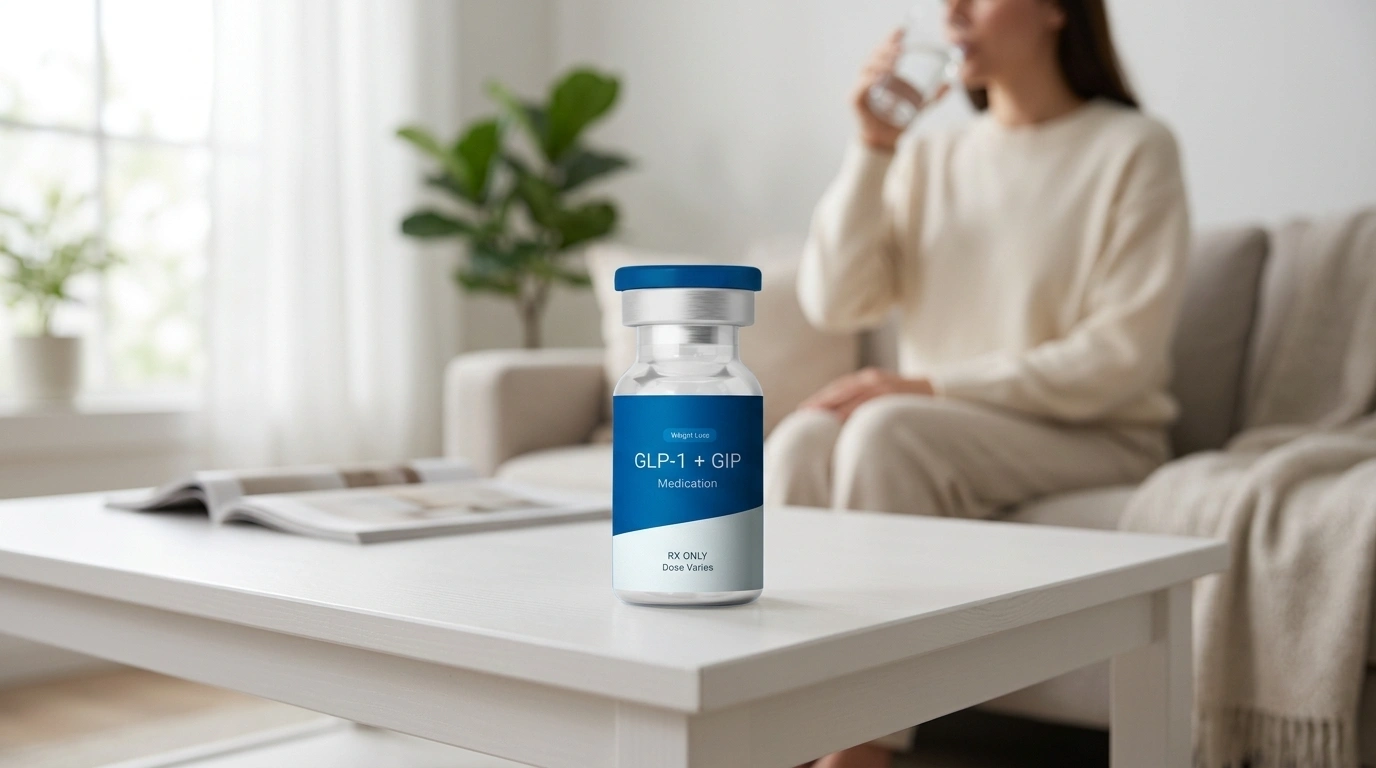
Zepbound is the brand name for tirzepatide, a medication known as a dual agonist. It targets two different hormone receptors in the body: glucagon-like peptide-1 (GLP-1) and glucose-dependent insulinotropic polypeptide (GIP). These are hormones naturally produced by the intestines in response to food. For a broader overview, see What is GLP-1 and How Does It Work?
When these receptors are activated, several things happen. First, the body increases insulin production in response to rising blood sugar. Second, it slows down gastric emptying, which is the speed at which food leaves the stomach. This helps you feel full for a longer period. Finally, it sends signals to the brain to reduce overall appetite and cravings.
Because tirzepatide interacts directly with the insulin-secreting functions of the pancreas, researchers and clinicians pay close attention to how the organ responds. While the medication is highly effective for weight management, its influence on pancreatic enzymes is why the “pancreatitis” question is so common.
Key Takeaway: Zepbound mimics gut hormones to regulate appetite and insulin. Because it directly influences pancreatic function, anyone with a history of pancreatic issues must undergo a thorough medical screening.
The Link Between Tirzepatide and Pancreatitis
During clinical trials for Zepbound, a small number of participants developed acute pancreatitis. However, it is important to note that these trials often excluded people who already had a history of the condition. This means we do not have a large amount of data on how the drug affects someone whose pancreas has already been inflamed in the past. You can also review TrimRx’s tirzepatide pancreatitis safety profile for a deeper look at the evidence.
The official prescribing information for Zepbound lists pancreatitis as a potential side effect and a “warning and precaution.” It does not explicitly state that a past history of pancreatitis is a “contraindication” (a reason to never use the drug), but it advises healthcare providers to monitor patients closely.
Current medical guidance suggests that if a patient has had pancreatitis caused by something that has been resolved—such as a gallstone that was surgically removed—a provider might be more open to the medication. However, if the cause was unknown or related to high triglyceride levels, the risk profile might be considered too high.
Factors a Provider Evaluates
If you consult a provider through the TrimRx platform or in person, they will look at several factors to determine your eligibility. They do not just look at the word “pancreatitis” on your chart; they look at the context of your overall health. If you are unsure whether you qualify, the easiest next step is to complete the free assessment quiz.
The Original Cause of Inflammation
If your pancreatitis was caused by gallstones and you have since had your gallbladder removed, the primary trigger is gone. In this case, some providers may feel the risk of a recurrence is low enough to proceed with caution. If the inflammation was caused by high alcohol intake or very high triglycerides (fats in the blood), the provider will want to ensure those factors are well-managed first.
Your Current Lab Results
Providers often look at levels of amylase and lipase. These are enzymes produced by the pancreas. If these levels are currently elevated, it may indicate active stress on the organ, and Zepbound would likely be avoided. They will also look at your kidney function and metabolic markers.
Your Overall Risk Profile
Weight management is a balance of risks. For an individual with a BMI over 30 who also has high blood pressure or sleep apnea, the health benefits of losing weight might outweigh the small potential risk of pancreatic irritation. The decision is always made on an individual basis, weighing the history of the patient against their current health goals.
Potential Symptoms to Monitor
Whether you have a history of pancreatic issues or not, it is vital to know the warning signs of inflammation while taking any GLP-1 or GIP medication. If you are cleared to start a program, being vigilant can help you catch potential issues early.
- Severe Abdominal Pain: This is the most common sign. It is usually felt in the upper-middle part of the belly and often feels like it is “boring through” to your back.
- Pain After Eating: If abdominal pain becomes significantly worse after a meal, it can indicate the pancreas is struggling to produce digestive enzymes.
- Persistent Nausea and Vomiting: While mild nausea is a common side effect of Zepbound, severe or frequent vomiting coupled with pain is a red flag.
- Fever and Tenderness: A tender abdomen that is painful to the touch, especially when accompanied by a low-grade fever, requires immediate medical attention.
Note: If you experience severe, persistent abdominal pain that does not go away, you should stop using the medication and contact a healthcare professional immediately.
Why Personalized Programs Matter
At TrimRx, we do not believe in a one-size-fits-all approach to weight loss. This is especially important for individuals with complex medical histories. Our platform connects you with licensed providers who conduct a thorough review of your health profile through a free assessment quiz.
During this process, you have the opportunity to disclose your history of pancreatitis. The provider will then determine if a prescription for compounded tirzepatide or another medication is appropriate. For more detail on who may be a fit, see our guide on compounded tirzepatide eligibility and contraindications. Compounded tirzepatide is prepared by licensed compounding pharmacies, allowing for tailored dosing that can be adjusted based on how your body responds.
A personalized program ensures that you are not just a number. It provides a dedicated team to help monitor your progress and answer questions about side effects or concerns as they arise. This level of oversight is critical when navigating a journey that includes a history of pancreatic sensitivity.
Managing Digestive Health During Weight Loss
Supporting your digestive system can help reduce the overall load on your pancreas and gallbladder. For those on a weight loss program, focusing on nutrient density and hydration is key.
- Low-Fat Diet: High-fat meals require the pancreas to work harder to produce lipase. Sticking to lean proteins and healthy fibers can keep the system calm.
- Small, Frequent Meals: Since medications like Zepbound slow down digestion, eating smaller portions more often can prevent the stomach from feeling overly full and reduce the risk of reflux or nausea.
- Hydration: Dehydration can worsen digestive issues and put stress on the kidneys.
- Supplemental Support: Some individuals find that targeted supplements can help bridge the gap. Our GLP-1 Daily Support supplement is designed to provide essential nutrients that may be lacking during a reduced-calorie diet, while the Weight Loss Boost supplement can assist with metabolic efficiency.
| Feature | Acute Pancreatitis | Chronic Pancreatitis |
|---|---|---|
| Onset | Sudden, intense | Gradual, long-term |
| Recovery | Usually full | Permanent damage/scarring |
| Zepbound Status | Use with extreme caution | Often avoided |
| Primary Symptom | Sharp upper belly pain | Persistent dull ache/malnutrition |
Starting Your Journey Safely
If you are wondering if you can take Zepbound after pancreatitis, the first step is a professional consultation. You should never attempt to use these medications without medical supervision, especially with a history of internal inflammation.
Step 1: Gather Your History
Try to find out what caused your previous episode of pancreatitis. Was it gallstones? Medication? Alcohol? Knowing the “why” helps a provider assess your current risk.
Step 2: Complete the Assessment
Visit the TrimRx platform and take the free assessment quiz. Be honest about your medical history. This is the primary tool the licensed provider will use to keep you safe.
Step 3: Discuss Your Concerns
If a provider determines you are eligible, ask them about the starting dose. Many providers prefer to start patients with a history of sensitivity on the lowest possible dose to see how the body reacts.
Step 4: Monitor and Communicate
Once you begin your program, keep a log of how you feel. If you notice any unusual abdominal discomfort, use the 24/7 access to our specialist team to report your symptoms.
Bottom line: A history of pancreatitis requires a cautious, “start low and go slow” approach to weight loss medication, overseen by a qualified professional.
The TrimRx Approach to Sustainable Health
Our mission at TrimRx is to provide a bridge between advanced medical science and compassionate, personalized care. We understand that weight loss is about more than just a number on the scale; it is about reclaiming your health and feeling confident in your body’s ability to function well. By offering access to medically supervised programs and high-quality compounded medications, we aim to make modern weight loss accessible and safe for those who have struggled in the past.
Whether you are eligible for a prescription program or choose to start with our specialized supplements, we are here to guide you with transparency and expertise. Sustainable weight loss is a marathon, not a sprint, and we are committed to helping you reach the finish line safely.
To see if you are a candidate for a personalized program, the best next step is to take our free assessment quiz. This simple tool is the starting point for a science-backed plan tailored specifically to your body and your history.
FAQ
Is pancreatitis a common side effect of Zepbound?
No, pancreatitis is considered an uncommon side effect, appearing in a very small percentage of participants during clinical trials. However, because the inflammation can be serious, it is a primary focus for safety monitoring by healthcare providers.
Can I take Zepbound if I had pancreatitis due to gallstones?
If your pancreatitis was caused by gallstones and you have had your gallbladder removed, you may be eligible to take the medication. A healthcare provider will review your surgical history and current lab work to ensure the trigger has been fully resolved.
What should I do if I feel stomach pain while taking tirzepatide?
If you experience mild stomach upset, it may be a standard side effect, but severe or persistent pain that radiates to your back should be treated as a potential emergency. Stop the medication and contact your healthcare provider or seek urgent care immediately to rule out pancreatitis.
Does TrimRx offer alternatives if Zepbound is not right for me?
Yes, the providers on our platform assess each individual for various options, including compounded semaglutide or oral formats. If you are still deciding, you can also review semaglutide side effects long term before taking the free assessment quiz. Additionally, we offer quick-access supplements like GLP-1 Daily Support and Weight Loss Boost for those who want to support their metabolic health without a prescription.
Disclaimer: This content is for informational purposes only and does not constitute medical advice. It is not intended to diagnose, treat, cure, or prevent any disease or condition. Individual results may vary. Always consult a qualified healthcare professional before starting any weight loss program or medication.

Transforming Lives, One Step at a Time
Keep reading

Why Is There a Bruise Where I Injected My Zepbound?
A bruise means a small blood vessel was disturbed under the skin and blood spread into the surrounding tissue. It is one of the…

My Zepbound Pen Won’t Click Past a Certain Dose
Start by checking which device you are holding, because the answer depends entirely on that. Zepbound has commonly been supplied in the United States…

Zepbound Alternatives: Your Options Compared
If Zepbound isn’t the right fit, the main alternative is semaglutide (sold as Wegovy), which produces slightly less weight loss but works similarly, along…


