Can You Take Ozempic and Zepbound at the Same Time?
Introduction
You are standing on the scale, and for the third week in a row, the numbers haven’t budged. It is a common point of frustration for many on a weight loss journey. When progress slows, it is natural to wonder if more is better. You might find yourself asking if combining two powerful medications could provide the extra push your metabolism needs. Specifically, many people curious about modern weight loss treatments ask: can you take Ozempic and Zepbound at the same time?
At TrimRx, we understand that navigating the world of GLP-1 medications can feel overwhelming and confusing. While both of these medications are leaders in metabolic health, combining them is not as simple as doubling your efforts. This article will explain the science behind these treatments, the risks of “layering” medications, and why a personalized, medically supervised approach is the safest way to reach your goals. Combining these two specific medications is generally not recommended by healthcare professionals and can lead to significant health risks. If you are considering prescription weight loss treatment, you can complete a free eligibility assessment for review by a provider.
Understanding Ozempic and Zepbound
To understand why combining these medications is problematic, we first need to look at what they are and how they interact with your body. Both belong to a class of drugs known as incretin mimetics. These are medications designed to mimic natural hormones in your body that regulate appetite and blood sugar.
Ozempic® is a brand-name medication containing the active ingredient semaglutide. Semaglutide is a GLP-1 receptor agonist. GLP-1 stands for glucagon-like peptide-1, a hormone your gut naturally produces after you eat. It tells your brain you are full, slows down how fast your stomach empties, and helps your pancreas release the right amount of insulin. For additional context, review this guide to Ozempic and personalized prescription weight loss.
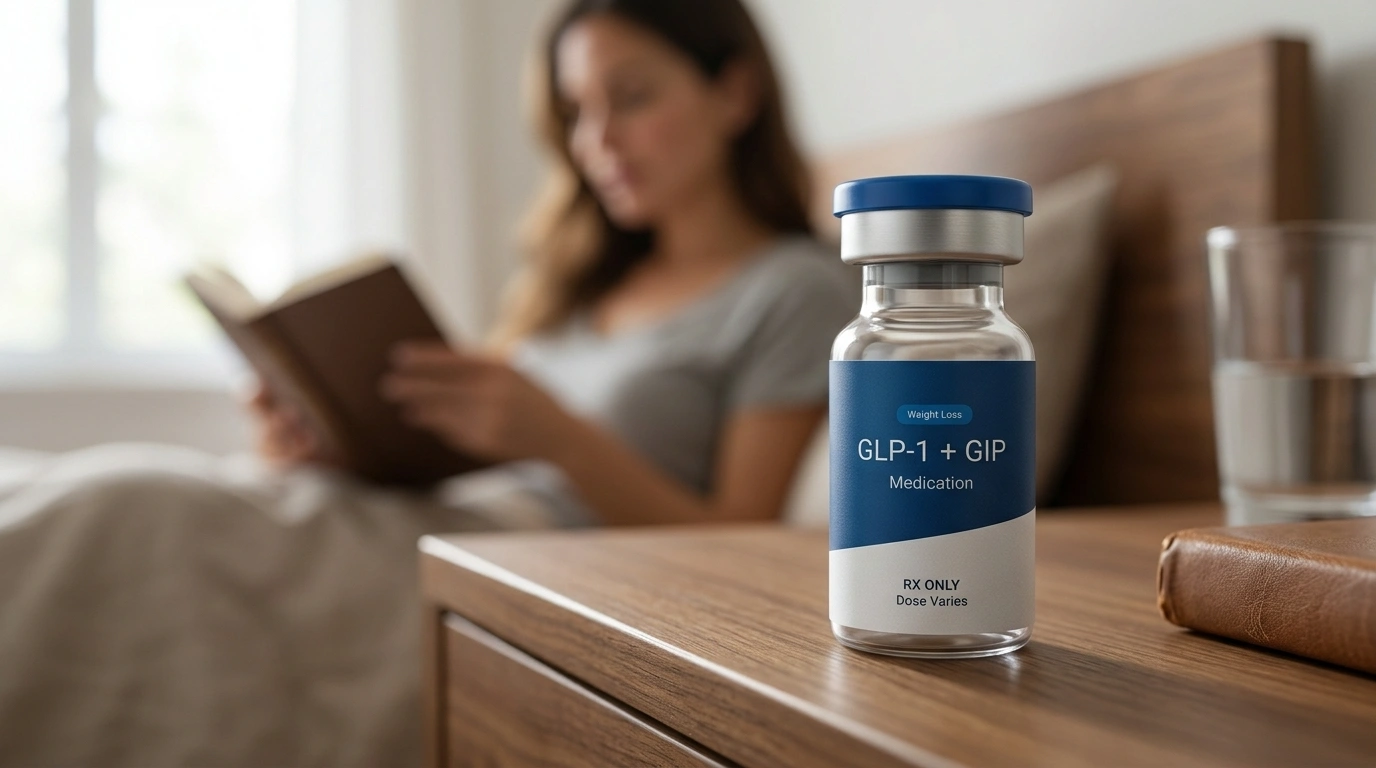
Zepbound® is a brand-name medication containing the active ingredient tirzepatide. Tirzepatide is a bit more complex; it is a dual-agonist. This means it mimics two hormones: GLP-1 and GIP (glucose-dependent insulinotropic polypeptide). GIP is another hormone that helps regulate energy balance and fat metabolism. By targeting two pathways instead of one, tirzepatide is often noted for its high efficacy in clinical settings.
Quick Answer: No, you should not take Ozempic and Zepbound at the same time. These medications work on the same biological pathways, and taking them together is considered “therapeutic duplication,” which significantly increases the risk of severe side effects without providing proven benefits.
The Risks of Therapeutic Duplication
In the medical world, taking two drugs from the same class to treat the same condition is called therapeutic duplication. While some conditions require “cocktail” therapy, metabolic health treatment typically follows a one-at-a-time rule for primary medications. You can also compare their mechanisms in this overview of semaglutide versus tirzepatide.
Over-Stimulating the Gut
Both medications work by slowing gastric emptying, which is the speed at which food leaves your stomach. This is why you feel full longer. If you take both, you risk slowing your digestion to a point that becomes dangerous. This can lead to severe nausea or a condition called gastroparesis, where the stomach muscles stop moving altogether.
Receptor Saturation
Your body has a limited number of GLP-1 receptors. Once those receptors are “full” or saturated by one medication, adding more of a similar medication doesn’t necessarily make it work better. Instead, the excess medication circulates in your system, which often leads to an increase in side effects rather than an increase in weight loss.
Hypoglycemia Concerns
Both semaglutide and tirzepatide influence how your body handles insulin and glucose (blood sugar). While they are designed to lower blood sugar only when it is high, combining them can lead to hypoglycemia, or dangerously low blood sugar. This can cause dizziness, confusion, fainting, and in extreme cases, more serious medical emergencies.
Key Takeaway: More is not always better in metabolic medicine. Doubling up on GLP-1 pathways can overwhelm your digestive system and lead to toxicity or severe dehydration.
Potential Side Effects of Combining Medications
If an individual were to combine these treatments against medical advice, the side effects would likely be much more intense than taking a single medication. Because these drugs stay in your system for a long time—often a full week—you cannot simply “stop” the effects once they start.
- Severe Gastrointestinal Distress: This includes uncontrollable vomiting and diarrhea, which can quickly lead to dehydration.
- Dehydration and Kidney Strain: Severe vomiting and diarrhea can strip the body of fluids. This puts immense pressure on the kidneys, which can lead to acute kidney injury.
- Pancreatitis Risk: Both medications carry a small, noted risk of pancreatitis (inflammation of the pancreas). Layering them could potentially increase this risk.
- Gallbladder Issues: Rapid weight loss and high doses of incretin mimetics are associated with gallstones and gallbladder inflammation.
Note: If you are currently taking a GLP-1 medication and feel it is not working as expected, do not add another medication on your own. Always consult a licensed healthcare provider to discuss a dosage adjustment or a supervised switch.
Why You Might Consider One Over the Other
Since you cannot take them together, the real question often becomes which one is right for your specific health profile. This is where the personalized approach we advocate for at TrimRx becomes essential. Every body reacts differently to different molecules. If you are weighing these options, you can see whether a personalized program may be appropriate.
The Case for Semaglutide
Semaglutide (the active ingredient in Ozempic® and Wegovy®) has been on the market longer for weight management purposes. It has an extensive track record of safety and effectiveness. Many people find that semaglutide provides a steady, manageable weight loss experience with side effects that subside after the first few weeks of treatment.
The Case for Tirzepatide
Tirzepatide (the active ingredient in Zepbound® and Mounjaro®) is often viewed as a “next-generation” option because of its dual-action mechanism. For some individuals who have reached a plateau on semaglutide, a provider might recommend switching to tirzepatide because the addition of the GIP pathway can “reset” the body’s response to treatment.
Compounded Alternatives
In addition to branded medications, many patients access these active ingredients through compounded semaglutide or compounded tirzepatide. These are prepared by FDA-registered, inspected compounding pharmacies. They allow for more flexible dosing and can be a vital option during national shortages of branded drugs.
Bottom line: While you cannot use both at once, you can work with a provider to find which of the two active ingredients your body responds to best.
Can You Switch From Ozempic to Zepbound?
While you cannot take them at the same time, you can switch from one to the other under medical supervision. This is a common strategy when a patient stops losing weight or experiences side effects they can no longer tolerate. For more detail, read this semaglutide-to-tirzepatide switching guide.
The Transition Process
Moving from Ozempic to Zepbound (or semaglutide to tirzepatide) is not a 1:1 swap. Because they are different molecules, a healthcare provider will typically determine a “cross-over” dose. This prevents your body from experiencing a sudden “gap” in treatment while also ensuring you don’t start at too high a dose of the new medication, which could cause a shock to your system.
Step 1: Consultation
Review your current progress and side effects with a licensed provider. They will determine if a switch is clinically appropriate.
Step 2: The Washout or Transition Period
Depending on your current dose, the provider might suggest waiting a specific number of days after your last dose of semaglutide before starting tirzepatide.
Step 3: New Dose Induction
You will likely start at a mid-range or low dose of the new medication to see how your body handles the GIP component of the dual-agonist.
Step 4: Monitoring
Close observation during the first month is critical to ensure your blood sugar remains stable and your digestive system is adapting.
The Importance of Professional Supervision
The temptation to self-medicate or combine treatments often comes from a place of desperation or a desire for faster results. However, weight loss is a marathon, not a sprint. The biology of your metabolic system is delicate.
Through our platform, we connect you with licensed healthcare providers who specialize in these treatments. This ensures that:
- Your medical history is screened: Providers check for contraindications like a history of medullary thyroid carcinoma or MEN 2 syndrome.
- Dosage is managed: Instead of adding a second drug, a provider might safely increase your current dose.
- Support is available: If you do experience side effects, you have a clinical team to guide you through them.
Myth: Taking both Ozempic and Zepbound will make you lose weight twice as fast.
Fact: Taking both can cause severe illness and does not have clinical data to support faster or safer weight loss. It is a dangerous practice that medical professionals strictly avoid.
Supporting Your Treatment Safely
Instead of looking for a second prescription medication to “stack,” many people find success by adding targeted nutritional support. When you are eating less on a GLP-1 program, the quality of your nutrients becomes even more important. For appetite-related nutritional support, consider the GLP-1 Daily Support supplement.
We offer quick-access supplements like GLP-1 Daily Support and Weight Loss Boost. These are designed to complement your program by providing essential nutrients that might be lacking when your appetite is suppressed. These supports can help manage common issues like fatigue or muscle maintenance without interfering with the medication’s primary pathway. For energy and metabolic support, explore the Weight Loss Boost supplement.
The Role of Personalized Programs
Weight loss is not a “one size fits all” solution. A person with a BMI of 32 and early-stage insulin resistance has different needs than someone with a BMI of 40 and a history of heart disease. Our mission is to move away from the “pharmacy counter” approach and toward a comprehensive care model.
When you use the TrimRx platform, your program is tailored to you. This includes:
- Digital health assessments to determine eligibility.
- Access to compounded medications when appropriate.
- Ongoing adjustments based on your real-world results.
- A focus on long-term metabolic health, not just the number on the scale.
Avoiding Common Pitfalls
If you are considering these medications, it is easy to get caught up in social media trends or anecdotal advice. Here are three things to keep in mind to stay safe:
- Don’t Mix Brands: Even if you have “leftover” pens from a previous prescription of Ozempic, do not use them while starting a new Zepbound prescription.
- Report All Medications: Always tell your provider about every supplement, vitamin, and over-the-counter drug you are taking. Some oral medications are absorbed differently when your digestion slows down.
- Prioritize Hydration: Because these drugs can cause nausea, many people stop drinking enough water. This is the leading cause of the “hangover” feeling associated with GLP-1s.
The Future of GLP-1 Combinations
Scientists are constantly researching new ways to help the body lose weight. There are “triple-agonist” medications currently in clinical trials that target GLP-1, GIP, and Glucagon all in one molecule. However, these are highly engineered single medications. They are not the same as a person taking two separate injections of different brands at home. Until a single medication is FDA-approved for triple or dual action, you should stick to the single medication prescribed by your doctor.
How to Get Started Safely
If you are frustrated with your current progress or are just beginning your journey, the safest first step is a professional evaluation. You don’t need to navigate the complexities of semaglutide vs. tirzepatide alone. To begin, take the free assessment quiz.
The Process:
- Take our free assessment quiz. This helps a provider understand your goals and health history.
- Wait for a clinical review. A licensed provider will determine which medication—if any—is right for you.
- Receive your personalized plan. If prescribed, your medication will be shipped directly to your door from a qualified pharmacy.
- Engage with our team. Use the platform to ask questions, report progress, and get the support you need 24/7.
Conclusion
The question of whether you can take Ozempic and Zepbound at the same time has a clear clinical answer: it is not safe and not recommended. While the desire for rapid results is understandable, the risks of severe gastrointestinal distress, dehydration, and metabolic imbalance far outweigh any potential benefit. Your weight loss journey is a long-term commitment to your health, and that health depends on a foundation of safety and clinical expertise.
At TrimRx, we believe in a balanced, science-backed approach. We focus on providing personalized programs that respect your body’s limits while pushing toward your goals. Whether it is through a managed prescription program or supplemental support, the path to sustainable weight loss is built on one step at a time—not two medications at once.
- Combining GLP-1 and Dual-Agonist medications is “therapeutic duplication.”
- Risks include severe nausea, vomiting, and kidney strain.
- Personalized dosing of a single medication is the gold standard for safety.
- Switching medications is a safe alternative to combining them, provided it is done under medical supervision.
“The goal of modern weight loss is not just to lose weight, but to improve metabolic health sustainably. Safety is the first step in that transformation.”
To see which personalized program fits your health profile, the best next step is to complete a free assessment quiz and connect with a provider.
FAQ
Can I switch from Ozempic to Zepbound if I hit a plateau?
Yes, many healthcare providers transition patients from semaglutide to tirzepatide if weight loss stalls. This switch must be managed by a professional to ensure the new dosage is appropriate and to monitor for any new side effects related to the GIP hormone. Read this guide to switching from semaglutide to tirzepatide for additional background.
What happens if I accidentally take both Ozempic and Zepbound?
If you have taken both, you should contact your healthcare provider or seek medical attention immediately. You may experience severe vomiting, abdominal pain, or symptoms of low blood sugar such as shakiness and confusion. It is vital to stay hydrated while the medications work their way out of your system.
Why is Zepbound considered different from Ozempic?
While Ozempic only targets the GLP-1 receptor to suppress appetite, Zepbound targets both the GLP-1 and GIP receptors. This dual-action approach may offer more significant weight loss for some individuals, but it also means the body is processing two different hormonal signals instead of one.
Is it safe to take weight loss supplements with these medications?
Some supplements are safe and even helpful, but you should always check with your provider first. We offer specific products like GLP-1 Daily Support that are designed to help manage the nutritional gaps often caused by a reduced appetite during treatment.
Disclaimer: This content is for informational purposes only and does not constitute medical advice. It is not intended to diagnose, treat, cure, or prevent any disease or condition. Individual results may vary. Always consult a qualified healthcare professional before starting any weight loss program or medication.

Transforming Lives, One Step at a Time
Keep reading

Why Is There a Bruise Where I Injected My Zepbound?
A bruise means a small blood vessel was disturbed under the skin and blood spread into the surrounding tissue. It is one of the…

My Zepbound Pen Won’t Click Past a Certain Dose
Start by checking which device you are holding, because the answer depends entirely on that. Zepbound has commonly been supplied in the United States…

Zepbound Alternatives: Your Options Compared
If Zepbound isn’t the right fit, the main alternative is semaglutide (sold as Wegovy), which produces slightly less weight loss but works similarly, along…


