Can You Take Zepbound After Gallbladder Removal?
Introduction
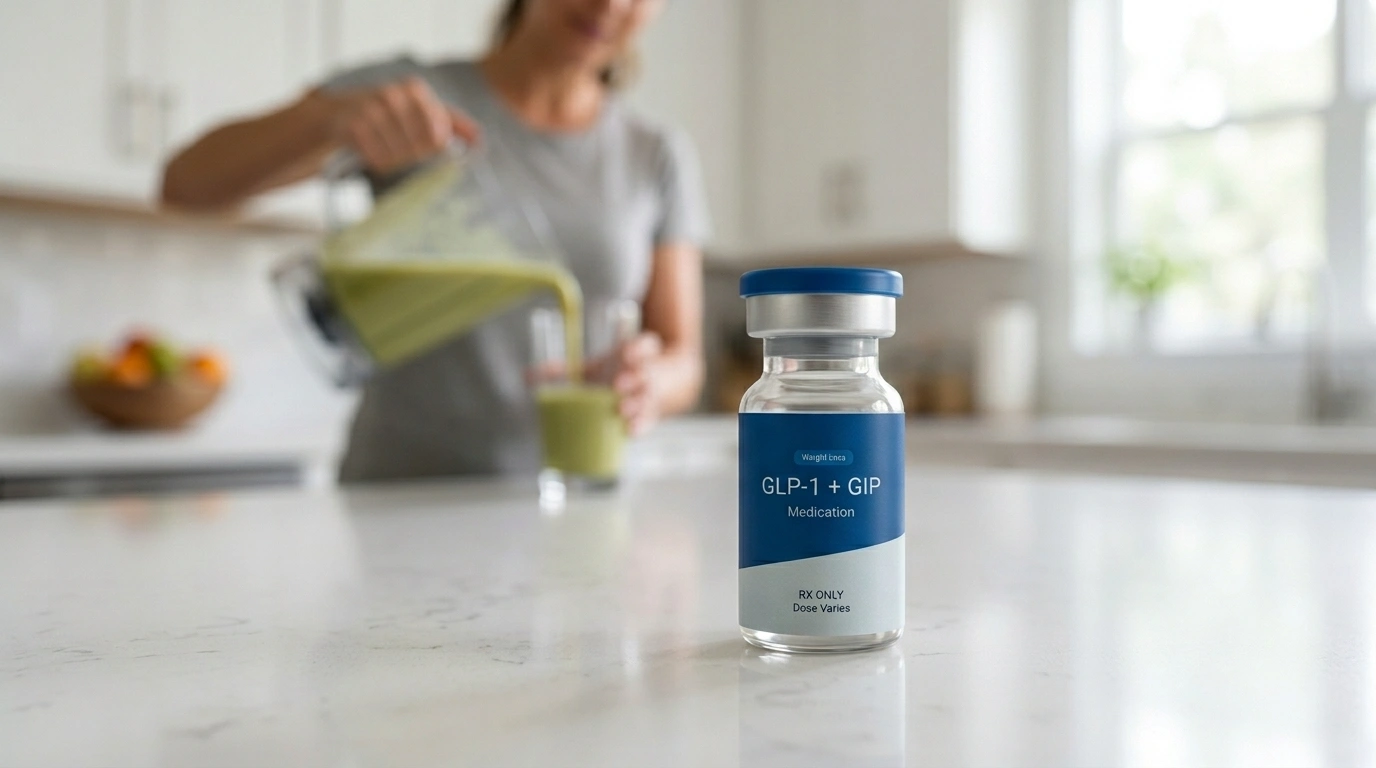
If you have recently undergone gallbladder surgery, you may be wondering how this change affects your health journey. Many individuals successfully using Zepbound® for weight management find themselves asking if they can safely continue their medication after a cholecystectomy, which is the surgical removal of the gallbladder. At TrimRx, we understand that navigating post-operative care while trying to maintain metabolic progress can feel overwhelming. This article will cover the safety considerations for using tirzepatide after surgery, the biological relationship between the gallbladder and GLP-1 medications, and how to manage potential digestive changes. The short answer is that most people can take Zepbound after gallbladder removal, provided they do so under close medical supervision and after an appropriate recovery period.
The Role of the Gallbladder in Digestion
The gallbladder is a small, pear-shaped organ located just beneath the liver. Its primary job is to store and concentrate bile, a fluid produced by the liver that helps the body break down and absorb fats. When you eat a meal containing fat, the gallbladder contracts and releases bile into the small intestine.
When the gallbladder is removed, the liver continues to produce bile, but there is no longer a storage site. Instead of being released in a concentrated burst during a meal, bile trickles continuously into the small intestine. For many people, the body adapts to this change quickly. For others, this shift can lead to digestive sensitivity, particularly when consuming high-fat foods.
What is Zepbound and How Does it Work?
Zepbound is a brand-name medication that contains the active ingredient tirzepatide. It is a dual-acting receptor agonist. A receptor agonist is a substance that mimics the actions of natural hormones in the body to trigger a specific response.
Tirzepatide mimics two specific hormones: glucagon-like peptide-1 (GLP-1) and glucose-dependent insulinotropic polypeptide (GIP). These hormones are naturally released by the intestines after eating. They work together to regulate blood sugar levels, signal the brain that the body is full, and slow down the rate at which the stomach empties. For additional background, you can review this overview of how GLP-1 medications work.
Quick Answer: Yes, you can generally take Zepbound after gallbladder removal. However, because both the surgery and the medication affect your digestive system, you must wait until your surgical team clears you and your digestion has stabilized.
Can You Take Zepbound Without a Gallbladder?
The absence of a gallbladder does not fundamentally change how tirzepatide works in the body. The medication targets receptors in the brain and the gut, not the gallbladder itself. Therefore, having a cholecystectomy does not automatically disqualify you from using this class of medication.
However, the timing of when you restart or begin the medication is critical. Your healthcare provider will likely want to ensure that your surgical incisions are healing well and that you can tolerate a regular diet before introducing or resuming a medication that influences digestion. If you are considering a prescription pathway, you can complete a free eligibility assessment.
Starting the Program Post-Surgery
If you are not currently on the medication but are considering a program like the one offered at TrimRx, your medical history is the first step. Our platform connects you with licensed providers who evaluate your surgical history to ensure a personalized approach. Typically, providers recommend waiting until you have fully recovered from the acute phase of surgery before starting a new prescription. You can also read this guide to tirzepatide after gallbladder removal for additional context.
Managing Surgery and GLP-1 Medications
If you are already taking Zepbound and have a scheduled gallbladder removal, there are strict safety protocols you must follow regarding anesthesia.
The Importance of Pausing Treatment
Most medical societies now recommend pausing GLP-1 and GIP medications like tirzepatide at least one week before any surgery involving anesthesia. This is because these medications slow down gastric emptying, meaning food stays in your stomach significantly longer than usual.
During surgery, if your stomach is not completely empty, there is a risk of pulmonary aspiration. This occurs when stomach contents enter the lungs while you are sedated, which can cause serious complications.
When to Restart After Surgery
You should only restart your medication once you have moved past the initial recovery phase. This usually means:
- You are no longer experiencing significant post-operative nausea.
- Your bowel movements have returned to a regular pattern.
- You are able to consume solid food without discomfort.
- Your surgeon or primary care provider has given explicit clearance.
Key Takeaway: Always inform your surgical team and your weight loss provider about all medications you are taking. A temporary pause is necessary for surgical safety, but most patients return to their routine within a few weeks of recovery.
Overlapping Side Effects: What to Expect
One of the challenges of taking Zepbound after gallbladder removal is that the medication and the post-surgical state share similar side effects.
Digestive Sensitivity
After gallbladder removal, some people experience “post-cholecystectomy syndrome,” which can include gas, bloating, and diarrhea, especially after eating fatty meals. Interestingly, Zepbound can cause similar symptoms, though it is more frequently associated with constipation due to slowed digestion. For more information, see this guide to common GLP-1 side effects.
Common overlapping symptoms include:
- Nausea: Both the recovery from anesthesia and the introduction of tirzepatide can cause waves of nausea.
- Diarrhea: Frequent in the weeks following gallbladder removal as the body adjusts to the constant trickle of bile; also a known side effect of GLP-1 medications.
- Abdominal Discomfort: General bloating or cramping can occur as the digestive tract adapts to the absence of the gallbladder and the presence of the medication.
The Balancing Act
For some patients, the constipation often caused by Zepbound may actually help offset the loose stools sometimes seen after gallbladder surgery. However, for others, the combination might lead to increased gastrointestinal distress. This is why a personalized program is essential. We focus on helping you find a rhythm that minimizes these disruptions. This guide to GLP-1 bowel changes offers more information about constipation and diarrhea during treatment.
Why Some GLP-1 Users Need Gallbladder Surgery
It is not uncommon for individuals on weight loss journeys to require gallbladder surgery. This is often due to the nature of weight loss itself rather than a direct failure of the medication.
Rapid Weight Loss and Gallstones
When you lose weight rapidly, your liver secretes extra cholesterol into the bile. This can lead to the formation of gallstones (cholelithiasis). Since medications like Zepbound, Wegovy®, or Mounjaro® can lead to significant and relatively fast weight loss, the risk of developing gallstones increases. You can review this guide to Zepbound and gallbladder risks for a closer look at this topic.
Slowed Gallbladder Motility
GLP-1 medications can also slow down the contraction of the gallbladder. If the gallbladder does not empty regularly, bile can become stagnant, further contributing to stone formation or inflammation (cholecystitis). If a person develops symptomatic gallstones or a gallbladder infection while on a weight loss program, surgery is often the recommended solution. Once the gallbladder is gone, the source of the pain is removed, and the person can often continue their weight loss journey once healed.
Note: If you experience severe upper abdominal pain, fever, or yellowing of the skin (jaundice) while taking weight loss medication, contact a healthcare professional immediately.
How Personalized Programs Support Your Recovery
At TrimRx, we believe that weight loss is not a “one size fits all” process, especially when surgical history is involved. Using a telehealth platform allows for consistent monitoring and easy access to specialists who can adjust your plan based on how your body is responding post-surgery.
Tailored Dosing Schedules
If you are restarting Zepbound after surgery, your provider might suggest resuming at a lower dose. This “tapering back in” approach helps your digestive system adjust without being overwhelmed. If you were on a high maintenance dose before surgery, jumping back in at that same level could cause intense nausea or vomiting while your body is still healing.
Integration of Supportive Care
Beyond the prescription, a comprehensive program includes lifestyle guidance. This is particularly important for those without a gallbladder. You may need to learn new ways of eating to support both the medication’s effects and your new digestive reality.
Bottom line: Taking Zepbound after gallbladder removal is common and generally safe, but it requires a careful, staged reintroduction and professional oversight to manage digestive side effects.
Lifestyle Tips for Success After Gallbladder Removal
Adapting to life without a gallbladder while on a GLP-1 program requires a few tactical changes to your daily habits.
1. Monitor Fat Intake
Because you no longer have a reservoir for bile, large amounts of fat can be difficult to digest. High-fat meals are also more likely to trigger nausea when taking tirzepatide. Focus on healthy fats in small, distributed amounts throughout the day.
2. Prioritize Hydration and Electrolytes
Both surgery recovery and GLP-1 medications can increase the risk of dehydration. If you experience post-surgical diarrhea, you are losing fluids and essential minerals. Drinking plenty of water and considering an electrolyte supplement can help maintain your energy levels. For additional energy support during weight loss, you can explore the Weight Loss Boost supplement.
3. Eat Smaller, More Frequent Meals
Since Zepbound slows your stomach emptying and your gallbladder is no longer there to help with large “bolus” meals, smaller portions are easier on your system. This approach prevents the stomach from feeling overfull and allows the liver’s constant bile supply to keep up with digestion.
4. Listen to Your Body
If a certain dose of medication feels too strong after surgery, or if certain foods cause immediate distress, take note. A personalized program allows you to communicate these findings to your clinical team so they can make necessary adjustments.
Moving Forward with Your Health Goals
Gallbladder removal is a common procedure and should not be a permanent roadblock to your weight loss goals. By working with a dedicated team, you can navigate the recovery period and safely utilize medications to support your metabolic health.
Our mission at TrimRx is to provide a transparent, supportive, and science-based environment for sustainable weight loss. We merge clinical expertise with the convenience of telehealth to ensure that your program evolves with you—whether you are just starting or are managing health changes along the way.
If you are ready to explore a personalized weight loss program that takes your full medical history into account, the next step is simple. By completing a free health assessment, you can begin the process of connecting with a provider who understands your specific needs.
Key Takeaway: Success after surgery depends on patience and professional guidance. Most patients find that they can resume their weight loss progress once their body has adapted to its new digestive structure.
FAQ
Is it safe to take Zepbound if I already have gallstones?
If you have asymptomatic gallstones, your healthcare provider may still prescribe Zepbound but will monitor you closely. However, if your gallstones are causing pain or inflammation, weight loss medications that slow gallbladder motility might worsen the condition, and surgery is often recommended first.
Does Zepbound cause gallbladder issues?
Clinical studies show that GLP-1 and GIP medications can increase the risk of gallbladder-related events, such as gallstones. This is often a result of rapid weight loss or the medication’s effect on gallbladder emptying, rather than a direct toxic effect on the organ.
How long should I wait after gallbladder surgery to start Zepbound?
Most providers recommend waiting at least two to four weeks, or until you are tolerating a regular diet and no longer experiencing surgical side effects. You must receive a formal clearance from your surgeon before restarting any injectable weight loss medications.
Will I lose weight slower after my gallbladder is removed?
There is no evidence that the absence of a gallbladder slows down the weight loss effectiveness of tirzepatide. While your digestion may change, the metabolic benefits of the medication—such as improved insulin sensitivity and appetite suppression—remain the same.
Disclaimer: This content is for informational purposes only and does not constitute medical advice. It is not intended to diagnose, treat, cure, or prevent any disease or condition. Individual results may vary. Always consult a qualified healthcare professional before starting any weight loss program or medication.

Transforming Lives, One Step at a Time
Keep reading

Can You Eat Clam Chowder on Zepbound?
Clam chowder is a seaside classic, often served in a bread bowl on a chilly day. New England chowder is thick, creamy, and rich…
Can You Eat Korean BBQ on Zepbound?
Korean barbecue is a social, hands-on meal: platters of marinated meats grilled at the table, surrounded by small side dishes called banchan, with lettuce…
Can You Eat Brownies on Zepbound?
Brownies are a classic homemade treat, a bake sale staple, and a common office snack. They are also dense, rich, and very sweet, made…


