Can You Take Zepbound With Antibiotics? Safety and Timing Explained
Introduction
Finding out you need a course of antibiotics while you are mid-journey with a weight loss medication can feel like a major hurdle. You might be dealing with a sudden sinus infection or a dental issue, and the last thing you want is for your medications to clash. When you are using Zepbound® (tirzepatide), a powerful tool for weight management, it is natural to wonder if your weekly injection will interfere with your recovery from an infection.
At TrimRx, we believe that understanding how your medications interact is the first step toward a safer, more effective health journey. If you are also considering whether tirzepatide is the right fit for your goals, you can take the free assessment quiz to see what comes next. While many people successfully use these medications together, there are specific biological reasons why timing and absorption matter. This article explores the relationship between tirzepatide and antibiotics, how your body processes them, and what steps you can take to ensure your treatment remains on track. Generally, you can take Zepbound® with antibiotics, but the way your stomach processes oral medications requires careful consideration.
What Is Zepbound and How Does It Work?
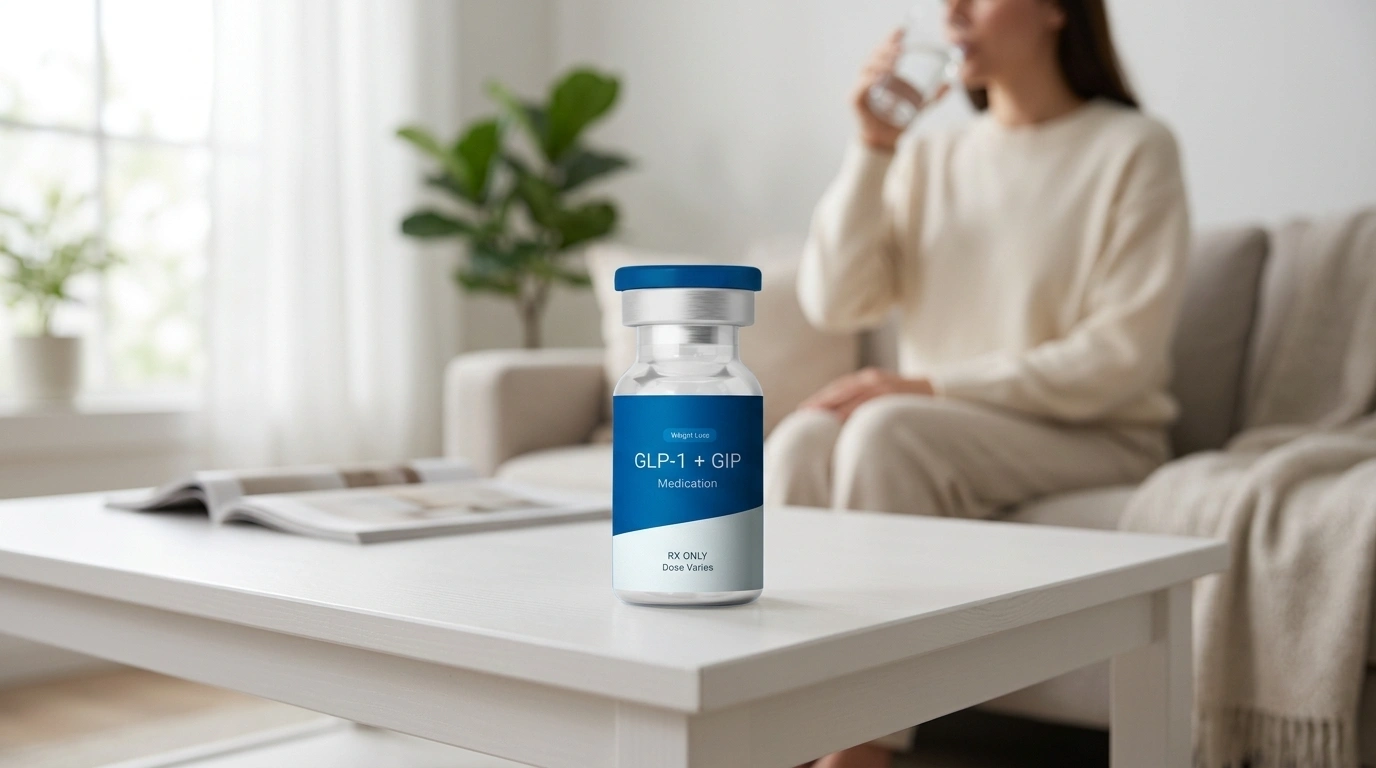
Before looking at drug interactions, it is important to understand the mechanics of the medication. Zepbound® is a branded medication containing the active ingredient tirzepatide. It belongs to a class of drugs known as dual GIP (glucose-dependent insulinotropic polypeptide) and GLP-1 (glucagon-like peptide-1) receptor agonists. These are naturally occurring hormones in your body that help regulate hunger and blood sugar.
When you take this medication, it mimics these hormones to help you feel full sooner and stay full longer. It acts on the brain to reduce food cravings and signals the pancreas to release insulin when blood sugar is high. However, one of its most significant effects for this discussion is how it influences the digestive system. It slows down “gastric emptying,” which is the medical term for how quickly food and oral medications leave your stomach and enter your small intestine.
Key Takeaway: Zepbound® slows down the speed at which your stomach empties its contents. This delay is a primary mechanism for weight loss, but it also changes how your body absorbs any other medicine you swallow.
For a broader look at how this medication class works, see our guide on how tirzepatide supports weight loss.
The Relationship Between Tirzepatide and Antibiotics
The primary concern when combining Zepbound® with antibiotics is not usually a toxic “clash” or a dangerous chemical reaction between the two drugs. Instead, the concern is about efficacy—specifically, whether the antibiotic will work as well as it should.
Because tirzepatide slows down the movement of your digestive tract, any oral antibiotic you take will sit in your stomach for a longer period than usual. Most antibiotics are designed to be absorbed in the small intestine. If the antibiotic remains in the stomach for too long, it might take longer to reach your bloodstream, or in some cases, the stomach acid might begin to break down the medication before it can be properly absorbed.
If you are still exploring whether tirzepatide is the right medication pathway for you, the free assessment quiz is the easiest place to start.
Oral vs. Injectable Antibiotics
The method of delivery makes a massive difference in how these drugs interact.
- Oral Antibiotics: These are pills, capsules, or liquids that you swallow. These are the medications most likely to be affected by slowed gastric emptying. Common examples include amoxicillin, doxycycline, and azithromycin.
- Injectable or IV Antibiotics: If you receive an antibiotic via an injection or an IV at a clinic, it bypasses the digestive system entirely. In these cases, there is no interaction related to absorption speed, and the two medications can generally be used together without concern for timing.
Are There Specific Antibiotic Interactions?
Current clinical data and drug interaction databases, such as those used by healthcare providers, generally show no “major” contraindications between tirzepatide and common antibiotics like amoxicillin or cephalexin. However, the FDA-approved labeling for Zepbound® does include a general warning that it may affect the absorption of any oral medication.
This is particularly important during the first few weeks of treatment or whenever you increase your dosage. During these “titration” periods, the effect on your stomach speed is often at its strongest. If you are starting a new antibiotic at the same time you are increasing your weight loss medication dose, your body might not get the full “peak” concentration of the antibiotic needed to fight the infection effectively.
To better understand how people access treatment in the first place, you can also read how to get tirzepatide for weight loss.
Common Antibiotics and Their Potential Absorption Issues
While most antibiotics are considered safe to take alongside your weight loss program, some are more sensitive to absorption changes than others.
Amoxicillin and Penicillins
Amoxicillin is one of the most frequently prescribed antibiotics in the US. Research suggests that while the time it takes to reach peak levels might be slightly delayed, the total amount of the drug absorbed by the body usually remains sufficient to treat the infection. Most providers do not see this as a reason to stop your weight loss medication.
Doxycycline and Tetracyclines
Doxycycline is often used for skin infections or respiratory issues. This class of medication can be sensitive to timing and what is in your stomach. Because it can already cause stomach upset, taking it while your digestion is slowed by tirzepatide might increase the risk of nausea or “acid reflux” symptoms.
Azithromycin (Z-Pak)
This is a common choice for quick, five-day treatments. Because it stays in your system for a long time, a slight delay in the initial absorption is usually not clinically significant for most patients.
Quick Answer: Yes, you can generally take Zepbound® with antibiotics. There are no known major chemical interactions, but because the weight loss drug slows your digestion, the antibiotic may take longer to start working. Always inform your prescribing doctor about both medications.
If you want to learn more about the medication class itself, our overview of GLP-1 medications and weight loss explains the broader context.
Managing Side Effects When Taking Both Medications
The most common challenge when combining these treatments is not a loss of effectiveness, but an increase in gastrointestinal (GI) side effects. Both GLP-1 medications and antibiotics are known to cause stomach-related issues.
Nausea and Vomiting
Antibiotics can disrupt the natural balance of bacteria in your gut, leading to nausea. Zepbound® also commonly causes nausea as the body adjusts to the medication. When you combine them, the effect can be additive. If you are already struggling with “first-day” nausea from your injection, adding an antibiotic might make you feel significantly worse.
Diarrhea and Dehydration
Antibiotics are notorious for causing diarrhea. Similarly, some users of tirzepatide experience changes in bowel habits. The biggest risk here is dehydration. If you are losing fluids through diarrhea and finding it hard to drink water because of the “fullness” feeling from your weight loss medication, you can quickly become dehydrated. This can lead to more serious issues like kidney strain.
Tips for Managing the Combined Side Effects:
- Prioritize Hydration: Drink small, frequent sips of water throughout the day. Consider electrolyte-balanced drinks if you are experiencing diarrhea.
- Eat Bland Foods: Stick to the “BRAT” diet (Bananas, Rice, Applesauce, Toast) if your stomach feels sensitive while on antibiotics.
- Probiotics: Ask your doctor if taking a high-quality probiotic can help restore your gut flora and reduce antibiotic-induced digestive issues.
- Timing the Dose: If possible, try not to take your antibiotic at the exact same time as your weekly weight loss injection to give your stomach a break.
The Importance of the Initial Assessment
When you begin a medically supervised program, transparency is your best tool for safety. At TrimRx, we prioritize a thorough initial health assessment. This process allows licensed healthcare providers to look at your entire medical history and your current list of medications.
If you are already on a long-term antibiotic for a chronic condition, your provider needs to know this before they recommend a personalized weight loss program. We use this information to ensure that your dosage is appropriate and that your weight loss journey doesn’t compromise your recovery from other health issues.
Our mission at TrimRx is to provide a telehealth platform that bridges the gap between clinical expertise and your daily life. We want you to feel supported, not just during the “good” weeks when the weight is falling off, but also during the weeks when you are under the weather and need an antibiotic.
For more background on getting started with care, you can review how TrimRx helps people get GLP-1 medication prescribed.
Antibiotics and Birth Control: A Special Warning
There is a very specific interaction that every person of childbearing age should know. Zepbound® and other tirzepatide medications can reduce the effectiveness of oral birth control pills. This happens for the same reason we discussed earlier: the medication sits in the stomach too long and isn’t absorbed into the bloodstream at the right time.
Many antibiotics also have a reputation for interfering with birth control. When you take both Zepbound® and an antibiotic, the risk of “contraceptive failure” may increase significantly.
Note: If you use oral birth control, healthcare providers strongly recommend using a backup method (like condoms) for at least four weeks after starting tirzepatide and for four weeks after every dose increase. This is especially critical if you are also taking a course of antibiotics.
When Should You Contact Your Healthcare Provider?
While most interactions are manageable, you should always keep a close eye on your symptoms. You should contact a healthcare professional if you experience any of the following while taking Zepbound® and antibiotics:
- Severe or persistent vomiting: If you cannot keep your antibiotic down, it cannot treat your infection.
- Signs of dehydration: This includes extreme thirst, dark-colored urine, dizziness, or a rapid heartbeat.
- Worsening of infection symptoms: If your fever returns or your infection symptoms don’t improve after a few days on the antibiotic, it might not be absorbing correctly.
- Severe abdominal pain: This can sometimes be a sign of more serious issues like pancreatitis, which is a rare but serious side effect associated with GLP-1 medications.
How Personalized Programs Help
One of the benefits of using a platform like ours is the access to ongoing support. Weight loss is not a “set it and forget it” process. It is a dynamic journey that changes when you get sick, travel, or change your routine.
By using a personalized program, you have a clear path to follow. If you are prescribed an antibiotic by an urgent care doctor, you can reach out to your dedicated team to ask how to adjust your schedule. We help you navigate these small bumps in the road so they don’t become reasons to quit your program. Our goal is to make sure your metabolic health is always moving in the right direction, even when you have to take a detour for an infection.
Compounded Tirzepatide vs. Branded Medications
In your research, you may see mentions of both Zepbound® and compounded tirzepatide. It is important to understand the difference. Zepbound® is a branded, FDA-approved medication. Compounded tirzepatide, on the other hand, is prepared by specialized, licensed pharmacies.
While compounded medications are not FDA-approved, they are often used when branded medications are in short supply or when a patient needs a specific dosage. At TrimRx, we connect patients with licensed providers who may prescribe compounded medications shipped from FDA-registered and inspected compounding pharmacies. Regardless of whether you are using a branded or compounded version, the active ingredient—tirzepatide—works the same way in the gut. This means the advice regarding antibiotics and slowed gastric emptying remains the same for both.
A Step-By-Step Guide to Taking Antibiotics on Zepbound
If you have just been handed a prescription for an antibiotic, here is a simple process to follow:
Step 1: Inform the Prescribing Doctor. Tell the doctor who is treating your infection that you are on a weekly tirzepatide injection. They may choose a specific antibiotic that is less likely to cause GI upset.
Step 2: Check Your Weight Loss Schedule. If you are due for a dose increase of Zepbound® this week, consider asking your weight loss provider if you should delay the increase until your antibiotic course is finished.
Step 3: Monitor Your Stomach. Take your antibiotic with food if the label allows it. This can help buffer the stomach lining and reduce nausea.
Step 4: Stay Ahead of Dehydration. Don’t wait until you are thirsty. Drink water or broth throughout the day to support your kidneys and your recovery.
Step 5: Use Backup Protection. If you are on oral birth control, use a non-hormonal backup method of contraception for the duration of the antibiotic and for several weeks following.
The Bottom Line on Antibiotic Interactions
The takeaway is one of cautious optimism. You do not have to choose between treating your infection and continuing your weight loss journey. Most people can safely combine these medications, provided they are mindful of their body’s signals.
The “slow-motion” nature of your digestion is the only real hurdle. By staying hydrated, choosing the right foods, and keeping your healthcare team in the loop, you can successfully navigate a course of antibiotics while staying on track with your metabolic goals.
Bottom Line: While antibiotics and tirzepatide are generally safe to use together, the slowed digestion caused by the weight loss medication can delay antibiotic absorption and increase stomach-related side effects.
Conclusion
Managing your health is a balancing act, especially when you are using advanced treatments like GLP-1 or GIP receptor agonists. At TrimRx, we are committed to being your partner in that balance. We provide the tools, the technology, and the clinical oversight to help you reach your goals safely and sustainably.
Our mission is to empower you with the knowledge you need to handle life’s unexpected moments—like a sudden need for antibiotics—without losing sight of your long-term health. Through personalized care and a transparent approach, we help you transform your lifestyle one step at a time. If you are ready to take the next step in your health journey, complete the free assessment quiz and let our team guide you.
FAQ
Does Zepbound make antibiotics less effective?
Zepbound® does not chemically neutralize antibiotics, but it does slow down how quickly they are absorbed into your system. In most cases, this delay is minor and does not prevent the antibiotic from working, but for very time-sensitive infections, you should consult your healthcare provider.
Can I skip my Zepbound dose while on antibiotics?
You should never skip or delay a dose without consulting the healthcare provider who manages your weight loss program. In some cases, if you are experiencing severe nausea from an infection, your doctor may suggest a brief pause, but this must be done under medical supervision.
What is the most common side effect of taking both together?
The most common side effect is increased gastrointestinal distress, including nausea, bloating, and diarrhea. Because both medications affect the gut, the combination can be tougher on your stomach than taking either medication alone.
Do I need to worry about antibiotics if I am using compounded tirzepatide?
Yes, the advice is the same for compounded tirzepatide as it is for branded Zepbound®. Both versions of the medication contain the active ingredient that slows gastric emptying, which is the primary cause of potential interactions with oral antibiotics.
Disclaimer: This content is for informational purposes only and does not constitute medical advice. It is not intended to diagnose, treat, cure, or prevent any disease or condition. Individual results may vary. Always consult a qualified healthcare professional before starting any weight loss program or medication.

Transforming Lives, One Step at a Time
Keep reading

Why Is There a Bruise Where I Injected My Zepbound?
A bruise means a small blood vessel was disturbed under the skin and blood spread into the surrounding tissue. It is one of the…
My Zepbound Pen Won’t Click Past a Certain Dose
Start by checking which device you are holding, because the answer depends entirely on that. Zepbound has commonly been supplied in the United States…
Zepbound Alternatives: Your Options Compared
If Zepbound isn’t the right fit, the main alternative is semaglutide (sold as Wegovy), which produces slightly less weight loss but works similarly, along…


