Do You Take Ozempic in the Morning or at Night?
Introduction
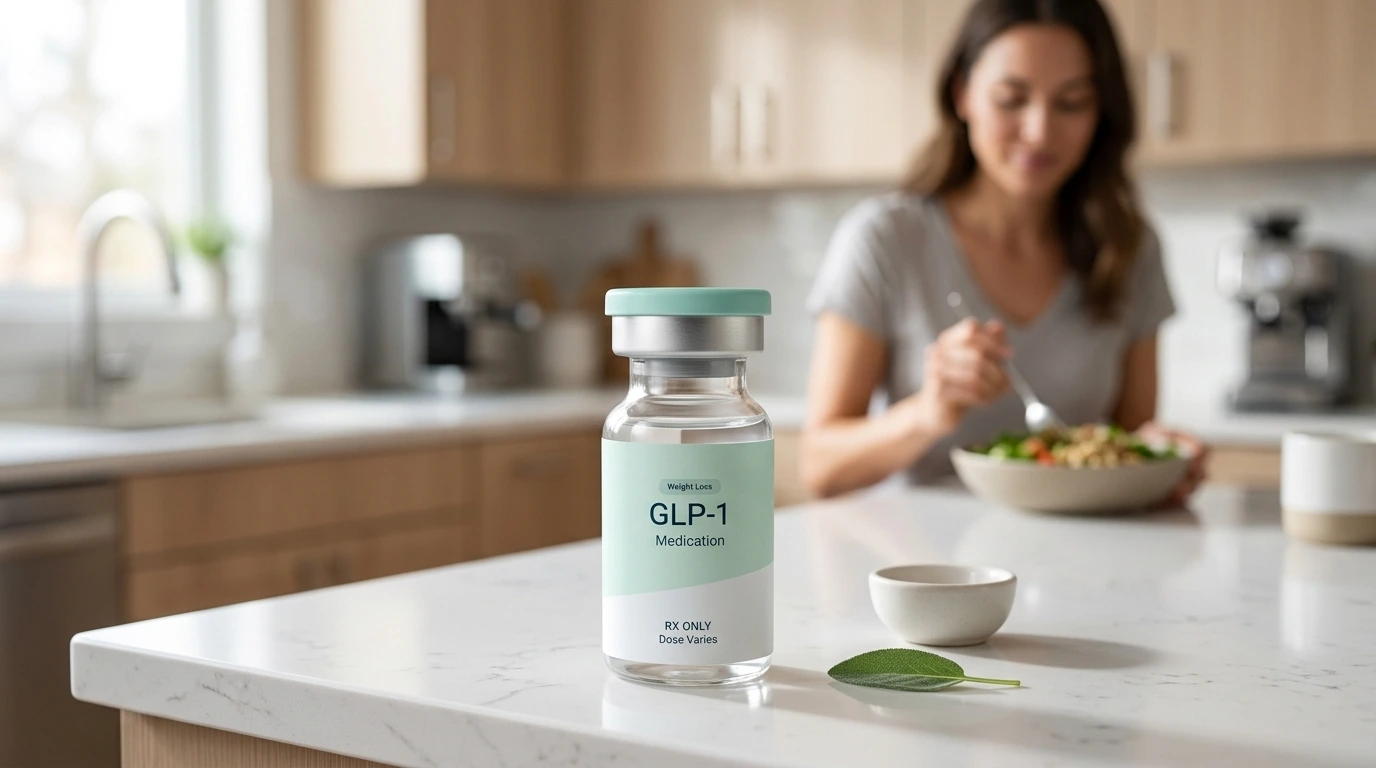
Starting a weight loss journey with a GLP-1 medication often leads to a flurry of logistical questions. You might find yourself staring at your prescription pen, wondering if the hour you choose to use it will dictate your success or influence your side effects. One of the most common questions we hear is: do you take Ozempic in the morning or at night?
At TrimRx, we believe that clarity is the foundation of confidence when navigating a new health program. If you want to see whether a GLP-1 program fits your goals, take our free assessment quiz and compare your routine with provider guidance. This article will explore how timing affects your body’s response to semaglutide (the active ingredient in Ozempic®), the benefits of different schedules, and how to create a routine that feels sustainable. While the medication is clinically effective regardless of the hour, choosing a window that aligns with your lifestyle can help you manage potential side effects and stay consistent.
The Science of Semaglutide Timing
Ozempic® is a GLP-1 receptor agonist designed for once-weekly administration. If you want a broader overview of the category, our guide to what GLP-1 medications are is a useful companion read. GLP-1 stands for glucagon-like peptide-1, a hormone naturally produced in your gut that tells your brain you are full and prompts your pancreas to manage blood sugar. Because this medication has a long half-life—the time it takes for the concentration of the drug in your body to reduce by half—it stays active in your system for a full seven days.
Quick Answer: There is no clinical requirement to take Ozempic® at a specific time of day. Because the medication remains active in your bloodstream for a week, your choice between morning or night should be based on personal preference and how your body responds to the initial doses.
The “steady state” of the medication is more important than the hour of injection. Once you have been on a consistent dose for several weeks, the levels of the medication in your blood remain relatively stable. This means the hunger-suppressing effects do not “wear off” overnight, nor do they “spike” immediately after a morning shot. Your primary goal is to ensure you take the dose on the same day every week to maintain this equilibrium.
Morning Injections: Pros and Cons
Injecting in the morning is a popular choice for those who prefer to “set it and forget it.” If you want a deeper look at timing preferences, our guide on morning or night Ozempic timing breaks down the same decision. If you have a structured morning routine—perhaps involving coffee, a vitamins regimen, or a specific skincare schedule—adding your weekly injection to this block can make it easier to remember.
Advantages of Morning Dosing
A morning dose allows you to monitor your body’s reaction throughout the day. For individuals who are concerned about how they might feel after a dose increase, taking the shot early provides a full day of wakefulness to track any changes. If you experience mild fatigue, you can adjust your activity levels accordingly.
Potential Disadvantages
The primary drawback of a morning injection is the potential for daytime nausea. If you are one of the patients who experiences a wave of gastrointestinal (GI) discomfort shortly after administration, you may find it difficult to focus on work or daily chores. However, many people find that taking their shot alongside a small, protein-rich snack can help mitigate this.
Nighttime Injections: Pros and Cons
Many healthcare providers suggest taking the injection in the evening. This is often the preferred recommendation for those who are sensitive to the initial side effects of GLP-1 medications.
Advantages of Evening Dosing
The most significant benefit of an evening dose is the ability to “sleep through” potential nausea. If your body tends to react with mild stomach upset in the hours immediately following the shot, being asleep during that peak can make the experience much more comfortable. Many patients report waking up feeling refreshed and ready to utilize the appetite-suppressing benefits the following day.
Potential Disadvantages
Evening dosing can sometimes interfere with sleep if you experience acid reflux. Because semaglutide slows down gastric emptying—the speed at which food leaves your stomach—lying down immediately after a large meal followed by an injection might cause heartburn for some. If you choose a nighttime schedule, try to wait an hour or two after your last meal before injecting.
Comparison: Morning vs. Night Injection
| Factor | Morning Injection | Nighttime Injection |
|---|---|---|
| Primary Benefit | Easy to remember as part of a routine. | May sleep through early side effects. |
| Side Effect Impact | Nausea may occur during work/daily tasks. | Potential for acid reflux if taken right after dinner. |
| Monitoring | Can track feelings in real-time. | Minimal awareness of initial body response. |
| Best For | Routine-oriented “early birds.” | Those prone to nausea or GI upset. |
Managing Side Effects Through Timing
Side effects are most common during the first few weeks of treatment or when your dose increases. For a practical walkthrough of common symptoms and relief strategies, see nausea and GLP-1 medications solutions that work. Common experiences include nausea, diarrhea, or a feeling of being overly full. These are usually a sign that the medication is working to slow your digestion and communicate with your brain’s hunger centers.
Key Takeaway: While you cannot change the medication’s chemistry, you can change your environment. Adjusting your injection timing is one of the simplest tools you have to improve your comfort without changing your clinical plan.
If you choose to switch your timing, do so gradually. If you usually take your shot on Monday morning and want to move to Monday night, you can simply wait until that evening. However, if you want to change the day of the week, consult with a professional. At TrimRx, we prioritize helping our members find a rhythm that works for their unique biology through our personalized programs.
Strategies for a Smooth Injection Day
- Hydrate aggressively: Drinking plenty of water the day before and the day of your injection can significantly reduce the likelihood of headaches and nausea.
- Prioritize protein: Eating a small, lean protein snack (like Greek yogurt or a few slices of turkey) before your shot can stabilize your stomach.
- Avoid heavy fats: High-fat, greasy, or fried foods can clash with the slowed digestion caused by GLP-1s, leading to discomfort regardless of when you take the shot.
The Importance of Consistency
Consistency is the “secret ingredient” to sustainable weight loss. While the debate over morning vs. night is helpful for comfort, the day of the week is what truly matters for your metabolic health.
Establishing a weekly ritual helps the brain form a habit. Whether it is “Sunday Night Reset” or “Friday Morning Kickoff,” pick a day where you are typically at home and have control over your environment. Avoid picking a day where you are often traveling or have unpredictable work hours.
Bottom line: The “best” time is whichever time ensures you never miss a dose.
Choosing a Personalized Path
Every body reacts differently to GLP-1 medications. Some individuals feel a burst of energy, while others feel a need for rest. Some may find they need to eat a small meal before their dose, while others prefer an empty stomach. There is no one-size-fits-all answer because your metabolism is unique to you.
We understand that the transition to medical weight loss can feel overwhelming. That is why our platform connects you with licensed providers who can help you navigate these choices. If you want a preview of the preparation phase, our guide on what to do before taking Ozempic can help you think through the steps. Our personalized programs are designed to remove the guesswork, providing you with Compounded Semaglutide or other options like Tirzepatide through a telehealth-first model. This means you have access to expert guidance on dosing and timing without ever sitting in a waiting room.
How to Get Started with Your Routine
Step 1: Complete a health assessment. Start by taking a free assessment quiz to share your medical history and weight loss goals. This helps determine if a GLP-1 medication is the right fit for your health profile.
Step 2: Consult with a provider. Once your assessment is reviewed, you will work with a licensed professional who can explain the nuances of your treatment, including whether a morning or evening schedule might be better based on your history of nausea or sleep patterns.
Step 3: Receive your medication. If prescribed, your medication—shipped from FDA-registered, inspected compounding pharmacies—will arrive at your door with clear instructions on how to begin.
Step 4: Monitor and adjust. Use the first two to four weeks to “listen” to your body. If you start with morning doses and feel sluggish, try switching to an evening dose the following week.
Myths vs. Facts About Dosing
Myth: Taking Ozempic® at night makes it work better for weight loss because you “burn fat while you sleep.” Fact: The medication works by regulating appetite and blood sugar over a 168-hour period (one week). It does not have a “peak” fat-burning hour based on your sleep cycle.
Myth: You must take the injection on an empty stomach. Fact: Unlike some oral medications, injectable semaglutide can be taken with or without food. Its absorption into the bloodstream from the subcutaneous fat is not affected by what is in your stomach.
Beyond the Injection: Holistic Support
A medication is a tool, not a total solution. While timing your Ozempic® dose correctly can make the journey more comfortable, the best results come from a comprehensive approach to metabolic health. This includes mindful eating, consistent movement, and proper nutrient support.
To support this, we offer quick-access supplements that do not require a prescription. Products like GLP-1 Daily Support are designed to help fill nutritional gaps that may occur when your appetite decreases.
Similarly, our Weight Loss Boost can be a helpful addition for those looking to optimize their energy levels throughout the week. Integrating these supports can make the transition to a lower-calorie lifestyle feel more natural and less like a struggle.
Conclusion
Determining whether to take Ozempic® in the morning or at night is a personal decision centered on your comfort and lifestyle. There is no “wrong” time, provided you remain consistent with your weekly schedule. Morning injections are excellent for those who want to integrate the dose into a busy routine, while evening injections are a strategic choice for minimizing the impact of potential nausea.
More broadly, if you’re still building the habits that make weekly treatment easier to stick with, our guide on how to start a weight loss journey that actually lasts offers a helpful framework.
Next Step: If you are ready to see if a personalized weight loss program is right for you, take our free assessment quiz today to connect with a licensed healthcare provider.
FAQ
Can I change my Ozempic injection time from morning to night?
Yes, you can change the time of day you take your injection. Since the medication stays in your system for a week, moving the dose by several hours on your scheduled day will not affect its efficacy or safety. If you want a deeper walkthrough of weekly timing, our guide to your weekly Ozempic routine explains the same principle in more detail.
Does taking Ozempic at night help with nausea?
Many people find that taking the injection in the evening allows them to sleep through the peak period of initial nausea. If you find that daytime doses interfere with your work or activities, switching to an evening schedule is a common and effective strategy.
Should I take Ozempic on an empty stomach or with food?
Ozempic® can be taken with or without food. Unlike oral semaglutide (Rybelsus®), which has strict fasting requirements, the injectable version is absorbed through the fat under your skin, so your meal timing does not impact how well the drug works.
What if I forget to take my dose at my usual time?
If you miss your scheduled time, take the dose as soon as you remember, provided it is within five days of the original date. If more than five days have passed, skip the missed dose and wait until your next regularly scheduled day to keep your levels consistent.
Disclaimer: This content is for informational purposes only and does not constitute medical advice. It is not intended to diagnose, treat, cure, or prevent any disease or condition. Individual results may vary. Always consult a qualified healthcare professional before starting any weight loss program or medication.

Transforming Lives, One Step at a Time
Keep reading
Can You Take Ibuprofen on Ozempic?
For occasional use in someone who is well hydrated and has healthy kidneys, ibuprofen is generally considered reasonable, and it is worth checking with…

Why Do I Feel Best Two Days After My Ozempic Injection?
Because you are noticing the shape of a weekly dose, and day two often sits in a useful window: the initial side effects have…

Does Pepto Bismol Help Nausea on Ozempic?
Ask your pharmacist before using it, because Pepto Bismol is not the neutral stomach remedy most people assume. Its active ingredient, bismuth subsalicylate, contains…


