Can I Eat Spicy Food on Mounjaro? Diet Tips and Advice
Introduction
Starting a weight loss journey often involves more than just a new prescription; it requires a complete rethink of your relationship with food. If you are someone who enjoys a bit of heat in your meals, you might be asking yourself if you can eat spicy food on Mounjaro. This is a common concern for many people using GLP-1 and GIP receptor agonists, as these medications change the way your digestive system handles everything you consume. At TrimRx, we believe that understanding the “why” behind your body’s reactions is the first step toward a successful and sustainable transformation. This post covers how spicy foods interact with tirzepatide, the risks of gastrointestinal discomfort, and how you can manage your diet to optimize your results. While you do not necessarily have to give up your favorite flavors forever, a cautious approach is essential for your comfort. If you are considering prescription weight loss treatment, you can complete a free eligibility assessment to see whether a personalized program may be right for you.
Understanding How Tirzepatide Affects Your Body
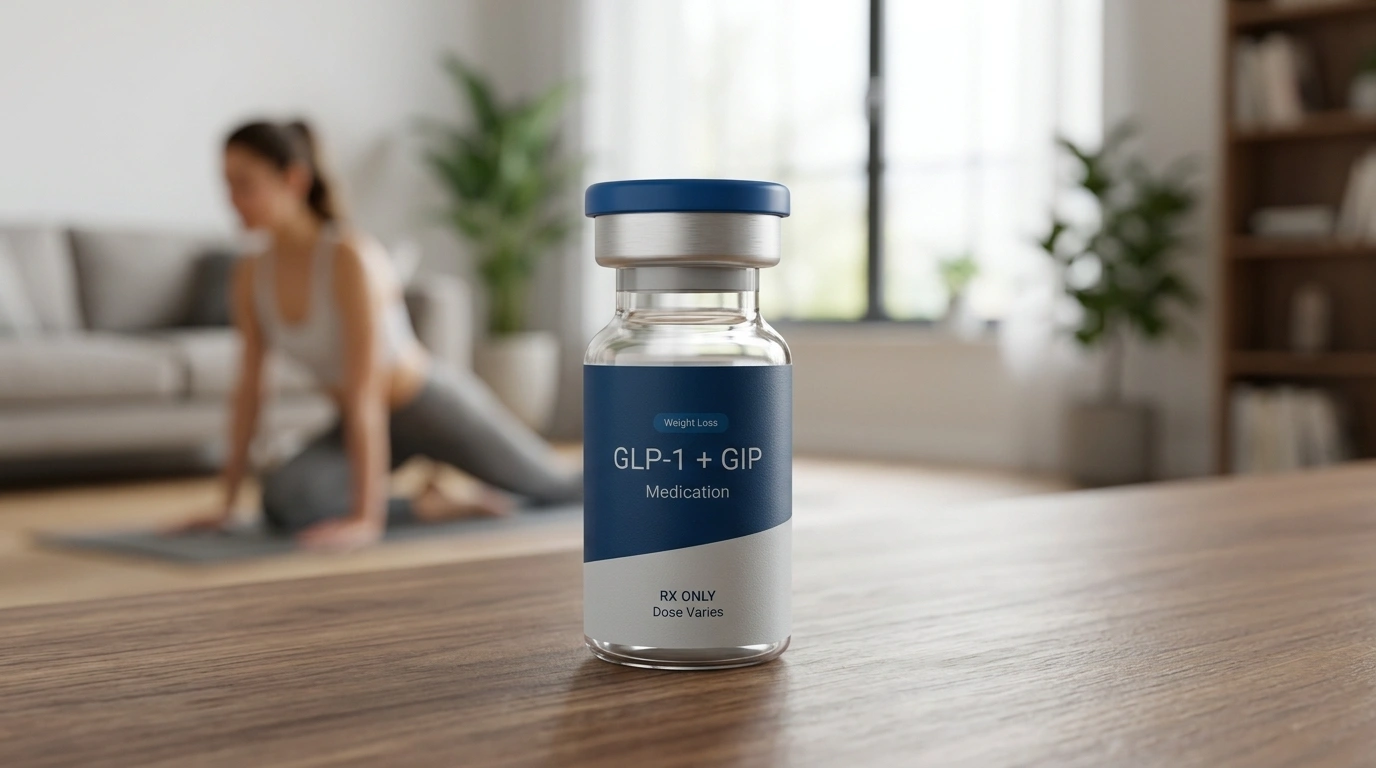
Before looking at specific food choices, it is helpful to understand the mechanism behind medications like Mounjaro®. This medication is a dual-acting receptor agonist. It mimics two natural hormones: glucagon-like peptide-1 (GLP-1) and glucose-dependent insulinotropic polypeptide (GIP). For additional context, read this guide to what to eat on GLP-1 medications.
These hormones play a vital role in how your body processes sugar and signals fullness. One of the most significant effects of this medication is delayed gastric emptying. This is a clinical term that simply means food stays in your stomach for a much longer period than it normally would. This process helps you feel full for longer, which supports weight loss, but it also means that whatever you eat lingers in the digestive tract.
Key Takeaway: Mounjaro slows down the movement of food through your stomach, which is why your dietary choices—including spice levels—have a much more lasting impact than they did before you started the medication.
Why Spicy Food Can Be a Challenge
For many people, spicy food is a dietary staple. However, the capsaicin found in peppers and the heavy seasonings used in many global cuisines can act as irritants to the lining of the stomach and esophagus. When your digestion is functioning at a standard speed, your body may process these irritants without significant trouble.
When you are taking a medication that slows your digestion, spicy foods sit in the stomach for hours. This prolonged exposure increases the likelihood of several uncomfortable side effects. If you have recently increased your dosage or are just starting your program, your system is likely more sensitive to these irritants. You can also review this guide to eating while using weight loss injections for broader nutrition strategies.
The Risk of Heartburn and Acid Reflux
Heartburn is one of the most frequently reported side effects for those on tirzepatide. Because the “trap door” between your stomach and your esophagus (the lower esophageal sphincter) may relax, and because food stays in the stomach longer, acid has more opportunities to travel upward. Spicy foods are notorious for triggering this response. When a spicy meal stays in the stomach for double or triple its usual time, the production of stomach acid remains high, leading to significant discomfort, chest pain, and a sour taste in the mouth. For related information, see this guide to acid reflux with tirzepatide medications.
Nausea and Gastric Distress
Nausea is another common hurdle. Many patients find that the strong aromas and chemical compounds in spicy dishes can trigger a wave of nausea. If your stomach is already working hard to process a meal, adding the “stress” of heavy spice can push your digestive system past its comfort zone. This can lead to indigestion, bloating, and in some cases, vomiting. These symptoms are also discussed in this GLP-1 nausea management guide.
Potential for Diarrhea
While some people experience constipation on GLP-1 medications, others deal with the opposite. Spicy foods can irritate the intestinal lining, causing the body to flush the system more quickly once the food finally moves out of the stomach. This can lead to urgent trips to the bathroom and abdominal cramping.
Bottom line: Spicy food can linger in your stomach due to delayed gastric emptying, significantly increasing the risk of heartburn, nausea, and digestive irritation.
Managing Your Diet While Using Mounjaro
Success with a personalized weight loss program often depends on how well you manage your daily nutrition. While the medication does much of the heavy lifting regarding appetite suppression, your job is to choose foods that nourish you without causing distress.
We recommend a “test and learn” approach. You do not need to assume that every food you once loved is now off-limits. Instead, pay close attention to how your body responds to different flavors and intensity levels. For more ideas, explore these diet tips for managing GLP-1 side effects.
Myth: You must follow a strictly bland diet for the entire time you are on the medication. Fact: Most people can eventually enjoy a wide variety of foods, but they must be mindful of portions and timing, especially when reintroducing spice.
The Importance of the “Bland Phase”
When you first start your program or when you move to a higher dosage, your body is in a state of adjustment. During these windows, sticking to a blander, more “neutral” diet is often the best strategy. This gives your digestive system a chance to adapt to the hormonal changes without the added burden of processing complex spices or heavy oils.
Prioritizing Lean Protein and Fiber
To get the most out of your treatment, focus on nutrient-dense foods. Lean proteins like chicken, turkey, and white fish are generally well-tolerated. Fiber is also crucial for maintaining regularity, but be cautious with extremely fibrous raw vegetables, as they can also sit heavily in the stomach. Cooked vegetables are often a safer bet for those experiencing sensitivity.
Step-by-Step Guide: How to Safely Eat Spicy Food
If you are craving a spicy meal, do not rush into it. Following a structured approach can help you determine your new tolerance levels without ruining your day with side effects.
Step 1: Check your timing. / Only try spicy foods if you have been on your current dose for at least two weeks and are not currently experiencing nausea. Step 2: Start small. / Choose a “mild” version of a dish you like and eat a very small portion to see how your stomach reacts over the next few hours. Step 3: Keep it lean. / Avoid “greasy-spicy” combinations like buffalo wings or spicy pepperoni pizza, as the high fat content combined with spice is a recipe for severe heartburn. Step 4: Stay upright. / Do not eat spicy food within three to four hours of going to bed, as lying down makes acid reflux much more likely. Step 5: Hydrate properly. / Drink plenty of water, but try to avoid large amounts of liquid during the meal itself, which can lead to overfilling the stomach.
Other Foods to Approach with Caution
While spicy food is a major topic of concern, it is not the only category that can cause issues. To ensure you feel your best, you should also be mindful of the following:
- Fried and Greasy Foods: These are notoriously difficult to digest and can lead to severe nausea when digestion is slowed.
- Sugary Drinks and Sweets: High sugar intake can cause rapid shifts in blood sugar, which may lead to “dumping syndrome” or increased fatigue.
- Carbonated Beverages: The bubbles in soda or sparkling water can contribute to significant bloating and gas.
- Alcohol: Alcohol can irritate the stomach lining and may interact with the way your medication manages blood sugar.
Supporting Your Journey with TrimRx
Our mission at TrimRx is to help individuals embrace healthier lifestyles through science, empathy, and a transparent, personalized approach. We understand that weight loss is about more than just a number on a scale; it is about how you feel every day. This is why our programs are designed to be telehealth-first, providing you with 24/7 access to a dedicated team of specialists.
When you work with us, you are not just getting a prescription. You are getting a comprehensive service model that includes doctor consultations, lab work, and unlimited support. Whether you are prescribed compounded tirzepatide or another GLP-1 medication, we are here to help you navigate the dietary shifts that come with treatment. Our personalized programs are built around your unique health profile and goals, ensuring you have a roadmap for sustainable success. If you are ready to explore your eligibility, you can take the free assessment quiz.
Note: If you experience severe or persistent abdominal pain, vomiting that prevents you from keeping fluids down, or signs of a serious allergic reaction, you should contact a healthcare professional immediately.
Optimizing Your Results with Targeted Support
In addition to our prescription programs, we offer quick-access supplements that can help bridge the gap during your transition. For those who are worried about maintaining their nutrient intake while eating smaller portions, or those who find that their digestion needs a little extra help, our GLP-1 Daily Support supplement can be a valuable addition to your routine. These products are available for immediate purchase and do not require the completion of our medical assessment quiz.
Conclusion
So, can you eat spicy food on Mounjaro? The answer is generally yes, but with a high degree of caution and mindfulness. Because tirzepatide slows your digestion, the heat and irritation from spicy ingredients can last much longer in your system, potentially leading to heartburn, nausea, and general discomfort. By focusing on lean proteins, staying hydrated, and testing your tolerance in small amounts, you can find a balance that allows you to enjoy your food while reaching your weight loss goals.
We are committed to being your partner in this process, offering the clinical expertise and modern technology you need to succeed. If you are ready to see which path is right for you, taking our free assessment quiz is the natural next step toward a personalized program tailored to your needs.
FAQ
Will spicy food stop Mounjaro from working for weight loss?
Spicy food will not stop the medication from working biologically, but it may make the experience much more uncomfortable. If spicy foods cause severe nausea or reflux, you may find it harder to stick to your nutrition plan, which could indirectly impact your long-term results.
How long should I wait after an injection to try spicy food?
It is often best to avoid spicy or heavy foods for the first 24 to 48 hours after your weekly injection. This is when the medication’s concentration is peaking in your system and when you are most likely to experience gastrointestinal side effects.
What should I do if I ate something spicy and now have bad heartburn?
You should consult your healthcare provider about over-the-counter options for acid reflux. Staying upright, sipping ginger tea, and avoiding further irritants for the next 24 hours can also help soothe your digestive system while the meal passes.
Are there any “safe” spices I can use to add flavor?
Many people find that herbs like parsley, basil, and cilantro provide great flavor without the irritation of peppers. You might also experiment with small amounts of ginger or turmeric, which are often used to support digestion, though you should still start with small amounts to see how you react.
Disclaimer: This content is for informational purposes only and does not constitute medical advice. It is not intended to diagnose, treat, cure, or prevent any disease or condition. Individual results may vary. Always consult a qualified healthcare professional before starting any weight loss program or medication.

Transforming Lives, One Step at a Time
Keep reading

Mounjaro Alternatives: What Else to Consider
If Mounjaro isn’t the right fit, the closest alternatives are other GLP-1 medications, chiefly semaglutide (Ozempic for diabetes, Wegovy for weight), along with a…

Mounjaro vs Zepbound: Same Drug, Two Brands
Like their semaglutide counterparts, Mounjaro and Zepbound are the same medication (tirzepatide) sold under two names for two purposes: Mounjaro is approved for type…

Retatrutide vs Mounjaro: Triple Agonist vs Dual Agonist
The core difference between retatrutide and Mounjaro comes down to how many hormone targets each hits: retatrutide activates three receptors, while Mounjaro (tirzepatide) activates…


