Can You Take Zepbound Two Days Early? Safety and Timing Rules
Introduction
Life rarely follows a perfectly predictable seven-day cycle. You might have a vacation on the horizon, a major work event, or a weekend celebration that clashes with your scheduled medication day. If you use Zepbound® for weight management, you may find yourself wondering if it is safe to adjust your schedule. Specifically, can you take Zepbound two days early? Managing a medication schedule requires a balance between flexibility and clinical safety. At TrimRx, we believe that understanding the science behind your treatment is the best way to ensure long-term success. This article will explain the safety guidelines for changing your injection day, the biological reasons behind the timing rules, and how to manage your doses effectively during travel or schedule shifts. While you can often adjust your day, there are strict safety boundaries you must follow.
If you are considering prescription treatment, you can complete a free eligibility assessment to learn whether a personalized program may be appropriate for you.
The 72-Hour Rule for Zepbound®
When considering an early dose, the most important guideline to remember is the 72-hour rule. Clinical guidelines for Zepbound® (the brand name for tirzepatide) state that there must be at least three days, or 72 hours, between injections. If you normally take your medication on a Friday morning and want to move it to Wednesday morning, exactly 48 hours would have passed if you took it on Wednesday. However, if your last dose was the previous Friday, five full days (120 hours) have passed since your last injection.
The confusion often arises from how we define “early.” If you are moving your “normal” day forward, you are simply shortening the gap between two specific doses. As long as at least 72 hours have passed since your most recent injection, it is generally considered safe to administer the next one. This flexibility allows you to shift your routine to better suit your lifestyle without compromising the safety of the treatment.
For a related explanation of weekly schedules and timing changes, review this guide on how many days to wait between Zepbound injections.
Quick Answer: Yes, you can take Zepbound® two days early as long as at least 72 hours (3 days) have passed since your last dose. You should not make this a weekly habit, but it is a safe adjustment for travel or occasional schedule changes.
Why Timing Matters for Tirzepatide
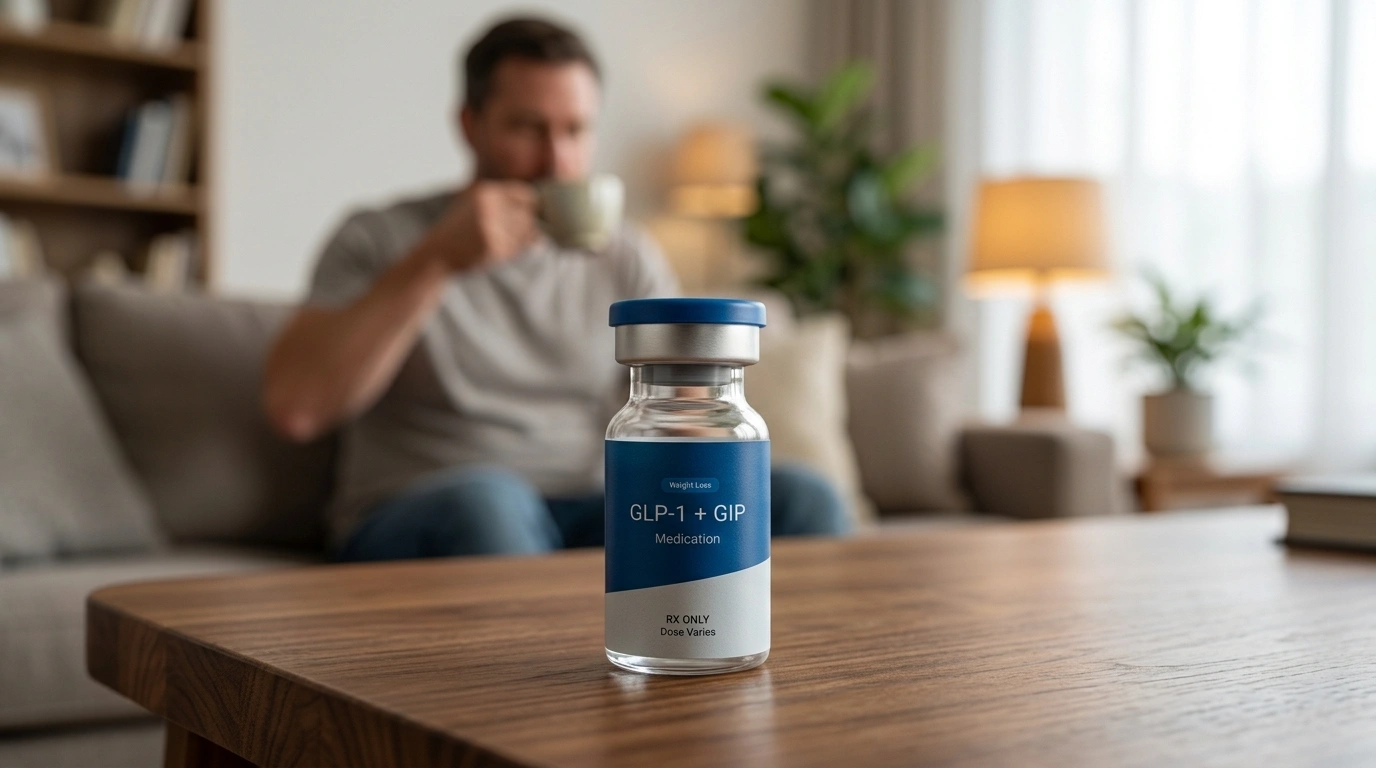
To understand why the 72-hour rule exists, it helps to understand how tirzepatide works in the body. Tirzepatide is a dual glucose-dependent insulinotropic polypeptide (GIP) and glucagon-like peptide-1 (GLP-1) receptor agonist. These are hormones that naturally occur in the body to regulate appetite and blood sugar.
When you inject this medication, it does not disappear from your system overnight. It has a “half-life” of approximately five days. A half-life is the amount of time it takes for the concentration of the medication in your bloodstream to reduce by half. Because the half-life is five days, and you inject the medication every seven days, there is always a baseline level of the drug in your system.
For additional background, read this overview of how GLP-1 medications work for weight loss.
The Risk of Overlapping Peaks
Every time you take a dose, the concentration of the medication in your blood rises to a “peak” before slowly tapering off. If you take your doses too close together, those peaks can overlap. This leads to a much higher concentration of the medication than your body is accustomed to.
When the concentration levels spike too high too quickly, the risk of gastrointestinal side effects increases significantly. This is why the manufacturer and healthcare providers insist on the 72-hour buffer. It ensures that the previous dose has metabolized enough so that the new dose does not cause a toxic or overwhelming reaction in your digestive system.
Maintaining Steady State
The goal of weekly dosing is to reach a “steady state.” This is a condition where the amount of medication being absorbed is roughly equal to the amount being cleared by the body. Staying as close to your seven-day schedule as possible helps keep this balance. Frequent shifts in your injection day can cause fluctuations in how you feel, potentially leading to moments of increased hunger followed by moments of intense nausea.
How to Safely Change Your Injection Day
If you have decided that you need to move your injection day permanently or temporarily, it is best to do so strategically. You do not always have to jump two days ahead at once; you can also transition slowly.
Step-by-Step: Shifting Your Schedule
If you need to move your day from Sunday to Friday, here is a safe way to approach it:
- Step 1: Check the clock. Confirm that it has been at least 72 hours since your last injection.
- Step 2: Assess your side effects. If you are still feeling significant nausea or suppressed appetite from your last dose, wait. Only move the dose early if you feel physically stable.
- Step 3: Administer the dose. Take your injection on the new day (e.g., Friday).
- Step 4: Establish the new baseline. Your next dose should ideally be seven days from this new date.
For more guidance about schedule changes, see how early you can take a Zepbound dose.
Frequency of Changes
You should avoid changing your injection day frequently. While the 72-hour rule allows for flexibility, the body thrives on consistency. Constantly shifting the day can make it difficult for your provider to assess how well the medication is working at your current dosage. If you find yourself needing to move your day every single week, it may be time to sit down and decide which day of the week actually fits your lifestyle best and commit to it.
Key Takeaway: The 72-hour rule is a safety floor, not a recommendation for a new routine. Use it for occasional adjustments, but aim for a consistent seven-day cycle to maintain a steady metabolic state.
Managing Missed or Delayed Doses
Sometimes the question isn’t about taking a dose early, but rather what to do if you are late and want to get back on track. The rules for “late” doses are just as specific as those for “early” doses.
For a detailed overview, read what happens if you miss a Zepbound injection.
The 4-Day Window
If you miss your scheduled day, you have a four-day (96-hour) window to take the missed dose. For example, if your day is Monday and you forget, you can take it as late as Friday morning. After you take that late dose, you can either stay on your new day (Friday) or slowly migrate back to Monday over the next few weeks, provided you always keep 72 hours between the shots.
When to Skip the Dose
If more than four days have passed since your scheduled day, the general recommendation is to skip the missed dose entirely. You should simply wait for your next regularly scheduled day. Do not take two doses at once to “make up” for the lost time. Doubling up on GLP-1 or GIP medications can lead to severe vomiting, dehydration, and potential hospitalization.
What to Do If You Experience Side Effects After an Early Dose
Taking a dose early—even if you follow the 72-hour rule—can sometimes trigger more intense side effects than usual. Because there is more medication in your system than there would be at the seven-day mark, your stomach may slow down even further.
For related guidance on handling discomfort after an injection, review this article about the best time of day to inject Zepbound.
Common Symptoms to Watch For
- Nausea: This is the most frequent complaint. It often peaks 24 to 48 hours after the injection.
- Acid Reflux: A fuller stomach can lead to heartburn or “sulfur burps.”
- Fatigue: The body uses energy to process the medication and adjust to metabolic changes.
- Diarrhea or Constipation: Changes in gastric motility can swing the pendulum in either direction.
Management Strategies
If you take your dose early and feel unwell, focus on hydration. Sip water with electrolytes throughout the day. Avoid heavy, greasy, or high-fiber meals for the first 24 hours after an early dose, as these take longer to digest and can worsen nausea.
For those looking for extra support during these transitions, supplements like GLP-1 Daily Support can help provide the essential nutrients the body needs when appetite is significantly suppressed. We often see that proactive nutrient management makes a world of difference in how a person experiences their weight loss journey.
Logistics: Storage and Travel Considerations
The most common reason people ask “can you take zepbound two days early” is travel. If you are flying or driving a long distance, the logistics of keeping your medication cold can be stressful.
Temperature Sensitivity
Zepbound® pens should ideally be stored in the refrigerator between 36°F and 46°F (2°C to 8°C). However, the medication is stable at room temperature (up to 86°F or 30°C) for up to 21 days. If your trip is shorter than three weeks, you may not need to worry about refrigeration during the trip itself, provided you keep the pen away from extreme heat.
Travel Tips
- Carry-on only: Never put your medication in checked luggage. The cargo hold of a plane can experience extreme temperature fluctuations that could freeze and destroy the medication.
- Original Packaging: Keep your pens in their original box. This protects the medication from light and ensures you have the prescription label handy for TSA or customs.
- Cooler Bags: If you are traveling to a very hot climate, use a small medical travel cooler with a gel pack, but ensure the gel pack does not directly touch the pen to prevent freezing.
By understanding these storage rules, you might find that you don’t actually need to take your dose early. You might be able to simply take your pen with you and stick to your regular schedule.
Branded vs. Compounded Tirzepatide
In the current landscape of weight loss, many individuals use different versions of tirzepatide. It is important to distinguish between branded medications and compounded options.
Understanding Compounded Options
Due to high demand and shortages, some patients use compounded tirzepatide. Compounded medications are prepared by licensed pharmacists to meet the specific needs of a patient. While compounded tirzepatide is not FDA-approved, it is often prepared and shipped by FDA-registered, inspected compounding pharmacies.
The 72-hour rule generally applies to compounded tirzepatide as well, as the active ingredient functions the same way in the body. However, because compounded versions may be delivered via a vial and syringe rather than a pre-filled pen, the risk of dosing errors is slightly higher. Always verify your dose with your healthcare provider before making any timing changes with compounded medications.
The Role of Personalized Weight Loss Programs
Navigating the nuances of medication timing is much easier when you have a dedicated team of specialists to guide you. At TrimRx, we focus on more than just providing a prescription; we focus on the entire person. Weight loss is a complex biological process, and the “one size fits all” approach rarely works for the long term.
Our programs are designed to be telehealth-first, meaning you have access to clinical support without the need for a waiting room. Whether you are using compounded semaglutide, compounded tirzepatide, or other GLP-1 medications, having a professional to consult about schedule shifts can alleviate the anxiety of “doing it wrong.” This personalized approach ensures that your plan is adapted to your specific health history and lifestyle goals.
If you are ready to explore whether a supervised prescription program fits your needs, start with the free assessment quiz.
Conclusion
Taking Zepbound® two days early is generally safe as long as you adhere to the 72-hour rule. While the flexibility of the medication allows for occasional schedule shifts to accommodate travel or life events, consistency remains the cornerstone of effective metabolic health. Shifting your dose too often or taking it too close together can lead to increased side effects and may disrupt the steady state of the medication in your system.
By staying informed about how tirzepatide works and maintaining a close relationship with your healthcare providers, you can navigate these adjustments with confidence. Remember that your journey is personal, and your medication schedule should serve your life, not the other way around.
If you are looking for a more personalized approach to your weight loss journey, we invite you to take the free assessment quiz to see which program might be right for you. Our mission is to provide the science, empathy, and transparency you need to reach your goals sustainably.
FAQ
Can I take my Zepbound injection 48 hours early?
No, you should not take your injection 48 hours early if you are moving it from your last scheduled dose, as that would likely violate the 72-hour rule. There must be a minimum of three full days (72 hours) between doses to ensure safety and minimize the risk of severe gastrointestinal side effects.
What is the 72-hour rule for Zepbound?
The 72-hour rule is a safety guideline stating that at least three days must pass between any two injections of Zepbound®. This rule prevents the medication from reaching dangerously high concentrations in your bloodstream, which could lead to extreme nausea, vomiting, or dehydration. For additional scheduling context, see this guide to changing your Zepbound injection day.
Will taking my dose early make me lose weight faster?
Taking a dose early will not necessarily speed up your weight loss results and may actually hinder your progress by causing severe side effects. Weight loss with tirzepatide is most effective when the medication is maintained at a steady, consistent level in the body alongside healthy lifestyle choices.
What should I do if I took my dose early and feel very sick?
If you experience intense nausea or vomiting after an early dose, focus on staying hydrated with small sips of electrolyte-rich fluids. If you cannot keep liquids down or experience severe abdominal pain, you should contact a healthcare professional or seek medical attention immediately to prevent dehydration.
Disclaimer: This content is for informational purposes only and does not constitute medical advice. It is not intended to diagnose, treat, cure, or prevent any disease or condition. Individual results may vary. Always consult a qualified healthcare professional before starting any weight loss program or medication.

Transforming Lives, One Step at a Time
Keep reading

Why Is There a Bruise Where I Injected My Zepbound?
A bruise means a small blood vessel was disturbed under the skin and blood spread into the surrounding tissue. It is one of the…

My Zepbound Pen Won’t Click Past a Certain Dose
Start by checking which device you are holding, because the answer depends entirely on that. Zepbound has commonly been supplied in the United States…

Zepbound Alternatives: Your Options Compared
If Zepbound isn’t the right fit, the main alternative is semaglutide (sold as Wegovy), which produces slightly less weight loss but works similarly, along…


