When is the Best Time of Day to Inject Zepbound?
Introduction
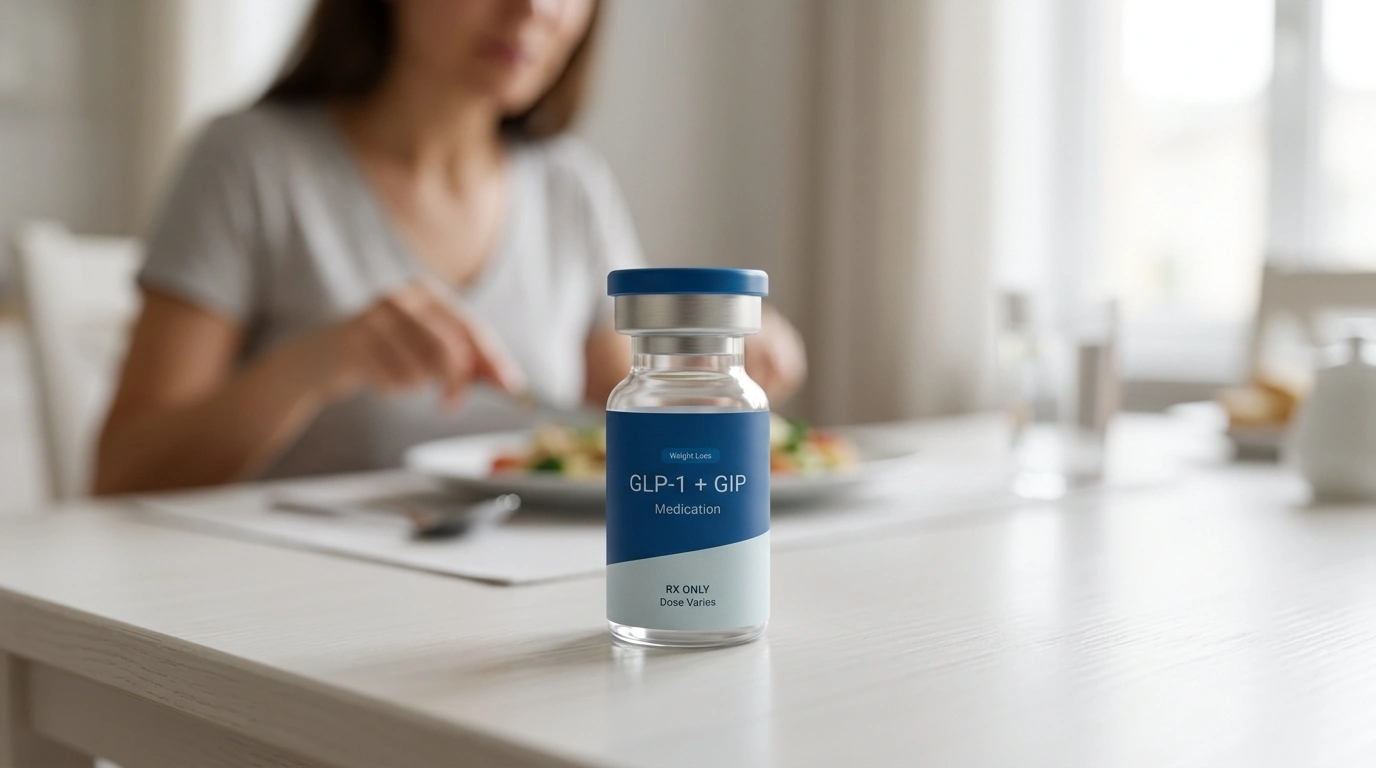
Starting a weight loss journey with a GLP-1 medication often brings up a mix of excitement and practical questions. You may be wondering how to fit a weekly injection into your busy schedule or if the hour you choose will impact your results. Specifically, many people ask: when is the best time of day to inject Zepbound®? While the medication offers significant flexibility, your choice can influence how you experience side effects and how easily you maintain your routine. At TrimRx, we believe that understanding these small details is essential for long-term success. This article covers the clinical guidelines for timing your dose, strategies for managing side effects through scheduling, and how to create a routine that supports your metabolic health. Choosing the right time is about more than just convenience; it is about making the treatment work for your unique lifestyle. If you are considering a prescription program, take the free assessment quiz.
Quick Answer: There is no single “best” time for everyone, as Zepbound® can be injected at any time of day, with or without food. However, many people find that injecting in the evening helps them sleep through early side effects like nausea, while others prefer the morning to stay consistent with a weekend routine.
The Flexibility of Zepbound Timing
Zepbound® is a once-weekly injectable medication designed for chronic weight management. The active ingredient is tirzepatide, which belongs to a class of drugs known as dual GIP (glucose-dependent insulinotropic polypeptide) and GLP-1 (glucagon-like peptide-1) receptor agonists. These hormones work together to regulate appetite and blood sugar. For a deeper look at scheduling, see our Zepbound timing guide.
Because of how the body processes tirzepatide, the specific hour you choose does not change the effectiveness of the medication. The drug has a long half-life, meaning it stays in your system at a consistent level throughout the week. Unlike some medications that must be taken on an empty stomach or at a precise hour to be absorbed, this treatment is highly adaptable.
Morning Injections
Taking your dose in the morning can be an excellent choice for individuals who thrive on a strict daily routine. If you already have a morning ritual involving other health habits, adding your injection to this window ensures you do not forget it as the day becomes more hectic.
One potential downside to morning injections is the onset of side effects. If you are prone to nausea or fatigue shortly after your dose, these symptoms may peak while you are at work or managing daily responsibilities. However, if you tolerate the medication well, the morning is a perfectly valid option.
Evening Injections
Many healthcare providers suggest evening injections for patients who are concerned about gastrointestinal side effects. By injecting a few hours before bed, you may be able to sleep through the initial peak of symptoms like nausea or “queasiness” that sometimes occurs shortly after administration. If you want more context on symptom timing, our guide on when Zepbound side effects usually start may help.
Choosing the evening also allows you to rest if the medication makes you feel slightly fatigued. For many, waking up the next morning feeling refreshed and having the medication already working in their system is the preferred way to start their week.
Consistency Over Clock-Watching
The most important factor is not the hour, but the day of the week. You should aim to take your injection on the same day every week. This consistency helps maintain a steady level of the medication in your bloodstream. Whether you choose Friday night to manage potential side effects over the weekend or Monday morning to kickstart your work week, staying on schedule is the key to progress. For a step-by-step look at weekly dosing, check out the Zepbound dosing schedule guide.
Understanding Tirzepatide and How It Works
Tirzepatide is a sophisticated molecule that mimics two different hormones in the human body. By activating both the GIP and GLP-1 receptors, it addresses weight loss through multiple pathways. GLP-1 helps slow down gastric emptying—the speed at which food leaves your stomach—and signals the brain that you are full. GIP is thought to further improve how the body breaks down sugar and fat.
When you use a platform like ours, you are connected with licensed providers who evaluate if this type of treatment is right for you. We offer a personalized approach that may include compounded tirzepatide or compounded semaglutide, which are prepared by FDA-registered, inspected compounding pharmacies. If you are ready to see whether this kind of treatment fits your needs, see if you qualify for a personalized program.
The Science of the “Nausea Window”
The timing of your injection is often discussed in relation to side effects because of the medication’s peak concentration. After you inject the medication, the levels in your blood gradually rise. For many, the most noticeable side effects occur 12 to 24 hours after the dose. If you want a broader overview of common symptoms, common GLP-1 side effects and what to expect is a helpful companion read.
If you understand your own “nausea window,” you can schedule your injection to ensure that peak occurs at a time when you can relax. For example, if you inject on Sunday evening, the peak concentration might hit on Monday afternoon. If Monday is your most stressful workday, you might find that a Friday evening injection is better, allowing you to manage any symptoms during the weekend.
Key Takeaway: Zepbound® is effective regardless of the time of day it is administered. Focus on choosing a time that minimizes the impact of side effects on your work and social life.
Managing Side Effects Through Strategic Scheduling
Gastrointestinal side effects are the most common issues reported by individuals using GLP-1 and GIP medications. These can include nausea, diarrhea, constipation, and stomach pain. While these symptoms are usually mild to moderate and often decrease over time as your body adjusts, timing can help you manage them.
Planning for the Weekend
Many patients prefer a Friday or Saturday injection schedule. This “weekend strategy” is popular because it allows any potential fatigue or nausea to occur while the person is away from the office. It also helps manage appetite during a time when many people find it hardest to stick to their nutritional goals, such as during weekend social gatherings or restaurant outings.
Hydration and Nutrition Timing
What you eat around the time of your injection matters as much as when you inject. Because the medication slows digestion, eating a very heavy, high-fat, or greasy meal right before or after your injection can increase the likelihood of nausea.
- Pre-injection: Opt for a light, protein-rich meal.
- Post-injection: Focus on staying hydrated.
- Throughout the day: Sip water or electrolytes to prevent the headaches and fatigue often associated with decreased calorie intake.
If you find that side effects are a significant hurdle, we recommend discussing a support plan with your provider. Our platform provides 24/7 access to specialists who can help you navigate these challenges. For those looking for extra support, we also offer GLP-1 Daily Support supplement, which is designed to help maintain comfort and nutrient balance during your program.
If low energy is a concern during weight loss, the Weight Loss Boost supplement is another support option to discuss with your provider.
Where and How to Inject
Proper injection technique is just as important as the timing of the dose. Zepbound® is administered as a subcutaneous injection, which means it goes into the fatty tissue just under the skin. It should never be injected into a muscle or a vein. If you want a practical walkthrough, our how to properly inject Zepbound guide breaks the process down step by step.
Recommended Injection Sites
There are three primary areas where you can safely inject your medication:
- The Abdomen: At least two inches away from the belly button.
- The Thigh: The front or outer portion of the upper leg.
- The Back of the Upper Arm: This site usually requires a caregiver or partner to assist with the injection.
Research suggests that the body absorbs the medication effectively from any of these three sites. There is no clinical evidence that injecting into the stomach leads to faster weight loss than injecting into the thigh. However, some patients report fewer side effects when they switch from the abdomen to the thigh. If you experience significant nausea, you may want to try a different site for your next dose to see if it improves your experience.
The Importance of Site Rotation
You must rotate your injection site every single week. This does not mean you have to switch from the stomach to the thigh every time. You can stay in the same general area, such as the abdomen, but you should choose a different “clock position” around the belly button. For more detail on rotation patterns, see how to rotate injection sites for semaglutide and tirzepatide.
Rotating the site helps prevent skin issues such as lipohypertrophy, which is a buildup of fatty tissue under the skin that can interfere with medication absorption. It also reduces the risk of localized soreness, redness, or irritation.
What to Do if You Miss a Dose
Life happens, and sometimes you may forget your injection or be unable to take it at your usual time. The protocol for a missed dose of Zepbound® depends on how much time has passed since your scheduled day.
- If it has been 4 days or less: Take the missed dose as soon as you remember. You can then resume your regular weekly schedule.
- If it has been more than 4 days: Skip the missed dose entirely. Take your next dose on your usual scheduled day.
- Never take two doses at the same time: Doubling up to “catch up” can lead to severe side effects and is not recommended.
If you miss your dose for more than two weeks, you should contact your healthcare provider. They may recommend restarting at a lower dosage to prevent the intense side effects that can occur when reintroducing the medication at a higher strength.
Creating a Routine for Success
Building a sustainable habit is the foundation of any successful weight loss program. At TrimRx, we focus on helping you integrate your treatment into a lifestyle you can maintain. Beyond the injection itself, a successful routine involves tracking your progress and staying connected with your clinical team.
Step-by-Step: Your Weekly Injection Routine
Step 1: Prepare your environment. / Find a quiet, well-lit space. Wash your hands thoroughly with soap and water before handling your medication.
Step 2: Check the medication. / Look at the liquid inside the pen or vial. It should be clear and colorless to slightly yellow. Do not use it if it is cloudy, contains particles, or has been frozen.
Step 3: Clean the site. / Use an alcohol swab to clean your chosen injection site. Allow the skin to air dry completely before proceeding to prevent stinging.
Step 4: Administer the dose. / Follow the specific instructions for your device, whether it is a pre-filled pen or a vial and syringe. Ensure you hold the device in place for the full count required by the manufacturer.
Step 5: Dispose and document. / Place your used needle or pen in an FDA-cleared sharps container. Mark your calendar or use a tracking app to note the date, time, and injection site used.
The Role of Personalized Programs
Every body reacts differently to metabolic treatments. This is why a “one size fits all” approach rarely works for long-term weight management. By using a telehealth platform like ours, you receive a program tailored to your health history and goals. We facilitate the necessary lab work and doctor consultations to ensure your dosage and timing are optimized for your body.
Bottom line: While the best time to inject is whenever you can be most consistent, evening injections are a popular choice to minimize the impact of nausea, and site rotation is essential for skin health and absorption.
Frequently Asked Questions About Zepbound Injection Timing
Can I change my injection day? Yes, you can change the day of the week you take your dose, provided that the time between two doses is at least 3 days (72 hours). If you need to shift your schedule, do so gradually or consult with your provider to ensure you maintain the correct levels of medication in your system.
Should I take Zepbound on an empty stomach? Zepbound® can be taken with or without food. Because the medication slows down digestion, some people find that taking it on a very full stomach increases nausea. Conversely, others find that having a small, light snack helps settle their stomach before the injection.
Does the injection hurt more at certain times? The timing of the day does not affect the physical sensation of the needle. However, many people find that letting the medication sit at room temperature for about 30 minutes before injecting (if using a refrigerated pen) makes the process more comfortable, as cold liquid can sometimes cause a slight stinging sensation.
What if I travel and can’t refrigerate my medication? Zepbound® pens can be stored at room temperature (up to 86°F or 30°C) for up to 21 days. If you are traveling, you do not necessarily need a cooling case unless you will be in extreme heat or traveling for longer than three weeks. Always keep the medication in its original carton to protect it from light.
Moving Forward with Your Health Goals
The journey toward better metabolic health is a marathon, not a sprint. Whether you are just beginning to research options or are ready to refine your current routine, the details matter. Choosing the best time of day to inject Zepbound® is a small but significant part of taking control of your treatment.
At TrimRx, our mission is to provide you with the tools, medication access, and clinical expertise needed to make sustainable changes. We understand that weight loss is a complex process involving biology, habit, and support. By combining modern telehealth with personalized care, we help you navigate every step of the process—from the first assessment to maintaining your target weight.
If you are ready to see if a personalized weight loss program is right for you, the first step is simple. By completing our free assessment quiz, you can provide the information our affiliated providers need to determine the best course of action for your health.
Myth: You must inject at the exact same hour every week for the medication to work. Fact: While the same day of the week is important for consistency, the specific time of day is flexible and can be adjusted based on your personal preference and side effect management.
FAQ
Does it matter if I inject Zepbound in the morning or night?
It does not matter for the medication’s effectiveness, but it may matter for your comfort. Nighttime injections may allow you to sleep through early side effects like nausea, while morning injections may be easier to remember if you have a set routine. Choose the time that fits your lifestyle best.
Can I eat a meal immediately after my injection?
Yes, you can eat whenever you feel comfortable, as Zepbound® does not have specific food requirements. However, because the medication slows your digestion, you may find that you feel full much faster than usual. It is often helpful to start with a small portion to see how your stomach reacts.
What is the best injection site to avoid side effects?
While the abdomen, thigh, and arm are all approved sites, some patients report that injecting in the thigh leads to fewer gastrointestinal side effects compared to the abdomen. If you are struggling with nausea, you may want to try rotating to the thigh to see if your symptoms improve.
How do I know if I am eligible for a weight loss program?
Eligibility is typically determined by a combination of your Body Mass Index (BMI) and the presence of weight-related health conditions. You can take the free assessment quiz on our platform to see if you qualify for a personalized program and a consultation with a licensed healthcare provider.
Disclaimer: This content is for informational purposes only and does not constitute medical advice. It is not intended to diagnose, treat, cure, or prevent any disease or condition. Individual results may vary. Always consult a qualified healthcare professional before starting any weight loss program or medication.

Transforming Lives, One Step at a Time
Keep reading

Kids’ Birthday Party on Zepbound
If you have young children, birthday parties are a regular part of life: your own child’s, and the steady stream of classmates’ parties most…
Water Aerobics on Zepbound
For people with painful knees, hips, or backs, water aerobics and pool exercise are often the first kind of exercise that feels possible. The…

New Year’s Eve on Zepbound
New Year’s Eve is built around staying up late. There is usually a big dinner or a party spread, drinks through the evening, champagne…


