What Zepbound Doses Are in Shortage: A Guide to Supply
Introduction
Standing at a pharmacy counter and hearing that your medication is on backorder is a uniquely frustrating experience. For those using Zepbound® (tirzepatide) for weight management, these supply gaps have been a frequent hurdle throughout the past year. You have done the work of adjusting your lifestyle and finding a treatment that works, only to be met with an empty shelf. At TrimRx, we understand that consistency is the most important factor in a successful weight loss journey.
In this article, we will break down the current status of tirzepatide availability, explain which doses have historically been the hardest to find, and provide actionable steps for what to do if your local pharmacy is out of stock. We will also explore how personalized programs can help you maintain your progress during periods of supply volatility. Understanding the landscape of medication shortages is the first step in ensuring your health goals remain on track.
Quick Answer: As of late 2024, the FDA has officially removed tirzepatide (the active ingredient in Zepbound®) from its drug shortage list, indicating that all doses (2.5 mg to 15 mg) should be available. However, many patients still report local “spot shortages” due to high demand and pharmacy distribution delays, making it essential to have a backup plan.
If you are exploring prescription treatment while navigating availability concerns, you can complete a free eligibility assessment to see whether a personalized program may fit your health profile.
The Current Status of Zepbound® Availability
The availability of Zepbound® has been a moving target since it first entered the market. For much of 2024, nearly every dosage strength of the medication was listed as having “limited availability.” This was primarily driven by an unprecedented surge in demand that outpaced the manufacturer’s ability to produce both the medication and the complex injector pens used to deliver it.
For additional context on supply disruptions and access considerations, review this guide to the tirzepatide shortage.
In a significant update in late 2024, the U.S. Food and Drug Administration (FDA) issued a declaratory order stating that the shortage of tirzepatide injection products had been resolved. This means that, on a national level, the manufacturer has demonstrated they have enough supply to meet current demand. However, there is often a gap between an “official” resolution and the reality at your local neighborhood pharmacy.
Which Doses Were Most Affected?
During the height of the supply issues, the “mid-range” doses were often the most difficult to secure. This included the 5 mg, 7.5 mg, 10 mg, and 12.5 mg doses.
- The 2.5 mg Dose: This is the starting dose, often used for just the first four weeks of treatment. Because it is not intended for long-term maintenance, it was frequently the most available dose.
- The Maintenance Doses: Doses like 5 mg, 10 mg, and 15 mg are where many patients stay for several months. Because more people are on these doses at any given time, the “pull” on the supply was much heavier, leading to frequent stockouts.
The “Spot Shortage” Phenomenon
Even when the FDA lists a medication as available, you might still encounter a “spot shortage.” This happens when a specific pharmacy or a regional distributor runs out of stock while other parts of the country remain well-supplied. Factors like shipping delays, high local demand, or even a pharmacy’s specific wholesaler can influence whether a box is waiting for you on the day you need it.
This local-versus-national distinction is also discussed in TrimRx’s Zepbound shortage guide.
Why Do These Shortages Happen?
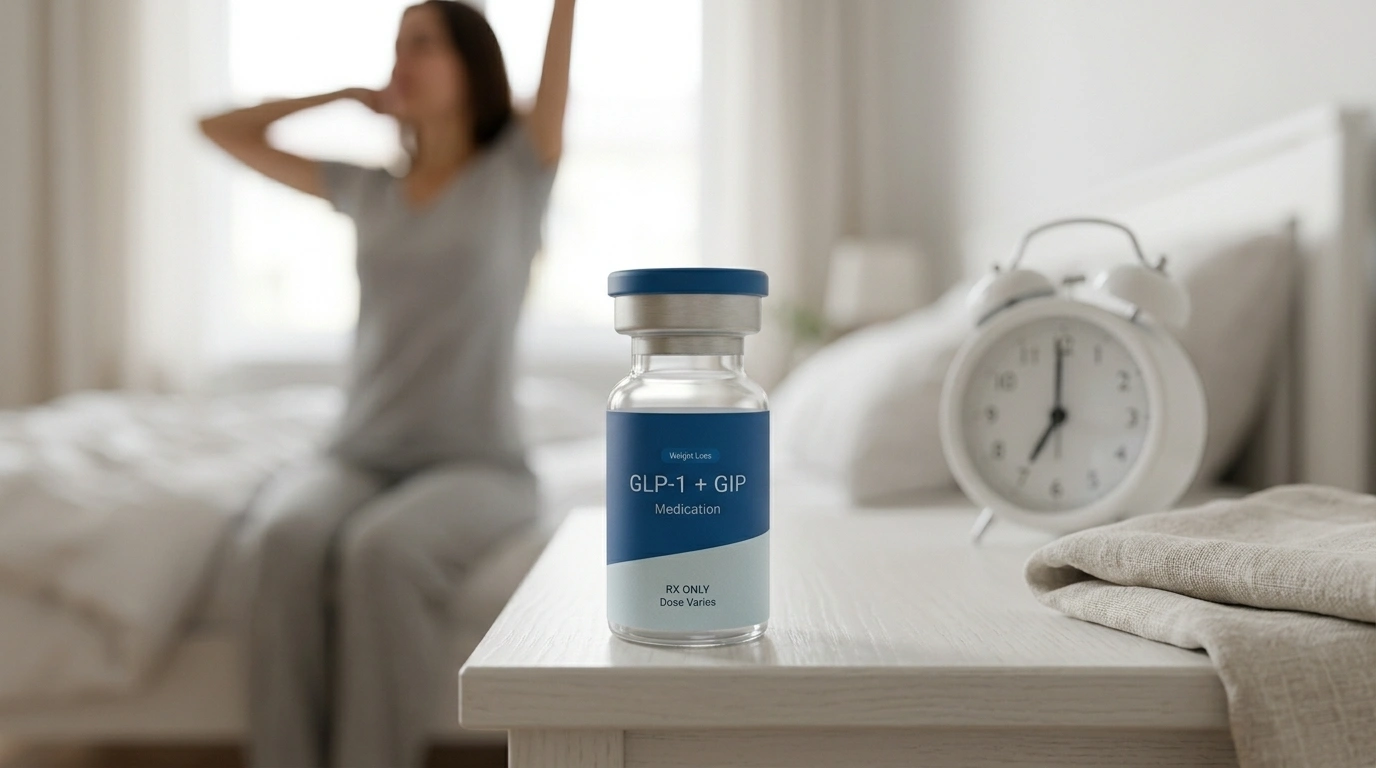
It is helpful to understand why a medication like Zepbound® is more prone to shortages than a standard pill or a different type of injection. Tirzepatide is a dual-acting receptor agonist. It works by mimicking two hormones in the body: glucagon-like peptide-1 (GLP-1) and glucose-dependent insulinotropic polypeptide (GIP). By activating these pathways, the medication helps regulate blood sugar, slows digestion, and signals the brain that you are full.
For a broader explanation of how tirzepatide works and how patients access it, see how to get tirzepatide for weight loss.
The complexity of the medication is only half the story. The delivery system is the other half. Zepbound® is typically sold in a single-dose autoinjector pen. These pens are highly complex pieces of medical technology. They require specific manufacturing lines that are separate from the production of the medicine itself. When millions of people start a medication at the same time, the manufacturer must scale up both the chemical production of tirzepatide and the mechanical assembly of the pens.
Key Takeaway: Shortages are often caused by “bottlenecks” in either the production of the active ingredient or the assembly of the specialized delivery pens. While manufacturing capacity is expanding, demand continues to grow at a rapid pace.
How to Check if Your Dose is in Stock
If you are concerned about your next refill, you do not have to wait until you are out of medication to take action. There are several ways to track availability and stay ahead of potential delays.
Use Official Resources
The first place to check is the FDA Drug Shortages Database. You can search for “tirzepatide” to see the most recent official status. While this database tells you the national status, it may not reflect your local pharmacy’s inventory.
Digital Tracking Tools
Several third-party platforms and community-driven tools have emerged to help patients find GLP-1 medications.
- Supply Trackers: Some telehealth platforms offer interactive trackers where users report their success or failure in finding specific doses in their zip code.
- Online Communities: Forums and social media groups often have regional threads where patients share which pharmacy chains currently have stock.
- LillyDirect: The manufacturer offers a direct-to-patient service that can sometimes provide a more stable supply chain than traditional retail pharmacies, although they also face backlogs during peak demand.
Proactive Pharmacy Communication
Don’t rely on automated text messages from your pharmacy. If your refill date is approaching, call the pharmacist directly. Ask specifically:
- “Do you have the [X] mg dose in stock?”
- “If not, does your wholesaler have it available for order?”
- “How long has the typical wait time been for this specific strength?”
Bottom line: Information is your best tool. By checking official databases and community reports, you can identify supply trends before they affect your specific prescription.
Steps to Take if Your Local Pharmacy is Out of Stock
If your regular pharmacy tells you they cannot fill your prescription, don’t panic. You have several options to ensure you don’t miss a dose.
Step 1: Broaden Your Search
Call every pharmacy within a 50-mile radius. This includes hospital-based pharmacies, small independent “mom-and-pop” pharmacies, and warehouse clubs. Independent pharmacies often use different wholesalers than large national chains, which can sometimes mean they have access to stock that others do not.
Step 2: Request a Multi-Month Supply
If your insurance allows it, ask your provider for a 90-day prescription rather than a 30-day supply. Having three months of medication on hand provides a significant buffer against temporary supply dips. Even if the pharmacy can only fill 30 days now, having the larger script on file allows them to pull from future shipments more easily.
Step 3: Consult Your Healthcare Provider
If you cannot find your specific dose, your doctor may suggest a temporary adjustment. For example:
- Dose Titration: If you were supposed to move from 5 mg up to 7.5 mg, but 7.5 mg is unavailable, your provider might suggest staying on 5 mg for an extra month.
- Alternative Strengths: In some cases, if a maintenance dose is missing, a provider might authorize a different available strength that is clinically appropriate for your current progress.
Note: Never attempt to “split” a dose or take a different strength without the explicit instruction and supervision of a licensed healthcare provider.
Exploring Alternatives During Supply Gaps
When branded medications like Zepbound® are in short supply, many people look for other ways to maintain their weight loss momentum. Consistency is vital because GLP-1 medications work best when maintained at a steady level in your system.
Compounded Tirzepatide
One common alternative is compounded tirzepatide. Compounding pharmacies are specialized pharmacies that can prepare customized versions of medications. When a drug is on the official FDA shortage list, these pharmacies are often permitted to produce “essentially a copy” of the branded medication to help meet patient needs.
It is important to understand the regulatory context here:
- Compounded tirzepatide is NOT FDA-approved.
- However, we work with pharmacies that are FDA-registered and regularly inspected to ensure high standards of quality and safety.
- Compounded versions are often shipped in vials with syringes rather than autoinjector pens, which avoids the manufacturing bottleneck of the pen device.
If you want to explore whether a medically supervised prescription program may be appropriate, you can take the free assessment quiz.
Switching to Other GLP-1 Medications
If tirzepatide is completely unavailable in your area, your provider might discuss switching to a different medication. Wegovy® (semaglutide) is another FDA-approved injectable for weight loss. While semaglutide has also faced its own shortages, the supply chains for the two drugs are different. Often, when one is in shortage, the other may be available.
Oral Weight Loss Options
For those who prefer to avoid injections or who need a bridge during a shortage, there are oral medications that may support weight management. While they may work through different mechanisms than GLP-1s, they can be an effective part of a broader strategy. These include:
- Contrave®
- Qsymia®
- Oral semaglutide, often prescribed for diabetes but sometimes used off-label
Myth: “If I miss one dose, all my progress will be lost.” Fact: While consistency is ideal, a single missed dose is not a failure. Most providers have protocols for restarting or adjusting your dose if you have a gap of more than two weeks. Your body has already begun metabolic changes that don’t disappear overnight.
How a Personalized Program Helps
Navigating the world of prescription weight loss can feel like a part-time job. This is where a telehealth platform can make a significant difference. Our platform, TrimRx, is designed to take the stress out of the process by providing a centralized point of care.
We offer access to a variety of treatment paths, including:
- Medically Supervised Programs: You connect with licensed providers who evaluate your health history and goals to determine if tirzepatide or semaglutide is right for you.
- Compounded Options: We connect you with FDA-registered compounding pharmacies that can provide compounded tirzepatide or semaglutide, which may be more consistently available than branded pens during national supply fluctuations.
- Transparent Pricing: We believe in a straightforward model with no hidden fees, regardless of the dosage you are prescribed.
- Ongoing Support: Our team is available to help you navigate side effects, dosage changes, and supply concerns 24/7.
Managing Your Health During a Shortage
If you do experience a gap in your medication, it is important to focus on the other pillars of metabolic health. Medication is a powerful tool, but it works in harmony with your lifestyle.
Focus on Protein and Fiber
While on GLP-1 medications, appetite is suppressed. If you lose access to the medication, your appetite may return to its previous levels. Focusing on high-protein foods and fiber-rich vegetables can help manage hunger naturally and keep your blood sugar stable while you wait for your next refill.
For additional guidance on nutrition, movement, dose tracking, and side-effect awareness, read how to get the most out of your GLP-1 treatment.
Nutrient Support
Many people find that specific supplements can help support their body’s natural GLP-1 pathways or manage the transition between doses. Our GLP-1 Daily Support and Weight Loss Boost supplements are designed to provide the vitamins and nutrients your body needs to maintain energy and metabolic health during your journey. The Weight Loss Boost supplement is intended for energy and metabolic support during weight loss.
Don’t Abandon the Plan
The most common mistake people make during a shortage is giving up on their healthy habits because they feel “the medicine isn’t there to help.” Remember that the habits you have built—movement, hydration, and mindful eating—are yours to keep. The medication is an accelerator, but you are the one steering the car.
Key Takeaway: A medication shortage is a logistical hurdle, not a medical dead end. By focusing on nutrition, using supportive supplements, and staying in close contact with your provider, you can navigate these gaps without losing sight of your goals.
The Future of Tirzepatide Supply
There is good news on the horizon. The manufacturers of these medications are investing billions of dollars into new production facilities in the United States and Europe. As these plants come online, the total volume of medication available will increase significantly.
Furthermore, the introduction of single-dose vials instead of pens for certain doses is expected to ease the pressure on the manufacturing process. By simplifying the delivery method, the manufacturer can get the actual medication into the hands of patients much faster.
At TrimRx, our mission is to help you embrace a healthier lifestyle through science and empathy. We stay at the forefront of these supply changes to ensure our members have the most up-to-date information and access to the treatments they need. Whether it is through branded prescriptions or compounded alternatives, we are here to ensure your journey is as smooth as possible.
Conclusion
While the FDA has recently signaled that the major Zepbound® shortage is resolving, local availability remains a challenge for many. The “mid-range” maintenance doses, from 5 mg to 12.5 mg, continue to see the most fluctuation. By being proactive—calling pharmacies early, checking online trackers, and communicating with your doctor—you can minimize the impact of these supply gaps.
If you are tired of the pharmacy-to-pharmacy hunt, it may be time to consider a more personalized approach. A telehealth-based program can provide you with consistent access to medical experts and alternative formulations that aren’t tied to the availability of a specific branded pen. Your health is too important to be left to the whims of a local stockroom.
Take the next step: Are you ready for a weight loss program that moves at your speed, not the pharmacy’s? Take our free assessment quiz to see which personalized treatment plan is right for your health profile and goals.
FAQ
Is Zepbound still hard to get in 2025?
While the FDA officially removed tirzepatide from the shortage list in late 2024, many patients still experience local “spot shortages.” High demand and regional distribution issues mean that some dosage strengths, particularly the maintenance doses, may still require a few days of lead time at your local pharmacy.
Which Zepbound dose is the easiest to find?
The 2.5 mg starter dose is generally the most available because it is only intended for the first month of treatment. Maintenance doses like 5 mg, 10 mg, and 15 mg are often in higher demand, which can lead to more frequent stockouts at retail pharmacies.
Can I switch to compounded tirzepatide if Zepbound is out of stock?
Yes, many patients choose to use compounded tirzepatide during supply gaps. While compounded medications are not FDA-approved, they are prepared by FDA-registered compounding pharmacies and can provide a consistent alternative when branded pens are unavailable. If you are considering a personalized treatment path, you can complete an online health assessment.
What should I do if I miss a Zepbound dose due to a shortage?
If you miss a dose by more than a few days, consult your healthcare provider. They may advise you to take the dose as soon as you find it or, if too much time has passed, they may suggest a “restart” protocol at a lower dose to avoid gastrointestinal side effects.
Disclaimer: This content is for informational purposes only and does not constitute medical advice. It is not intended to diagnose, treat, cure, or prevent any disease or condition. Individual results may vary. Always consult a qualified healthcare professional before starting any weight loss program or medication.

Transforming Lives, One Step at a Time
Keep reading

Why Is There a Bruise Where I Injected My Zepbound?
A bruise means a small blood vessel was disturbed under the skin and blood spread into the surrounding tissue. It is one of the…

My Zepbound Pen Won’t Click Past a Certain Dose
Start by checking which device you are holding, because the answer depends entirely on that. Zepbound has commonly been supplied in the United States…
Zepbound Alternatives: Your Options Compared
If Zepbound isn’t the right fit, the main alternative is semaglutide (sold as Wegovy), which produces slightly less weight loss but works similarly, along…


