Can I Take Two Zepbound Shots at the Same Time?
Introduction
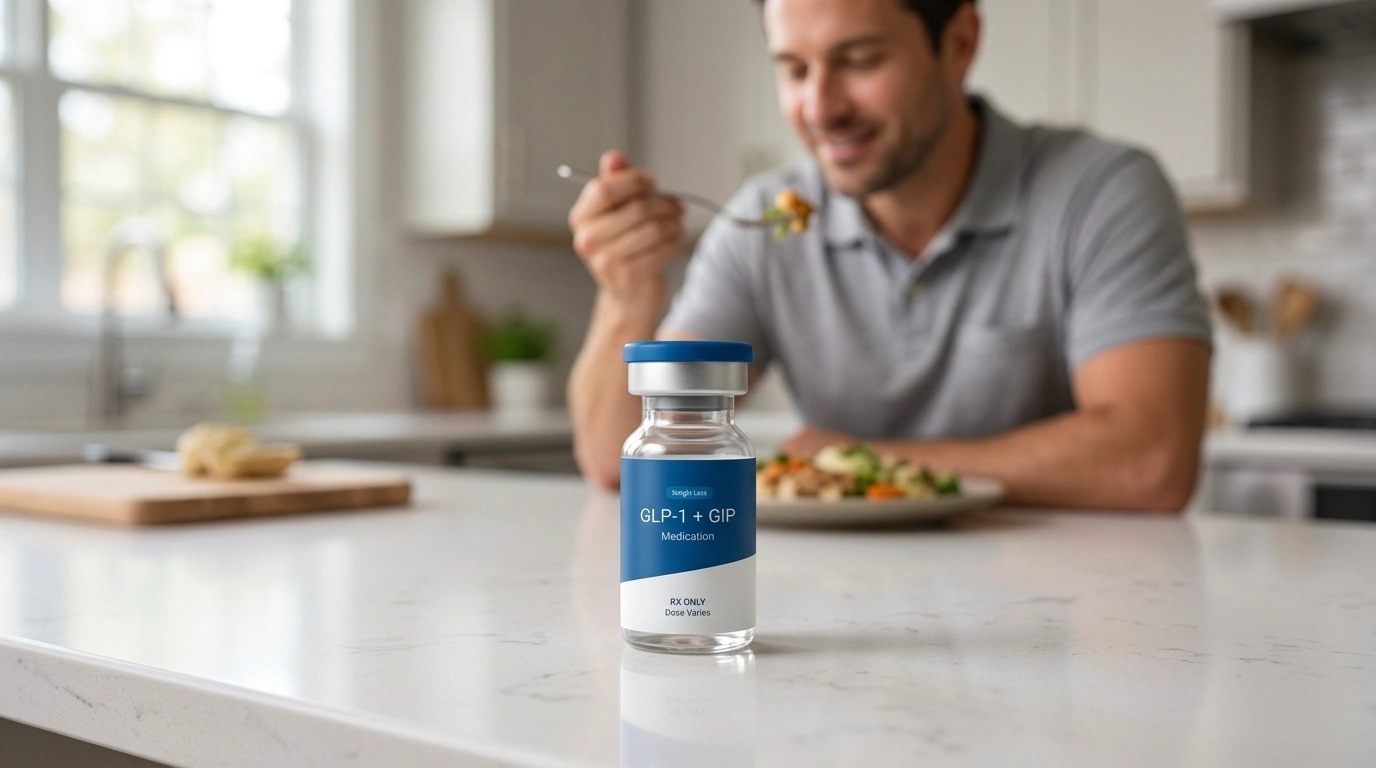
Managing a weekly injection schedule can sometimes lead to confusion, especially if you miss a dose or face a supply shortage. You might wonder if you can take two Zepbound® shots at the same time to make up for a missed week or to reach a higher prescribed dose using multiple pens. At TrimRx, we understand that navigating the specifics of GLP-1 and GIP medications can feel overwhelming without clear guidance. If you are still figuring out whether treatment is the right fit, you can take the free assessment quiz to see if a personalized program may be appropriate for you. This article addresses the safety, clinical recommendations, and risks associated with taking multiple injections at once. We will cover the specific rules for missed doses, the importance of the titration schedule, and how to handle dosing errors. While there are specific medical circumstances where a provider might direct the use of two pens, doing so on your own can lead to significant health risks.
The Short Answer: Should You Take Two Shots at Once?
In almost every scenario, you should not take two Zepbound® shots at the same time on your own. If you have missed a dose, the clinical recommendation is never to “double up” to catch up. For a deeper look at timing and missed-dose guidance, our guide on what to do if you take your tirzepatide a day late is a helpful companion. Taking a double dose significantly increases the amount of tirzepatide—the active ingredient—in your system. This can overwhelm your body’s ability to process the medication, leading to severe gastrointestinal distress and other complications.
The only exception to this rule is if your healthcare provider has specifically instructed you to use two lower-strength pens to achieve a higher prescribed dose. For example, if you are prescribed a 10 mg dose but only have 5 mg pens available due to a pharmacy shortage, your doctor may advise you to use two 5 mg injections. However, this should only be done under direct professional supervision and never as a way to compensate for a missed week of treatment.
Why Doubling Up for a Missed Dose Is Dangerous
The temptation to take two shots after missing a week is common. You may worry about losing progress or “stalling” your weight loss journey. However, the pharmacology of tirzepatide makes doubling up particularly risky.
Tirzepatide has a long half-life of approximately five days. This means the medication stays in your system for a significant amount of time. When you take your weekly injection, you are adding to the “steady state” of medication already circulating in your blood. If you take two doses at once, you reach a peak concentration that your body is not prepared for.
Key Takeaway: Doubling your dose does not result in double the weight loss; instead, it dramatically increases the risk of severe side effects like persistent vomiting and dehydration.
The Impact on Gastric Emptying
Zepbound® works partly by slowing down gastric emptying, which is the speed at which food leaves your stomach. This process helps you feel full longer. When you take an excessive amount of the medication at once, gastric emptying can slow down to an uncomfortable or even dangerous degree. This often results in:
- Severe, prolonged nausea
- Projective or frequent vomiting
- Intense abdominal cramping
- Extreme bloating
The Clinical Dosing Schedule for Zepbound®
To understand why taking two shots is problematic, it is helpful to look at how the medication is designed to be taken. Zepbound® is a dual agonist that targets two specific receptors: glucose-dependent insulinotropic polypeptide (GIP) and glucagon-like peptide-1 (GLP-1).
These hormones regulate hunger and blood sugar. Because these pathways are powerful, the body needs time to adjust. This is why we use a titration schedule, which is a method of gradually increasing a dose to improve tolerance. If you want a more complete overview of weekly timing, our tirzepatide dosing guide explains how the schedule is typically structured.
The Typical Titration Path
Most individuals starting their journey through the TrimRx platform or with their local provider follow a standardized schedule:
- Starting Dose: 2.5 mg once weekly for the first four weeks. This dose is primarily to help the body acclimate and is not usually considered a therapeutic weight-loss dose.
- First Increase: 5 mg once weekly for the next four weeks.
- Subsequent Increases: If needed, the dose may increase by 2.5 mg every four weeks (to 7.5 mg, 10 mg, 12.5 mg, and finally 15 mg).
By following this slow climb, your digestive system learns to handle the hormonal changes. Jumping from a 5 mg dose to a 10 mg dose by taking two shots at once skips the necessary 7.5 mg step. This jump can trigger a “shock” response in the gastrointestinal tract.
Managing a Missed Dose Safely
If you realize you have missed your injection, do not panic. There is a specific protocol developed by clinical experts to handle this situation without taking two shots at once.
The 4-Day (96-Hour) Rule
The standard guidance for a missed dose depends on how much time has passed since your scheduled injection day:
- If it has been 4 days or less: Take the missed dose as soon as you remember. You can then resume your normal weekly schedule.
- If it has been more than 4 days: Skip the missed dose entirely. Wait until your next regularly scheduled day to take your next single dose.
The 3-Day (72-Hour) Buffer
Regardless of when you take a missed dose, you must ensure there are at least three days (72 hours) between any two injections. If you take a missed dose on a Wednesday, you should not take your next dose on Friday. This buffer is critical to prevent the medication levels in your blood from spiking too high. If you want another plain-English explanation of this timing window, this Zepbound missed-dose guide covers the same topic from a different angle.
Note: If you miss two or more consecutive doses, do not simply restart at your previous high dose. Your body may have lost its tolerance. Consult your healthcare provider, as they may suggest restarting at a lower dose to avoid severe side effects.
When Multiple Pens Are Prescribed
There are instances where a patient might use two injections for a single dose, but this is a matter of logistics, not “doubling up” for missed time. Due to supply chain issues, pharmacies may run out of specific strengths, such as the 10 mg or 15 mg pens.
In these cases, a pharmacist or doctor might provide two boxes of a lower strength.
- Scenario A: You are prescribed 5 mg. You have 2.5 mg pens. Your doctor tells you to use two 2.5 mg pens. This is acceptable.
- Scenario B: You are prescribed 10 mg. You have 5 mg pens. Your doctor tells you to use two 5 mg pens. This is acceptable.
In both scenarios, you are still only taking your prescribed total amount of milligrams. You are not exceeding the dose your body has already been conditioned to handle. Even in these cases, it is best to inject the two shots in different locations (for example, one in the left thigh and one in the right thigh) to minimize skin irritation.
What Happens if You Take Too Much?
Taking an accidental overdose of tirzepatide by doubling your shots can lead to symptoms that require medical attention. Because the medication affects blood sugar and digestion, the side effects of an overdose are more than just an “upset stomach.”
Common Overdose Symptoms
- Severe Dehydration: Constant vomiting and diarrhea can lead to rapid fluid loss.
- Hypoglycemia: While tirzepatide is designed to regulate blood sugar, an excessive amount can cause blood sugar to drop too low, especially if you are taking other medications like insulin.
- Pancreatitis Risks: While rare, excessive stimulation of the pathways involved in insulin secretion can increase the risk of inflammation of the pancreas.
- Intense Fatigue: The body uses a significant amount of energy to process the metabolic shift caused by an overdose.
If you have taken two shots at once and cannot keep fluids down, or if you feel dizzy and shaky, you should contact a healthcare professional or seek emergency care immediately.
How to Avoid Dosing Errors
Consistency is the foundation of success with GLP-1 and GIP medications. Because these are once-weekly injections, it is easy to lose track. Here are a few ways to ensure you stay on schedule:
- Set a Digital Reminder: Use a smartphone alarm or a dedicated medication tracking app.
- Use the Box: Mark the date on the Zepbound® box every time you remove a pen.
- Pick a “Medical Day”: Choose a day of the week that is consistently low-stress, such as Sunday morning or Thursday evening.
- Visual Cues: Keep your sharps container in a visible (but safe) place to remind you that your injection day is approaching.
The Importance of Professional Guidance
Weight loss is a complex biological process. It is not as simple as “more medication equals more weight loss.” The receptors in your brain and gut can become overwhelmed. When you work with a personalized program, you have access to experts who can guide you through these moments of confusion.
We believe that every weight loss journey should be medically supervised to ensure safety. If you are ready to see whether a structured program makes sense for you, you can complete the free assessment quiz and review your next steps with a licensed team. Whether you are using branded medications or exploring options through FDA-registered compounding pharmacies, having a dedicated team to answer questions about dosing is essential.
Bottom Line: Never take two Zepbound® shots at the same time to make up for a missed dose. Only use two pens at once if your healthcare provider has explicitly instructed you to do so to reach your prescribed maintenance dose.
Storage and Handling for Safety
Sometimes people consider taking a second shot because they feel the first one “didn’t work” or “leaked.” Understanding proper handling can prevent the urge to double up.
- Check the Liquid: The solution should be clear and colorless to slightly yellow. If it is cloudy, do not use it.
- Temperature Matters: Store your pens in the refrigerator between 36°F and 46°F. If necessary, a pen can stay at room temperature for up to 21 days, but it should never be frozen.
- Injection Technique: Ensure you hear the “click” and see the gray plunger. If a small drop of liquid remains on the skin, that is normal. Do not take a second shot thinking the first one failed.
The Role of Personalized Support
At TrimRx, our mission is to help individuals embrace healthier lifestyles through science and empathy. We provide a telehealth-first platform that connects you with licensed providers who understand the nuances of tirzepatide and semaglutide. Our programs are designed to be transparent, with no hidden fees, providing you with the lab work, provider consultations, and support needed to navigate your journey safely. If you want a more detailed explainer on weekly timing, our Zepbound day-late guide is a useful companion read.
If you ever feel that your current dose is not working, the solution is never to take matters into your own hands by doubling your shots. Instead, our specialists can help you evaluate if it is time to move up to the next step in the titration schedule or if other lifestyle factors need adjustment.
Conclusion
The question of whether you can take two Zepbound® shots at the same time has a clear clinical answer: only if specifically directed by a doctor to meet a single prescribed dose. Doubling up to catch up on a missed week is a dangerous practice that can lead to severe gastrointestinal side effects and potential hospitalization. By following the 4-day rule for missed doses and respecting the 72-hour buffer between injections, you can stay safe while maintaining your progress.
- Never double your dose to make up for a missed week.
- Follow the 4-day rule: if more than 4 days have passed, skip the dose.
- Ensure at least 72 hours between any two injections.
- Always consult your healthcare provider before changing how you take your medication.
By prioritizing safety and following professional guidance, you ensure that your path to better health remains sustainable and effective. If you are ready to start a supervised, personalized weight loss journey, we invite you to take our free assessment quiz to see which program is right for you.
FAQ
Can I take two 2.5 mg Zepbound® shots if I was prescribed 5 mg?
Yes, you can take two 2.5 mg injections to reach a 5 mg dose if your healthcare provider has specifically instructed you to do so. This often happens during medication shortages. However, you should still ensure you are injecting into two different sites to minimize skin irritation and discomfort. If you are unsure whether a prescribed change is appropriate, you can complete the free assessment quiz and review options with a licensed provider.
What should I do if I accidentally took two Zepbound® shots at once?
If you accidentally double your dose, monitor yourself closely for severe nausea, vomiting, or signs of low blood sugar like dizziness and shakiness. Contact your healthcare provider immediately or call a poison control center for guidance. If you cannot keep liquids down or feel extremely faint, seek emergency medical attention.
Is it okay to take my Zepbound® shot a day early?
You can change the day of your weekly injection as long as the time between the two doses is at least 72 hours (3 days). For example, if you usually take your shot on Sunday but need to move it to Saturday, that is generally safe. For more on timing and dose spacing, the tirzepatide dosing guide explains the weekly rhythm in more detail.
Why does Zepbound® make me feel so sick if I take too much?
Zepbound® contains tirzepatide, which significantly slows down your digestion and changes how your brain perceives hunger. When you take too much, your stomach may stop moving food effectively (gastroparesis), leading to intense nausea and vomiting. Your body needs the slow titration process to adapt to these hormonal shifts safely.
Disclaimer: This content is for informational purposes only and does not constitute medical advice. It is not intended to diagnose, treat, cure, or prevent any disease or condition. Individual results may vary. Always consult a qualified healthcare professional before starting any weight loss program or medication.

Transforming Lives, One Step at a Time
Keep reading

Why Is There a Bruise Where I Injected My Zepbound?
A bruise means a small blood vessel was disturbed under the skin and blood spread into the surrounding tissue. It is one of the…
My Zepbound Pen Won’t Click Past a Certain Dose
Start by checking which device you are holding, because the answer depends entirely on that. Zepbound has commonly been supplied in the United States…
Zepbound Alternatives: Your Options Compared
If Zepbound isn’t the right fit, the main alternative is semaglutide (sold as Wegovy), which produces slightly less weight loss but works similarly, along…


