What Medications Should Not Be Taken With Zepbound?
Introduction
Starting a new weight loss journey with a medication like Zepbound® is an exciting step toward better health. It is natural to feel a mix of hope and caution as you navigate how this treatment fits into your daily life. One of the most important questions you can ask is how your current prescriptions or supplements might react with a new medication. At TrimRx, we believe that informed patients are successful patients, and safety is the foundation of any sustainable health transformation.
Zepbound® (tirzepatide) is a powerful tool, but it changes how your body processes everything you swallow. Because it affects your digestive system and blood sugar, it can interact with various drugs, from common painkillers to life-saving insulin. This post covers the specific medications you should discuss with your provider to ensure your treatment remains safe and effective. Understanding these interactions helps you and your clinical team create the most personalized and secure path forward.
Quick Answer: Zepbound® mainly interacts with oral medications (due to slowed digestion), birth control pills, and blood sugar-lowering drugs like insulin or sulfonylureas. Always provide your healthcare team with a full list of your current medications and supplements before starting treatment.
How Zepbound Affects Your Body’s Processing
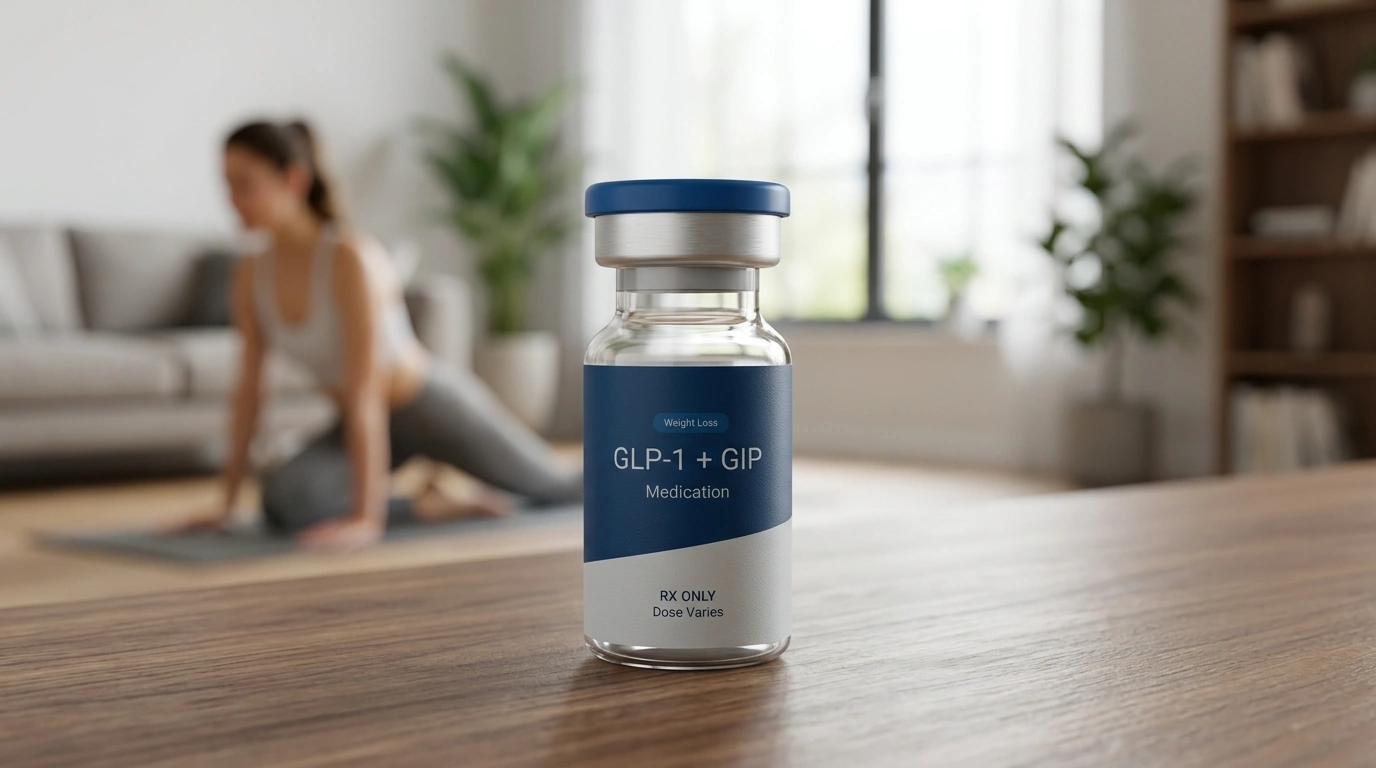
To understand why certain medications do not mix well with Zepbound®, it helps to know how the drug functions. Zepbound® is a dual-agonist medication. It mimics two hormones in your body: glucagon-like peptide-1 (GLP-1) and glucose-dependent insulinotropic polypeptide (GIP). These hormones help regulate your appetite and how your body handles sugar.
One of the primary ways Zepbound® helps with weight loss is by slowing down gastric emptying. This is a medical term for how quickly food and pills move out of your stomach and into your small intestine. When your stomach stays full longer, you feel satiated for more time. However, this also means any oral medication you take stays in your stomach longer than usual. This delay can change how much of a drug your body absorbs and how quickly it starts to work. For a deeper explanation, read this guide to how tirzepatide affects other medications.
Oral Medications and Absorption Issues
Because Zepbound® slows down the digestive process, any medication taken by mouth (oral) could potentially be affected. This includes tablets, capsules, and liquid medicines. If a medication needs to reach your bloodstream at a specific time or concentration to be effective, the delay caused by Zepbound® might interfere with those results.
High-Risk Oral Medications
Some medications have what doctors call a “narrow therapeutic index.” This means the difference between a safe dose and an unsafe or ineffective dose is very small. For these drugs, even a slight change in absorption speed can be a problem. Examples include:
- Warfarin (Jantoven®): A blood thinner used to prevent clots.
- Cyclosporine: An immunosuppressant often used after organ transplants.
- Theophylline: A medication used for asthma and other lung conditions.
- Digoxin: Often used for heart rhythm issues or heart failure.
If you take any of these, your healthcare provider may need to monitor your blood levels more frequently when you start or change your dose of Zepbound®. You can also review specific tirzepatide drug interaction concerns before speaking with your provider.
Common Over-the-Counter Drugs
Even everyday items like ibuprofen (Advil® or Motrin®) or acetaminophen (Tylenol®) can stay in your system longer. While this is usually not dangerous for occasional use, it may delay how fast you feel relief from a headache or muscle pain. If you find your regular pain relievers are not working as expected, it is worth discussing the timing with a professional.
Key Takeaway: The slowed digestion caused by Zepbound® means oral drugs stay in your stomach longer, which can delay or reduce their effectiveness.
Zepbound and Oral Birth Control
This is one of the most critical interactions to understand. Zepbound® can make oral birth control pills less effective. Because the hormones in birth control pills need to be absorbed at a very consistent rate to prevent pregnancy, the digestive delay caused by Zepbound® can cause hormone levels to drop too low. For additional context, review this guide to tirzepatide and birth control timing.
Protecting Your Health
The risk of birth control failure is highest when you first start taking Zepbound® and every time your dosage is increased. To stay safe, medical experts typically recommend:
- Switching Methods: Consider non-oral birth control options, such as an IUD, a birth control patch, or an injectable option.
- Using Backup: If you stay on the pill, use a backup barrier method (like condoms) for at least four weeks after starting treatment.
- Dose Increase Coverage: Use backup protection for four weeks following any increase in your Zepbound® dose.
Personalized programs like those offered through TrimRx prioritize these safety conversations. If you are considering prescription treatment, complete a free eligibility assessment so a provider can review your health profile and medication history.
Blood Sugar Medications: Insulin and Sulfonylureas
Zepbound® is highly effective at managing blood sugar levels. While this is a benefit for many, it can be dangerous if you are already taking other medications that lower blood sugar. When combined, these drugs can cause your blood sugar to drop too low, a condition called hypoglycemia. Learn more about tirzepatide, insulin, and blood sugar medications before discussing treatment changes.
Medications to Watch
- Insulin: Including fast-acting and long-acting types like Lantus® or Humalog®.
- Sulfonylureas: Common examples include glipizide, glyburide, and glimepiride.
- Meglitinides: Such as repaglinide or nateglinide.
Symptoms of Low Blood Sugar
If you are taking these medications alongside Zepbound®, you must be able to recognize the signs of hypoglycemia:
- Dizziness or lightheadedness
- Shaking or tremors
- Sudden sweating or chills
- Confusion or irritability
- Fast heartbeat
If your provider prescribes Zepbound® while you are on these medications, they will likely lower your dose of the other drugs to prevent a dangerous drop in blood sugar. Never adjust your prescription doses on your own.
Other GLP-1 or GIP Medications
It is vital that you do not “stack” or combine Zepbound® with other medications in the same class. This includes branded products like Wegovy®, Ozempic®, Saxenda®, or Mounjaro®. It also includes compounded versions of semaglutide or tirzepatide.
Taking two medications that work on the same hormone receptors does not double your results. Instead, it significantly increases the risk of severe side effects, such as:
- Extreme nausea and persistent vomiting
- Severe dehydration
- Increased risk of pancreatitis (inflammation of the pancreas)
- Serious kidney strain
If you are switching from a medication like Wegovy® to Zepbound®, your provider will give you a specific timeline for when to stop one and start the other.
Vitamins, Herbs, and Supplements
Many people assume that “natural” supplements are always safe to take with prescription drugs. However, vitamins and herbal products can also be affected by the changes in your digestion.
Common Supplement Concerns
- St. John’s Wort: Often used for mood support, this herb is known to interact with many medications by changing how the liver processes them.
- Fiber Supplements: While fiber is often recommended, taking large amounts of psyllium husk or methylcellulose at the same time as your medication could further slow absorption.
- Multivitamins: Like other oral pills, your body may absorb these more slowly. It is usually best to take your vitamins at a different time of day than your other essential medications.
Bottom line: While no major “deadly” interactions with common vitamins have been reported yet, the general rule of slowed absorption still applies.
Alcohol and Zepbound
While alcohol is not a medication, it is a substance that many people use regularly. There is no known direct chemical “clash” between alcohol and Zepbound®, but they can be a difficult combination for your body to handle.
Increased Side Effects: Both alcohol and Zepbound® can irritate the stomach. Drinking while on the medication can make nausea, vomiting, and indigestion much worse.
Dehydration Risk: Zepbound® can sometimes cause diarrhea or vomiting, which leads to fluid loss. Alcohol is a diuretic, meaning it makes you lose more fluid. Together, they can lead to severe dehydration, which can harm your kidneys.
Blood Sugar Fluctuations: Alcohol can cause blood sugar to drop. If you are already on a medication that manages glucose, alcohol can make a low blood sugar episode more likely. For more information, read about common tirzepatide side effects and management strategies.
Medical Conditions and Contraindications
Sometimes, it is not just another pill that causes a problem, but an existing health condition. These are known as “contraindications”—reasons why a specific treatment might be unsafe for you.
Thyroid Health
Zepbound® carries a boxed warning regarding thyroid C-cell tumors. In animal studies, tirzepatide caused these tumors. While it is not yet known if this happens in humans, you should not take Zepbound® if:
- You have a personal or family history of Medullary Thyroid Carcinoma (MTC).
- You have Multiple Endocrine Neoplasia syndrome type 2 (MEN 2).
Pancreatitis and Kidney Issues
If you have a history of pancreatitis, Zepbound® may not be right for you. Additionally, because the medication can lead to dehydration through digestive side effects, people with existing kidney disease need to be monitored very closely. Severe dehydration can lead to acute kidney injury.
Severe Gastroparesis
Because the medication already slows the stomach down, people with a condition called gastroparesis (paralyzed stomach) should typically avoid this class of drugs. It can make the condition significantly worse, leading to severe blockages or persistent vomiting.
Managing Your Medications Safely
The best way to avoid a dangerous interaction is to be completely transparent with your clinical team. At TrimRx, we simplify this through our telehealth-first approach. When you complete our free assessment quiz, you provide the essential data our partner providers need to evaluate your safety.
Steps for a Safe Start
- Create a Full List: Write down every prescription, over-the-counter pill, vitamin, and herbal supplement you take.
- Include Dosages: Note how many milligrams you take and how often.
- Discuss Birth Control: If you are of childbearing age, have a specific plan for non-oral or backup contraception.
- Monitor Your Body: During the first few weeks, pay close attention to how you feel. If a regular medication seems to be “wearing off” or taking too long to work, tell your provider.
- Schedule Surgery Wisely: If you have a planned surgery, you must tell your surgeon you are on Zepbound®. Because it slows the stomach, you may have food in your system even after fasting, which creates a risk of aspiration during anesthesia. Review this guide on using GLP-1 medications before surgery and follow your own surgical team’s instructions.
Key Takeaway: Transparency is your best defense. A complete medication list allows your provider to adjust doses and prevent avoidable complications.
The Role of Personalized Support
Every person’s metabolism and health history are unique. What works perfectly for one individual might require adjustments for another. This is why a “one size fits all” approach to weight loss often fails or leads to unnecessary side effects.
We focus on a personalized program that looks at you as a whole person. Our platform connects you with licensed providers who can review your specific medication list and health history. Whether you are considering compounded tirzepatide or are interested in branded options, our goal is to ensure the treatment fits into your life safely.
If you are using supplements like our GLP-1 Daily Support or Weight Loss Boost, these are designed to complement your journey. However, even high-quality supplements should be part of a larger conversation with your specialist. For additional energy support during weight loss, explore the Weight Loss Boost supplement.
By using a telehealth-first model, we remove the barriers of waiting rooms and long commutes, making it easier for you to get answers to your safety questions 24/7.
Conclusion
Zepbound® is a sophisticated medication that requires a thoughtful approach to safety. While the list of potential interactions can seem long, most can be managed easily with the help of a professional. By staying aware of how the drug affects your digestion and blood sugar, you can take proactive steps—like using backup birth control or adjusting your insulin—to stay on track.
The journey to sustainable weight loss is a marathon, not a sprint. Success comes from combining medical science with personal care and clinical oversight. Our mission is to provide you with the tools, the technology, and the empathetic support you need to reach your goals without compromising your safety.
Next Step: If you are ready to see if a personalized weight loss program is right for you, your first step is simple. Take the free assessment quiz to share your health profile with a licensed provider and begin your journey today.
FAQ
Can I take ibuprofen or Tylenol while on Zepbound?
Yes, you can generally take over-the-counter pain relievers like ibuprofen or acetaminophen, but they may take longer to start working. Because Zepbound® slows your digestion, the medicine stays in your stomach longer before reaching your bloodstream. If you need fast relief, talk to your doctor about the best timing for these medications.
Will Zepbound make my birth control pill fail?
There is a risk that Zepbound® can make oral birth control pills less effective, especially when you first start the medication or when you increase your dose. The delay in stomach emptying changes how the hormones are absorbed. It is highly recommended to use a backup method like condoms or switch to a non-oral birth control (like an IUD) during treatment.
Is it safe to drink alcohol while taking Zepbound?
There is no direct drug interaction between alcohol and Zepbound®, but the combination can lead to severe nausea and dehydration. Alcohol can also cause your blood sugar to drop, which might be risky if you are already on a glucose-managing medication. Most providers suggest limiting alcohol to see how your body reacts to the medication first.
Can I take Zepbound if I am already taking insulin?
You can take Zepbound® if you use insulin, but it must be done under strict medical supervision. Both medications lower blood sugar, and using them together significantly increases your risk of hypoglycemia (dangerously low blood sugar). Your doctor will likely need to lower your insulin dose when you start Zepbound®. If you are considering treatment, see if you qualify for a personalized program.
Disclaimer: This content is for informational purposes only and does not constitute medical advice. It is not intended to diagnose, treat, cure, or prevent any disease or condition. Individual results may vary. Always consult a qualified healthcare professional before starting any weight loss program or medication.

Transforming Lives, One Step at a Time
Keep reading

Can You Eat Clam Chowder on Zepbound?
Clam chowder is a seaside classic, often served in a bread bowl on a chilly day. New England chowder is thick, creamy, and rich…

Can You Eat Korean BBQ on Zepbound?
Korean barbecue is a social, hands-on meal: platters of marinated meats grilled at the table, surrounded by small side dishes called banchan, with lettuce…
Can You Eat Brownies on Zepbound?
Brownies are a classic homemade treat, a bake sale staple, and a common office snack. They are also dense, rich, and very sweet, made…


