Can I Take Zepbound If I Have Gallstones?
Introduction
Starting a medical weight loss journey is a significant step toward better health, but it often comes with questions about existing conditions. If you have been diagnosed with gallstones or have a history of gallbladder issues, you might wonder if dual-agonist medications are right for you. At TrimRx, we believe that understanding the intersection of metabolic health and digestive safety is essential for a successful outcome. Zepbound® (tirzepatide) is a highly effective medication for weight management, but it does carry specific considerations for gallbladder health. This post explores the relationship between rapid weight loss, tirzepatide, and gallbladder function to help you navigate your options safely. Our goal is to ensure you feel empowered and informed before beginning any new treatment protocol. Whether you have “silent” gallstones or a history of biliary issues, medical guidance is the key to a safe transformation.
If you are considering prescription weight loss treatment, you can complete a free eligibility assessment so a licensed provider can review your health history.
Understanding Zepbound and Your Gallbladder
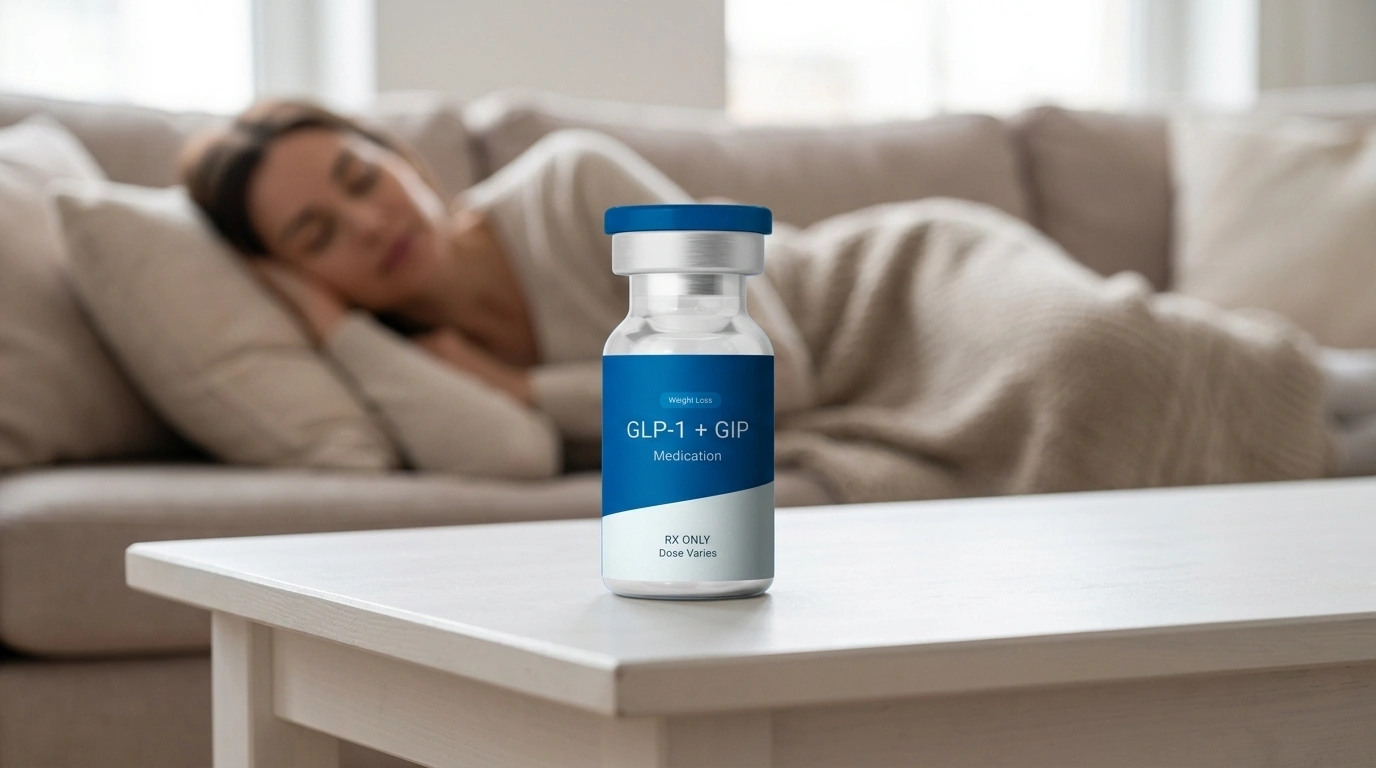
To understand if you can take Zepbound® with gallstones, it helps to first look at how the medication works. Zepbound is a dual GIP (glucose-dependent insulinotropic polypeptide) and GLP-1 (glucagon-like peptide-1) receptor agonist. These are hormones naturally found in your body that regulate appetite and blood sugar. By mimicking these hormones, the medication slows down how quickly your stomach empties and signals to your brain that you are full.
For a broader explanation of how these medications work, read this GLP-1 medication overview.
The gallbladder is a small, pear-shaped organ located just under your liver. Its primary job is to store and concentrate bile, a fluid produced by the liver that helps your body break down fats. When you eat, the gallbladder releases bile into the small intestine.
Quick Answer: Taking Zepbound® if you have gallstones is a decision that must be made by a licensed healthcare provider after a thorough review of your medical history. While the medication can increase the risk of gallbladder-related side effects, it is not always an absolute contraindication, especially if your gallstones are asymptomatic.
The Relationship Between Weight Loss and Gallstones
It is a well-documented medical fact that rapid weight loss, regardless of how it is achieved, increases the risk of developing gallstones. This occurs for several biological reasons. When you lose weight quickly, your liver secretes extra cholesterol into the bile. This can cause the bile to become oversaturated with cholesterol, leading to the formation of stones.
For more information about protecting your gallbladder during weight loss, explore this guide to weight loss and gallstone prevention.
Furthermore, when you are on a calorie-restricted diet or using a medication that slows digestion, your gallbladder may not contract as frequently as it used to. This is known as bile stasis. When bile sits in the gallbladder for too long, it can thicken and eventually form hard deposits known as gallstones (cholelithiasis).
- Bile saturation: Rapid fat breakdown increases cholesterol levels in the bile.
- Reduced motility: Slower digestion means the gallbladder empties less often.
- Existing risk: Obesity itself is a primary risk factor for gallbladder disease.
Key Takeaway: The risk of gallstones is often tied more to the speed of weight loss and biological changes in bile than to the medication itself, though the medication facilitates the conditions that lead to stone formation.
Clinical Insights on Tirzepatide and Gallbladder Safety
Clinical trials for Zepbound® have shown that gallbladder-related events, such as gallstones or inflammation of the gallbladder (cholecystitis), occurred in a small percentage of participants. These events were more common in the groups receiving the medication than in those receiving a placebo.
If you want to understand more about possible digestive reactions, review this guide to tirzepatide side effects and symptom management.
If you already have gallstones, the primary concern is whether the medication will cause those stones to shift or lead to an acute episode of gallbladder pain, known as biliary colic. For some individuals, the benefits of weight loss—such as improved cardiovascular health and blood sugar control—may outweigh the potential gallbladder risks. However, for those with a history of frequent gallbladder attacks or active inflammation, a provider might suggest a different path or close monitoring.
At TrimRx, our affiliated providers look at your entire health profile to determine if a GLP-1 or dual GIP/GLP-1 program is appropriate for you. We prioritize safety by ensuring that every patient undergoes a detailed assessment before receiving a prescription.
Symptoms of Gallbladder Issues to Monitor
If you and your healthcare provider decide to move forward with a weight loss program, it is vital to know the warning signs of gallbladder distress. These symptoms can range from mild discomfort to a medical emergency.
Common symptoms of gallstones and cholecystitis include:
- Sudden, intensifying pain in the upper right portion of your abdomen.
- Pain in the center of your abdomen, just below your breastbone.
- Back pain between your shoulder blades or pain in your right shoulder.
- Nausea or vomiting that accompanies abdominal pain.
- Jaundice, which is a yellowing of the skin or the whites of the eyes.
- Fever or chills, which may indicate an infection or inflammation.
If you experience severe abdominal pain that prevents you from sitting still or finding a comfortable position, you should seek immediate medical attention.
For additional context on warning signs, read about tirzepatide-related gallbladder risks.
Note: If you have had your gallbladder removed (cholecystectomy) in the past, you generally do not need to worry about gallstones. Many individuals without a gallbladder successfully use GLP-1 medications under medical supervision.
How Personalized Care Minimizes Risk
Weight loss is not a one-size-fits-all process. A personalized approach is the best way to manage risks like gallbladder issues. When you use a platform like TrimRx, you are connected with providers who understand how to titrate your medication correctly.
Titration is the process of starting at a very low dose and gradually increasing it over several months. This slow approach helps your body adjust to the hormonal changes and can potentially reduce the severity of digestive side effects. It also allows for more controlled weight loss, which may lower the risk of sudden bile changes.
Steps to a safer weight loss journey: Step 1: Complete the free assessment quiz. / This helps our team understand your medical history and goals. Step 2: Consult with a licensed provider. / They will review your history of gallstones or gallbladder disease to determine eligibility. Step 3: Begin a personalized program. / Follow the prescribed dosing schedule carefully to allow your body to adapt. Step 4: Maintain consistent communication. / Report any new abdominal pain or digestive changes to your care team immediately.
The Role of Compounded Medications
In the current landscape of weight loss medicine, many patients explore compounded options. Compounded Semaglutide and Compounded Tirzepatide are prepared by specialized pharmacies to meet specific patient needs. While these are not FDA-approved like branded medications, they are often used when branded versions are in short supply or when a specific dose is required.
It is important to remember that the risk of gallbladder issues remains the same whether you are taking a branded medication like Zepbound® or a compounded version of tirzepatide. The active ingredient and the resulting weight loss are the primary drivers of the risk, not the brand name. All medications provided through our platform are shipped from FDA-registered, inspected compounding pharmacies to ensure high standards of quality and safety.
Lifestyle Strategies for Gallbladder Health
While you are on a weight loss program, there are steps you can take to support your digestive system and potentially reduce the burden on your gallbladder.
Stay Hydrated Water is essential for all metabolic processes, including the production of bile. Dehydration can make bile more concentrated, which may increase the risk of stone formation. Aim for consistent water intake throughout the day.
Focus on Healthy Fats While you may be eating less, it is important to include small amounts of healthy fats, such as olive oil or avocado, in your diet. These fats signal the gallbladder to contract and empty its bile, preventing the stasis that leads to stones.
Consider Supplemental Support Maintaining general wellness during weight loss is crucial. Some individuals choose to use supplements like GLP-1 Daily Support or Weight Loss Boost to ensure they are getting the nutrients their body needs while their appetite is reduced. While these supplements do not prevent gallstones, they support overall metabolic health and energy levels during the transition.
Bottom line: While you cannot entirely eliminate the risk of gallstones during rapid weight loss, staying hydrated, losing weight at a controlled pace, and eating healthy fats can help support gallbladder function.
Is Zepbound Right for You?
The decision to start Zepbound® involves weighing the significant health benefits of weight loss against potential side effects. For many, losing excess weight reduces the risk of long-term complications like type 2 diabetes and heart disease. If you have gallstones, the “right” choice depends on whether your stones are causing symptoms and how your body responds to the medication.
Our mission at TrimRx is to provide a bridge between clinical expertise and your personal health goals. We provide access to a dedicated team that supports you every step of the way, ensuring that your program is modified as your health evolves. By moving away from the “waiting room” model, we make it easier for you to get the professional guidance you need without the stress of in-person visits.
Key Takeaway: Having gallstones does not automatically disqualify you from using GLP-1 or GIP/GLP-1 medications, but it does require a higher level of medical oversight and careful symptom monitoring.
Navigating the TrimRx Program
We have designed our process to be transparent and supportive. We don’t believe in hidden fees or complicated hurdles. Instead, we offer a comprehensive service that includes your consultation, your medication, and ongoing support.
When you join us, you are not just getting a prescription; you are getting a team. This is particularly important for individuals with pre-existing conditions like gallstones. Having 24/7 access to specialists means you can ask questions the moment they arise. This level of support is designed to turn a daunting journey into a manageable, sustainable lifestyle change.
For an overview of the online treatment process, read how to get weight loss medication through telehealth.
Myth: “If I have gallstones, I must have surgery before starting weight loss medication.” Fact: Surgery is not always necessary. Many patients with asymptomatic gallstones can safely use weight loss medications under the supervision of a healthcare provider who monitors for changes in symptoms.
Conclusion
The question of whether you can take Zepbound® with gallstones is one that requires a personalized answer. While the medication and the weight loss it produces can influence gallbladder health, many people navigate this successfully with professional medical guidance. By focusing on a slow titration, maintaining hydration, and staying in close contact with your care team, you can work toward your weight loss goals while prioritizing your digestive safety. At TrimRx, we are committed to helping you find the most effective and safest path to a healthier version of yourself. Our telehealth-first approach ensures that you have the science-backed support you need, tailored specifically to your health profile.
To see if our personalized programs are right for your needs, the best first step is to take the free assessment quiz. This allows us to gather the necessary information to help you move forward with confidence.
FAQ
Can I take Zepbound if I have already had my gallbladder removed?
Yes, many people who have had a cholecystectomy (gallbladder removal) can safely take Zepbound® or other GLP-1 medications. Since the gallbladder is no longer present to form stones, the specific risk of cholelithiasis is removed, though you should still discuss your full surgical history with your healthcare provider.
For more information, read this guide to taking Zepbound after gallbladder removal.
Does Zepbound cause gallstones directly?
Zepbound® does not directly create gallstones, but it can contribute to the conditions that allow them to form. By slowing down gallbladder emptying and facilitating rapid weight loss, the medication can cause bile to become more concentrated, which may lead to stone formation in some patients.
What should I do if I feel abdominal pain while on the medication?
If you experience sharp or persistent pain in your upper right abdomen, you should contact your healthcare provider or the team at TrimRx immediately. While some mild digestive upset is common with these medications, severe pain can be a sign of gallbladder issues or pancreatitis and requires a professional evaluation.
Are there ways to prevent gallbladder issues while losing weight?
While you cannot guarantee the prevention of gallstones, you can reduce your risk by following a gradual weight loss plan rather than an extreme one. Staying well-hydrated and ensuring your diet includes a small amount of healthy fats can also help keep your gallbladder functioning and emptying regularly.
If you are ready to discuss your health history with a licensed provider, start with a free assessment.
Disclaimer: This content is for informational purposes only and does not constitute medical advice. It is not intended to diagnose, treat, cure, or prevent any disease or condition. Individual results may vary. Always consult a qualified healthcare professional before starting any weight loss program or medication.

Transforming Lives, One Step at a Time
Keep reading

Why Is There a Bruise Where I Injected My Zepbound?
A bruise means a small blood vessel was disturbed under the skin and blood spread into the surrounding tissue. It is one of the…
My Zepbound Pen Won’t Click Past a Certain Dose
Start by checking which device you are holding, because the answer depends entirely on that. Zepbound has commonly been supplied in the United States…
Zepbound Alternatives: Your Options Compared
If Zepbound isn’t the right fit, the main alternative is semaglutide (sold as Wegovy), which produces slightly less weight loss but works similarly, along…


