Can You Eat Cucumber on Mounjaro? Best Foods for Success
Introduction
Starting a journey with a medication like Mounjaro® can feel like a major turning point in your health. However, it often comes with a flood of questions about what you can and cannot eat. You might find yourself standing in the produce aisle, wondering if a simple vegetable like a cucumber is safe or if it might trigger the nausea you have heard so much about. At TrimRx, we believe that understanding the relationship between your medication and your nutrition is the key to sustainable, long-term success.
In this article, we will answer whether cucumbers are a good choice for your diet, explain how certain foods interact with your treatment, and provide a roadmap for eating well while on a GLP-1 or GIP medication. We also look at how personalized support can help you navigate these daily choices with confidence. The short answer is that cucumbers are not only safe but are one of the best snacks you can choose to support your body during this transition. If you are considering prescription weight loss support, you can complete a free eligibility assessment.
Quick Answer: Yes, you can absolutely eat cucumbers while taking Mounjaro. In fact, they are highly recommended because they are non-starchy, low in calories, and have a high water content, which helps with hydration and managing common side effects like nausea.
How Mounjaro Works and Why Diet Matters
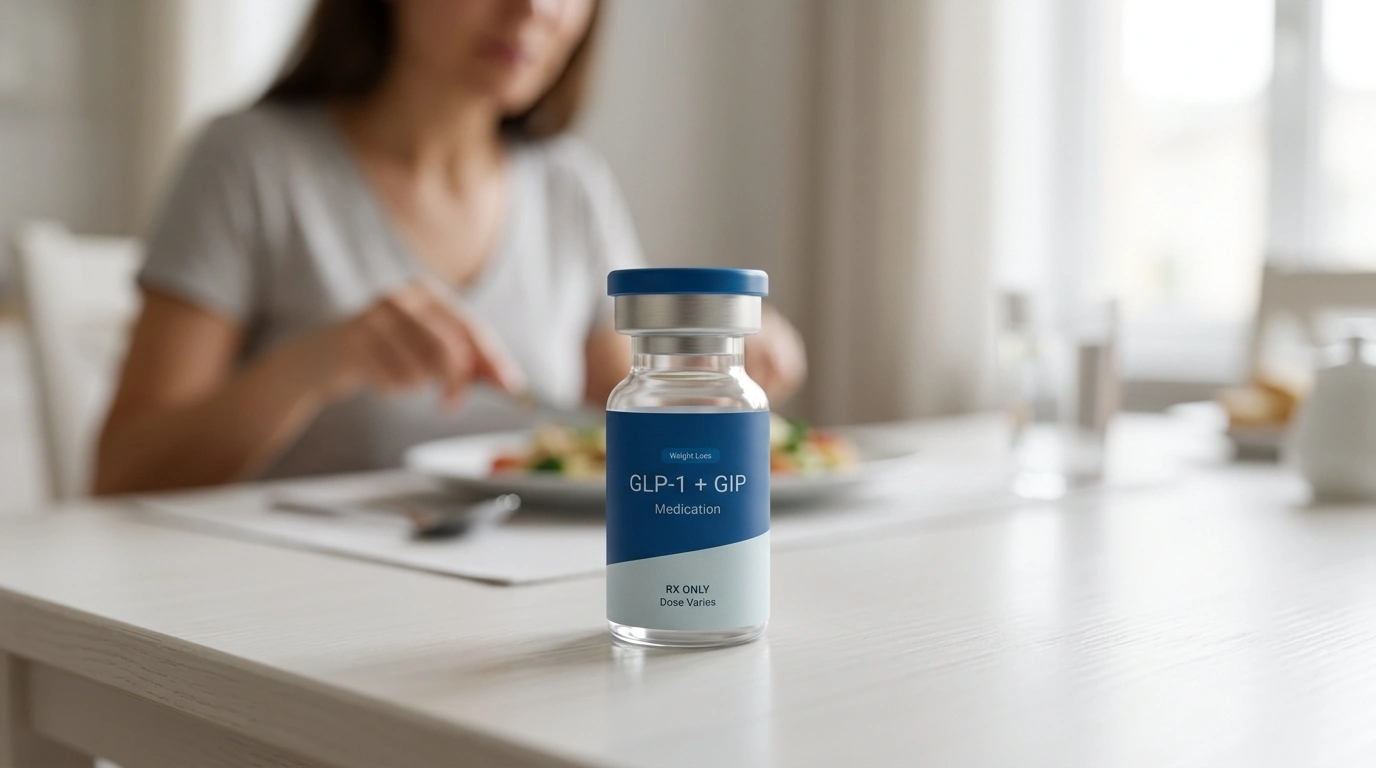
To understand why cucumbers are a great choice, it helps to understand what Mounjaro is doing inside your body. Mounjaro® (tirzepatide) is a medication used to help manage blood sugar levels and support weight loss in adults. It is a dual agonist, which means it mimics two different hormones in the body: glucagon-like peptide-1 (GLP-1) and glucose-dependent insulinotropic polypeptide (GIP).
These hormones work together to perform several critical tasks. They signal your brain to feel full sooner and stay full longer. They also slow down “gastric emptying,” which is the scientific way of saying that food stays in your stomach for a longer period of time. Because food moves through your system more slowly, the types of food you eat become much more important. For additional context, read this guide to how tirzepatide affects digestion and nausea.
If you eat heavy, greasy, or high-sugar foods, they sit in your stomach longer, which often leads to discomfort, bloating, or nausea. On the other hand, light, water-rich foods like cucumbers are easy for your system to handle even when digestion has slowed down.
Why Cucumbers are a Superfood for GLP-1 Patients
Cucumbers are often overlooked because they seem so simple, but for someone on a personalized weight loss program, they are a versatile tool. When you are taking a medication that reduces your appetite, every bite you take should serve a purpose. Cucumbers serve three major purposes: hydration, digestion, and volume. You can also explore this cucumber-focused guide for people taking Mounjaro.
Exceptional Hydration
One of the most common risks when taking GLP-1 or GIP medications is dehydration. Because these medications suppress your thirst and hunger signals, you might forget to drink enough water throughout the day. Dehydration is a leading cause of the headaches and fatigue that some people feel during the first few weeks of treatment.
Cucumbers are approximately 95% water. Eating them is an effective way to “eat your water” and keep your hydration levels stable. This is especially helpful if you find it difficult to drink large amounts of plain water due to a suppressed appetite or slight nausea.
Non-Starchy and Low Glycemic
For those managing their blood sugar or looking to lose weight, non-starchy vegetables are the gold standard. Cucumbers have a very low glycemic index, meaning they do not cause a rapid spike in your blood sugar levels. This makes them a perfect pairing for a medication designed to stabilize glucose levels.
Fiber for Digestive Support
While cucumbers are mostly water, the skin contains a good amount of insoluble fiber. This type of fiber adds bulk to your stool and helps food move through the digestive tract. Since some patients experience constipation as their digestion slows down on medication, the fiber in cucumbers can provide gentle support to keep things moving regularly. For more tips, see this overview of tirzepatide-related constipation.
Key Takeaway: Cucumbers are a “triple threat” for those on GLP-1 medications because they provide essential hydration, gentle fiber for digestion, and a low-calorie way to feel satisfied without causing blood sugar spikes.
Other Foods to Prioritize for Better Results
While cucumbers are excellent, they are just one piece of the puzzle. A successful program requires a balance of nutrients that protect your muscle mass and keep your energy high. When we work with individuals to build a personalized plan, we often emphasize the following categories.
Lean Protein Sources
Protein is perhaps the most important nutrient to focus on when your appetite is low. When you lose weight rapidly, your body may try to burn muscle for energy instead of just fat. To prevent this, you need to provide your body with plenty of lean protein.
Excellent sources include:
- Grilled chicken or turkey breast
- White fish like cod, tilapia, or halibut
- Eggs and egg whites
- Tofu and tempeh
- Low-fat Greek yogurt or cottage cheese
Non-Starchy Vegetables
Beyond cucumbers, you should aim to fill half of your plate with other colorful, non-starchy vegetables. These provide vitamins and minerals without adding many calories.
- Leafy greens (spinach, kale, arugula)
- Cruciferous vegetables (broccoli, cauliflower, Brussels sprouts)
- Bell peppers and zucchini
- Asparagus and green beans
Complex Carbohydrates
You do not need to cut out carbs entirely, but you should choose “complex” versions that digest slowly. These provide steady energy rather than the “crash” associated with white bread or sugary snacks.
- Quinoa and brown rice
- Oats and barley
- Sweet potatoes
- Lentils and chickpeas
If low energy becomes part of your weight loss routine, Weight Loss Boost supplement may be worth exploring as supportive metabolic nutrition.
Foods to Avoid or Limit While on Mounjaro
Because your digestion is slower, certain foods can become “troublemakers.” These are usually foods that are hard to break down or those that cause inflammation and blood sugar swings. Avoiding these can significantly reduce the likelihood of experiencing negative side effects. This guide to foods to limit on tirzepatide provides additional dietary context.
Fried and Greasy Foods
High-fat foods are the most common trigger for nausea and diarrhea on this medication. When you eat a heavy, greasy meal, it sits in your stomach for a very long time because of the slowed gastric emptying. This can lead to severe indigestion, acid reflux, and a general feeling of being “overly full” and miserable.
High-Sugar Foods and Drinks
Sugary sodas, candies, and desserts work directly against the goals of your medication. They cause rapid spikes in blood sugar that the medication then has to work harder to correct. Furthermore, these “empty calories” don’t provide the nutrition your body needs when you are eating less overall.
Carbonated Beverages
While some people find sparkling water refreshing, the carbonation can lead to extra gas and bloating. Since many patients already feel a bit bloated as their body adjusts to the medication, adding extra gas into the system can cause abdominal pain or frequent burping.
Bottom Line: Success on a GLP-1 program isn’t about restriction; it’s about choosing foods that work in harmony with your body’s slowed digestion. Prioritize protein and water-rich vegetables while limiting heavy fats and processed sugars.
| Food Category | Best Choices (Prioritize) | Foods to Limit (Caution) |
|---|---|---|
| Vegetables | Cucumber, Spinach, Broccoli | Fried Potatoes, Creamed Corn |
| Proteins | Chicken, Fish, Tofu, Eggs | Fried Chicken, Sausage, Bacon |
| Grains | Quinoa, Oats, Brown Rice | White Bread, Sugary Cereals |
| Fats | Avocado, Olive Oil, Nuts | Butter, Heavy Cream, Lard |
Managing Side Effects Through Your Diet
Most people who start a GLP-1 or GIP medication will experience some mild side effects as their body adjusts. The good news is that your dietary choices are one of the most powerful tools you have to manage these symptoms. You can also review this practical guide to tirzepatide side effects.
Dealing with Nausea
If you feel nauseous, try eating smaller, more frequent meals rather than three large ones. A few slices of cucumber with a little bit of salt can be a very soothing snack. The salt helps replenish electrolytes, while the water in the cucumber hydrates you. Avoid lying down immediately after eating, as this can make nausea or reflux worse.
For more food-based strategies, read this Mounjaro nausea and nutrition guide.
Preventing Constipation
Slowed digestion can sometimes lead to constipation. To prevent this, focus on high-fiber foods and stay very consistent with your water intake. If you find that you are struggling, consult with a healthcare provider. They may recommend a gentle fiber supplement or an over-the-counter solution.
Handling “Sulfur Burps”
Some patients report burps that have a distinct sulfur smell. This usually happens when protein stays in the stomach too long and begins to break down. To help avoid this, try to eat smaller portions of protein at a time and avoid eating late at night. Giving your body more time to digest before you go to sleep can make a big difference.
The TrimRx Approach to Personalized Health
At TrimRx, we understand that weight loss is not a one-size-fits-all process. What works for one person might not work for another. That is why our platform focuses on personalized programs that are tailored to your specific health profile and goals.
When you join our program, you get more than just a prescription. You gain access to a telehealth-first experience where you can consult with licensed providers from the comfort of your home. There are no waiting rooms or inconvenient appointments.
We connect you with providers who can prescribe medications such as Compounded Semaglutide or Compounded Tirzepatide. These medications are prepared and shipped by FDA-registered, inspected compounding pharmacies. This ensures you receive high-quality care that is customized to your needs. Whether you are curious about Mounjaro® or are looking for a compounded alternative, our team is here to support you every step of the way.
How to Get Started with a Personalized Program
If you are ready to take the next step in your health journey, the process is designed to be simple and transparent. You can see if you qualify for a personalized program.
Step 1: Complete the free assessment quiz.
This quiz helps us understand your medical history, your current weight loss goals, and whether you are a candidate for GLP-1 or GIP medications.
Step 2: Connect with a licensed provider.
Your assessment will be reviewed by a qualified healthcare professional who will determine the best course of action for your unique health profile.
Step 3: Receive your personalized treatment.
If prescribed, your medication will be shipped directly to your door from a licensed pharmacy. All shipping and supplies are included in your program.
Step 4: Ongoing support and monitoring.
Our team is available 24/7 to answer your questions. Whether you are wondering about side effects or need advice on how to incorporate more cucumbers into your diet, we are your dedicated partners in health.
Note: While medications like Mounjaro® and Zepbound® are FDA-approved for specific uses, compounded versions of these medications are not FDA-approved. However, they are a vital option for many patients and are prepared in strictly regulated facilities to ensure safety and quality.
Maximizing Your Journey
Eating a cucumber might seem like a small detail, but it represents the kind of mindful, healthy choice that leads to big results over time. Success with weight loss medication is not just about the shot you take once a week; it is about the way you nourish your body every day.
By prioritizing hydration, lean protein, and easy-to-digest vegetables, you are setting yourself up for a smoother experience with fewer side effects. Remember that your body is going through a significant change, and it is important to be patient and empathetic with yourself during the adjustment period.
Our mission at TrimRx is to help individuals embrace healthier lifestyles through science, empathy, and a transparent, personalized approach to sustainable weight loss. We are here to provide the clinical expertise and modern technology you need to finally see the results you deserve.
Key Takeaway: A successful weight loss journey combines modern medicine with smart nutritional choices. Focus on what makes your body feel good, stay hydrated, and don’t be afraid to reach out for professional support when you need it.
FAQ
Can I eat raw cucumbers or should they be cooked?
Raw cucumbers are generally better because they retain all of their water content and fiber. They are also very easy to prepare as a quick, refreshing snack. If you have a very sensitive stomach, you may choose to peel the cucumber to make the fiber even easier to digest, though the skin contains many of the vegetable’s nutrients.
Will eating too many cucumbers cause bloating?
For most people, cucumbers do not cause bloating because they are non-starchy and mostly water. However, everyone’s digestive system is unique. If you suddenly increase your intake of any vegetable, including cucumbers, your body may need a few days to adjust to the new fiber levels. It is always best to introduce changes to your diet gradually.
Is it okay to eat pickles instead of fresh cucumbers?
While pickles come from cucumbers, they are very different in terms of nutrition. Pickles are often very high in sodium, which can cause water retention and bloating. Some “sweet” pickles also contain significant amounts of added sugar. Fresh cucumbers are always the superior choice for staying hydrated and supporting weight loss goals.
Should I eat cucumbers at a specific time of day?
There is no “perfect” time, but many people find that eating cucumbers as a mid-afternoon snack or as a side dish with dinner helps them feel full and prevents overeating. Because they are so hydrating, they are also a great option to eat about an hour after your medication injection if you are feeling a bit of “queasiness” and want something light. If you are considering whether treatment is appropriate for you, you can complete the free assessment quiz.
Disclaimer: This content is for informational purposes only and does not constitute medical advice. It is not intended to diagnose, treat, cure, or prevent any disease or condition. Individual results may vary. Always consult a qualified healthcare professional before starting any weight loss program or medication.

Transforming Lives, One Step at a Time
Keep reading

Mounjaro Alternatives: What Else to Consider
If Mounjaro isn’t the right fit, the closest alternatives are other GLP-1 medications, chiefly semaglutide (Ozempic for diabetes, Wegovy for weight), along with a…

Mounjaro vs Zepbound: Same Drug, Two Brands
Like their semaglutide counterparts, Mounjaro and Zepbound are the same medication (tirzepatide) sold under two names for two purposes: Mounjaro is approved for type…

Retatrutide vs Mounjaro: Triple Agonist vs Dual Agonist
The core difference between retatrutide and Mounjaro comes down to how many hormone targets each hits: retatrutide activates three receptors, while Mounjaro (tirzepatide) activates…


