Can You Decrease Zepbound Dose? What to Know About Adjusting Your Treatment
Introduction
Starting a weight loss journey often involves finding the perfect balance between seeing results and feeling your best. If you are currently taking Zepbound® (tirzepatide), you might find yourself wondering if it is possible—or even beneficial—to lower your dosage. Whether you are dealing with persistent nausea, have reached your goal weight, or are concerned about how your body is reacting to a higher strength, the question of whether you can decrease your dose is a common one. At TrimRx, we believe that weight management is not a one-size-fits-all experience, and adjustments are a normal, healthy part of the process. This article explores when it makes clinical sense to step down your dosage, how the titration process works, and how to work with a healthcare provider to find the right level for your body.
Quick Answer: Yes, you can decrease your Zepbound® dose under the guidance of a healthcare professional. Providers often recommend a lower dose to manage gastrointestinal side effects, address a treatment gap, or transition into a long-term maintenance phase once weight loss goals are achieved.
If you are considering a prescription weight loss program, you can complete a free eligibility assessment to discuss your options with a provider.
Understanding the Zepbound Dosing Schedule
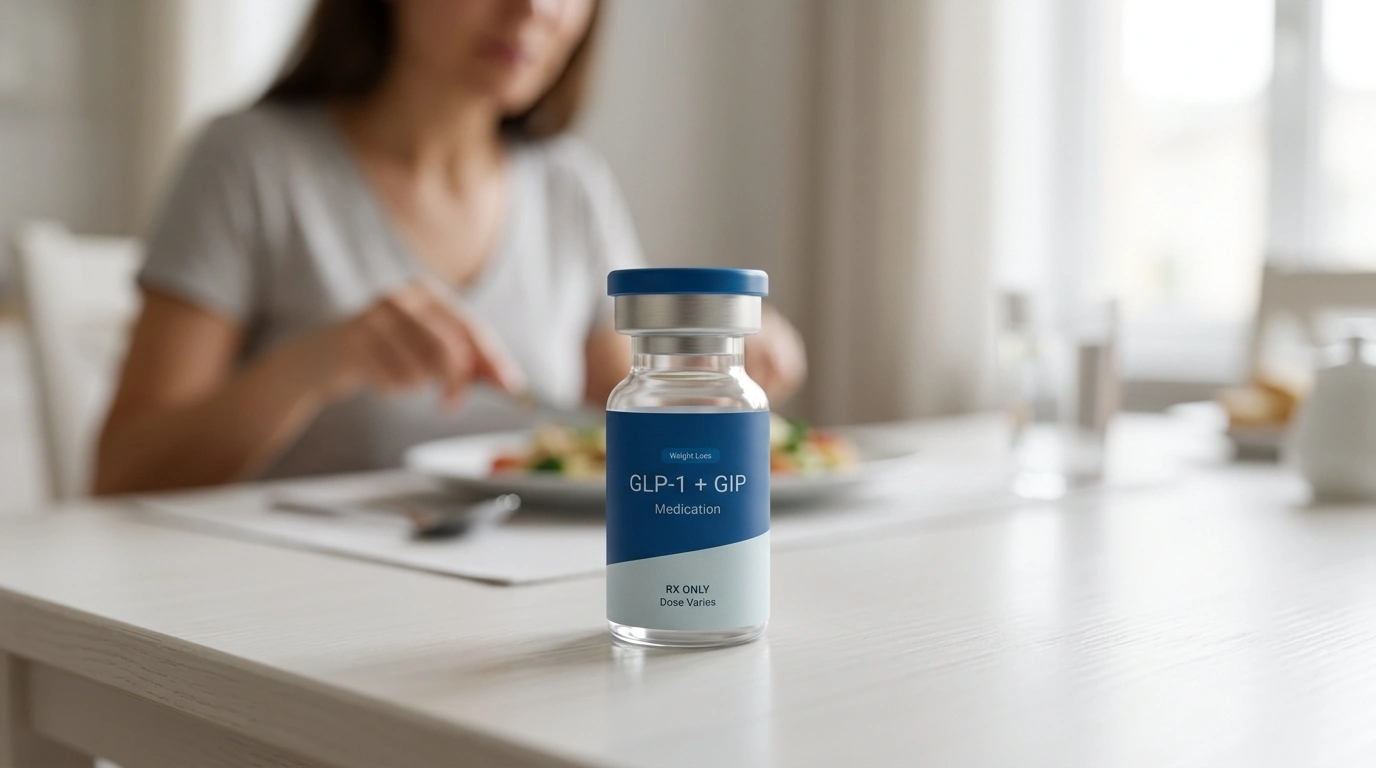
To understand why you might want to decrease your dose, it helps to first look at how the standard dosing schedule works. Zepbound® is a medication that mimics two hormones in your body: glucagon-like peptide-1 (GLP-1) and glucose-dependent insulinotropic polypeptide (GIP). These hormones work together to slow down how quickly your stomach empties and signal to your brain that you are full.
For additional background, you can read this guide to how GLP-1 medications work for weight loss.
The medication is typically started at a very low “loading” dose of 2.5 mg once per week. This initial stage is not usually intended for significant weight loss; instead, it gives your body time to get used to the new hormone signals. Every four weeks, a provider may increase the dose in 2.5 mg increments, moving to 5 mg, 7.5 mg, 10 mg, 12.5 mg, and eventually a maximum of 15 mg. This gradual increase is called titration. The goal of titration is to find the lowest effective dose that helps you lose weight without causing overwhelming side effects.
For more detail on this step-up process, review this tirzepatide titration and maintenance dosing guide.
Typical Dosage Escalation
| Week | Dosage Amount | Primary Goal |
|---|---|---|
| 1–4 | 2.5 mg | Acclimatization and safety check |
| 5–8 | 5 mg | Initial therapeutic weight loss |
| 9–12 | 7.5 mg | Continued weight loss progression |
| 13–16 | 10 mg | Advanced therapeutic dose |
| 17–20 | 12.5 mg | Higher-tier therapeutic dose |
| 21+ | 15 mg | Maximum recommended dose |
Why You Might Consider Decreasing Your Dose
While the standard path is to move upward, there are several medical and lifestyle reasons why a provider might recommend stepping back to a lower strength. The most common reason is the management of side effects. Because Zepbound® affects the digestive system, some individuals experience nausea, vomiting, or diarrhea that does not improve after the first few weeks at a new dose.
For more information about managing these symptoms, read this GLP-1 side effects guide.
Severe Digestive Distress
If a higher dose makes it difficult to eat enough nutrients or stay hydrated, it is often safer to move back down. Losing weight too quickly because you are too ill to eat is not sustainable or healthy weight management. A lower dose may allow your body more time to adapt before you attempt to increase the strength again in the future.
Meeting Your Goal Weight
If you have successfully reached your target weight, you and your provider may discuss a maintenance plan. For many, maintenance involves finding the “sweet spot”—the lowest dose that prevents weight regain while allowing for a more flexible diet. You do not necessarily need to stay at the highest dose indefinitely once your primary weight loss phase is complete.
You can also explore this guide to maintaining weight after reaching your goal on tirzepatide.
Treatment Gaps and Shortages
Sometimes, external factors like medication shortages or a long vacation where you missed multiple doses require a decrease. If you have been off the medication for more than two weeks, your body’s tolerance has likely dropped. Jumping back in at a high dose (like 12.5 mg or 15 mg) could lead to severe illness. In these cases, restarting at 2.5 mg or 5 mg is often the standard safety protocol.
Key Takeaway: Decreasing your dose is a strategic move to prioritize your comfort and long-term health, ensuring that your weight loss journey remains sustainable rather than a struggle against side effects.
The Clinical Process of Lowering Your Dose
Lowering your dose is not something you should do on your own. It requires a consultation with a licensed healthcare provider who can evaluate your progress and symptoms. When you work with the specialists through our platform, we focus on a personalized approach that looks at your data rather than just following a chart.
If you are exploring provider-guided treatment, you can see if you qualify for a personalized program.
If a provider decides a decrease is appropriate, they will typically move you down to the previous dose level you were using comfortably. For example, if you moved from 7.5 mg to 10 mg and began experiencing daily nausea that interfered with your work, the provider might move you back to 7.5 mg for another four to eight weeks.
What to Expect During a Dose Decrease
When you lower your dose, you might notice a slight increase in appetite compared to the higher dose. This is normal. The goal of a lower dose is often to find a balance where you still feel the “fullness” signals but are no longer feeling the “sickness” signals. Many people find that they continue to lose weight even after decreasing their dose, especially if the change allows them to return to a more consistent exercise routine and healthier eating habits that were previously hindered by side effects.
Managing the Transition to Maintenance
One of the most important reasons to decrease your dose is the transition into the maintenance phase. Weight management is a lifelong commitment, and for many, Zepbound® or similar GLP-1 medications are long-term tools. However, staying on the maximum dose forever is not always the goal.
Recent research suggests that many patients can maintain their weight loss on a lower dose of tirzepatide than the one they used to lose the weight. This is often referred to as “dose tapering.” By slowly decreasing the amount of medication, you can test how your body responds and ensure your metabolism is stable. This process is highly individual. Some people may find they maintain perfectly at 5 mg, while others may need to stay at 10 mg to keep their hunger hormones in check.
For a closer look at this topic, read about finding an individualized tirzepatide maintenance dose.
Bottom line: Dose decreases are a standard tool for transitioning from active weight loss to long-term weight stability.
Safety Considerations for Dose Adjustments
It is vital to remember that Zepbound® is a powerful medication that significantly alters your metabolic processes. Abruptly stopping or drastically changing your dose without supervision can lead to blood sugar fluctuations and digestive upset.
Nutritional Support During Adjustments
Whenever you change your dosage—whether up or down—your body goes through a period of recalibration. During this time, focusing on high-quality nutrition is essential. If you are decreasing your dose to manage side effects, you might find it helpful to use targeted support like our GLP-1 Daily Support supplement. This can help fill nutritional gaps and support your digestive health while your body finds its new equilibrium.
The Role of Muscle Mass
A concern with rapid weight loss on high doses of GLP-1 medications is the loss of lean muscle mass. If a provider notices that you are losing weight too quickly or failing to meet protein goals, they may suggest decreasing your dose. This slower pace allows you to focus on strength training and adequate protein intake, ensuring that the weight you lose is fat, not muscle. Preserving muscle is key to keeping your metabolism high as you move through your program.
How TrimRx Supports Your Dosing Journey
At TrimRx, we understand that the path to a healthier you is rarely a straight line. Our telehealth-first model is designed to provide you with continuous access to professionals who can help you navigate these dosing questions. You are never left to figure out the “right” dose on your own.
Our programs are fully personalized based on your unique health profile and medical history. Through our platform, you have 24/7 access to a dedicated team. If you feel that your current strength is too high or if you are worried about side effects, you can quickly reach out for guidance. We facilitate the entire process—from the initial assessment quiz to the shipping of medications from FDA-registered, inspected compounding pharmacies. This ensures that whether you need an increase, a decrease, or a maintenance plan, you have the clinical support necessary to make the change safely.
Myth: “Decreasing my dose means I have failed or will gain the weight back immediately.” Fact: Lowering your dose is a clinical strategy used to improve your quality of life and can actually lead to more sustainable, long-term success by preventing “burnout” from side effects.
How to Prepare for a Dose Change Consultation
If you believe it is time to lower your Zepbound® dose, being prepared for your consultation can help your provider make the best decision for your health. Consider tracking the following information for a week or two before your appointment:
- Side Effect Frequency: Keep a log of when you feel nauseous or fatigued. Is it only for the first 48 hours after the injection, or is it all week?
- Appetite and Satiety: Are you still feeling full after small meals, or has the “food noise” (intrusive thoughts about eating) returned?
- Weight Trends: Has your weight loss stalled, or is it occurring at a rate of more than 2-3 pounds per week?
- Daily Activity: Has your energy level changed to the point where you are less active than before you started the medication?
By providing this data, you help the healthcare professional determine if a dose decrease is the right move or if other lifestyle adjustments might resolve the issue.
Long-term Success and Finding Your “Minimum Effective Dose”
The concept of the “minimum effective dose” is a cornerstone of modern medicine. It refers to the lowest amount of a drug that produces the desired effect. In the context of weight loss, this means finding the lowest dose of Zepbound® that allows you to lose or maintain weight while feeling energized and healthy.
Why the Minimum Effective Dose Matters
- Sustainability: You are more likely to stay on a program if you feel good physically.
- Side Effect Profile: Lower doses generally carry a lower risk of common gastrointestinal issues.
- Flexibility: Starting at the lowest effective dose leaves you “room to grow” later if your progress eventually plateaus.
If you are currently on a high dose and feeling overwhelmed, decreasing your dose might be the key to unlocking a more manageable and joyful lifestyle change.
Finding Balance on Your Weight Loss Journey
The journey to metabolic health is about more than just a number on the scale; it is about how you feel in your daily life. If a specific dosage of Zepbound® is making you feel chronically ill, it is difficult to focus on the other pillars of health, such as joyful movement and nourishing your body. Decreasing your dose is not a step backward; it is a lateral move toward a more sustainable lifestyle.
Our mission is to help individuals embrace healthier lifestyles through science, empathy, and a transparent, personalized approach. We are here to support you in finding the dosage that works for your unique biology. Whether you are curious about GLP-1 medications or are already using them and need a change, taking the first step involves a conversation with a professional who understands your goals.
Key Takeaway: Success with Zepbound® is defined by long-term consistency, not by how quickly you reach the highest possible dose.
Conclusion
Adjusting your medication is a normal part of any clinical weight loss program. Whether you need to decrease your Zepbound® dose due to side effects, a planned maintenance phase, or a gap in treatment, the most important factor is that you do so under medical supervision. Lowering your dose can help mitigate digestive discomfort and ensure that your weight loss remains healthy and sustainable. At TrimRx, we are committed to providing the clinical expertise and personalized care you need to navigate these adjustments with confidence. If you feel that your current treatment path needs a change, the best next step is to consult with your provider to discuss a plan that prioritizes your well-being.
To see if a personalized weight loss program is right for you, we invite you to take the free assessment quiz.
FAQ
Can I decrease my Zepbound dose if I am losing weight too fast?
Yes, losing weight too rapidly can lead to muscle loss and nutritional deficiencies. If you are losing more than 2 to 3 pounds per week on a consistent basis, a healthcare provider may suggest lowering your dose to ensure your weight loss is safe and sustainable.
Will I gain weight back if I lower my Zepbound dose?
Not necessarily. Many people continue to lose or successfully maintain their weight on a lower dose, especially if they have established healthy eating and exercise habits. The goal of a lower dose is to find a balance where you can still manage your appetite without experiencing severe side effects.
What should I do if I missed two doses and need to restart?
If you have missed more than two weeks of your medication, you should contact your healthcare provider before taking another dose. Because the medication has likely left your system, restarting at your previous high dose could cause severe nausea or vomiting, and your provider may recommend temporarily decreasing to a lower dose to let your body re-adjust.
If you need individualized guidance about restarting treatment, you can complete a free assessment quiz.
How do I know if it is time to move to a maintenance dose?
Once you have reached your goal weight or achieved a significant improvement in your metabolic health markers, you may be ready for a maintenance dose. This typically involves a gradual decrease in dosage to find the lowest amount of medication that helps you stay at your target weight while allowing for a comfortable lifestyle.
For more information, read this overview of reaching and maintaining your goal weight on tirzepatide.
Disclaimer: This content is for informational purposes only and does not constitute medical advice. It is not intended to diagnose, treat, cure, or prevent any disease or condition. Individual results may vary. Always consult a qualified healthcare professional before starting any weight loss program or medication.

Transforming Lives, One Step at a Time
Keep reading

Kids’ Birthday Party on Zepbound
If you have young children, birthday parties are a regular part of life: your own child’s, and the steady stream of classmates’ parties most…
Water Aerobics on Zepbound
For people with painful knees, hips, or backs, water aerobics and pool exercise are often the first kind of exercise that feels possible. The…

New Year’s Eve on Zepbound
New Year’s Eve is built around staying up late. There is usually a big dinner or a party spread, drinks through the evening, champagne…


