Ozempic and Jardiance Together: Safety and Considerations
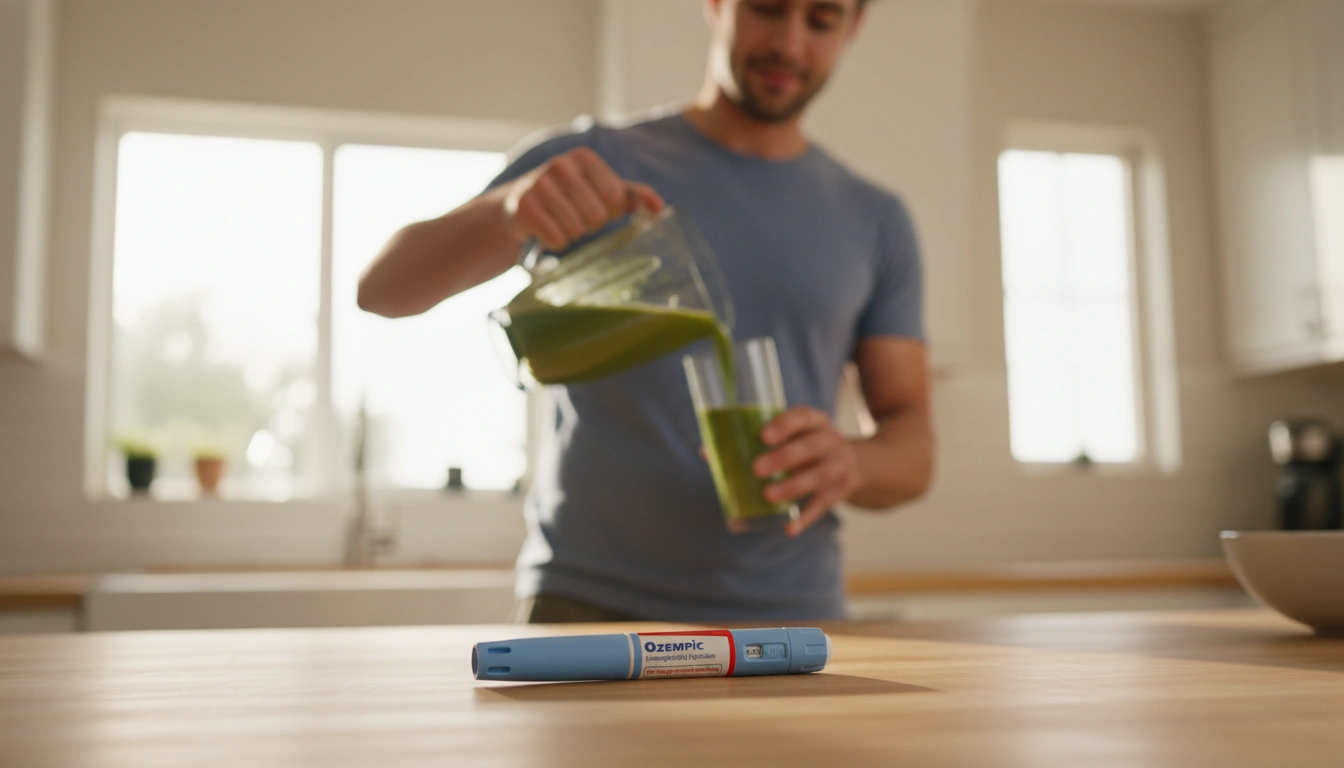
Patients managing type 2 diabetes or metabolic disease are increasingly prescribed both Ozempic and Jardiance, and questions about combining them are common. The direct answer is that this combination is not only considered safe in most patients but is actively used in clinical practice and supported by research. That said, there are specific considerations around dosing, side effects, and monitoring that patients should understand before starting both medications together.
What Each Medication Does
Ozempic
Ozempic contains semaglutide, a GLP-1 receptor agonist that works by mimicking a gut hormone released after eating. It signals fullness to the brain, slows gastric emptying, and helps regulate blood sugar by stimulating insulin release in a glucose-dependent manner. It is injected once weekly and is FDA-approved for type 2 diabetes management, with significant evidence supporting its use for weight loss as well.
Jardiance
Jardiance contains empagliflozin, an SGLT2 inhibitor. It works through an entirely different mechanism, blocking the SGLT2 protein in the kidneys that would normally reabsorb glucose back into the bloodstream. Instead, excess glucose is excreted through urine, lowering blood sugar independently of insulin. Jardiance is FDA-approved for type 2 diabetes, heart failure, and chronic kidney disease, and has demonstrated meaningful cardiovascular and renal protective benefits in large clinical trials.
Is It Safe to Take Both Together?
Yes, combining Ozempic and Jardiance is generally considered safe and is a recognized approach in diabetes and cardiometabolic management. The two medications work through completely different mechanisms with no direct pharmacokinetic interaction identified in the clinical literature. They don’t compete for the same receptors or metabolic pathways, and one does not meaningfully alter the blood levels of the other.
In fact, the combination is specifically discussed in major diabetes management guidelines. The American Diabetes Association’s Standards of Care recommend considering both GLP-1 receptor agonists and SGLT2 inhibitors for patients with type 2 diabetes who have established cardiovascular disease, heart failure, or chronic kidney disease, precisely because the two drug classes offer complementary benefits that add up to more than either provides alone.
A 2019 study published in Diabetes Care (Frias et al.) examined the combination of semaglutide with an SGLT2 inhibitor and found additive reductions in both HbA1c and body weight compared to either medication used alone, with no significant increase in adverse events beyond what was expected from each medication individually.
Why Providers Prescribe Them Together
The clinical rationale for combining these two medications is straightforward. They lower blood sugar through different mechanisms, which means they complement each other without redundancy. Ozempic works primarily by enhancing insulin secretion and reducing glucagon, while Jardiance works by increasing urinary glucose excretion regardless of insulin. Together, they provide more comprehensive glucose control than either achieves independently.
Beyond blood sugar, both medications have demonstrated benefits that extend well beyond glycemic control. Ozempic has shown cardiovascular risk reduction in the SELECT and SUSTAIN-6 trials, and Jardiance has demonstrated significant reductions in cardiovascular mortality and heart failure hospitalization in the EMPA-REG OUTCOME trial. For patients with established cardiovascular disease, combining the two provides layered protection that clinicians and guidelines increasingly support.
For context on what the semaglutide cardiovascular data shows specifically, Ozempic heart health cardiovascular benefits covers the clinical evidence in accessible detail.
Weight Loss on the Combination
Both medications contribute to weight loss, though through different mechanisms. Ozempic reduces appetite and caloric intake through central and peripheral GLP-1 receptor activation. Jardiance produces modest weight loss through caloric loss via glucosuria, the excretion of glucose in urine, which represents a direct caloric deficit without requiring dietary restriction.
The combined weight loss effect is additive rather than synergistic, meaning patients typically lose more weight on both than on either alone, but the effect doesn’t dramatically exceed what you’d expect from adding the two individual contributions together. For patients whose primary goal is weight loss rather than diabetes management, it’s worth discussing with your provider whether both medications are warranted or whether a GLP-1 alone at the appropriate dose is sufficient. Ozempic vs Wegovy for weight loss provides useful context on how semaglutide dosing affects weight loss outcomes specifically.
Side Effects to Monitor on the Combination
While the combination is generally well-tolerated, patients should be aware of a few side effect considerations that are more relevant when taking both medications together.
Dehydration and Volume Depletion
Jardiance increases urinary output as it excretes glucose, which can contribute to mild dehydration and volume depletion, particularly in the early weeks of treatment. Ozempic, through its appetite-suppressing effects, may reduce fluid intake if patients are eating and drinking less overall. The combination of reduced intake and increased urinary output can accelerate dehydration in some patients, making deliberate hydration more important than it might be on either medication alone.
For patients thinking carefully about hydration during GLP-1 treatment, electrolytes on semaglutide covers why this deserves more attention than most patients give it.
Urinary Tract and Genital Infections
SGLT2 inhibitors like Jardiance increase the risk of urinary tract infections and genital yeast infections because glucose in the urine creates a favorable environment for microbial growth. This is a known side effect of Jardiance alone and is not significantly altered by adding Ozempic. Patients should know the symptoms to watch for and report them promptly to their provider.
Hypoglycemia Risk
Neither Ozempic nor Jardiance carries a significant independent risk of hypoglycemia in patients without diabetes, and both work in glucose-dependent ways that reduce this risk compared to older diabetes medications. However, patients who are also taking insulin or sulfonylureas alongside this combination face a higher hypoglycemia risk, and dose adjustments to those other medications may be warranted when starting either Ozempic or Jardiance.
Diabetic Ketoacidosis
SGLT2 inhibitors carry a rare but serious risk of euglycemic diabetic ketoacidosis, a condition where DKA occurs without markedly elevated blood sugar. This risk is small but worth understanding. Patients should be alert to symptoms including nausea, vomiting, abdominal pain, and fatigue, and should discuss this risk explicitly with their provider, particularly if they follow a very low carbohydrate diet. Ozempic and keto touches on relevant considerations for patients managing low-carb eating alongside GLP-1 therapy.
Lab Monitoring on the Combination
Patients taking both medications should expect routine monitoring of kidney function, blood sugar, and HbA1c. Jardiance has renal protective benefits but requires adequate kidney function to work effectively, and providers will track eGFR over time. For a broader look at what lab monitoring looks like on GLP-1 therapy, what lab tests to expect while on GLP-1 medications is a useful reference that covers the full monitoring picture.
Who Should Discuss This Combination Carefully With Their Provider
Most patients with type 2 diabetes and cardiovascular or renal risk factors are reasonable candidates for this combination, and it is actively used in clinical practice. However, patients with significantly impaired kidney function, recurrent urinary tract infections, a history of euglycemic DKA, or who are on multiple diabetes medications that lower blood sugar should discuss the combination carefully with their provider before starting.
If you’re currently on Jardiance and considering adding a GLP-1 medication, or vice versa, how to get the most out of your GLP-1 treatment provides useful context on optimizing treatment outcomes once you’re on board with a program.
To find out whether you’re a candidate for GLP-1 treatment through TrimRx, start your assessment here. The intake process captures your full medication list so the reviewing provider can evaluate your situation with complete context.
This information is for educational purposes and is not medical advice. Consult with a healthcare provider before starting any medication or changing your current regimen. Individual results may vary.

Transforming Lives, One Step at a Time
Keep reading

Starting a New Job With No Insurance While on Ozempic
The problem is usually a waiting period rather than a permanent loss, and waiting periods are plannable in a way that job loss is…

Does Collagen Help With Loose Skin on Ozempic?
Probably not for the thing you are hoping it will fix, and it is unlikely to do harm. Collagen supplements have been studied mainly…

Does Apple Cider Vinegar Do Anything on Ozempic?
Not much that you are not already getting, and there is a specific reason to be careful with it on this medication. The main…


