Ozempic and Prozac: What to Know About This Combination
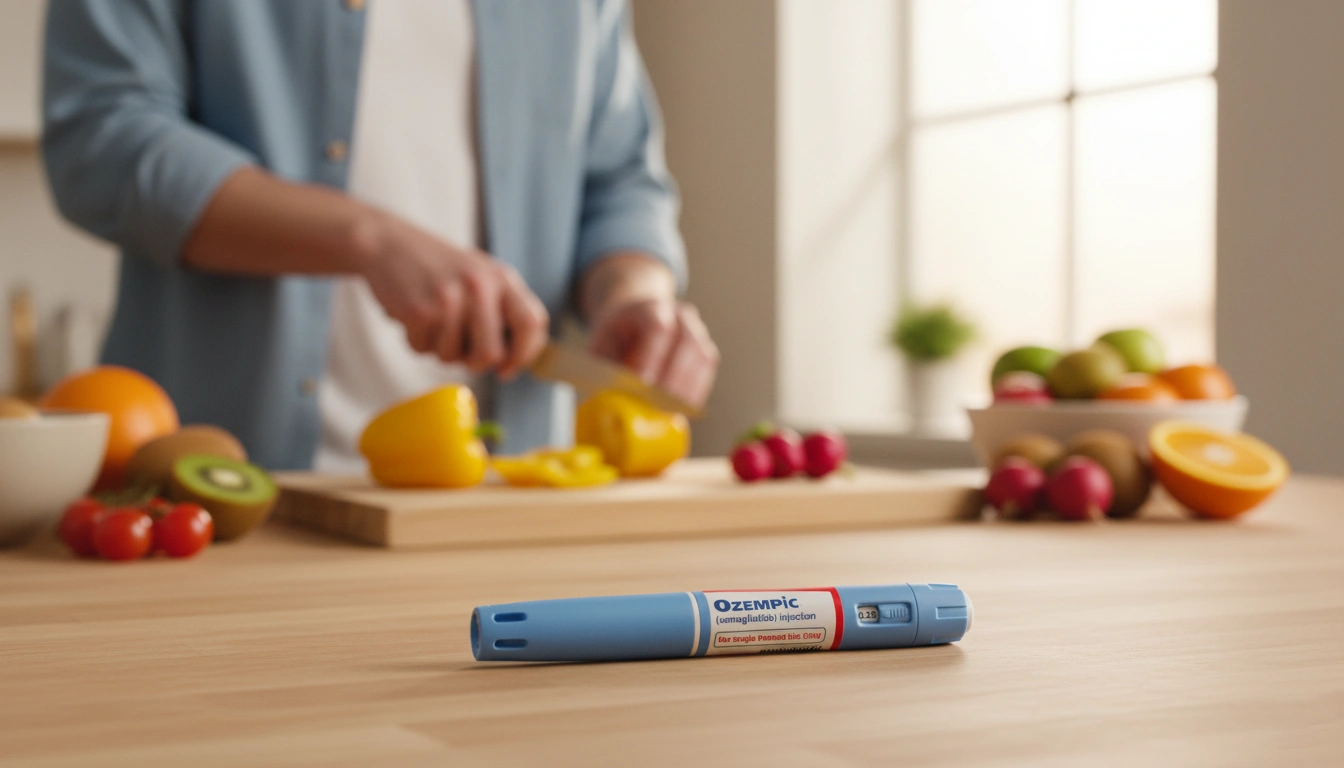
Taking Prozac for depression or another condition and considering Ozempic for weight loss is a situation many patients find themselves in, and questions about combining these two medications are increasingly common. The direct answer is that no established pharmacokinetic interaction between semaglutide and fluoxetine has been identified in the clinical literature, and the combination is used in practice. That said, there are meaningful considerations around mood, appetite, and monitoring that patients and providers should understand before and during treatment with both.
How Each Medication Works
Ozempic and Semaglutide
Ozempic contains semaglutide, a GLP-1 receptor agonist that mimics a gut hormone released after eating. It signals fullness to the brain, slows gastric emptying, stimulates glucose-dependent insulin release, and over time produces significant weight loss for most patients. It is injected once weekly and acts throughout the week at relatively stable blood levels.
Prozac and Fluoxetine
Prozac contains fluoxetine, a selective serotonin reuptake inhibitor. It works by blocking the reuptake of serotonin in the synaptic cleft, increasing the availability of serotonin for neurotransmission. It is prescribed for major depressive disorder, obsessive-compulsive disorder, panic disorder, bulimia nervosa, and other conditions. Fluoxetine has one of the longest half-lives of any SSRI, meaning it remains active in the body for days to weeks after a dose, which gives it a more forgiving pharmacokinetic profile than shorter-acting antidepressants.
Is There a Direct Drug Interaction?
No clinically established pharmacokinetic interaction between semaglutide and fluoxetine has been identified in peer-reviewed research. The two medications work through entirely different receptor systems. Semaglutide acts on GLP-1 receptors in the gut and brain, while fluoxetine acts on serotonin transporters in the central nervous system. There is no evidence that one significantly alters the blood levels or receptor activity of the other in a clinically meaningful way.
One consideration worth noting is that semaglutide slows gastric emptying, which can theoretically affect the absorption rate of oral medications taken alongside it. Fluoxetine is taken orally, so this is relevant in principle. However, fluoxetine’s long half-life and relatively forgiving pharmacokinetics mean that modest shifts in absorption timing are unlikely to produce clinically significant changes in its therapeutic effect. That said, any patient noticing unexpected changes in mood stability or antidepressant effectiveness after starting semaglutide should raise that with their provider rather than attributing the change to the new medication automatically.
The Mood and Mental Health Dimension
This is where the combination becomes most clinically interesting. Both medications have relationships with mood, appetite, and brain chemistry, and understanding those relationships helps patients and providers manage the combination thoughtfully.
How Semaglutide Affects Mood
GLP-1 receptors are present not just in the gut and pancreas but throughout the central nervous system, including areas involved in reward, motivation, and emotional regulation. Emerging research suggests that semaglutide may have direct neurological effects beyond its peripheral mechanisms, and patient reports of mood changes on GLP-1 therapy are common enough that they’ve attracted clinical attention.
Many patients report mood improvements on Ozempic, sometimes described as reduced anxiety around food, a quieting of obsessive thoughts about eating, and a general sense of improved wellbeing that they attribute partly to weight loss and partly to something more direct. A smaller subset of patients report mood changes in the other direction, including increased anxiety, emotional flatness, or depressive symptoms, particularly in the early weeks of treatment.
For patients already taking an antidepressant like Prozac, the interaction between semaglutide’s neurological effects and an existing SSRI regimen is worth monitoring carefully. How GLP-1 medications affect mental health covers the current research on this dimension of GLP-1 therapy in more depth.
The Food Noise Connection
One of the most commonly reported psychological effects of GLP-1 medications is the reduction of food noise, the constant background preoccupation with food, cravings, and eating that many patients with obesity or disordered eating patterns experience. For patients on Prozac who were prescribed it partly for conditions like binge eating disorder or depression with significant emotional eating components, the reduction in food noise from semaglutide can feel complementary and even synergistic with their antidepressant treatment.
For a deeper look at how GLP-1 medications quiet the mental chatter around food, food noise and GLP-1 covers the mechanism and what patients typically report during treatment.
Appetite and Weight on the Combination
Fluoxetine has a complex relationship with appetite and weight. Some patients experience appetite suppression and weight loss on fluoxetine, particularly early in treatment, while others experience weight gain over longer periods of use, a pattern associated with many SSRIs. The weight effects of fluoxetine are generally modest compared to some other antidepressants, and Prozac is often considered one of the more weight-neutral options in the SSRI class.
When combined with semaglutide, which produces robust appetite suppression and significant weight loss for most patients, fluoxetine’s effect on appetite is relatively minor in comparison. The concern, as with any combination of appetite-affecting medications, is ensuring patients are consuming enough total calories and protein to support muscle preservation and metabolic health during weight loss. How much protein do you need on Ozempic is a practical reference for patients managing reduced appetite on semaglutide, regardless of what other medications are in the mix.
Serotonin Syndrome Considerations
Patients and providers sometimes ask whether combining semaglutide with an SSRI raises the risk of serotonin syndrome, a potentially serious condition caused by excess serotonin activity. The answer is that semaglutide is not a serotonergic medication and does not work through serotonin pathways. Adding Ozempic to Prozac does not increase serotonin syndrome risk in the way that combining two serotonergic medications would. This concern is not a reason to avoid the combination.
Bulimia Nervosa and Prozac
One specific population worth noting is patients who take Prozac for bulimia nervosa. Fluoxetine is the only antidepressant with FDA approval for bulimia treatment, and it is prescribed at higher doses for this indication than for depression. GLP-1 medications including semaglutide are being studied for their potential role in eating disorder treatment, with emerging evidence suggesting they may reduce binge urges in some patients through their effects on food reward pathways.
However, patients with active eating disorders require careful clinical oversight before starting GLP-1 therapy, and the decision to add semaglutide in the context of bulimia treatment should involve the treating mental health provider, not just a prescribing physician. For context on GLP-1 medications and eating disorder considerations, GLP-1 for binge eating disorder covers the clinical evidence on this intersection.
Body Image and Weight Loss on Antidepressants
Patients on antidepressants who begin losing significant weight on semaglutide sometimes experience unexpected psychological adjustments around their changing body. Weight loss, even when desired, can be emotionally complex, particularly for patients whose relationship with their body has been shaped by depression, anxiety, or disordered eating patterns. Body image and weight loss on GLP-1 addresses the psychological dimension of body changes during GLP-1 treatment in a way that is directly relevant for patients managing mental health conditions alongside weight loss.
What to Discuss With Your Provider
Before combining Ozempic and Prozac, or if you’re already on both and have questions, a few things are worth raising explicitly with your prescribing provider. Your current mood stability and whether your depression or other condition is well-controlled before adding a new medication. Any history of eating disorders, since GLP-1 medications require careful consideration in that context. A plan for monitoring mood during the first several weeks of semaglutide treatment, particularly through dose escalation when side effects are most pronounced. Whether your fluoxetine dose or timing should be adjusted given semaglutide’s effect on gastric emptying and oral medication absorption.
A 2023 analysis published in JAMA Internal Medicine (Blumenthal et al.) examined mental health outcomes in patients using GLP-1 receptor agonists and found no significant increase in adverse psychiatric events compared to control groups, offering reassurance about the general safety profile of these medications in patients managing mental health conditions. That said, individual responses vary, and ongoing communication with your provider during treatment is the most important safeguard.
For patients who are ready to explore GLP-1 treatment and want to ensure their full health picture is considered in the evaluation, start your assessment at TrimRx. The intake process captures your current medications and health history so the reviewing provider can evaluate your situation with complete context.
This information is for educational purposes and is not medical advice. Consult with a healthcare provider before starting any medication or changing your current regimen. Individual results may vary.

Transforming Lives, One Step at a Time
Keep reading

Playing in a Tennis League on Ozempic
Joining a tennis league is one of the best things you can do for fitness, friendship, and a bit of friendly competition. Many adults…

Sledding and Ice Skating With the Grandkids on Ozempic
Winter break with grandchildren often means sledding hills, outdoor rinks, and snowball fights in the yard. For many grandparents who have lost weight on…

Hosting a Quinceañera on Ozempic
A quinceañera is one of the biggest days in a family’s life. There is a Mass or blessing, photos, a grand entrance, the court’s…


