Ozempic vs. Mounjaro: Transitioning Safely

Switching from Ozempic to Mounjaro can help address weight loss plateaus or improve diabetes management. Both medications are weekly injections, but they work differently – Ozempic targets GLP-1 receptors, while Mounjaro targets both GLP-1 and GIP receptors, potentially offering more benefits for some users.
Here’s what you need to know:
- Why Switch? If Ozempic isn’t meeting your goals, Mounjaro’s dual-action mechanism might be a better fit.
- Timing the Transition: Stop Ozempic and start Mounjaro one week later. Follow your doctor’s advice for proper timing.
- Starting Dose: Begin Mounjaro at 2.5 mg weekly, regardless of your previous Ozempic dose.
- Side Effects: Both medications may cause nausea, diarrhea, or stomach discomfort, especially at the start.
- Cost: Both can be expensive without insurance, but assistance programs may help.
Quick Comparison
| Feature | Ozempic | Mounjaro |
|---|---|---|
| Mechanism | GLP-1 receptor agonist | GLP-1 + GIP receptor agonist |
| Starting Dose | 0.25 mg weekly | 2.5 mg weekly |
| Max Dose | Up to 2 mg weekly | Up to 15 mg weekly |
| Primary Use | Diabetes, weight loss | Diabetes, weight loss |
| Side Effects | Nausea, diarrhea, bloating | Nausea, diarrhea, bloating |
| Cost (without insurance) | Several hundred dollars/month | Several hundred dollars/month |
Work closely with your healthcare provider to create a safe plan, monitor for side effects, and track progress during the switch. Services like TrimRX can also provide personalized guidance to make the transition smoother.
Switching GLP-1 Agonists for MAXIMUM Weightloss
How Ozempic and Mounjaro Differ
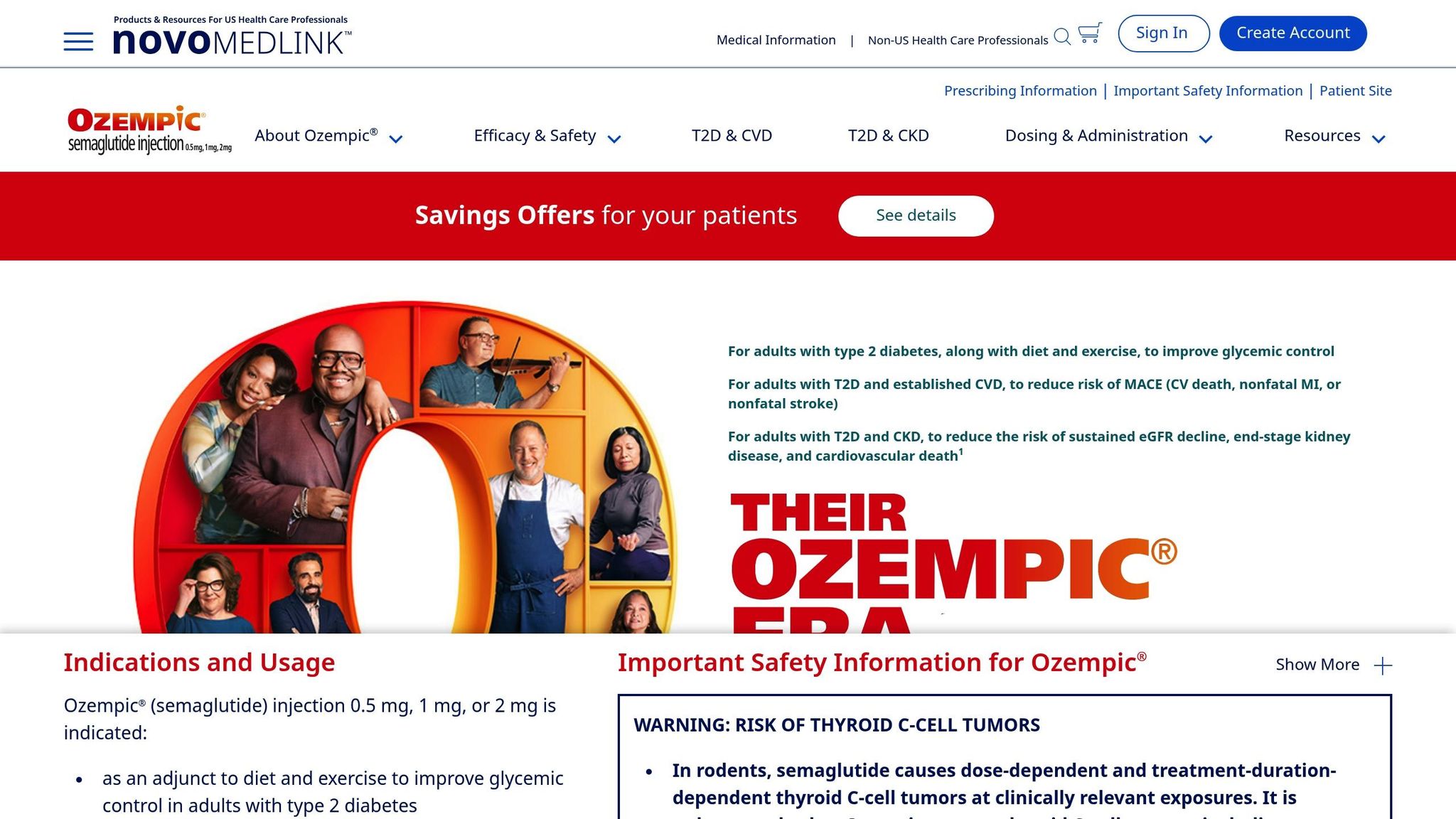
When deciding between Ozempic and Mounjaro, understanding their differences is key. Both are weekly injections designed to help manage blood sugar and support weight loss, but they work in unique ways, have distinct side effects, and follow different dosing schedules.
How They Work and What to Expect
Ozempic is a GLP-1 receptor agonist, which helps regulate blood sugar levels and slows down how quickly your stomach empties. This can also help with appetite control.
Mounjaro, on the other hand, targets both GLP-1 and GIP receptors. This dual action may boost insulin sensitivity and enhance fat metabolism, which could lead to greater weight loss for some people. However, individual results can vary.
Side Effects and Tolerance
Both medications can cause digestive issues like nausea, vomiting, diarrhea, or stomach pain, particularly when starting treatment or increasing the dose. For Ozempic, these symptoms may be eased by eating smaller meals and avoiding greasy foods.
Mounjaro can trigger similar side effects, though its dual-action mechanism might lead to slight differences in how these symptoms appear. Most people experience an adjustment period as their body adapts to the medication.
Dosing and Cost Considerations
The two medications have different dosing schedules, which can affect convenience and cost. Ozempic typically starts at 0.25 mg per week, gradually increasing to 0.5 mg and potentially up to 1–2 mg.
Mounjaro begins at 2.5 mg weekly, with the possibility of increasing to 15 mg for a more tailored approach.
Without insurance, both medications can cost several hundred dollars per month. Coverage often depends on whether the medication is prescribed for diabetes or weight loss. Manufacturer assistance programs might help lower expenses. Your healthcare provider can guide you through the process to ensure the best outcome.
TrimRX offers personalized support for transitioning between medications, including help with dosing schedules and cost management, so you can make the switch smoothly and confidently while staying on track with your health goals.
How to Transition Safely
Switching from Ozempic to Mounjaro requires careful planning and guidance from a healthcare professional. This ensures the process is smooth, safe, and effective for managing your treatment goals.
Work with Your Healthcare Provider
Before making the switch, consult your doctor to discuss your overall health, how well you’ve tolerated Ozempic, and any side effects you’ve experienced. This evaluation will help create a transition plan tailored to your needs. Your provider will decide the best course of action based on your current dosage, response to Ozempic, and any potential concerns.
For added support, TrimRX offers personalized consultations to help you navigate this transition. They can design a plan that takes into account your unique health profile and treatment goals.
Now, let’s look at how to adjust your dosing schedule during the switch.
Stopping Ozempic and Starting Mounjaro
You don’t need to taper off Ozempic before stopping. Simply discontinue it and begin Mounjaro one week after your final Ozempic dose. Starting on the same day of the week can help maintain consistency.
"Research indicates a 3-10 day gap is generally well tolerated." – Fay Nutrition
If you’ve experienced significant side effects with Ozempic, your doctor may recommend waiting longer – up to five weeks. This is because Ozempic can stay in your system for about five weeks after your last dose.
Here’s a quick guide to timing your switch:
| Time Since Last Ozempic Dose | When to Start Mounjaro |
|---|---|
| 1 day | In 6 days |
| 2 days | In 5 days |
| 3 days | In 4 days |
| 4 days | In 3 days |
| 5 days | In 2 days |
| 6 days | In 1 day |
| 7 days or more | Today |
When starting Mounjaro, you’ll begin with the standard initial dose of 2.5 mg weekly, regardless of your previous Ozempic dosage. This introductory dose minimizes side effects while your body adjusts to the new medication. Proper timing is critical to avoid overlapping medications, which could be harmful.
"Don’t continue using Ozempic after you’ve switched to Mounjaro, even if you have Ozempic doses left over. Taking these two medications together could be potentially dangerous." – Ro
Once you’ve started Mounjaro, close monitoring becomes essential.
Tracking Your Progress During the Switch
Careful observation during the transition helps ensure your safety and the effectiveness of your treatment. You might notice temporary changes in blood sugar levels, appetite, or digestive symptoms as your body adapts to Mounjaro.
Keep a daily log of your blood sugar readings, weight, and any side effects. Common issues like nausea, diarrhea, or constipation may occur but often improve within the first few weeks.
Schedule follow-ups with your doctor to assess your progress and make any necessary dosage adjustments. These check-ins are also an opportunity to review blood tests that monitor glucose levels and other health markers.
If you experience severe symptoms such as persistent nausea, vomiting, or abdominal pain, contact your healthcare provider immediately. While serious side effects are rare, addressing them quickly ensures your safety. Every adjustment to your treatment plan should align with your doctor’s advice to achieve the best results.
sbb-itb-e2779c3
Getting Support for Your Medication Transition
Switching from Ozempic to Mounjaro can feel overwhelming, especially when dealing with side effects or adjusting dosages. But having the right support system in place can make the process smoother and help you stay on track with your weight loss goals. Here’s how personalized care and TrimRX services can play a role in your transition.
Custom Care and Treatment Plans
A personalized approach is key when transitioning between medications. Your healthcare provider should create a plan tailored to your specific needs. This plan would take into account how your body responded to Ozempic, any side effects you experienced, and the progress you’ve made so far.
For example, if you had significant digestive issues with Ozempic, your provider might recommend extended monitoring periods. If you’re switching because of less-than-ideal weight loss results, they might schedule more frequent check-ins. Adjustments to Mounjaro’s dosage escalation can also be made based on your tolerance, along with clear strategies to manage potential side effects.
TrimRX Services

TrimRX specializes in personalized weight loss programs to support patients transitioning between GLP-1 medications like Ozempic and Mounjaro. Their services begin with consultations that help shape a transition plan based on your medical history and how you’ve responded to treatment so far.
What sets TrimRX apart is their focus on individualized care. They offer custom dosing protocols and unlimited check-ins, so you can quickly address any concerns and make necessary adjustments to your treatment plan. Plus, with free delivery, you’ll receive your medication on time, avoiding any interruptions in your treatment.
TrimRX’s comprehensive support ensures that your switch between medications is handled safely and effectively, giving you the guidance and care you need throughout the process.
Key Points for Safe Medication Transitions
Ensuring a safe switch between Ozempic and Mounjaro requires thoughtful planning and professional guidance.
Before making any changes, always consult your healthcare provider. Transitioning medications involves more than just swapping one for the other – Mounjaro, with its dual action on GLP-1 and GIP receptors, may lead to different side effects or outcomes compared to Ozempic. Keep in mind that your body might react differently, even if you responded well to Ozempic. Patience is key during this adjustment phase.
Timing is another critical factor. Many healthcare providers suggest a washout period to allow Ozempic to leave your system before starting Mounjaro. Starting with a low dose, such as 2.5 mg weekly, can help your body adapt more comfortably.
Self-monitoring during this period is essential. Keep track of your daily blood sugar levels, any side effects, and overall well-being. This information can help your healthcare provider make timely adjustments to your treatment plan if needed.
Lastly, professional guidance remains indispensable. Services like TrimRX offer personalized plans and regular check-ins to support you throughout the transition process.
FAQs
What are the advantages of switching from Ozempic to Mounjaro for managing diabetes and weight loss?
Switching from Ozempic to Mounjaro could bring distinct advantages for managing diabetes and aiding weight loss. Mounjaro works by activating both GLP-1 and GIP receptors, which may improve insulin sensitivity and potentially lead to more significant weight loss compared to Ozempic.
Research indicates that Mounjaro might help decrease body fat while maintaining lean muscle mass. It also appears to be more effective at reducing appetite and increasing feelings of fullness, which can play a key role in achieving and maintaining long-term weight management goals. Be sure to consult with your healthcare provider before making any changes to your medication to ensure the transition is safe and appropriate for your needs.
What’s the safest way to transition from Ozempic to Mounjaro, and how can I manage side effects?
When switching from Ozempic to Mounjaro, following your healthcare provider’s advice is crucial to ensure a smooth transition and reduce potential side effects. Since Ozempic can stay in your system for up to 25 days, your provider might suggest waiting until any lingering side effects have resolved before starting Mounjaro. To ease the adjustment, they may start you on a low dose of Mounjaro and gradually increase it while keeping an eye on how your body responds.
If you notice side effects like nausea or stomach discomfort, it’s important to inform your provider. They can adjust your dosage or offer tips to help manage these symptoms. Always rely on your healthcare provider for guidance tailored to your specific needs, and don’t hesitate to reach out with any concerns during the transition.
Are there financial assistance options available to help cover the cost of Mounjaro if my insurance doesn’t fully cover it?
If your insurance doesn’t cover the full cost of Mounjaro, there are ways to reduce your out-of-pocket expenses. Many pharmaceutical companies offer savings cards or patient assistance programs that can help eligible individuals manage costs. It’s also a good idea to talk with your healthcare provider or pharmacist – they might know of additional resources or options that could work for your situation.
For a tailored approach to weight loss with medications like Mounjaro, TrimRX offers personalized programs. These include consultations and ongoing support designed to meet your specific needs.
Related Blog Posts

Transforming Lives, One Step at a Time
Keep reading

Mons Pubis Fat Loss on GLP-1s: The “Pubic Area” Change Nobody Mentions
One change that surprises people on GLP-1 medications rarely comes up in conversation: the mons pubis, the soft fat pad over the pubic bone,…

How to Adjust Weight Loss Goals on GLP-1 Medications
Adjust weight goals on GLP-1 meds by tracking body composition and labs, optimizing protein, activity, sleep, and working with your provider on dosing.

Falsified Mounjaro pens prompt urgent safety advisory
MHRA warns of counterfeit Mounjaro pens (batch D873576); stop use and check batch numbers for infection risk.


