Scuba Diving on a GLP-1
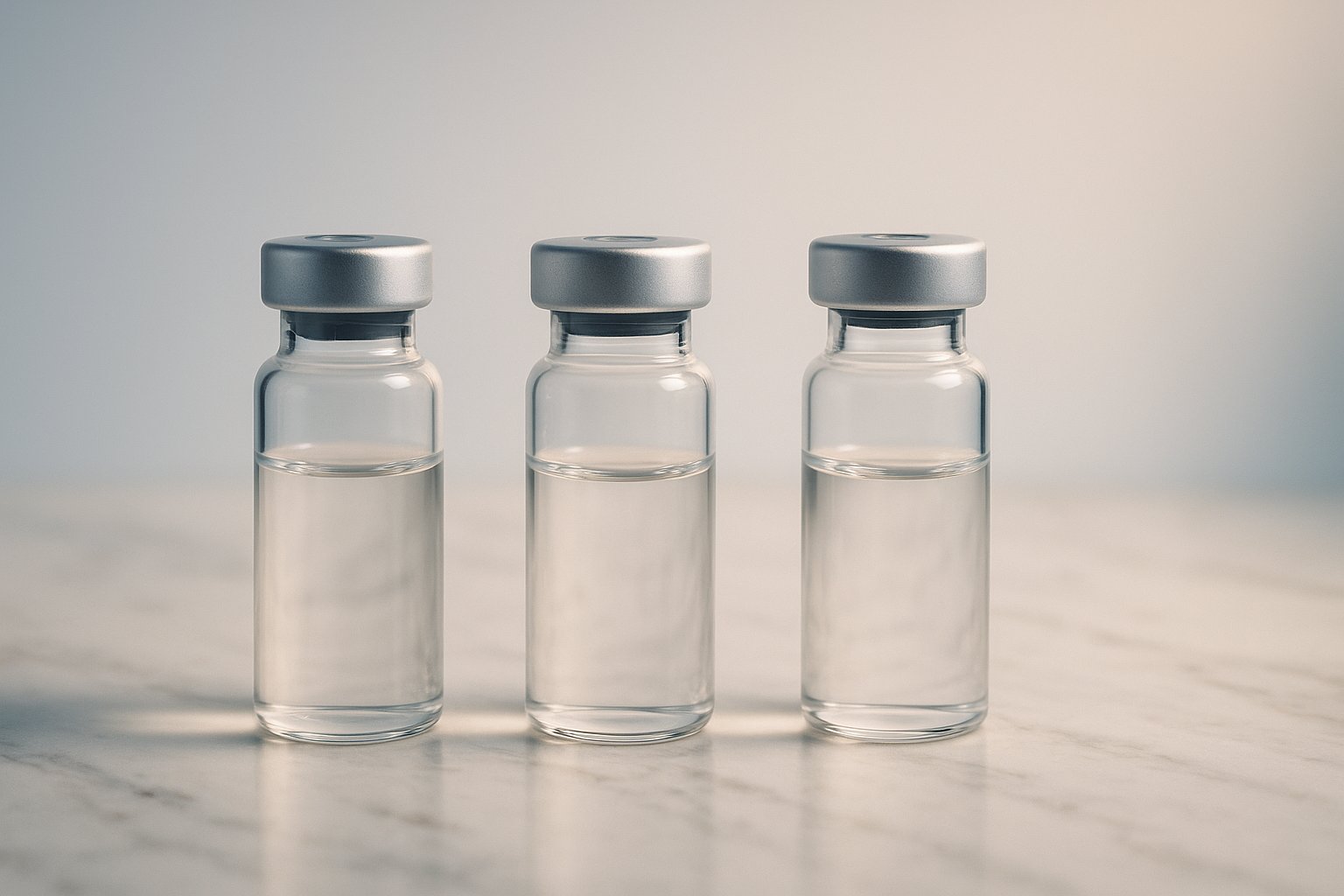
Most travel advice for these medications is about comfort. Diving is different, because some of the most common side effects can become safety issues underwater: nausea and vomiting at depth, dehydration, and feeling lightheaded on a rocking boat with heavy gear on.
This is not a reason to assume you cannot dive. It is a reason to plan properly and to ask the right person about your fitness to dive before you go.
Start with fitness to dive
Dive operators usually require a medical questionnaire, and some answers require sign-off from a physician. Questions about medications and any conditions you are treating are part of that process.
Answer the dive medical questionnaire honestly and include your medication.
If you need a medical review, see a physician with experience in dive medicine if you can. They can assess your situation, including anything else you take.
If you take insulin or other diabetes medications that can cause low blood sugar, diving has its own specific considerations and protocols. This is a conversation with your diabetes clinician and a dive medicine physician before the trip, not on the boat.
This article cannot tell you whether you are fit to dive. It can help you prepare for the parts that are predictable.
Why nausea matters more underwater
Gastrointestinal effects are the most commonly reported side effects of these medications. A pharmacovigilance analysis of adverse event reports for semaglutide found gastrointestinal events to be the dominant category by a wide margin.
On land, nausea is unpleasant. Underwater, it is a problem. Vomiting at depth is a recognized dive hazard, and feeling unwell can lead to rushed ascents or poor decisions. Dive boats add seasickness, which stacks with medication nausea rather than replacing it.
Time your injection and doses around the trip
Side effects are usually worst in the day or two after an injection and after a dose increase.
Never take a dose increase before a dive trip. Be settled on a dose you have tolerated for several weeks. Ask your provider to hold.
Do not dive in the first day or two after an injection if you can avoid it. Plan your injection so those days fall before travel or on non-diving days.
If you feel nauseated on a dive day, do not dive. Sitting out a dive is always the right call when you feel unwell.
Seasickness on the boat
Sort out seasickness remedies before the trip with your provider or a pharmacist. Some motion sickness medications cause drowsiness, which matters for diving, and some interact with other medications. Do not try a new one for the first time on a dive day.
Eat lightly before boarding. A heavy, greasy breakfast on a slow stomach plus a rocking boat is the worst combination.
Stay on deck in fresh air, looking at the horizon, if you start to feel queasy.
Our guide on what to eat to minimize nausea covers foods that tend to sit well.
Hydration and fuel
Dive training commonly treats dehydration as something to avoid before and between dives. Sun, salt air, alcohol the night before, and the gastrointestinal effects of these medications all push in that direction.
Drink water steadily before and between dives.
Avoid alcohol the night before diving.
Eat between dives, even if you are not hungry. Multiple dives on very little food leaves you tired and cold, and fatigue affects judgment.
Consider this scenario: a diver steps up their dose a week before a dive trip because it was due, has a big breakfast on a rough day, and gets on the boat. Seasickness and medication nausea arrive together on the way to the site. They dive anyway, feel worse at depth, and have to abort the dive. Holding the dose, eating lightly, preparing a seasickness plan in advance, and sitting the dive out when they felt unwell would all have been better choices.
Storage on a dive trip
Dive destinations are often hot and remote.
Get your product’s out-of-refrigeration window from your pharmacy before you leave.
Check the fridge where you stay and never leave medication in a hot car or on a boat.
For short trips, injecting before you leave can mean carrying nothing.
Our guide on storing compounded semaglutide or tirzepatide at home covers the requirements.
If you need to pause
If a long dive trip makes your usual schedule impossible, plan any interruption with your provider rather than simply skipping doses. Our guide on taking a break and restarting covers why restarting after a gap usually means stepping back down.
Tell your dive buddy and dive leader
Diving is built around buddies watching out for each other. Let your buddy know you take a medication that can cause nausea, so they understand if you need to end a dive early or skip one. If you are diving with a guide, a quiet word before the first dive helps too. You do not need to share details. Agreeing in advance that either of you can call a dive without explanation is good practice for everyone, and it removes any pressure to push on when you do not feel right.
The short version
Answer the dive medical questionnaire honestly and get a dive medicine review if needed, especially if you take anything that lowers blood sugar. Be settled on a tolerated dose, never step up before a trip, and avoid diving in the first day or two after an injection. Prepare a seasickness plan in advance, eat lightly before boarding, and do not dive when you feel unwell. Drink water, skip alcohol the night before, and eat between dives. Check storage where you stay.
If you want a provider who will plan dosing around a dive trip, TrimRx includes ongoing provider access alongside treatment.
This information is for educational purposes and is not medical advice. Consult with a healthcare provider before starting any medication. Individual results may vary.

Transforming Lives, One Step at a Time
Keep reading
Construction Work in Summer on a GLP-1
Summer on a job site means early starts, heavy physical work, direct sun or hot interiors, and lunch from a cooler or the back…

Colonoscopy Prep on a GLP-1
If you are on a GLP-1 and have a colonoscopy, upper endoscopy, or any procedure with sedation coming up, the single most important step…

Clergy and Community Meals on a GLP-1
For pastors, priests, rabbis, imams, chaplains, and other community leaders, food is part of the work. Potlucks, fellowship dinners, holiday meals, funeral receptions, and…


