Can You Take Semaglutide and HGH Together?
Introduction
Many individuals reaching for significant weight loss goals eventually encounter a frustrating plateau. You might be losing weight on the scale, but you notice your energy levels dipping or your muscle tone softening. This often leads to questions about combining different therapies to protect lean muscle while shedding fat. Specifically, you may wonder if you can take semaglutide and human growth hormone (HGH) together.
At TrimRx, we believe that understanding the science behind your treatment is the first step toward a successful transformation. This article will examine how these two substances interact within the body, the potential benefits of a combined approach, and the essential safety considerations you must discuss with a healthcare provider. Our goal is to help you understand how personalized medical weight loss programs can help you achieve a healthier body composition through evidence-based care.
How Semaglutide Supports Weight Loss
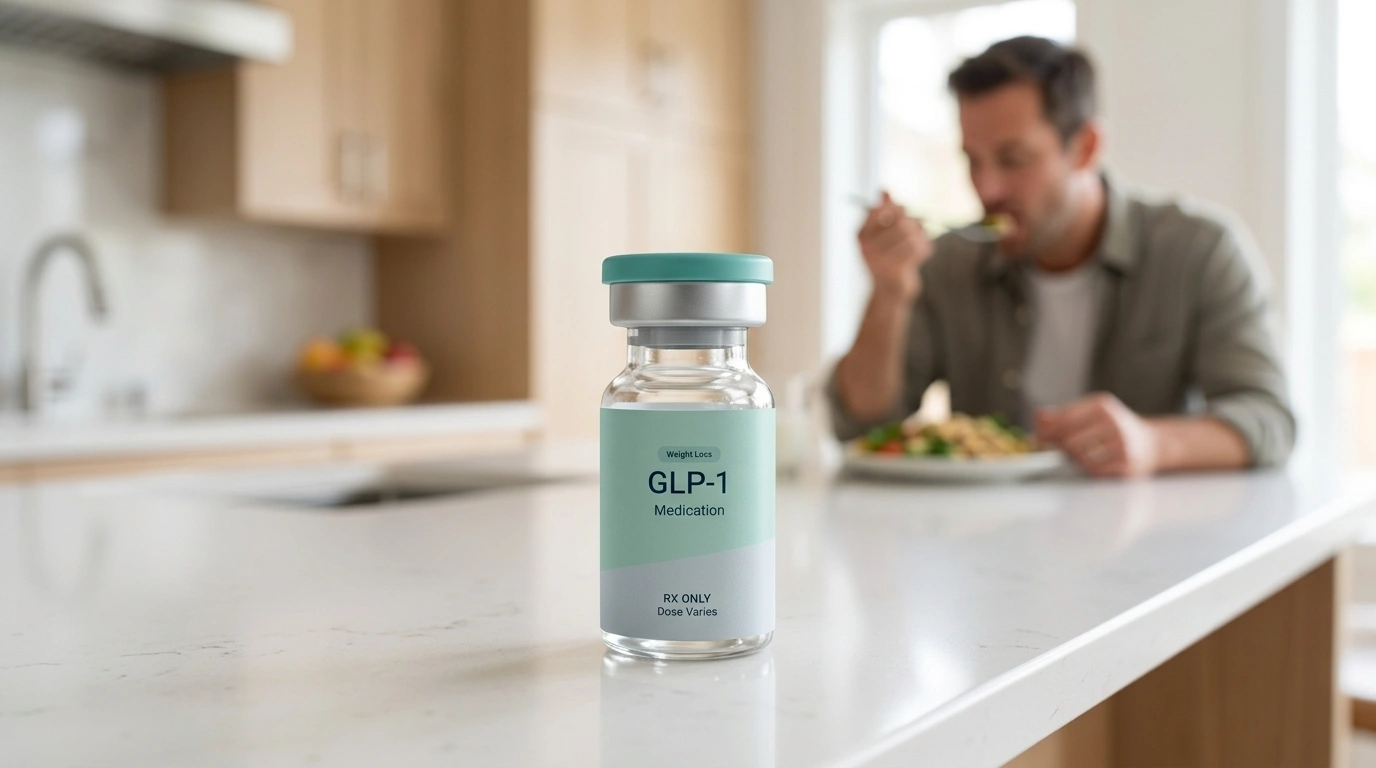
Semaglutide is a medication known as a GLP-1 receptor agonist. GLP-1, or glucagon-like peptide-1, is a hormone your body naturally produces in the gut. It plays a critical role in how you perceive hunger and how your body processes sugar. When you take a medication like semaglutide, you are essentially enhancing these natural pathways to better manage your weight.
The primary way semaglutide works is by slowing down gastric emptying. This is a clinical term for the speed at which food leaves your stomach. By slowing this process, the medication helps you feel full much longer after a meal. It also communicates with the brain to reduce overall appetite and cravings. For many, this makes sticking to a calorie-controlled diet feel like a natural choice rather than a constant struggle of willpower.
Key Takeaway: Semaglutide mimics a natural gut hormone to reduce hunger, slow digestion, and improve how the body handles blood sugar.
For a deeper explanation of this process, read how semaglutide works in the body.
Beyond appetite, semaglutide helps regulate blood sugar by encouraging the pancreas to release the right amount of insulin. It also prevents the liver from releasing too much extra sugar into the bloodstream. While many recognize these effects from branded medications like Ozempic® or Wegovy®, the underlying molecule remains the same in various treatment formats.
Understanding HGH and Growth Hormone Secretagogues
Human Growth Hormone, or HGH, is a protein produced by the pituitary gland. It is vital for growth, cell regeneration, and maintaining healthy human tissue. In adults, HGH helps regulate body composition, body fluids, muscle and bone growth, and sugar and fat metabolism. As we age, our natural production of this hormone tends to decline, which can lead to increased body fat and decreased muscle mass.
When people ask about taking HGH for weight loss, they are often referring to one of two things. The first is Somatropin, which is a synthetic form of HGH. The second category includes growth hormone secretagogues, such as Sermorelin. These are peptides that do not contain HGH themselves. Instead, they signal your pituitary gland to produce more of its own natural growth hormone.
The logic behind using these substances in a weight management context is their ability to support lean muscle mass. While semaglutide is excellent at reducing total body weight, a portion of that weight loss can sometimes come from muscle tissue. HGH pathways are often explored to help preserve that muscle while the body is in a caloric deficit.
Can You Take Semaglutide and HGH Together?
The short answer is that some healthcare providers do prescribe these treatments together, but it requires expert supervision. There is no direct “contraindication” that makes the combination universally “forbidden” for every person. However, they can influence each other’s effectiveness and your overall internal balance.
When you combine a GLP-1 medication with growth hormone therapy, you are essentially attacking weight loss from two different angles. Semaglutide manages the “input” by controlling your appetite and caloric intake. HGH or secretagogues manage the “output” by supporting your metabolism and the maintenance of lean tissue.
Quick Answer: Yes, it is possible to take semaglutide and HGH together under strict medical supervision. The combination may help preserve muscle mass while losing fat, though it requires careful monitoring of blood sugar levels.
However, because both substances affect your metabolism and endocrine system, they cannot be started haphazardly. A licensed provider must evaluate your health history to ensure your body can handle the combined metabolic shifts. This is why a free eligibility assessment is an important starting point for discussing your options safely.
The Synergy of Body Recomposition
The term “body recomposition” refers to the process of losing body fat while simultaneously maintaining or gaining lean muscle. This is often the primary goal for someone considering the combination of semaglutide and HGH. Standard weight loss often results in a “smaller version” of the same body shape. Recomposition aims for a firmer, more athletic physique.
For additional perspective on preserving muscle during GLP-1 treatment, explore this guide to GLP-1 and bodybuilding.
Preserving Lean Tissue
When the body is in a caloric deficit, it looks for energy wherever it can find it. If you are not careful, the body may break down muscle tissue for fuel. HGH pathways support protein synthesis, which is the process your body uses to repair and build muscle. By supporting these pathways, you may be able to protect your muscles even as the semaglutide helps you eat less.
Metabolic Enhancement
Muscle tissue is metabolically active, meaning it burns more calories at rest than fat tissue does. By preserving muscle, you help keep your basal metabolic rate (BMR) higher. This can make long-term weight maintenance much easier. Many people find that once they stop a weight loss medication, their weight returns because their metabolism slowed down during the process. Maintaining muscle helps prevent this “metabolic adaptation.”
Energy and Recovery
One common side effect of a significant caloric deficit is fatigue. Some research suggests that growth hormone support can improve sleep quality and recovery times. When your body recovers better from daily activity and exercise, you are more likely to stay active, which further supports your weight loss goals.
Potential Risks and Drug Interactions
While the combination of semaglutide and HGH offers interesting possibilities, it is not without risk. The most significant concern involves blood glucose, or blood sugar, management. This is the area where the two treatments may work against each other if not managed correctly.
The Blood Sugar Tug-of-War
Semaglutide is designed to lower blood sugar and improve insulin sensitivity. Conversely, HGH and its secretagogues can sometimes cause the body to become more resistant to insulin. In some cases, HGH can raise blood sugar levels. If you take them together, one medication is trying to pull blood sugar down while the other may be pushing it up.
Monitoring Requirements
If a provider determines that this combination is appropriate for you, they will likely require regular blood work. This monitoring ensures that your glucose levels remain within a healthy range. If you have a history of pre-diabetes or type 2 diabetes, this combination requires even more intensive oversight.
Specific Side Effects to Watch For:
- Joint pain or swelling (common with HGH)
- Nausea or digestive upset (common with semaglutide)
- Increased heart rate
- Changes in skin sensation or tingling
- Headaches
For more information about digestive symptoms and other common reactions, review semaglutide side effects and management strategies.
Important: Never attempt to combine these medications without a prescription and ongoing guidance from a licensed medical professional. Self-administering these substances can lead to severe metabolic imbalances.
The Role of Personalized Programs
At TrimRx, we understand that weight loss is never a “one size fits all” journey. Your biology, your history with dieting, and your specific goals are unique. This is why we focus on connecting you with licensed providers who look at your entire health profile before recommending a treatment plan.
Our platform provides access to a variety of options, including compounded semaglutide and compounded tirzepatide. These medications are prepared by FDA-registered, inspected compounding pharmacies. While compounded medications themselves are not FDA-approved, they allow providers to tailor treatments to an individual’s specific needs when a branded product may not be the right fit.
When you participate in a program through us, you aren’t just getting a prescription. You are getting a comprehensive service that includes the initial doctor consultation, required lab work, and unlimited support. This ensures that if you are exploring complex goals like body recomposition, you have a professional team to guide you through every step.
Who Is a Candidate for Combined Therapy?
Not everyone who wants to lose weight is a good fit for combining semaglutide and HGH. Providers typically look for specific markers to determine if this intensive approach is appropriate.
Ideal candidates may include:
- Adults with a BMI over 30 who have struggled with muscle loss in previous weight loss attempts.
- Individuals over the age of 40 who may have naturally declining growth hormone levels.
- Those who have hit a significant weight loss plateau despite consistent diet and exercise.
- Individuals who are committed to a regular resistance training program, which is necessary to maximize the muscle-preserving effects of growth hormone.
Who should avoid this combination?
- Individuals with a personal or family history of certain cancers, as growth hormone can potentially encourage the growth of existing tumors.
- People with active malignancies or those who have not cleared cancer screenings.
- Individuals with severe diabetic retinopathy.
- Those with certain heart conditions or uncontrolled high blood pressure.
How to Get Started with a Weight Loss Program
If you are interested in exploring medical weight loss, the process should always begin with a professional assessment. You should not have to navigate the complexities of hormone pathways and GLP-1 mechanisms on your own.
Step 1: Complete an initial assessment.
The first step is usually a health quiz or assessment. This helps gather your medical history, your current weight loss goals, and any symptoms you may be experiencing. At TrimRx, our free assessment quiz is designed to give providers the data they need to start a meaningful conversation about your health.
Step 2: Consult with a provider.
A licensed healthcare professional will review your assessment. They may order blood work to check your baseline hormone levels, blood sugar, and kidney function. During the consultation, you can discuss your interest in combining therapies and ask about the pros and cons for your specific body.
Step 3: Receive a personalized plan.
If you are eligible, the provider will create a plan tailored to you. This includes the specific medication, the correct dosage, and instructions on how to administer the treatment. One of the benefits of our program is that there are no hidden fees—your program cost remains consistent even if your dosage changes over time.
Step 4: Ongoing monitoring and support.
Weight loss is a dynamic process. As your body changes, your plan may need adjustments. Having 24/7 access to a dedicated team of specialists ensures that you can report side effects and get answers to your questions immediately.
Optimizing Your Results with Lifestyle Choices
Medication is a powerful tool, but it works best when supported by healthy habits. If you are taking semaglutide and HGH together, your lifestyle choices will determine how much muscle you keep and how much fat you lose.
Prioritize Protein Intake
To maintain muscle tissue, your body needs the building blocks of protein. Aim for a high-protein diet that includes lean meats, beans, tofu, or Greek yogurt. This is especially important when your appetite is reduced by semaglutide, as every bite needs to count toward your nutritional goals.
For more guidance, read about choosing protein for weight loss and muscle preservation.
Engage in Resistance Training
Growth hormone support is most effective when you give your muscles a reason to stay. Lifting weights or performing bodyweight exercises like push-ups and squats signals to your body that muscle tissue is necessary. This encourages the body to burn fat for fuel instead of breaking down muscle.
Stay Hydrated
Both GLP-1 medications and growth hormone pathways can affect your fluid balance. Drinking plenty of water helps your kidneys process medications and can help reduce common side effects like headaches or mild nausea.
Use Targeted Supplements
In addition to prescription programs, some people find success using targeted supplements. For example, our GLP-1 Daily Support is designed to help fill nutritional gaps that can occur when you are eating less. Supplements like Weight Loss Boost can also offer non-prescription support for your metabolism.
Common Misconceptions About HGH and Semaglutide
There is a lot of misinformation online regarding these substances. Clearing up these myths is essential for setting realistic expectations.
Myth: Taking HGH will make you lose weight without any effort.
Fact: HGH is not a primary weight loss drug. It is used to support metabolism and body composition. Significant fat loss still requires a caloric deficit, which is why it is often paired with a GLP-1 like semaglutide.
Myth: Compounded medications are exactly the same as branded ones.
Fact: While they contain the same active ingredients, compounded medications are personalized for the patient and are not FDA-approved. They are, however, produced in regulated environments to ensure quality.
Myth: You will regain all the weight the moment you stop the medication.
Fact: While weight regain is a risk, it is not a guarantee. By using growth hormone pathways to preserve muscle, you keep your metabolism higher, which can make it easier to maintain your new weight through lifestyle changes.
The Importance of Professional Guidance
Because semaglutide and HGH both have profound effects on your endocrine system, “DIY” approaches are dangerous. The internet is full of “gray market” sources for peptides and hormones, but these products often lack purity and safety testing.
When you use a professional platform, you ensure that your medications are coming from licensed, inspected pharmacies. You also ensure that a doctor is watching your labs for any signs of trouble. This professional oversight is the difference between a risky experiment and a science-backed health transformation.
Bottom line: Combining semaglutide and growth hormone support is a sophisticated medical strategy that requires professional oversight, regular blood testing, and a commitment to a healthy lifestyle.
Conclusion
The journey to a healthier you is about more than just the number on the scale. It is about feeling strong, having energy, and improving your long-term metabolic health. Combining semaglutide and HGH is a powerful approach to body recomposition that many find helpful for breaking through plateaus and protecting lean muscle.
By addressing appetite through GLP-1 pathways and supporting metabolism through growth hormone pathways, you can create a comprehensive environment for success. However, the complexity of these interactions means that safety must always come first.
At TrimRx, our mission is to provide you with the tools, the technology, and the clinical expertise to make your weight loss journey sustainable. We offer a transparent, telehealth-first approach that removes the barriers to high-quality care. If you are ready to see what a personalized, medically supervised program can do for you, the next step is simple.
Take the free assessment quiz today to see which program fits your needs. Whether you are looking for a prescription GLP-1 program or starting with targeted supplements, we are here to support you every step of the way.
FAQ
Is it safe to mix semaglutide and HGH?
It can be safe if managed by a licensed healthcare provider who monitors your blood sugar and overall metabolic health. The main risk is the potential for fluctuating blood sugar levels, as HGH can increase insulin resistance while semaglutide increases insulin sensitivity. Regular blood work is essential to ensure these two medications are working in harmony rather than against each other.
Will taking HGH prevent the muscle loss associated with semaglutide?
While HGH and secretagogues like Sermorelin can help support lean muscle tissue through protein synthesis, they do not provide a 100% guarantee against muscle loss. To effectively preserve muscle while on semaglutide, you must also consume adequate protein and engage in regular resistance training. The medication provides the biological support, but your lifestyle provides the necessary stimulus for muscle maintenance.
Do I need a prescription for both semaglutide and HGH?
Yes, both semaglutide and HGH (or growth hormone secretagogues) are prescription medications in the United States. They are potent substances that affect your hormonal and metabolic systems, and using them without medical supervision can lead to serious health complications. A provider must evaluate your health history and current labs to determine if you are a safe candidate for either or both. If you are ready to discuss eligibility, you can complete a free health assessment.
How long does it take to see results from this combination?
Most people begin to see the appetite-suppressing effects of semaglutide within the first few weeks, leading to initial weight loss. The body recomposition benefits of growth hormone support, such as improved muscle tone and metabolic shifts, typically take longer to manifest—often between three to six months. Consistency in both medication and lifestyle habits is the key to seeing long-term, sustainable results.
Disclaimer: This content is for informational purposes only and does not constitute medical advice. It is not intended to diagnose, treat, cure, or prevent any disease or condition. Individual results may vary. Always consult a qualified healthcare professional before starting any weight loss program or medication.

Transforming Lives, One Step at a Time
Keep reading

Hair Shedding Months Into Semaglutide
It shows up in the shower drain first, then on the pillow, then in the brush. By the time most people search this, they…

Vision Changes on Semaglutide: What to Know
Three different things get bundled together under this question, and they carry very different levels of urgency. Separating them is most of the work….

High-Altitude Hiking on Semaglutide
You have a trip booked and an appetite that already does not work the way it used to. The worry is reasonable, and there…


