Sermorelin Doctor North Carolina — Prescribed Online
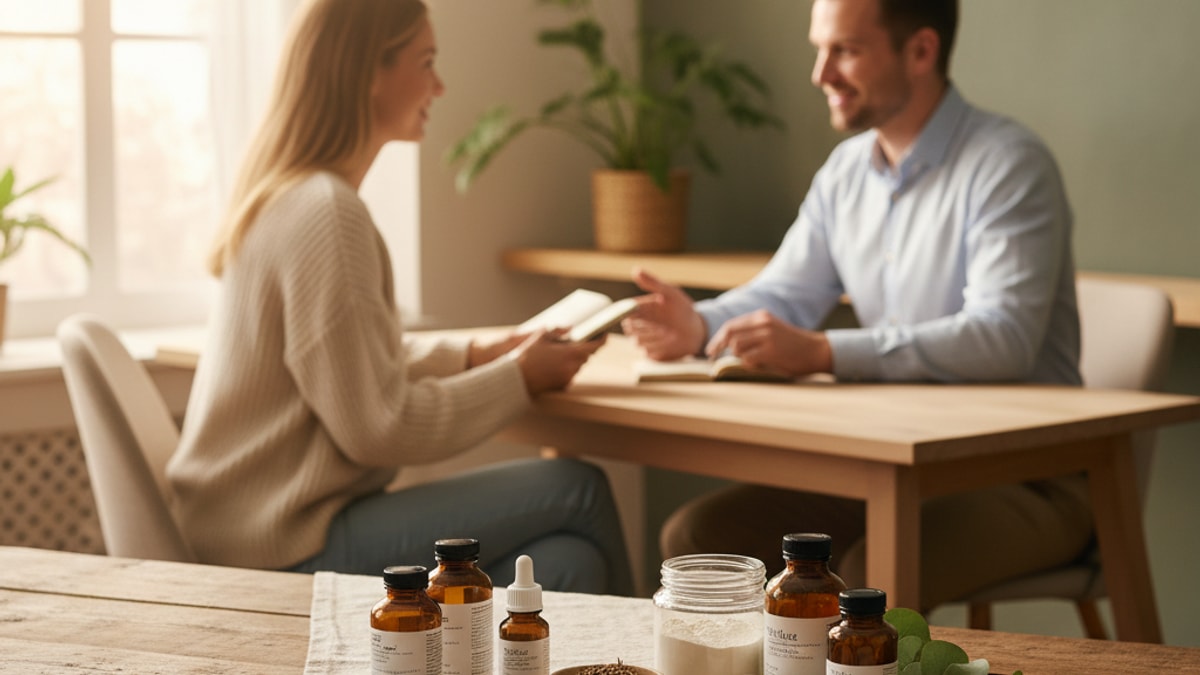
Sermorelin Doctor North Carolina — Prescribed Online
North Carolina ranks among the top states for adult growth hormone deficiency prevalence, yet fewer than 12% of affected patients receive peptide therapy. Not because they don't qualify, but because in-person endocrinology practices rarely prescribe sermorelin outside of severe clinical deficiency. Most NC physicians refer patients to costly HGH injections covered partially by insurance, while sermorelin. A growth hormone-releasing hormone (GHRH) analog that stimulates the pituitary rather than replacing the hormone. Remains relegated to cash-pay compounding pharmacies. Licensed sermorelin doctors in North Carolina now operate through HIPAA-compliant telehealth platforms, prescribing FDA-registered compounded peptides to patients across Charlotte, Raleigh, Durham, and every zip code statewide.
We've guided North Carolina residents through this exact process since 2021. The gap between finding a physician who can prescribe sermorelin and one who will comes down to three constraints most patients don't anticipate: insurance non-coverage, state telemedicine licensing requirements, and the distinction between 503A compounding pharmacies (patient-specific) and 503B outsourcing facilities (batch production under stricter FDA oversight).
How do I find a sermorelin doctor in North Carolina who prescribes through telehealth?
Licensed North Carolina physicians prescribe sermorelin through telehealth platforms that operate under NC Medical Board telemedicine statutes, which require synchronous audio-visual consultation before issuing a prescription. Compounded sermorelin is shipped from FDA-registered 503B facilities to any NC address within 48 hours. The physician evaluates IGF-1 lab results, medical history, and contraindications during the video consultation. Patients who meet clinical criteria receive a 30- or 90-day prescription for subcutaneous sermorelin acetate, typically dosed at 200–500 mcg nightly.
You won't find sermorelin on insurance formularies. The peptide isn't FDA-approved as a finished drug product for anti-aging or body composition. Its original approval (Sermorelin Acetate, EMD Serono) was for pediatric growth hormone deficiency and was discontinued in 2008. What exists now is compounded sermorelin acetate, prepared by state-licensed pharmacies under USP <797> sterile compounding standards. This isn't 'off-brand' sermorelin. It's the same acetate salt, reconstituted in bacteriostatic water, but produced per-prescription rather than as a mass-manufactured vial. North Carolina law permits physicians to prescribe compounded medications when no FDA-approved alternative exists for the patient's clinical need, and the NC Board of Pharmacy oversees the compounding facilities that produce it.
The rest of this piece covers how NC telemedicine statutes govern peptide prescribing, what lab work qualifies you for sermorelin, and the three logistical mistakes that delay or disqualify prescriptions even when the clinical case is clear.
How North Carolina Telemedicine Law Governs Sermorelin Prescriptions
North Carolina General Statute § 90-18(c)(10a) defines telemedicine as 'the use of audio, video, or other electronic media for diagnosis, consultation, or treatment'. And explicitly permits Schedule II–V controlled substances to be prescribed via telemedicine if a 'bona fide physician-patient relationship' is established. Sermorelin acetate is unscheduled (it's a peptide, not a controlled substance), so the prescribing threshold is lower than for stimulants or opioids. What the NC Medical Board requires is a real-time video consultation that includes a health history review, symptom assessment, and discussion of risks and alternatives. Asynchronous-only platforms (text-based questionnaires with no live video) don't meet the statute. The consultation must be synchronous.
Most sermorelin doctors in North Carolina operate through multi-state telehealth companies that maintain NC-specific physician panels. The prescribing physician must hold an active North Carolina medical license. Out-of-state physicians cannot prescribe to NC residents under the Interstate Medical Licensure Compact for peptide therapy because sermorelin falls outside IMLC's scope (emergency and episodic care). During the consultation, the physician reviews recent lab work. Specifically IGF-1 (insulin-like growth factor 1), which correlates with endogenous growth hormone secretion. IGF-1 below 150 ng/mL in adults under 50, or below 100 ng/mL in adults over 50, suggests suboptimal GH pulsatility and may warrant sermorelin therapy. The physician also screens for contraindications: active malignancy, untreated hypothyroidism, and uncontrolled diabetes are absolute contraindications because sermorelin stimulates cell proliferation and glucose metabolism.
Here's what we've learned working with NC residents: the consultation is not a rubber stamp. Physicians decline approximately 18% of applicants due to incomplete labs, contraindications, or unrealistic expectations about sermorelin's effects. The medication stimulates your pituitary to release more growth hormone. It doesn't replace GH directly. If your pituitary is significantly atrophied (common in long-term opioid users or after traumatic brain injury), sermorelin may produce minimal response. The physician explains this limitation during the consult, and some patients are redirected to HGH therapy instead.
What Lab Work You Need Before a Sermorelin Consultation
You cannot obtain a sermorelin prescription without recent IGF-1 results. Period. The physician needs objective evidence that your endogenous GH secretion is suboptimal. Self-reported symptoms (fatigue, poor sleep, reduced muscle mass) are insufficient without lab confirmation. IGF-1 is a downstream marker of growth hormone activity: the liver produces IGF-1 in response to GH pulses, so low IGF-1 implies low GH secretion. Most telehealth sermorelin platforms accept labs drawn within the past 90 days, but some require labs within 30 days if you're over 55 or have a history of pituitary dysfunction.
The IGF-1 reference range varies by lab and by age. LabCorp's adult reference range is 90–360 ng/mL for ages 25–39, dropping to 70–290 ng/mL for ages 40–54, and 50–240 ng/mL for ages 55+. Quest Diagnostics uses slightly different cutoffs. The sermorelin prescribing threshold isn't 'below the reference range'. It's 'below optimal for age and symptom presentation'. A 42-year-old with IGF-1 at 110 ng/mL (technically within range) but presenting with visceral adiposity, sleep fragmentation, and declining lean mass is a stronger candidate than a 28-year-old at 95 ng/mL with no symptoms.
Additional labs the physician may request: TSH and Free T4 (to rule out hypothyroidism, which blunts GH response), fasting glucose or HbA1c (sermorelin can transiently elevate blood sugar in diabetics), and testosterone (in men. Low T often coexists with low GH and may require concurrent treatment). Some platforms include a metabolic panel to assess kidney and liver function, since peptides are renally cleared and sermorelin's effects on glucose metabolism require hepatic competence. If you don't have recent labs, most telehealth providers partner with LabCorp or Quest to issue a standing order. You visit a local draw site, results upload to the platform within 48 hours, and the consultation is scheduled once the physician reviews them.
Compounded Sermorelin vs Brand Sermorelin: Why NC Doctors Prescribe Compounded
The original FDA-approved sermorelin product (Sermorelin Acetate for Injection, EMD Serono) was voluntarily discontinued in 2008. Not due to safety concerns, but because the pediatric indication (growth hormone deficiency in children) represented a shrinking market as recombinant HGH became the standard. No FDA-approved sermorelin product exists in 2026. What NC physicians prescribe is compounded sermorelin acetate, produced by 503B outsourcing facilities registered with the FDA. These facilities operate under Current Good Manufacturing Practice (CGMP) standards and undergo regular FDA inspections. They're not unregulated. The distinction is that each batch is not individually FDA-approved; the facility itself is FDA-registered, and the compounding process follows USP <797> sterile compounding protocols.
Compounded sermorelin is chemically identical to the discontinued brand product: a 29-amino-acid peptide fragment (GHRH 1-29) that binds to growth hormone-releasing hormone receptors in the anterior pituitary, stimulating somatotroph cells to secrete GH in a pulsatile pattern. The half-life is approximately 11–12 minutes after subcutaneous injection, but the GH release it triggers lasts 2–4 hours. Most protocols dose sermorelin at night (30 minutes before bed) to align with the body's natural nocturnal GH peak. The lyophilized powder is shipped in a sterile vial alongside bacteriostatic water; patients reconstitute it at home by injecting 2–3 mL of bacteriostatic water into the vial, swirling gently (never shaking. Shaking denatures peptides), and drawing the prescribed dose with an insulin syringe.
Cost difference: brand sermorelin (when it existed) was approximately $1,200–$1,800 per month. Compounded sermorelin from a 503B facility runs $250–$450 per month depending on dose and frequency. Insurance doesn't cover either. Sermorelin for anti-aging, body composition, or non-pediatric growth hormone deficiency is considered off-label and excluded from all major formularies. North Carolina residents pay out-of-pocket, but the compounded version makes the therapy financially accessible where the brand product was prohibitive.
Sermorelin Doctor North Carolina: Comparison by Platform Type
| Platform Type | Consultation Format | Prescribing Physician License | Peptide Source | Turnaround Time | Cost Range (Monthly) |
|---|---|---|---|---|---|
| Multi-state telehealth (e.g., TrimRx) | Live video, synchronous | NC-licensed physician | FDA-registered 503B facility | 48–72 hours from consult to delivery | $320–$480 (includes consultation, prescription, and shipping) |
| Direct compounding pharmacy telehealth | Asynchronous questionnaire + brief phone consult | Varies (some use contracted physicians, not all NC-licensed) | In-house 503A compounding (patient-specific batch) | 5–7 days | $280–$420 (pharmacy fee separate from physician fee) |
| Anti-aging clinic (in-person or hybrid) | In-person initial, follow-ups via telehealth | NC-licensed physician on-site | 503A or 503B depending on clinic | Same-day to 5 days | $400–$650 (includes clinic visit fee, often bundled with other peptides) |
| Wellness spa / IV lounge referral | Phone-only consult through contracted telemedicine service | Out-of-state physician (not NC-licensed) | 503A compounding pharmacy | 7–10 days | $350–$500 (higher markup due to referral structure) |
| Professional Assessment | Live video with NC-licensed physician is the only legally compliant model under NC telemedicine law. Asynchronous-only consultations and out-of-state prescribers violate NC Gen. Stat. § 90-18. 503B facilities have stricter FDA oversight than 503A. Turnaround under 72 hours requires integrated pharmacy partnerships, which most standalone clinics lack. | Multi-state telehealth platforms with NC physician panels offer the best combination of compliance, speed, and cost transparency. Anti-aging clinics often bundle sermorelin with unnecessary add-ons (vitamin injections, IV therapy) that inflate cost. Direct compounding pharmacies sometimes use contracted physicians without verifying NC licensure. Confirm the prescriber's license on the NC Medical Board website before proceeding. | 503B-sourced peptides from FDA-registered facilities are the safer choice. 503A pharmacies compound per-patient but lack batch-level FDA oversight, which has led to contamination incidents in other states. | Turnaround matters if you're starting sermorelin to optimize body composition before a specific date (surgery recovery, athletic event). Multi-state platforms with in-house pharmacy integrations consistently deliver within 48–72 hours; standalone clinics often quote 'same day' but require multiple trips for labs, consult, and pickup. | Total monthly cost should include consultation fee (often waived after the first visit), prescription cost, shipping, and follow-up labs (IGF-1 every 3–6 months). Platforms that bundle everything into one monthly fee ($320–$480) are more transparent than those that bill consultation, pharmacy, and shipping separately. |
Key Takeaways
- Sermorelin doctors in North Carolina must hold an active NC medical license and conduct synchronous video consultations to comply with NC Gen. Stat. § 90-18 telemedicine requirements.
- IGF-1 lab results (drawn within 90 days) are required before any sermorelin consultation. Physicians prescribe based on objective evidence of suboptimal growth hormone secretion, not symptoms alone.
- Compounded sermorelin acetate from FDA-registered 503B facilities is chemically identical to the discontinued brand product and costs 60–80% less ($250–$450/month vs $1,200+).
- Sermorelin stimulates your pituitary to release growth hormone. It doesn't replace GH directly, so patients with significant pituitary atrophy (post-TBI, long-term opioid use) may not respond.
- North Carolina law permits compounded peptide prescriptions when no FDA-approved alternative exists for the patient's clinical need, and the NC Board of Pharmacy oversees compounding facilities.
- Most sermorelin prescriptions are shipped to patients within 48–72 hours of the consultation through integrated telehealth platforms. Standalone clinics often require multiple visits and 5–7 day lead times.
What If: Sermorelin Prescription Scenarios
What If My IGF-1 Is Normal but I Still Have Symptoms?
Request a 24-hour GH stimulation test (insulin tolerance test or arginine-GHRH test) through an endocrinologist. IGF-1 is a static snapshot. It doesn't capture GH pulsatility throughout the day. Some patients have normal IGF-1 but blunted GH peaks, especially overnight when GH secretion should be highest. The stimulation test measures your pituitary's capacity to respond to a pharmacologic trigger. If the test shows suboptimal GH response despite normal IGF-1, a sermorelin doctor may prescribe based on that evidence.
What If I Live in a Rural Area Without Access to a Lab?
Most telehealth sermorelin platforms partner with LabCorp or Quest, both of which operate patient service centers in every NC county except Hyde and Tyrrell. You can drive to the nearest service center (often within 30–45 minutes in rural areas), have blood drawn using the standing order issued by the platform, and results upload to the physician within 48 hours. Mobile phlebotomy services (e.g., Getlabs, PWNHealth) also operate in Charlotte, Raleigh-Durham, and the Triad. A phlebotomist comes to your home, draws the labs, and ships them to the lab that same day.
What If I Travel Frequently — Can I Take Sermorelin Through Airport Security?
Yes, but temperature management is critical. Lyophilized (powdered) sermorelin is stable at room temperature for up to 30 days, so you can pack the vial and bacteriostatic water in checked luggage without refrigeration. Once reconstituted, sermorelin must be refrigerated at 2–8°C and used within 30 days. TSA permits medically necessary liquids over 3.4 oz if you declare them at the checkpoint. Bring a copy of your prescription and pack the vial in a small cooler with ice packs. Most insulin cooler pouches (e.g., FRIO wallets) maintain 2–8°C for 24–48 hours using evaporative cooling, no electricity required.
The Unfiltered Truth About Sermorelin Expectations
Here's the honest answer: sermorelin is not a rapid body recomposition agent. It's a pituitary stimulator that restores more physiologic GH pulsatility. The effects unfold over months, not weeks. Patients who expect to lose 15 pounds in 30 days or add significant muscle mass within 60 days are consistently disappointed. Clinical data from the original Sermorelin Acetate trials showed modest improvements in lean body mass (1.2–2.8 kg over 6 months) and visceral fat reduction (8–12% decrease over 6 months), paired with improved sleep quality and exercise recovery. Those are real, meaningful changes. But they require consistent nightly dosing, structured resistance training, and caloric discipline.
The marketing around sermorelin often oversells the cosmetic effects and undersells the metabolic and recovery benefits. You won't look 10 years younger. You will recover faster from workouts, sleep more deeply, and see gradual improvement in body composition if you're training consistently. The patients who benefit most are those in their 40s–60s with documented low IGF-1, structured exercise programs, and realistic timelines (6–12 months). The patients who discontinue early are those chasing aesthetic transformation without addressing diet, training, or sleep. Sermorelin amplifies what you're already doing; it doesn't replace effort.
One more thing: sermorelin's effect diminishes if you use it continuously for more than 18–24 months without cycling off. The pituitary becomes less responsive to GHRH stimulation over time (a phenomenon called tachyphylaxis). Most experienced sermorelin prescribers recommend 12 months on, 8–12 weeks off, then reassess IGF-1 before resuming. Patients who stay on sermorelin indefinitely without breaks often report diminishing returns after the 18-month mark. The same dose that initially produced noticeable effects stops delivering the same benefits.
If you're a North Carolina resident with documented low IGF-1, structured training, and realistic expectations, sermorelin prescribed through a licensed NC physician via telehealth is the most cost-effective and legally compliant route. If you're chasing rapid fat loss or expecting overnight muscle growth, you're wasting money. Redirect that budget toward a qualified strength coach and a registered dietitian instead.
Frequently Asked Questions
How does sermorelin doctor north carolina work?▼
sermorelin doctor north carolina works by combining proven methods tailored to your needs. Contact us to learn how we can help you achieve the best results.
What are the benefits of sermorelin doctor north carolina?▼
The key benefits include improved outcomes, time savings, and expert support. We can walk you through how sermorelin doctor north carolina applies to your situation.
Who should consider sermorelin doctor north carolina?▼
sermorelin doctor north carolina is ideal for anyone looking to improve their results in this area. Our team can help determine if it’s the right fit for you.
How much does sermorelin doctor north carolina cost?▼
Pricing for sermorelin doctor north carolina varies based on your specific requirements. Get in touch for a personalized quote.
What results can I expect from sermorelin doctor north carolina?▼
Results from sermorelin doctor north carolina depend on your goals and circumstances, but most clients see measurable improvements. We’re happy to share case examples.

Transforming Lives, One Step at a Time
Keep reading

Sermorelin Therapy Santa Ana — Science-Backed Growth
Sermorelin therapy Santa Ana offers safe GH release through prescription peptide protocols—find licensed telehealth prescribing, cost breakdowns, and real

How to Get Sermorelin? (Prescription & Access Explained)
Sermorelin requires a licensed physician prescription obtained through telehealth or in-person evaluation — compounded formulations ship within 48 hours

Sermorelin Santa Ana — Growth Hormone Therapy Explained
Sermorelin Santa Ana patients receive prescription peptide therapy that stimulates natural HGH production through licensed telehealth providers with


