Should I Inject Mounjaro® Cold? Tips for a Comfortable Experience
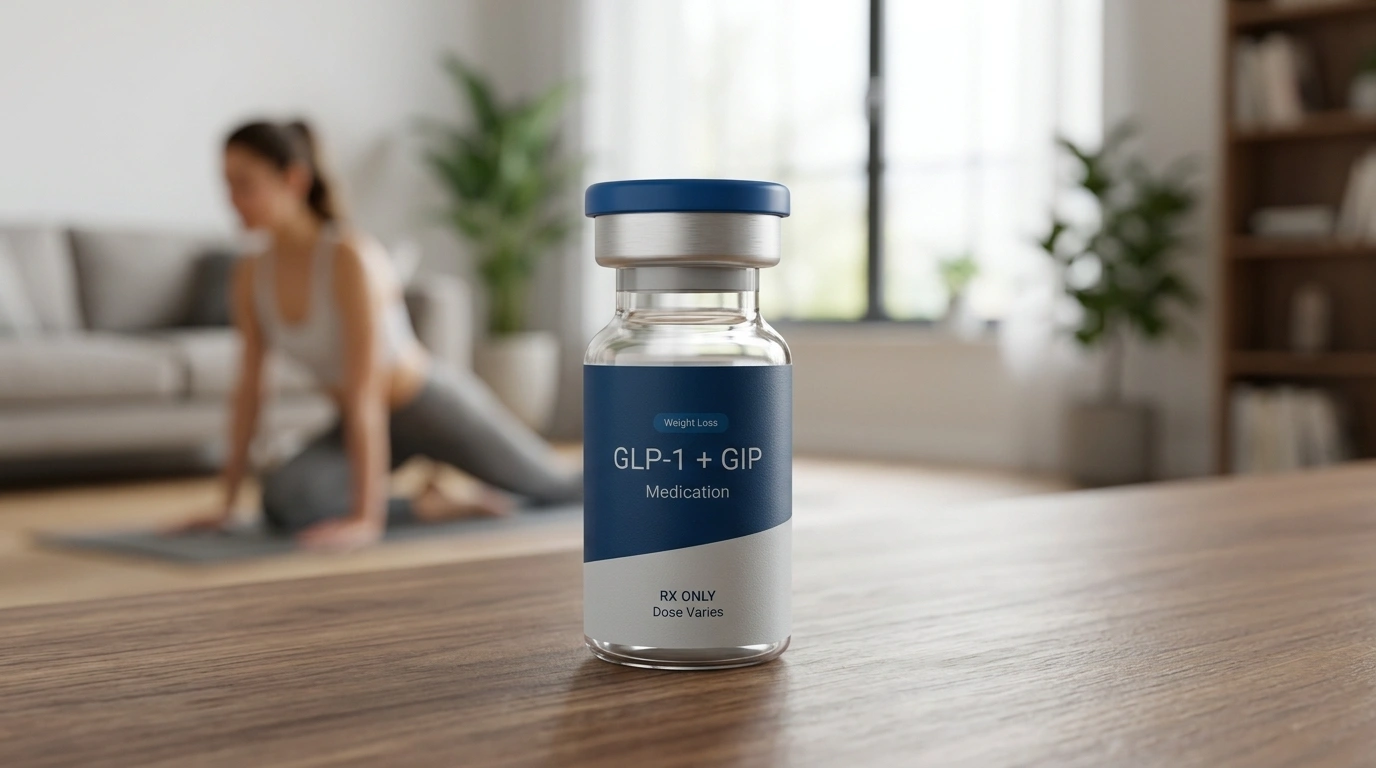
Table of Contents
- Introduction
- Can You Inject Mounjaro® Cold?
- Why Some Prefer Room Temperature Injections
- How to Safely Warm Your Medication
- Understanding Storage and Stability
- Best Practices for a Seamless Injection
- Managing Injection Anxiety
- How TrimRx Supports Your Journey
- The Science of Metabolic Health
- Myth vs. Fact: Medication Temperature
- Troubleshooting Common Issues
- Building a Sustainable Routine
- Our Commitment to Your Success
- Conclusion
- FAQ
Introduction
The moment you prepare for your weekly injection can bring a mix of emotions, from excitement about your progress to a slight hesitation before the needle. If you have just taken your medication out of the refrigerator, you might wonder if that chill will make the process more uncomfortable. This is a common concern for many individuals on a metabolic health journey. At TrimRx, we believe that understanding the practical, day-to-day details of your treatment is just as important as the clinical science behind it, and you can take the free assessment quiz if you want to see whether a personalized program is a fit for you.
In this article, we will address whether you should inject Mounjaro® cold, how temperature affects the sensation of the injection, and the safest ways to handle your medication. Our goal is to ensure your experience is as seamless and comfortable as possible. While injecting the medication cold is medically safe, most people find that a few simple adjustments can significantly improve their comfort levels.
Can You Inject Mounjaro® Cold?
The short answer is yes. You can safely inject Mounjaro® directly after removing it from the refrigerator. Tirzepatide, the active ingredient in Mounjaro®, is a dual-acting receptor agonist. This means it mimics two natural hormones in the body: glucagon-like peptide-1 (GLP-1) and glucose-dependent insulinotropic polypeptide (GIP). These hormones help regulate appetite and blood sugar.
The medication is stored in the refrigerator to maintain its chemical stability over time. If you want a broader look at handling and storage, our tirzepatide storage, travel, and handling guide walks through the same temperature basics in more depth. However, the temperature of the liquid at the time of injection does not change how the medication works once it enters your system. Whether the liquid is 40°F or 70°F, your body will process the tirzepatide with the same efficacy.
Quick Answer: It is perfectly safe to inject Mounjaro® while it is still cold. However, many people prefer to let the pen reach room temperature for about 30 minutes to reduce the stinging sensation that cold liquids can cause during a subcutaneous injection.
Why Some Prefer Room Temperature Injections
While safety is not an issue, comfort is a significant factor for many patients. When you inject a cold liquid into the subcutaneous tissue—the layer of fat just beneath the skin—it can cause a brief stinging or “biting” sensation. This happens because the temperature difference between the cold medication and your body temperature (98.6°F) can temporarily irritate the local nerve endings.
For some, this sensation is negligible. For others, particularly those who may already feel anxious about needles, the cold sting can make the weekly routine feel more daunting than it needs to be. If you are still deciding whether a personalized program is the right next step, complete the free assessment quiz to get started. By allowing the medication to warm up slightly, you align the temperature of the liquid more closely with your body’s natural state, which typically results in a much smoother, less noticeable injection.
The Sensory Experience of Subcutaneous Injections
Subcutaneous injections use very short, thin needles designed to deposit medication into the fatty tissue. This area has fewer pain-sensing nerves than muscle tissue, which is why these injections are generally much less painful than a standard flu shot. However, the fat layer is sensitive to temperature changes. When a cold substance is introduced, the sudden thermal shift is what triggers the stinging.
How to Safely Warm Your Medication
If you decide that you prefer a room-temperature injection, it is vital to do it correctly. You should never attempt to “force” the medication to warm up using external heat sources. Tirzepatide is a protein-based medication, and proteins are sensitive to extreme temperatures.
The 30-Minute Rule
The safest and most effective way to warm your Mounjaro® pen is to simply set it on a clean, flat surface at room temperature. Most people find that 30 minutes is the “sweet spot.” This is long enough for the chill to leave the liquid but not long enough to compromise the stability of the medication.
What to Avoid
To protect the integrity of your treatment, keep the following “don’ts” in mind:
- Do not put the pen in the microwave.
- Do not run it under hot water.
- Do not leave it in direct sunlight on a windowsill.
- Do not use a hair dryer to warm the pen.
Excessive heat can denature the proteins in the medication, essentially “breaking” the molecules so they no longer work effectively. If you want to see how tirzepatide behaves when temperatures change, the article on what happens when tirzepatide gets warm is a helpful companion read. If the liquid in your pen appears cloudy, discolored, or contains visible particles after being left out, do not use it and consult a healthcare professional or pharmacist.
Key Takeaway: Patience is the best tool for a comfortable injection. Letting the pen sit at room temperature for 30 minutes is the gold standard for reducing discomfort without risking the medication’s integrity.
Understanding Storage and Stability
Mounjaro® and other branded medications like Ozempic®, Wegovy®, or Zepbound® require careful temperature management. These medications are typically shipped in cold packaging and should be placed in the refrigerator immediately upon arrival.
The Refrigeration Standard
The ideal storage temperature for these medications is between 36°F and 46°F (2°C to 8°C). Keeping the medication in the refrigerator prevents the molecules from breaking down, ensuring that the final dose in your pen is just as potent as the first. We recommend storing your pens in the middle of the refrigerator rather than in the door or at the very back. The door is subject to frequent temperature swings, while the back can sometimes be cold enough to accidentally freeze the medication.
Note: If your medication ever freezes, it must be discarded. Freezing permanently damages the molecular structure of tirzepatide.
Room Temperature Limits
The manufacturer states that Mounjaro® can be kept at room temperature—up to 86°F (30°C)—for up to 21 days. This flexibility is helpful if you are traveling or if you prefer to keep your current pen in a drawer rather than the fridge. Once a pen has been out of the refrigerator for more than 21 days, it should no longer be used. If you want another practical overview, our straight-from-the-fridge Zepbound guide covers the same refrigeration and warming questions in a similar format.
Best Practices for a Seamless Injection
Beyond temperature, several other factors can influence how your weekly dose feels. Following a consistent routine can help reduce anxiety and ensure you are getting the most out of your program.
Step 1: Prepare Your Space
Choose a well-lit, clean area. Wash your hands thoroughly with soap and water. Gather your alcohol swab, your pen, and a sharps container for disposal. If you are using a new pen, check the expiration date and ensure the liquid is clear.
Step 2: Choose Your Site
There are three primary areas for subcutaneous injections:
- The Abdomen: At least two inches away from the belly button.
- The Thigh: The front or side of the upper thigh.
- The Upper Arm: The back of the arm (this usually requires someone else to assist).
Step 3: Rotate Regularly
Never inject into the exact same spot two weeks in a row. Rotating your site helps prevent “lipohypertrophy,” which is a buildup of fatty tissue that can interfere with how the medication is absorbed. You can rotate within the same general area—for example, moving from the left side of the abdomen to the right—as long as the specific injection points are at least an inch apart.
Step 4: Clean and Wait
Swipe the skin with an alcohol swab and let it air dry completely. If the skin is still wet with alcohol when the needle enters, it can cause an extra sting that has nothing to do with the temperature of the medication.
Step 5: The Injection
Follow the specific instructions for your pen device. For many modern pens, you will press the pen firmly against the skin and listen for the “clicks” that signal the dose is being delivered. Keep the pen held against the skin for the full count recommended in the instructions (usually 5 to 10 seconds) to ensure all the liquid has been absorbed.
Managing Injection Anxiety
It is perfectly normal to feel a bit nervous about self-injecting, especially when starting a new program. Many members of our community find that the anticipation is often more intense than the actual sensation.
If you find yourself procrastinating on injection day, try these strategies:
- Listen to Music: Play a favorite song to distract your mind during the 30-minute warming period.
- Deep Breathing: Take three slow, deep breaths right before you press the pen. This lowers your heart rate and relaxes your muscles.
- Ice the Skin: If you are very sensitive, you can briefly ice the injection site for a minute before cleaning it with alcohol. This numbs the surface nerves.
- Focus on the “Why”: Remind yourself of the health goals you are working toward. Each injection is a step toward better metabolic health and a more vibrant life.
How TrimRx Supports Your Journey
At TrimRx, we understand that weight management is about more than just a prescription. It is a comprehensive lifestyle shift that requires the right tools, the right timing, and the right support. We connect you with licensed healthcare providers who can determine if GLP-1 or GIP/GLP-1 medications are appropriate for your unique health profile. If that sounds like the kind of support you want, see if you qualify for a personalized program.
Our platform is designed to remove the barriers often found in traditional healthcare. There are no waiting rooms or stressful in-person visits. Instead, we offer a streamlined, telehealth-first approach. When you participate in a program through us, you receive personalized care that considers your medical history and your specific weight loss goals.
Whether you are using branded medications filled at your local pharmacy or compounded versions prepared in FDA-registered compounding pharmacies, our team is here to guide you through the process. For readers who want a broader picture of how stability, travel, and handling fit together, the tirzepatide storage and handling guide is a useful next step. We provide the resources you need to manage side effects, optimize your nutrition, and master the technical aspects of your treatment, such as the injection process we have discussed here.
The Science of Metabolic Health
The medications used in these programs represent a significant shift in how we understand weight. For a long time, weight was viewed strictly as a matter of willpower. Science now shows us that for many people, biological hurdles—such as hormone imbalances and insulin resistance—make sustainable weight loss nearly impossible through diet and exercise alone.
By using medications that mimic natural hormones, we can help “level the playing field” for your metabolism. These treatments work by:
- Slowing Gastric Emptying: This helps you feel fuller for longer after eating.
- Signaling the Brain: The medication interacts with the areas of the brain that govern hunger and cravings, reducing the “food noise” that often leads to overeating.
- Improving Insulin Sensitivity: This helps your body process glucose more efficiently, which is a cornerstone of metabolic health.
If you want to understand how medication timing and handling fit into a larger treatment plan, our guide to what happens when tirzepatide gets warm is a helpful companion article. > Bottom line: While the temperature of your injection is a small detail in the grand scheme of your health, optimizing your comfort ensures that you remain consistent with your treatment, which is the most important factor for long-term success.
Myth vs. Fact: Medication Temperature
Myth: “If I leave my Mounjaro® pen out overnight, I have to throw it away.” Fact: Mounjaro® is quite stable and can remain at room temperature for up to 21 days. If you accidentally leave it on the counter overnight, it is still safe to use as long as the room didn’t exceed 86°F.
Myth: “Injecting the medication cold makes it work faster because the body has to warm it up.” Fact: The temperature of the injection has no impact on the rate of absorption or the efficacy of the medication. The only difference is the physical sensation on your skin.
Troubleshooting Common Issues
Even with the best preparation, you might occasionally encounter a small hiccup. Here is how to handle the most common injection-related concerns:
A Small Drop of Liquid
If you see a tiny drop of liquid on the tip of the needle or on your skin after the injection, do not worry. This is very common and does not mean you missed your dose. The pens are designed to deliver the correct amount even if a microscopic amount remains.
Bruising or Redness
A small amount of redness or a tiny bruise at the injection site is usually nothing to fear. It often means the needle just nicked a tiny capillary. If you notice a large, itchy, or painful welt, or if the redness spreads, you should contact your healthcare provider to rule out a localized allergic reaction.
The Pen Didn’t Click
If you press the pen and do not hear the expected clicks, or the dose window does not change, the pen may be defective. Do not try to take another dose from a different pen immediately. Contact your pharmacist or the provider you connected with through us to discuss the next steps.
Building a Sustainable Routine
Consistency is the foundation of any successful weight loss program. Most people find that choosing a specific “Injection Day” helps them stay on track. Whether it’s Sunday evening before the work week starts or Friday morning, pick a time when you aren’t rushed and can allow the medication to sit out for those 30 minutes.
Remember that your journey with us is a marathon, not a sprint. While the scale is one way to measure progress, pay attention to other “non-scale victories,” such as having more energy, your clothes fitting differently, or feeling more in control of your food choices.
Our Commitment to Your Success
TrimRx was founded on the belief that everyone deserves access to the latest advancements in metabolic science. We merge clinical expertise with modern technology to deliver a personalized experience that fits into your life. Our mission is to help you embrace a healthier lifestyle through transparency, empathy, and evidence-based care.
From the first moment you start with the free assessment quiz to your long-term maintenance phase, we are with you every step of the way. We provide the medical supervision, the specialist support, and the educational resources—like this guide—to ensure you feel confident and empowered.
Conclusion
Deciding whether to inject your medication cold or at room temperature is entirely up to your personal preference. While it is medically safe to inject directly from the fridge, taking 30 minutes to let the pen warm up can turn a potentially stinging sensation into a nearly painless experience. This small act of self-care can make your weekly routine much more pleasant.
- Safety first: Always store your medication in the fridge long-term, but know that 21 days at room temperature is safe.
- Comfort matters: 30 minutes of warming time is the standard recommendation for a “sting-free” injection.
- Avoid heat: Never use microwaves or hot water to warm your medication.
- Consistency is key: Rotate your sites and follow a steady schedule for the best results.
If you are ready to take the next step toward a healthier, more balanced version of yourself, we invite you to begin your journey today. By focusing on your unique health profile, we can help you find a path that is both effective and sustainable.
Key Takeaway: Your comfort is a vital part of your treatment plan. Don’t hesitate to wait 30 minutes for a warmer pen—it’s a simple way to make your commitment to health a more positive experience.
Ready to see if a personalized program is right for you? Take our free assessment quiz to get started.
FAQ
Can I travel with Mounjaro® if I can’t keep it cold?
Yes, you can travel with your medication as long as it stays below 86°F (30°C). Since the medication is stable at room temperature for up to 21 days, a standard trip usually doesn’t require a portable cooler, though many people use insulated travel pouches for extra protection against extreme heat during flights or car rides. If you want more practical temperature tips for travel days, our tirzepatide storage and handling guide is a helpful companion read.
What should I do if I accidentally leave my medication in the car?
If the interior of the car exceeded 86°F, the medication may have been compromised. Heat can break down the tirzepatide proteins, making the drug less effective. If the pen feels hot to the touch or the liquid looks cloudy, it is best to consult with your pharmacist or healthcare provider before using it. If you are unsure whether your treatment plan is the right fit, complete the free assessment quiz before moving forward.
Why does my injection site itch after a cold injection?
Itching can be a minor side effect of the injection itself or a reaction to the alcohol used to clean the skin. However, some people find that cold liquid causes more localized irritation. Letting the pen warm up and ensuring the alcohol has completely dried on your skin before injecting can often resolve this issue.
Is it better to inject in the stomach or the thigh?
Clinical studies show that the medication is effective regardless of whether it is injected into the abdomen, thigh, or upper arm. However, some patients report fewer gastrointestinal side effects when injecting in the thigh, while others prefer the abdomen for ease of use. You should experiment (while rotating sites) to find what works best for your body.
Disclaimer: This content is for informational purposes only and does not constitute medical advice. It is not intended to diagnose, treat, cure, or prevent any disease or condition. Individual results may vary. Always consult a qualified healthcare professional before starting any weight loss program or medication.

Transforming Lives, One Step at a Time
Keep reading

Mounjaro Alternatives: What Else to Consider
If Mounjaro isn’t the right fit, the closest alternatives are other GLP-1 medications, chiefly semaglutide (Ozempic for diabetes, Wegovy for weight), along with a…

Mounjaro vs Zepbound: Same Drug, Two Brands
Like their semaglutide counterparts, Mounjaro and Zepbound are the same medication (tirzepatide) sold under two names for two purposes: Mounjaro is approved for type…

Retatrutide vs Mounjaro: Triple Agonist vs Dual Agonist
The core difference between retatrutide and Mounjaro comes down to how many hormone targets each hits: retatrutide activates three receptors, while Mounjaro (tirzepatide) activates…


