Should I Inject Zepbound in the Morning or at Night?
Introduction
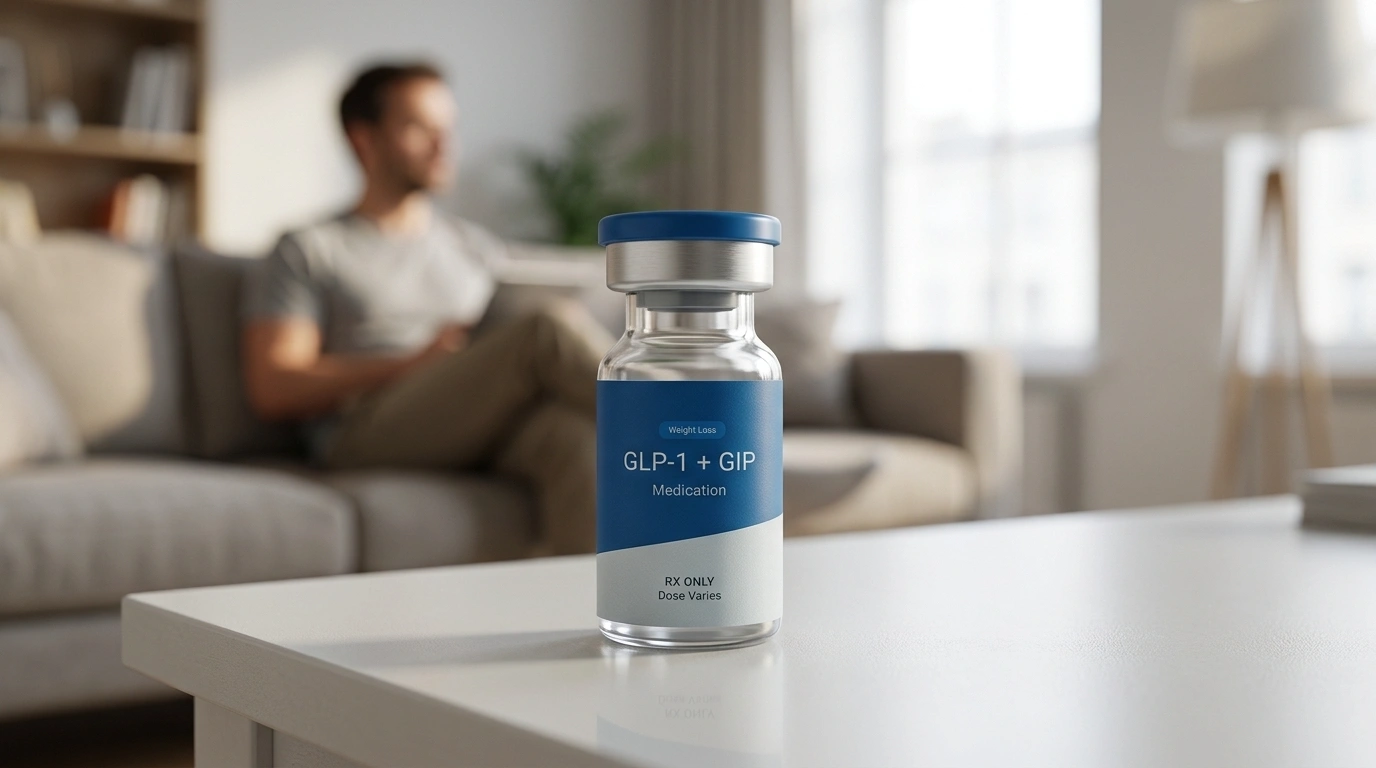
Starting a new weight loss journey often brings a mix of excitement and technical questions. If you have been prescribed Zepbound®, a tirzepatide-based medication, one of the first decisions you face is when to take your weekly dose. You might wonder if the time of day impacts how well the medication works or if it changes the intensity of side effects like nausea or fatigue. At TrimRx, we understand that these small details can significantly affect your comfort and long-term success. This article explores the pros and cons of morning versus evening injections, the science behind how the medication interacts with your body, and how to establish a routine that fits your lifestyle. Our goal is to help you feel confident in your treatment plan so you can focus on your health goals.
Quick Answer: There is no medically “superior” time to inject Zepbound®, as it remains effective for a full week regardless of the hour. However, many people prefer evening injections to sleep through potential early side effects, while others choose the morning to maintain a consistent weekend routine.
Does the Timing of Your Injection Matter?
When you begin a medication like Zepbound®, the primary goal is consistency. Because this is a once-weekly subcutaneous injection—meaning it is delivered into the fatty tissue just under the skin—the most important factor is that you receive the dose every seven days. The medication contains tirzepatide, which is a dual agonist. This means it mimics two natural hormones in your body: glucagon-like peptide-1 (GLP-1) and glucose-dependent insulinotropic polypeptide (GIP). Together, these hormones help regulate your appetite, slow down how quickly your stomach empties, and improve how your body processes sugar.
The “half-life” of tirzepatide is approximately five days. This means that after you inject the medication, it takes five days for the concentration in your blood to drop by half. Because the medication stays in your system for so long, the specific hour you choose for your injection does not change its weight-loss effectiveness. Whether you inject at 8:00 AM or 10:00 PM, the hormone-mimicking effects will be active throughout the week. The choice between morning and night is almost entirely based on your personal schedule and how your body responds to the initial dose. For more information, review this guide to the best time of day to inject Zepbound.
Injecting in the Morning: Pros and Cons
Choosing a morning time slot for your injection is a popular choice for those who are “habit stackers.” Habit stacking is a psychological technique where you attach a new habit to an existing one, such as taking your medication right after your Saturday morning coffee.
The Benefits of Morning Injections
For many, the morning offers the clearest mental space to remember a weekly task. Morning injections allow you to monitor your body’s reaction throughout the day. If you are someone who feels anxious about how a medication might affect you, taking it in the morning allows you to stay awake and observant. If you experience mild side effects, you can manage them in real-time with hydration or small, bland meals.
Another advantage is the association with a “fresh start.” Many individuals choose Friday or Saturday morning for their dose. This timing can help suppress the appetite just as the weekend begins, which is often a time when social events and large meals make it more difficult to stick to a nutritional plan.
The Potential Downsides
The main drawback of a morning injection is the “peak” window. Most people find that side effects like nausea or a headache tend to emerge 8 to 12 hours after the injection. If you inject at 9:00 AM, you might find yourself feeling unwell by dinner time. For those with a busy work schedule or childcare responsibilities, having side effects hit during the evening “rush hour” can be inconvenient. You can also review this tirzepatide side effects management guide for additional context.
Injecting at Night: Pros and Cons
Many healthcare providers and experienced patients suggest that an evening injection is the best way to mitigate early discomfort. This strategy is centered on the idea of “sleeping through” the initial rise of the medication in your bloodstream.
The Benefits of Evening Injections
Taking your injection before bed may allow you to bypass the most acute period of initial side effects. If you inject Zepbound® at 9:00 PM and go to sleep, the 8-to-12-hour window where nausea often peaks happens while you are unconscious. By the time you wake up the next morning, your body has had several hours to adjust to the new dose. For more discussion of nighttime dosing, read about taking Zepbound before bed.
For individuals who experience significant fatigue as a side effect, the nighttime approach is often a better fit. Since the medication can sometimes cause a “heavy” or tired feeling shortly after administration, allowing that sensation to coincide with your natural sleep cycle can prevent it from disrupting your workday.
The Potential Downsides
The primary risk of nighttime injections is forgetfulness. After a long day, it is easier to crawl into bed and forget the weekly dose. Furthermore, if you do experience a rare but more intense side effect—such as significant acid reflux—lying down immediately after an injection might exacerbate the discomfort. It is often recommended to wait at least 30 to 60 minutes after injecting before lying completely flat if you are prone to heartburn.
Comparing Morning and Evening Timing
| Feature | Morning Injection | Evening Injection |
|---|---|---|
| Primary Advantage | Routine consistency and “habit stacking.” | Sleeping through the peak side-effect window. |
| Side Effect Management | Can be managed with hydration during the day. | May reduce the sensation of nausea or fatigue. |
| Routine Fit | Best for those with stable morning rituals. | Best for those with demanding daytime schedules. |
| Potential Risk | Side effects may disrupt daily activities. | Easier to forget the dose when tired at night. |
The Science of Side Effects and Timing
To understand why timing matters to some people more than others, we have to look at how tirzepatide interacts with the digestive system. Because the medication slows gastric emptying (the speed at which food leaves your stomach), the “fullness” sensation is very physical.
Tirzepatide also interacts with the area postrema in the brain, which is the region responsible for the sensation of nausea. When the medication first enters the system and begins to bind to receptors, the brain may send signals of “sickness” until the body reaches a steady state. This is why the first 24 to 48 hours after an injection are typically the most challenging. For practical guidance, explore this overview of tirzepatide side effects and what to expect.
Key Takeaway: The best time to inject is the time that allows you to be most consistent. If side effects are your primary concern, an evening injection is often preferred to minimize the impact on your daily productivity.
Establishing Your Weekly Routine
Success with a program from TrimRx is built on more than just the medication itself; it is about building a lifestyle that supports your goals. Regardless of whether you choose morning or night, the day of the week you choose can be just as important.
Choosing the Right Day
- The Weekend Warrior: Many choose Friday or Saturday. This allows the strongest appetite suppression to be active during the weekend and ensures that if they feel unwell, they can rest at home rather than at the office.
- The Weekday Anchor: Some prefer Monday. This helps them stay focused during the work week and allows the medication levels to slightly taper off by the weekend, which some find helpful if they want to enjoy a slightly larger social meal on Sunday.
Step-by-Step: Preparing for Your Dose
Step 1: Check your medication. Ensure the liquid is clear and colorless to slightly yellow. Do not use it if it is cloudy or contains particles.
Step 2: Choose your site. You can inject into the stomach (at least two inches from the belly button), the thigh, or the back of the upper arm (if a caregiver is assisting).
Step 3: Clean the area. Use an alcohol swab to prep the skin and let it air dry.
Step 4: Administer and record. After the injection, note the time and date in a journal or app to ensure you stay on track for the following week. A GLP-1 medication progress tracking guide can help you organize those details.
Managing Side Effects Regardless of Timing
While timing can help, it is not a cure-all for side effects. Proper hydration and nutrition play a massive role in how you feel after your injection. Dehydration can mimic or worsen the headaches and fatigue sometimes associated with GLP-1 and GIP medications.
If you find that nausea is a recurring issue regardless of when you inject, consider your food intake before the dose. Avoid high-fat, fried, or very spicy foods on “injection day.” Because the medication slows digestion, these heavy foods can sit in the stomach longer, leading to significant bloating and discomfort.
At TrimRx, we recommend a proactive approach to wellness. For those who need extra support, we offer “GLP-1 Daily Support” and “Weight Loss Boost” supplements. These are designed to provide the body with essential nutrients that might be lacking when your appetite is significantly reduced. These quick-access supplements do not require a prescription and can be a helpful addition to your routine to keep your energy levels stable.
The Importance of Site Rotation
One detail often overlooked when discussing morning vs. night is where you inject. Rotating your injection site is critical to avoiding “lipodystrophy,” which is a localized breakdown or hardening of fatty tissue. If you always inject in the same spot every Tuesday night, the tissue can become scarred, which may eventually interfere with how well the medication is absorbed.
Important: Always rotate your site each week. You can stay in the same general area—like the stomach—but move the actual injection point at least an inch away from the previous week’s spot. Some patients report that injecting in the thigh results in fewer gastrointestinal side effects than injecting in the stomach, though this varies from person to person. For more guidance, review how to rotate Zepbound injection sites.
The Role of Personalized Telehealth
Every body is different. What works for one person’s schedule might not work for yours. This is why the personalized approach we facilitate is so important. Through the platform, you are not just receiving a prescription; you are gaining access to a system designed to support your specific health profile.
When you complete a free eligibility assessment, you provide information about your medical history, goals, and lifestyle. This allows licensed healthcare providers to determine if a GLP-1 or GIP medication is right for you. Whether you are prescribed Compounded Semaglutide, Compounded Tirzepatide, or a branded option like Zepbound® or Wegovy® (which you would fill at your local pharmacy), having a dedicated team to answer questions about timing and side effects is invaluable.
Bottom line: Your injection schedule should be a tool that serves your life, not a source of stress. Start with a time that seems logical for your routine, and do not be afraid to shift it by a few hours or a day if your body tells you a change is needed.
Preparing for Long-Term Success
Weight loss is a marathon, not a sprint. The question of whether to inject in the morning or at night is a sign that you are thinking critically about your treatment. This level of engagement is often a predictor of long-term success.
As you progress, you may find that your needs change. You might start with morning injections but find that as your dosage increases, you prefer the “sleep through it” method of evening injections. This flexibility is perfectly acceptable. If you need to change your injection day, you can do so as long as the last dose was given at least three days prior.
Summary of Best Practices
- Stay Hydrated: Drink plenty of water the day before and the day of your injection.
- Eat Light: Choose small, protein-rich meals on your injection day.
- Track Patterns: Keep a simple log for the first four weeks to see if nausea peaks at a specific time.
- Consult Experts: Use the 24/7 access to specialists provided through our platform to discuss any persistent concerns.
A Note on Compounded Medications
In some cases, a provider may determine that a compounded medication is the appropriate path for a patient. It is important to understand the distinction: Compounded Semaglutide and Compounded Tirzepatide are not FDA-approved. However, we partner with FDA-registered and inspected compounding pharmacies to ensure high standards of preparation and shipping. These medications contain the same active ingredients found in branded versions like Ozempic® or Mounjaro® and provide a vital alternative for many individuals on their weight loss journey.
Conclusion
The decision of whether to inject Zepbound® in the morning or at night ultimately comes down to your personal lifestyle and how your body reacts to the medication. Morning injections are excellent for those who value a strict routine and want to monitor their response throughout the day. Evening injections are often the preferred choice for those looking to minimize the impact of early side effects like nausea and fatigue.
At TrimRx, we believe that sustainable weight loss is achieved through a combination of science, empathy, and personalized care. We are here to guide you through every step of this process, from the initial consultation to the daily management of your health. By choosing a timing strategy that works for you and utilizing the support of a dedicated clinical team, you are setting yourself up for a healthier, more vibrant future.
Next Steps:
- Reflect on your daily energy levels and identify when you are most consistent with your health habits.
- If you have not yet started your journey, take the free assessment quiz to see which personalized program is right for your health profile.
- Consider adding supportive nutrients like our GLP-1 Daily Support to help maintain your wellbeing throughout the week.
FAQ
Can I switch from morning to night injections if I change my mind?
Yes, you can adjust the time of day you take your injection. Since the medication is only taken once a week, shifting the time by several hours on your scheduled day will not negatively impact your progress or safety.
What should I do if I forget my injection at my usual time?
If you forget your dose, you can take it as soon as you remember, provided the next scheduled dose is at least three days (72 hours) away. If your next dose is sooner than that, skip the missed dose and resume your normal schedule the following week. If you are still deciding whether treatment is right for you, see if you qualify for a personalized program.
Does taking the injection on an empty stomach make side effects worse?
Some people find that having a small, protein-focused snack before an injection helps settle the stomach, while others prefer to inject on an empty stomach to avoid any immediate heaviness. It is best to experiment and see which method your digestive system prefers.
Will the medication work faster if I inject it in the morning?
The time of day does not change the speed at which Zepbound® begins to aid in weight loss. The medication builds up in your system over several weeks, and its long-term effects on appetite and metabolism are consistent regardless of the hour it is administered. For additional guidance, read about how to optimize your Zepbound schedule.
Disclaimer: This content is for informational purposes only and does not constitute medical advice. It is not intended to diagnose, treat, cure, or prevent any disease or condition. Individual results may vary. Always consult a qualified healthcare professional before starting any weight loss program or medication.

Transforming Lives, One Step at a Time
Keep reading

Kids’ Birthday Party on Zepbound
If you have young children, birthday parties are a regular part of life: your own child’s, and the steady stream of classmates’ parties most…
Water Aerobics on Zepbound
For people with painful knees, hips, or backs, water aerobics and pool exercise are often the first kind of exercise that feels possible. The…

New Year’s Eve on Zepbound
New Year’s Eve is built around staying up late. There is usually a big dinner or a party spread, drinks through the evening, champagne…


