Can You Take Zepbound Before Bed? Timing Your Dose for Success
Introduction
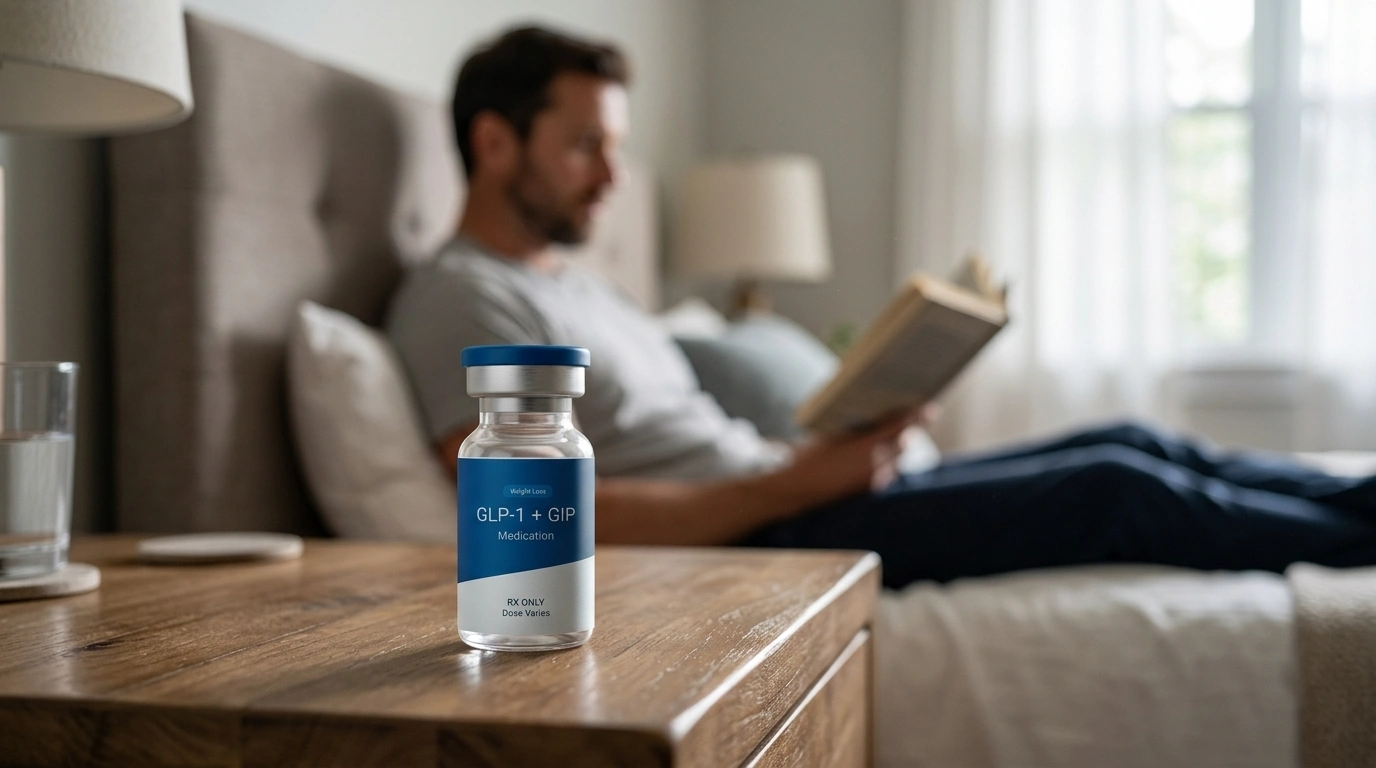
Starting a weight loss journey often involves more than just changing what you eat; it involves adjusting your entire weekly routine to accommodate new medications. If you have been prescribed Zepbound® (tirzepatide), you likely have questions about how to fit the once-weekly injection into your life. One of the most common questions we hear is: “Can you take Zepbound before bed?” Many people hope that by timing their dose for the evening, they can sleep through initial side effects like nausea or fatigue.
At TrimRx, we believe that understanding the nuances of your medication timing is a vital part of a successful weight loss program. While the manufacturer guidelines offer flexibility, your personal biological response matters most. This article explores the pros and cons of nighttime administration, the science behind how the medication interacts with your sleep, and how to optimize your injection schedule for the best possible results. Our goal is to ensure you feel supported and informed as you navigate your path toward better metabolic health.
The Short Answer: Can You Take Zepbound® Before Bed?
Quick Answer: Yes, you can take Zepbound® before bed. The medication is designed to be taken once weekly, at any time of day, with or without food. However, while evening administration may help some people “sleep through” early side effects like nausea, others may find it leads to restlessness or mild insomnia.
Because Zepbound® is a long-acting medication, the exact hour of the day you choose to inject is less important than consistency and how the timing makes you feel. The active ingredient, tirzepatide, is a dual glucose-dependent insulinotropic polypeptide (GIP) and glucagon-like peptide-1 (GLP-1) receptor agonist. A receptor agonist is a type of drug that mimics a naturally occurring hormone in the body to produce a specific response. In this case, it helps regulate blood sugar, slows down how fast your stomach empties, and signals to your brain that you are full.
Understanding the Timing Guidelines
The official prescribing information for Zepbound® is quite flexible. Unlike some medications that require a specific morning window or must be taken on an empty stomach, tirzepatide does not have these restrictions. You can take your dose:
- At any time of the day.
- On any day of the week (as long as it has been at least 3 days since your last dose).
- With or without a meal.
This flexibility is helpful, but it can also lead to “decision paralysis.” Many individuals find themselves weighing the benefits of a morning dose versus an evening dose. The “best” time is ultimately the one that allows you to maintain your routine with the fewest disruptions to your quality of life.
For additional context on how tirzepatide works and how people access treatment, read this guide to how to get tirzepatide for weight loss.
Why People Consider Taking Zepbound® at Night
The primary motivation for taking a GLP-1 or GIP medication before bed is the management of side effects. For a significant portion of patients, the most intense side effects—such as nausea, headache, or a general feeling of malaise—occur in the hours immediately following the injection.
Sleeping Through Nausea
Nausea is the most frequently reported side effect of tirzepatide. By injecting right before sleep, many hope that the “peak” of this initial discomfort happens while they are unconscious. If you wake up feeling better than you would have if you took the shot at 10:00 AM, then a nighttime routine may be a great strategy for you.
Managing Daytime Fatigue
Some users report feeling a wave of tiredness or “brain fog” after their injection. Taking the dose before bed allows this lethargy to coincide with your natural sleep cycle, potentially preventing a slump during work or family time.
Convenience and Routine
For many, the evening is the quietest part of the day. There is less rushing than in the morning, making it easier to follow the proper injection steps, such as cleaning the skin and ensuring the medication has reached room temperature (which can make the injection itself more comfortable).
If you are considering tirzepatide and want to understand whether a personalized prescription program may be appropriate, complete a free eligibility assessment.
The Potential Downside: “Zepbound Insomnia”
While many people love the “sleep through it” strategy, others report a different experience: difficulty falling or staying asleep. While clinical trials did not list insomnia as a primary side effect, anecdotal evidence from many users suggests that the medication can sometimes interfere with rest.
Increased Metabolic Activity
Tirzepatide affects how your body processes energy. For some, this shift in metabolic activity can feel like a “surge” of energy or a slight increase in heart rate. If this occurs right after an injection, it can make winding down for the night more difficult.
Gastrointestinal Discomfort
Zepbound® works by slowing down gastric emptying, which is the process of food moving from your stomach into your small intestine. If you eat a meal and then inject the medication before bed, that food stays in your stomach much longer. This can lead to:
- Acid reflux or heartburn when lying flat.
- A feeling of being “overly full” or bloated.
- Stomach cramps that wake you up during the night.
Blood Sugar Fluctuations
Because tirzepatide influences insulin secretion, it can lead to shifts in blood sugar. While rare in people not taking other glucose-lowering medications, a dip in blood sugar (hypoglycemia) can cause the body to release adrenaline, which may lead to a sudden awakening, night sweats, or a racing heart.
Key Takeaway: If you find yourself tossing and turning after a nighttime dose, try shifting your injection to the morning. This allows the initial “peak” of the medication to happen while you are active and upright.
For a broader look at managing medication tolerance and dose-related discomfort, explore this article about staying on a lower tirzepatide dose.
How Zepbound® (Tirzepatide) Works in Your Body
To understand why timing matters, it helps to understand what happens after you click that injection pen. Tirzepatide is a unique molecule because it targets two different hormone receptors:
- GLP-1 (Glucagon-Like Peptide-1): This hormone is naturally released by your gut after you eat. It tells your brain you are full, slows down stomach emptying, and helps the pancreas release the right amount of insulin.
- GIP (Glucose-Dependent Insulinotropic Polypeptide): This hormone also aids in insulin secretion but has additional effects on how the body stores and breaks down fat. It may also help reduce the nausea often associated with GLP-1 medications.
When you inject Zepbound®, the concentration of the drug in your blood doesn’t peak instantly. It typically takes about 8 to 24 hours for the medication to reach its highest concentration in your system. This is why many people don’t feel side effects immediately, but rather the morning after a nighttime dose or the evening after a morning dose.
To review the medication’s dual-hormone mechanism in more detail, read this guide to compounded tirzepatide and how it works.
Comparing Injection Times: Morning vs. Evening
There is no “right” answer, but there are patterns that many people follow.
| Timing | Potential Benefits | Potential Drawbacks |
|---|---|---|
| Morning | Allows you to monitor side effects while awake; less risk of acid reflux while lying down. | May cause daytime nausea or fatigue that interferes with work. |
| Afternoon | A middle-ground approach; allows for a light lunch before the dose. | Side effects may hit right during dinner or evening activities. |
| Evening | Potential to “sleep through” the first few hours of nausea or headache. | May cause insomnia or reflux; could lead to waking up feeling sick. |
Tips for a Successful Nighttime Injection
If you decide that taking Zepbound® before bed is the best fit for your lifestyle, follow these steps to minimize discomfort and maximize your rest.
Step 1: Monitor Your Final Meal
Avoid eating a large, heavy, or high-fat meal in the hours before your injection. Since the medication slows digestion, a heavy meal sitting in your stomach can cause significant discomfort when you lie down. Aim for something light and easily digestible, like a small portion of lean protein and steamed vegetables.
Step 2: Focus on Hydration
Dehydration is a leading cause of the “GLP-1 headache.” Ensure you have been drinking water consistently throughout the day. However, try to finish your major water intake an hour or two before bed so you aren’t waking up to use the bathroom.
Step 3: Use Proper Injection Technique
Allow the pen to sit out of the refrigerator for about 30 minutes to reach room temperature (but keep it out of direct sunlight). Cold medication can sometimes sting more upon injection. Rotate your injection site each week—the thigh, abdomen, or back of the arm are common choices. Some patients report that injecting in the thigh results in fewer GI side effects than injecting in the stomach.
Step 4: Prepare for Reflux
If you are prone to heartburn, consider propping yourself up with an extra pillow for the first night after your injection. Staying slightly elevated can help prevent stomach acid from traveling back up the esophagus.
Managing Common Side Effects
Regardless of when you take your dose, you may encounter some standard side effects. Most of these are mild to moderate and tend to decrease as your body adjusts to the medication over several weeks.
Nausea
If you wake up feeling nauseous after a nighttime dose, try nibbling on something bland like a cracker or a piece of ginger candy. Sipping ice-cold water or peppermint tea can also help soothe the stomach.
Fatigue
If the medication makes you feel tired the next day, try to plan your injection for a Friday or Saturday night. This gives you the weekend to rest and recover without the pressure of a workday schedule.
Diarrhea or Constipation
Changes in bowel habits are common because the medication changes how quickly food moves through your system. Maintaining high fiber intake and staying hydrated are the best defenses. If these symptoms become severe, it is important to contact a healthcare provider.
Note: While many side effects are manageable, you should seek medical attention if you experience severe abdominal pain, persistent vomiting, or signs of an allergic reaction like swelling or difficulty breathing.
For more information about accessing treatment with personalized guidance, see whether you qualify for a prescription weight loss program.
The Importance of a Personalized Program
At TrimRx, we recognize that no two weight loss journeys are identical. What works for one person might not work for you, and that is okay. Our platform connects you with licensed providers who can help you navigate these specific questions about timing and side effects. When you are part of a personalized program, you aren’t just getting a prescription; you are getting a dedicated team to help you optimize every aspect of your treatment.
Whether you are using Zepbound®, Wegovy®, or compounded options like Compounded Semaglutide or Compounded Tirzepatide, having professional guidance is essential. Our mission is to provide you with the tools and medical oversight necessary to achieve sustainable weight loss through a telehealth-first approach. This means no waiting rooms and no stressful in-person visits—just science-backed support from the comfort of your home.
Lifestyle Adjustments to Support Your Medication
Taking your medication at the “right” time is only one piece of the puzzle. To see the best results from a GLP-1 or GIP treatment, it should be paired with intentional lifestyle choices.
- Prioritize Protein: As you lose weight, you want to maintain as much muscle mass as possible. Aim for lean protein sources at every meal.
- Move Your Body: You don’t need to run a marathon, but regular physical activity—like a brisk 30-minute walk—can help improve insulin sensitivity and boost the effects of your medication.
- Focus on Sleep Hygiene: Since weight loss and medications can sometimes disrupt sleep, double down on your sleep habits. Keep your bedroom cool and dark, and avoid screens for 60 minutes before bed.
- Support Your Gut: For many, supplemental support can make the transition easier. Products like GLP-1 Daily Support are designed to help provide the nutrients your body needs while your appetite is suppressed.
For additional metabolic support alongside a weight loss routine, consider the Weight Loss Boost supplement.
When to Change Your Injection Schedule
If you started by taking your dose before bed and find that you are consistently waking up feeling unwell or unable to sleep, it might be time to move your injection.
You can change the day of the week you take your dose as long as the time between the two doses is at least 3 days (72 hours). For example, if you usually take it Sunday night but want to move to Monday morning, you can simply wait until Monday morning to take your next dose. If you need to make a more significant shift, it is always best to consult with your provider through the TrimRx platform to ensure you are staying on track safely.
Final Thoughts on Timing and Success
There is no clinical evidence that taking Zepbound® at a specific time of day makes it more or less effective for weight loss. The medication works by building up a steady state in your system over time. The “best” time is the one that minimizes your side effects and allows you to stay consistent with your weekly doses.
If taking your shot before bed helps you manage nausea and fits your evening wind-down routine, it is a perfectly valid choice. If it causes you to lose sleep or suffer from nighttime reflux, moving it to the morning or afternoon may be the simple fix you need.
Bottom line: Listen to your body. Keep a simple log of when you take your dose and how you feel over the next 24 to 48 hours. This data will help you and your healthcare provider fine-tune your schedule for the best results.
How to Get Started
If you are ready to explore whether a GLP-1 medication is right for your health goals, the first step is easy. You can take the free assessment quiz to provide your health history and goals. From there, we connect you with a licensed provider who can determine the best course of action for your personalized program.
For those who are already on their journey and looking for extra support, our quick-access supplements like Weight Loss Boost or GLP-1 Daily Support are available for immediate purchase to help you optimize your metabolic health.
At TrimRx, we are committed to being your partner in this process. We merge clinical expertise with modern technology to deliver a supportive, transparent experience that helps you embrace a healthier lifestyle.
FAQ
Does it matter if I take Zepbound® on an empty stomach?
No, you can take Zepbound® with or without food. Because it is an injectable medication that enters your bloodstream via the subcutaneous fat, the presence of food in your stomach does not affect how the drug is absorbed. However, some people find that taking it with a very small, light snack helps prevent initial nausea.
What should I do if I forget to take my dose before bed?
If you miss your scheduled dose, you should take it as soon as you remember within 4 days (96 hours) of the missed dose. If more than 4 days have passed, skip the missed dose and take your next dose on the regularly scheduled day. Do not take two doses at the same time to make up for a missed one.
Can I take Zepbound® in the morning if I usually take it at night?
Yes, you can shift your timing. As long as it has been at least 3 days since your last injection, you can move your dose from the evening to the morning. Many people do this if they find that evening doses are causing insomnia or acid reflux during the night.
If you need help determining whether prescription treatment is appropriate for you, complete the free assessment.
Will taking Zepbound® at night help me lose weight faster?
No, the timing of the dose does not impact the rate of weight loss. The medication works by maintaining a consistent level in your body throughout the week. The most important factor for weight loss success is staying consistent with your weekly injections and following a healthy diet and exercise plan.
Disclaimer: This content is for informational purposes only and does not constitute medical advice. It is not intended to diagnose, treat, cure, or prevent any disease or condition. Individual results may vary. Always consult a qualified healthcare professional before starting any weight loss program or medication.

Transforming Lives, One Step at a Time
Keep reading

Why Is There a Bruise Where I Injected My Zepbound?
A bruise means a small blood vessel was disturbed under the skin and blood spread into the surrounding tissue. It is one of the…

My Zepbound Pen Won’t Click Past a Certain Dose
Start by checking which device you are holding, because the answer depends entirely on that. Zepbound has commonly been supplied in the United States…
Zepbound Alternatives: Your Options Compared
If Zepbound isn’t the right fit, the main alternative is semaglutide (sold as Wegovy), which produces slightly less weight loss but works similarly, along…


