Should I Take My Mounjaro If I Have COVID? What You Need to Know
Introduction
Waking up with a scratchy throat and a positive test result is stressful enough without having to worry about your medication schedule. If you are currently using Mounjaro® for weight management or blood sugar control, you might be wondering if you should proceed with your next injection or wait until you feel better. If you’re considering a new treatment path, take the free assessment quiz to see whether a personalized program may be a fit for you. Navigating a viral illness while on a personalized weight loss program requires a careful balance between maintaining your progress and allowing your body to recover. At TrimRx, we believe that understanding how your medication interacts with your body during an illness is essential for your long-term success and safety. This article will explain the risks of dehydration, blood sugar fluctuations, and medication interactions you should consider when deciding whether to take your dose while sick.
Understanding How Mounjaro Works During Illness
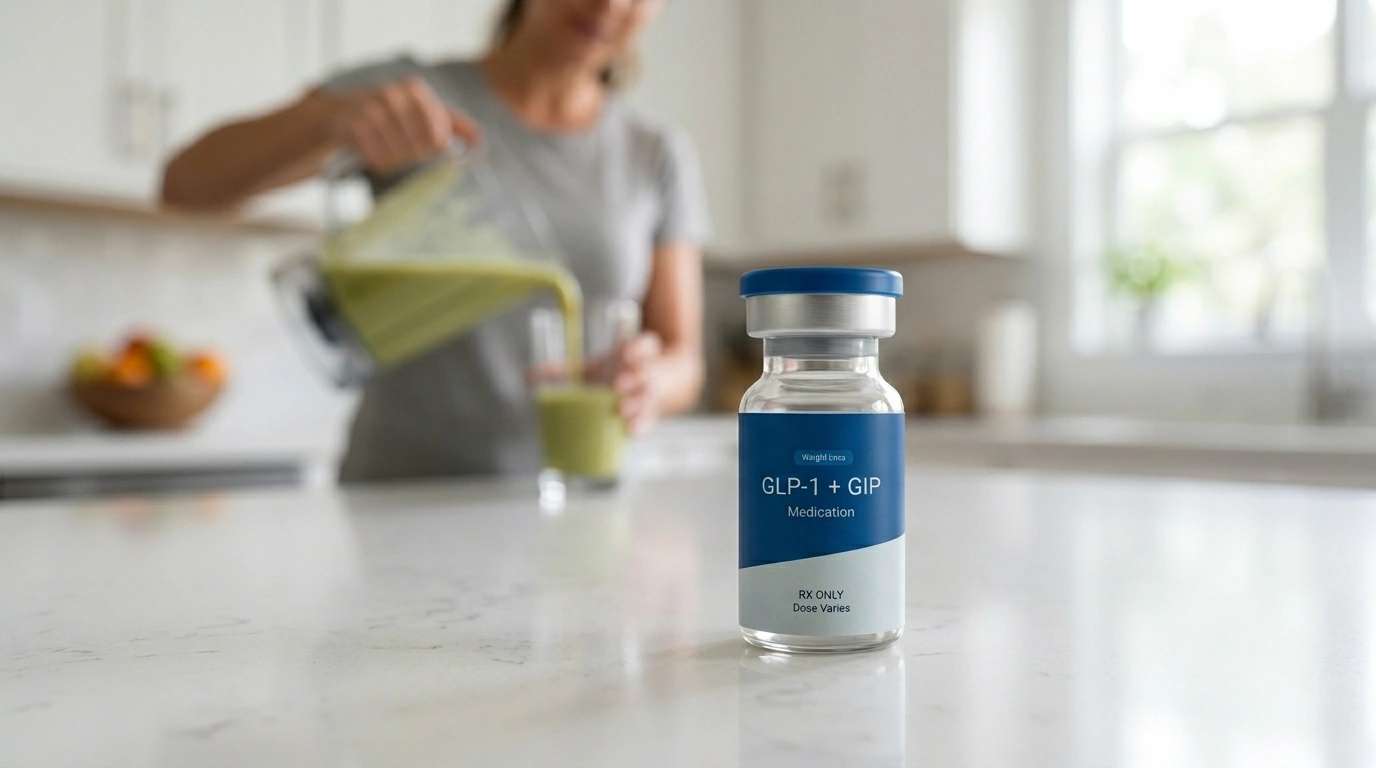
To make an informed decision, it is helpful to understand what Mounjaro® does in the body. This medication is known as tirzepatide, a dual-acting receptor agonist. A receptor agonist is a type of drug that mimics natural hormones in the body to produce a specific response. Tirzepatide mimics two hormones: glucagon-like peptide-1 (GLP-1) and glucose-dependent insulinotropic polypeptide (GIP).
These hormones work together to slow down the speed at which your stomach empties and signal to your brain that you are full. While these effects are excellent for weight loss and blood sugar management, they can complicate things when you have a viral infection like COVID-19. If you want a deeper breakdown of the medication itself, our tirzepatide and COVID-19 guide covers the illness-specific considerations in more detail. When you are sick, your body’s nutritional and hydration needs change significantly. Understanding these shifts is the first step in deciding how to manage your medication.
The Primary Concern: Dehydration and Digestion
The most significant risk of taking a GLP-1 or GIP medication while you have COVID-19 is dehydration. COVID-19 often causes symptoms like fever, sweating, and sometimes vomiting or diarrhea. These symptoms naturally lead to fluid loss. Because Mounjaro® slows down gastric emptying, it can be harder to catch up on fluids if you become dehydrated.
For a deeper look at why hydration matters so much on tirzepatide, this hydration guide explains how fluid intake affects side effects and recovery. Furthermore, common side effects of tirzepatide include nausea and a decreased appetite. If you add these to the typical malaise and nausea associated with a viral infection, you may find it nearly impossible to consume enough water or electrolytes.
Quick Answer: Most healthcare providers recommend exercising caution or potentially pausing your dose if you are experiencing active vomiting, diarrhea, or a high fever. Dehydration can lead to more serious complications, including kidney strain, which is why maintaining fluid intake is the highest priority during recovery.
Signs of Dehydration to Watch For:
- Extreme thirst or a very dry mouth.
- Infrequent urination or dark-colored urine.
- Dizziness or lightheadedness when standing up.
- Fatigue that feels significantly worse than standard flu symptoms.
If you cannot keep liquids down, you should contact a healthcare professional immediately rather than taking your scheduled medication.
Blood Sugar Fluctuations and the Stress Response
When your body fights an infection, it enters a “stress state.” This triggers the release of hormones like cortisol and adrenaline, which can cause your blood sugar levels to rise, even if you are not eating much. This is known as hyperglycemia.
Conversely, because Mounjaro® is highly effective at lowering blood sugar, there is a risk of hypoglycemia if you are not eating enough during your illness. For a broader look at how these medications affect appetite, digestion, and recovery, our GLP-1 side effects guide is a helpful companion read. If you are taking the medication for type 2 diabetes, this balance is even more delicate.
Managing the Balance
For an individual with a BMI over 30 who is using this medication for weight loss, the risk of severe hypoglycemia is generally lower than for someone with diabetes, but it is not zero. If you are feeling shaky, sweaty, or confused, these may be signs that your blood sugar has dropped too low because you aren’t consuming enough calories to support the medication’s effects.
Key Takeaway: Viral infections cause unpredictable blood sugar changes. Continuing your medication while you are unable to eat regular meals increases the risk of your blood sugar dropping to unsafe levels.
Interactions Between COVID-19 Treatments and Mounjaro
If your doctor prescribes medication to treat your COVID-19 symptoms, you must check for potential interactions. One common treatment is Paxlovid® (a combination of nirmatrelvir and ritonavir). Some clinical data suggests that Paxlovid® may slightly alter the effectiveness of other medications.
More importantly, because Mounjaro® slows down your digestion, it can change how quickly your body absorbs oral medications. If you are taking oral antiviral pills or even over-the-counter fever reducers like acetaminophen, they may take longer to start working because they are sitting in your stomach for an extended period. If you’re comparing broader medication considerations, our Mounjaro and program considerations article is a useful place to start.
Should You Pause Your Dose?
The decision to pause a dose is one that should ideally be made in consultation with a licensed healthcare provider. However, many clinical protocols suggest that skipping a single dose during the acute phase of a viral illness is unlikely to derail your long-term weight loss progress.
When Pausing May Be Appropriate:
- You are experiencing significant gastrointestinal distress (vomiting or diarrhea).
- You have a high fever and are struggling to stay hydrated.
- You have a very low appetite and cannot eat even small, nutrient-dense snacks.
- You are taking other oral medications that need to be absorbed quickly.
When Continuing Might Be Okay:
- Your COVID-19 symptoms are very mild (e.g., just a runny nose or mild cough).
- You are still able to drink plenty of fluids and eat small meals.
- You are not experiencing any nausea or digestive side effects from your medication.
Note: If you do decide to skip a dose, do not “double up” the following week. Simply resume your regular schedule once you are feeling better and can tolerate food and water. If you miss more than two consecutive doses, consult your provider, as they may suggest restarting at a lower dosage to prevent side effects.
Practical Steps for Managing Your Health While Sick
If you and your provider decide that you should continue your treatment, or if you are simply waiting for your next dose while recovering, there are several ways to support your body.
Prioritize Electrolytes
Plain water is important, but when you are sick, you also lose salts and minerals. Opt for electrolyte-rich drinks or broths. This is especially important because tirzepatide can already affect your fluid balance.
Small, Frequent Sips and Bites
Do not try to eat large meals. Focus on small amounts of protein or simple carbohydrates every few hours. This helps keep your blood sugar stable and provides the energy your immune system needs to fight the virus.
Monitor Your Temperature and Heart Rate
Infection increases your heart rate, and so can some GLP-1 medications. If you notice your heart is racing significantly while you are resting, it is a sign that your body is under stress and you may need more fluids.
Use Telehealth Support
One of the advantages of modern weight loss programs is the ability to reach out to specialists without leaving your bed. If you want nutritional help while your appetite is suppressed, GLP-1 Daily Support is designed to provide support alongside your GLP-1 treatment. If you are unsure about your symptoms, a quick message to our specialists can provide the clarity you need.
The Role of Personalized Programs in Illness Management
Standard “one-size-fits-all” weight loss plans often fail because they don’t account for the realities of life, such as getting sick. We focus on a personalized approach that adapts to your health profile. This includes adjusting your program when unexpected health events like COVID-19 occur.
Our programs provide access to compounded medications prepared in FDA-registered, inspected compounding pharmacies. These medications, such as Compounded Tirzepatide, allow for a flexible approach to weight management. While these compounded versions are not FDA-approved like the branded Mounjaro® or Zepbound®, they are created with the same clinical goals in mind: supporting metabolic health and sustainable weight loss. If you are ready to see whether a prescription program fits your needs, complete the free assessment quiz to get started.
When to Restart Your Medication
You should generally wait until your “acute” symptoms have passed before taking your next injection. This means your fever should be gone and you should be able to eat and drink normally for at least 24 to 48 hours.
Starting your medication too early while your stomach is still sensitive from the virus could lead to an increase in side effects. Nausea is the most common complaint when people resume their dose too quickly after a stomach bug or viral infection.
Bottom line: Your body needs energy and hydration to recover from COVID-19. If your medication is making it difficult to meet those basic needs, it is usually safer to wait a few days until you are on the mend.
How TrimRx Can Help
At TrimRx, we understand that weight loss is not a linear journey. There will be weeks where you feel great and weeks where you face challenges like illness. Our mission is to provide the clinical expertise and support you need to navigate these hurdles without losing sight of your goals.
We offer a comprehensive service model that includes doctor consultations and lab work, all through a convenient telehealth platform. Whether you are curious about starting a program or need guidance on managing your current treatment during a bout of COVID-19, our team is here to guide you with empathy and science-backed advice.
If you are looking for additional support during your recovery or want to optimize your metabolic health once you are well, Weight Loss Boost is designed to support energy and metabolism during your weight loss journey.
Conclusion
Deciding whether to take Mounjaro® while you have COVID-19 requires a “safety first” mindset. While consistency is important for weight loss, your immediate recovery from the virus is the priority. Dehydration and blood sugar management are the two most critical factors to monitor. If you are struggling to stay hydrated or cannot eat, pausing your dose is often the most prudent choice.
Our approach at TrimRx is rooted in the belief that weight loss should be supervised, personalized, and transparent. We are committed to helping you achieve a healthier lifestyle through a program that respects your body’s needs during both health and illness.
- Prioritize hydration above all else.
- Consult your healthcare provider before making changes to your prescription schedule.
- Listen to your body—if you feel too sick to eat, you are likely too sick for a GLP-1 dose.
- Resume your routine only when you can consistently tolerate food and fluids.
If you are ready to take the next step in your health journey, see if you qualify for a personalized program with a free assessment.
FAQ
Can I skip one week of Mounjaro if I have COVID-19?
Yes, skipping one week is generally considered safe and will not significantly impact your long-term weight loss goals. Most providers suggest waiting until your symptoms improve to avoid severe dehydration or nausea. Always confirm this with your healthcare professional to ensure it aligns with your specific health needs.
Does Mounjaro make COVID-19 symptoms worse?
While the medication doesn’t make the virus stronger, its side effects can overlap with COVID-19 symptoms. For example, both can cause nausea and fatigue, which might make you feel more uncomfortable. The primary risk is that the medication’s appetite-suppressing effects could lead to dehydration while your body is fighting the infection. If you want a broader overview of side effects, this GLP-1 side effects guide is a useful reference.
Will COVID-19 interfere with my weight loss progress on tirzepatide?
A temporary pause in medication usually does not cause significant weight regain. While you might see a small fluctuation due to changes in hydration and activity levels, your progress should resume once you are healthy and back on your schedule. Focus on resting and recovering so you can return to your program with full energy.
Can I take Paxlovid while on Mounjaro?
There are no major known contraindications between the two, but Paxlovid® and Mounjaro® can both affect your digestive system. Additionally, because Mounjaro® slows stomach emptying, it could potentially delay how quickly Paxlovid® is absorbed. It is essential to tell the doctor prescribing your COVID-19 treatment that you are taking a GLP-1/GIP medication.
Disclaimer: This content is for informational purposes only and does not constitute medical advice. It is not intended to diagnose, treat, cure, or prevent any disease or condition. Individual results may vary. Always consult a qualified healthcare professional before starting any weight loss program or medication.

Transforming Lives, One Step at a Time
Keep reading

Mounjaro Alternatives: What Else to Consider
If Mounjaro isn’t the right fit, the closest alternatives are other GLP-1 medications, chiefly semaglutide (Ozempic for diabetes, Wegovy for weight), along with a…

Mounjaro vs Zepbound: Same Drug, Two Brands
Like their semaglutide counterparts, Mounjaro and Zepbound are the same medication (tirzepatide) sold under two names for two purposes: Mounjaro is approved for type…

Retatrutide vs Mounjaro: Triple Agonist vs Dual Agonist
The core difference between retatrutide and Mounjaro comes down to how many hormone targets each hits: retatrutide activates three receptors, while Mounjaro (tirzepatide) activates…


