Should You Drink Alcohol While Taking Ozempic?
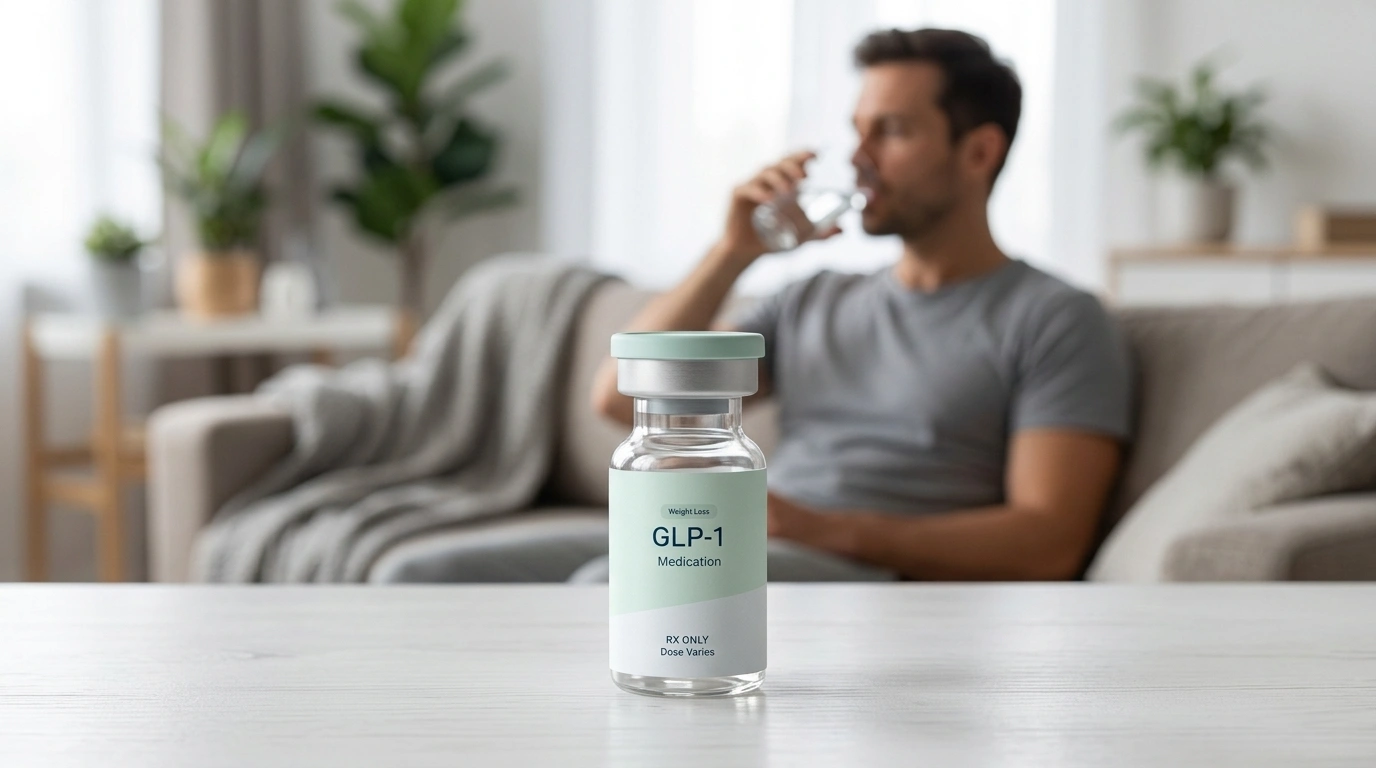
Introduction
Standing at a social gathering with a glass of sparkling water while everyone else enjoys a cocktail can feel isolating. If you have recently started a medical weight loss journey, you are likely navigating many new “rules” about what you eat and drink. One of the most frequent questions we encounter is whether it is safe to consume alcohol while using GLP-1 medications. You want to enjoy your life and celebrate milestones, but you also want to protect your health and ensure your medication is working as intended.
At TrimRx, we believe that understanding the “why” behind medical guidance is the most effective way to achieve sustainable results. While there is no direct chemical “clash” between alcohol and semaglutide—the active ingredient in Ozempic®—the way they both interact with your metabolism can lead to significant discomfort or even health risks. If you’re ready to see whether a personalized program may be a fit, take the free assessment quiz. This post explores how alcohol affects your body during treatment, the impact on your weight loss goals, and how to navigate social settings safely. Knowing the facts allows you to make informed decisions that support your long-term wellness.
Is There a Direct Interaction Between Ozempic and Alcohol?
Quick Answer: There is no known direct drug-to-drug interaction between Ozempic® and alcohol. However, alcohol can significantly worsen the medication’s side effects and complicate blood sugar management, leading many healthcare providers to recommend extreme moderation or total avoidance.
When we talk about drug interactions, we usually mean that one substance changes the way another substance works in the liver or the bloodstream. In the case of Ozempic® (a branded semaglutide medication), there is no evidence that alcohol makes the medication less chemically stable or that the medication changes how the body metabolizes ethanol. However, “safety” is about more than just a direct chemical reaction. If you’re wondering whether semaglutide is the right option for your goals, complete the free assessment quiz.
The real concern lies in how both substances affect your physiological systems. Semaglutide is a GLP-1 (glucagon-like peptide-1) receptor agonist. This means it mimics a natural hormone in your body that tells your brain you are full and tells your stomach to slow down. Alcohol is a central nervous system depressant that is processed by the liver. Even though they do not fight each other directly for space in your system, they can create a “perfect storm” of side effects that make you feel quite ill.
The Role of Gastric Emptying
One of the primary ways GLP-1 medications work is by slowing down gastric emptying. This is the process by which food moves from your stomach into your small intestine. When this process slows down, you feel full for longer. Alcohol also irritates the lining of the stomach and can slow down digestion in its own right. When you combine the two, you may find that alcohol sits in your stomach for an extended period. This can lead to increased irritation, acid reflux, and a much higher likelihood of nausea.
Managing Digestive Side Effects and Alcohol
For many individuals, the most immediate reason to avoid alcohol while taking semaglutide is the risk of intensified gastrointestinal issues. GLP-1 medications are known for causing mild to moderate nausea, especially when you first start the program or increase your dosage. Alcohol is a known stomach irritant that increases gastric acid production.
Common overlapping side effects include:
- Nausea and Vomiting: Both substances can trigger these symptoms independently. Combined, the effect is often synergistic, meaning the total discomfort is greater than the sum of its parts.
- Heartburn and Reflux: Because the medication keeps contents in the stomach longer, the acidic nature of many alcoholic drinks (like wine or carbonated beer) can cause severe indigestion.
- Diarrhea or Constipation: Alcohol can disrupt the balance of the gut microbiome and affect transit time, potentially worsening the digestive changes caused by the medication.
If you are already experiencing “Ozempic face” or other physical changes, you are likely focused on looking and feeling your best. Adding a hangover that feels twice as intense because of your medication can quickly derail your motivation. Many patients report that their tolerance for alcohol drops significantly. You may find that one drink feels like three, and the subsequent “day after” symptoms are much harder to manage. Some people also use the GLP-1 Daily Support supplement when appetite changes make it harder to stay on top of nutrition.
Key Takeaway: Alcohol and GLP-1 medications both stress the digestive system. Combining them often leads to heightened nausea and a significantly lower tolerance for alcohol.
For added energy or metabolic support during weight loss, some individuals also use the Weight Loss Boost supplement.
The Impact on Blood Sugar Levels
Whether you are taking Ozempic® for type 2 diabetes or using a compounded semaglutide through a personalized program for weight loss, blood sugar management is a central part of how the medication functions. Semaglutide stimulates the pancreas to release insulin when blood sugar is high and suppresses the liver from releasing too much stored sugar (glucose).
Alcohol adds a layer of complexity to this biological balancing act. When you drink, your liver prioritizes breaking down the alcohol, which it views as a toxin, over its other jobs. One of those jobs is “gluconeogenesis”—the process of creating and releasing glucose to keep your blood sugar stable.
The Risk of Hypoglycemia
Hypoglycemia, or dangerously low blood sugar, is a serious risk when combining GLP-1s and alcohol. Because the medication is already working to lower your blood sugar and your liver is too busy processing alcohol to release more glucose, your levels can drop too far.
Signs of low blood sugar to watch for include:
- Dizziness or lightheadedness
- Confusion or difficulty concentrating
- Shakiness or tremors
- Excessive sweating or chills
- Rapid heartbeat
A major danger here is that the symptoms of hypoglycemia often look exactly like the symptoms of being intoxicated. If you are at a bar or party, you or your friends might assume you’ve just had one too many drinks, when in reality, your body is in a state of medical emergency. If you have type 2 diabetes, this risk is significantly higher, and you should always consult your healthcare provider before consuming any alcohol. If you’re not already in a program, take the free assessment quiz.
Alcohol and Your Weight Loss Progress
Many people choose TrimRx because they are ready to see real, sustainable changes in their body composition. While one drink won’t “cancel out” your progress, regular alcohol consumption can act as a significant barrier to your goals.
Empty Calories and Liquid Sugar
Alcoholic beverages are often “hidden” sources of high caloric intake. A single craft beer or a sweetened cocktail can contain as many calories as a small meal but provides zero nutritional value. Since GLP-1 medications work by helping you feel full on less food, your “calorie budget” becomes more precious. Every calorie you consume should ideally contribute to your protein, fiber, or vitamin needs to prevent muscle loss and maintain energy.
Metabolism and Fat Burning
When alcohol is in your system, your body stops burning fat and sugar for energy and focuses entirely on burning the acetate produced from the alcohol. This effectively “pauses” your weight loss for several hours or even a full day. Furthermore, alcohol lowers inhibitions. You may find that after a glass of wine, you are much more likely to ignore your body’s fullness cues and reach for high-calorie, processed snacks that you would normally avoid.
Nutritional Support
Maintaining your health on a GLP-1 program requires paying close attention to hydration and nutrients. Alcohol is a diuretic, meaning it flushes water out of your system. Dehydration can exacerbate side effects like headaches and fatigue. To combat this, some individuals utilize targeted supplements like our GLP-1 Daily Support supplement to ensure their body has the micronutrients it needs during a calorie-restricted phase.
Serious Health Considerations: Pancreatitis and Kidney Function
While the most common issues are digestive discomfort and slowed weight loss, there are more serious clinical concerns that require a cautious approach.
Pancreatitis Risk
Pancreatitis is the inflammation of the pancreas, a painful and potentially life-threatening condition. Clinical trials for GLP-1 medications like Ozempic® and Wegovy® have noted a rare but present risk of pancreatitis. Chronic or heavy alcohol use is one of the leading causes of pancreatitis. While there is no definitive study proving that moderate drinking on these medications causes the condition, the logic of “compounding risks” leads many doctors to suggest caution. If you have a history of pancreatitis, you should likely avoid alcohol entirely while on these medications.
Kidney Health and Dehydration
Both GLP-1 medications and alcohol can contribute to dehydration. Severe dehydration is a known risk factor for acute kidney injury. If you are experiencing vomiting or diarrhea as a side effect of your medication and then add the diuretic effect of alcohol, you are putting significant stress on your kidneys. Staying hydrated is not just a suggestion; it is a critical safety requirement for these programs.
Bottom line: While rare, the potential for serious complications like pancreatitis or kidney stress increases when alcohol is introduced to a GLP-1 treatment plan.
The “Ozempic Effect” on Alcohol Cravings
An unexpected but widely reported phenomenon among those taking semaglutide is a sudden lack of interest in alcohol. Many patients find that they no longer “crave” their nightly glass of wine or that the “buzz” from drinking is no longer pleasurable.
The Dopamine Connection
Researchers believe this happens because GLP-1 receptors are found not just in the gut, but also in the reward centers of the brain. Usually, when you drink alcohol, your brain releases dopamine—the “feel-good” chemical. This creates a cycle of craving and reward. GLP-1 medications appear to dampen this dopamine response.
If the “reward” is gone, the motivation to drink often follows. This is currently a major area of scientific study, with researchers looking into whether semaglutide or tirzepatide (found in Mounjaro® and Zepbound®) could be used to treat alcohol use disorder (AUD) in the future.
Changing Social Habits
For many, this reduced craving is a welcome side effect. It makes it easier to stick to a healthy lifestyle without feeling like you are constantly using “willpower” to say no. If you find yourself losing interest in drinking, embrace it as a helpful tool in your weight loss toolkit. If appetite changes are making nutrition harder to manage, the GLP-1 Daily Support supplement may be a helpful addition to your routine.
Practical Steps for Safer Consumption
If you decide that you would like to have an occasional drink while on your medication, it is important to do so with a clear strategy. You do not have to live a life of total restriction, but you do need to be mindful of how your body has changed.
Step 1: Consult Your Provider Always talk to the clinical team managing your program. They can look at your specific health history, current dosage, and blood work to give you a personalized recommendation. If you’re still deciding whether medical weight loss is right for you, take the free assessment quiz.
Step 2: Start Very Small If you choose to drink, start with half of a standard serving. See how you feel over the next hour before considering more. You will likely find that your tolerance is much lower than it was before you started the medication.
Step 3: Choose Your Beverages Wisely Avoid sugary mixers, heavy beers, and highly acidic wines. Opt for “cleaner” options like a spirit mixed with plain soda water and a twist of lime. This keeps the calorie count low and reduces the risk of acid reflux.
Step 4: Never Drink on an Empty Stomach Since alcohol can drop your blood sugar, always ensure you have eaten a protein-rich meal before having a drink. This slows the absorption of the alcohol and provides a buffer for your blood glucose levels.
Step 5: Prioritize Hydration For every alcoholic drink you have, consume at least 8 to 16 ounces of plain water. This helps counteract the diuretic effect and keeps your kidneys protected.
Myth: “I can just skip my dose of medication on the day I want to drink.” Fact: GLP-1 medications like Ozempic® have a long half-life, meaning they stay in your system for a week or longer. Skipping a single dose will not “clear” the medication from your body, but it will disrupt your treatment consistency and may lead to increased side effects when you restart.
Is a Personalized Program Right for You?
Every individual’s metabolic profile is unique. What works for one person may not be the best approach for another, especially when it comes to balancing lifestyle choices like alcohol consumption with medical treatment. This is why we focus on a telehealth-first model that prioritizes personalization.
Our programs provide access to medications prepared by FDA-registered, inspected compounding pharmacies. By working with a dedicated team, you can get the support you need to navigate these lifestyle questions without the stress of “going it alone.” Whether you are considering compounded semaglutide or branded options, complete the free assessment quiz, and having a clinical team just a message away is invaluable.
Conclusion
The question of whether you should drink alcohol while taking Ozempic® doesn’t have a simple “yes” or “no” answer for everyone, but the clinical leaning is toward caution. While you might be able to enjoy a rare drink, the potential for worsened nausea, dangerous blood sugar drops, and stalled weight loss progress makes a strong case for sobriety or strict moderation.
- Tolerance: You will likely feel the effects of alcohol much faster and more intensely.
- Side Effects: Nausea and reflux are frequently worsened by alcohol.
- Safety: Hypoglycemia is a real risk, especially for those with diabetes.
- Progress: Alcohol provides empty calories that can slow down your results.
At TrimRx, our mission is to help you embrace a healthier lifestyle through science and empathy. We provide the tools, the medications, and the specialist support needed to help you make these decisions with confidence. If you’re ready to start a program tailored to your life, take the free assessment quiz.
Key Takeaway: Listen to your body. If drinking makes you feel ill or stalls your progress, it may be time to rethink your relationship with alcohol as you prioritize your metabolic health.
FAQ
Can I have just one glass of wine while on Ozempic?
For most people, a single glass of wine is technically safe, but it may still trigger nausea or heartburn due to the way the medication slows digestion. It is best to wait until you are on a stable dose and have discussed it with your provider before trying even a small amount. If you want personalized guidance, take the free assessment quiz.
Does drinking alcohol stop the weight loss effects of semaglutide?
Alcohol does not stop the medication from working, but it can significantly slow your progress. Alcohol contains empty calories, can lead to poor food choices, and causes your body to prioritize burning alcohol over burning stored fat. If you want support while appetite is lower, the GLP-1 Daily Support supplement may help you stay on track with nutrition.
What should I do if I feel dizzy after drinking while on this medication?
Dizziness after drinking can be a sign of hypoglycemia (low blood sugar). You should immediately consume a source of fast-acting sugar, like fruit juice or glucose tablets, and contact a healthcare professional. Staying hydrated is also important, especially if alcohol has made you feel depleted.
Why do some people lose their taste for alcohol on GLP-1s?
The medication interacts with the brain’s reward system, specifically the areas that process dopamine. By dampening the “reward” or “buzz” associated with alcohol, the medication can naturally reduce the desire to drink. If you want extra energy or metabolic support during weight loss, the Weight Loss Boost supplement is designed for that stage of the journey.
Disclaimer: This content is for informational purposes only and does not constitute medical advice. It is not intended to diagnose, treat, cure, or prevent any disease or condition. Individual results may vary. Always consult a qualified healthcare professional before starting any weight loss program or medication.

Transforming Lives, One Step at a Time
Keep reading
I Took My Ozempic Two Days in a Row by Accident
Call for guidance now rather than waiting to see how you feel. In the United States, Poison Control is available free and around the…

Why Does My Ozempic Injection Sting More Some Weeks Than Others?
Because more variables change between injections than most people realize. Temperature of the medication, which site you used, how deep the needle went, how…

How to Store Your Ozempic Pen During a Power Outage
Keep the refrigerator door closed. An unopened refrigerator holds a safe temperature for roughly four hours, and a full freezer holds for considerably longer….


