Soup-Based Diets on GLP-1: Why Liquid Meals Can Help Early On
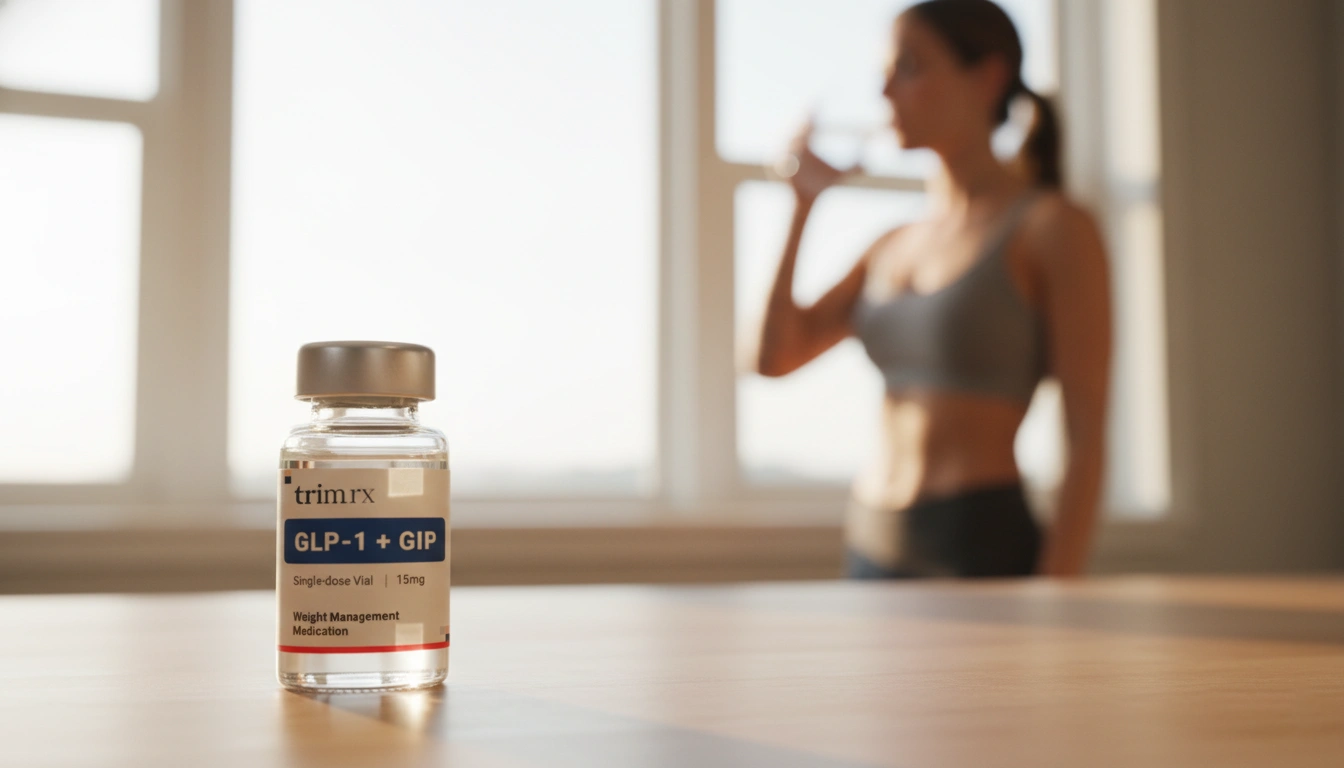
Starting a GLP-1 medication like semaglutide or tirzepatide is often described as a honeymoon period for weight loss. The appetite drops, the scale moves, and the process feels almost effortless compared to previous attempts. What doesn’t get talked about as much is how difficult eating can feel in those first weeks. Nausea, early fullness, food aversions, and a general sense that the body just doesn’t want much food can make getting adequate nutrition genuinely challenging.
Soup-based eating has emerged as one of the more practical strategies for navigating early GLP-1 treatment. The reasons aren’t complicated, and they’re grounded in how liquid and semi-liquid meals interact with the physiological changes these medications produce.
Why Liquid Meals Work Differently on GLP-1 Medications
GLP-1 medications slow gastric emptying, meaning solid food stays in the stomach longer than it would otherwise. For most meals, this is what produces sustained satiety. But when nausea is present, a stomach that holds food for an extended period can become part of the problem rather than the solution. Solid food sitting in a nauseated stomach is uncomfortable in a way that’s hard to push through, which is why many patients in the early weeks of treatment simply stop eating rather than forcing meals.
Liquid and semi-liquid foods move through the stomach more readily than solid foods. Broth-based soups in particular have a low viscosity that allows them to pass into the small intestine relatively quickly, reducing the prolonged stomach fullness that solid food creates. For a patient managing nausea on semaglutide, a cup of warm broth or a simple vegetable soup often feels genuinely manageable when the idea of a chicken breast and rice is overwhelming.
There’s also a warmth component that many patients report anecdotally. Warm liquids tend to be easier to tolerate during nausea than cold or room-temperature foods, which is why broth and soup specifically, rather than just any liquid meal, come up repeatedly in patient experiences with early GLP-1 treatment.
The Nutritional Case for Soup During GLP-1 Treatment
Beyond tolerability, well-constructed soups offer meaningful nutritional advantages during a phase when getting adequate micronutrients from a reduced food volume is genuinely difficult.
Cooking vegetables in broth extracts water-soluble vitamins and minerals into the liquid itself. When you eat a broth-based vegetable soup, you’re consuming not just the vegetables but the nutrients that have leached into the surrounding liquid during cooking. This makes soup a more nutritionally efficient vehicle for vegetables than raw salads or even roasted vegetables in some respects, particularly for water-soluble nutrients like potassium, folate, and certain B vitamins.
Bone broth specifically has attracted attention in the GLP-1 patient community for its collagen and gelatin content. While the research on bone broth’s specific health benefits is still developing, it does provide a meaningful amount of glycine, proline, and other amino acids alongside small amounts of calcium and phosphorus. As a base for more nutritionally complete soups, it’s a reasonable choice that adds more value than standard stock.
Protein-rich soups, particularly those built around legumes, lean meat, or tofu, can deliver substantial protein in a format that’s significantly easier to eat than solid protein sources when appetite is suppressed. A cup of lentil soup provides around 9 grams of protein alongside meaningful fiber and iron. A chicken and vegetable soup made with shredded chicken breast can easily deliver 20 to 25 grams of protein per serving in a format that most patients on GLP-1 medications can manage even on difficult days.
Where Soup-Based Eating Fits in GLP-1 Treatment
The value of soup-based eating is highest in two specific windows of GLP-1 treatment: the early adaptation phase and the period following each dose increase.
Early Treatment: Weeks One Through Four
The first four weeks on a GLP-1 medication are when nausea and food aversions are typically most pronounced. This is also when patients are most at risk of under-eating to the point where fatigue, muscle loss, and micronutrient depletion become concerns. Defaulting to soups and broth-based meals during this window gives the body adequate hydration, electrolytes, and at least partial nutrition without requiring the digestive effort that solid meals demand.
The goal during this phase isn’t to optimize every macro. It’s to eat enough to function, maintain energy for daily activity, and avoid the spiral of nausea leading to not eating leading to worse nausea that some patients fall into early in treatment. Soup provides a floor that most patients can stay above even on difficult days.
After Dose Increases
Each dose escalation on semaglutide or tirzepatide tends to temporarily intensify side effects as the body adjusts to a higher medication level. Patients who have been tolerating solid food well at a lower dose sometimes find themselves back in early-treatment territory after moving to a new dose. Having a soup-based eating strategy ready for these transitions, rather than trying to maintain a solid-food meal plan through a rough few days, makes the adjustment period significantly more manageable.
Building Soups That Support GLP-1 Treatment Goals
Not all soups serve GLP-1 treatment equally. Cream-based soups introduce high fat content that can compound the gastric slowing effect of the medication and trigger nausea in sensitive patients. Soups built primarily around starchy vegetables or noodles with minimal protein don’t address the primary nutritional challenge of reduced-calorie GLP-1 eating. And heavily salted canned soups, while convenient, deliver sodium in amounts that work against the blood pressure benefits GLP-1 medications often produce.
The soups that work best during GLP-1 treatment share a few characteristics: they’re broth-based rather than cream-based, they contain a meaningful protein source, they incorporate vegetables for micronutrient density, and they’re seasoned thoughtfully without relying on excessive sodium.
Protein-Forward Soup Bases
Shredded chicken breast in a clear broth is the simplest version of a protein-forward GLP-1 soup. Three ounces of shredded chicken in two cups of low-sodium chicken broth with carrots, celery, and spinach added at the end of cooking delivers 20 to 25 grams of protein in a format most patients can eat even when nausea is present. The vegetables soften enough in the broth to be easy to eat without requiring significant chewing effort.
Lentil soup is the plant-based equivalent. Red lentils in particular cook down to a smooth, almost pureed consistency that requires minimal chewing and delivers protein, iron, and fiber in a single dish. A two-cup serving of well-seasoned red lentil soup provides around 18 grams of protein and 10 grams of fiber alongside meaningful amounts of folate and potassium.
Consider this scenario: a patient two weeks into tirzepatide who has been struggling to eat more than a few bites of solid food at each meal. They switch to making a large batch of chicken vegetable soup on Sunday and eating it across the week, supplementing with Greek yogurt and protein shakes on days when even soup feels like too much. By the end of the week they’ve maintained adequate protein intake and avoided the fatigue and dizziness that was setting in during their first week when they were barely eating.
White bean and vegetable soup is another practical option, particularly for patients who find meat difficult to tolerate in the early weeks. Cannellini or navy beans cooked in vegetable broth with tomatoes, kale, and garlic provide plant-based protein, fiber, and a variety of micronutrients in a mild, easy-to-eat format.
Practical Soup Strategies for GLP-1 Patients
Batch cooking is more useful for soup than almost any other food during GLP-1 treatment. Making a large pot on a day when appetite and energy are reasonable means that on difficult days, a nutritious meal requires only reheating. The barrier to eating on low-appetite days is primarily motivational and logistical, not about preferences, and having ready-made soup in the refrigerator removes that barrier almost entirely.
Portion size awareness still matters with soup, even though liquid meals feel easier to manage. A cup of soup is a very different nutritional proposition than two and a half cups, and it’s easy to underestimate how much you’re eating (or not eating) when the format is liquid. Using a standard bowl and knowing roughly what it holds helps keep intake consistent.
Adding protein to existing soups is a practical shortcut for patients who don’t want to build soups from scratch. Stirring shredded rotisserie chicken into store-bought low-sodium vegetable soup, adding canned white beans to a tomato broth, or dropping a soft-boiled egg into miso broth are all ways to boost the protein content of an existing liquid meal without requiring significant cooking effort.
Blended soups deserve a specific mention for patients whose nausea is particularly severe or whose texture sensitivity is heightened during treatment. A blended butternut squash soup, a smooth tomato bisque made with low-fat milk rather than cream, or a pureed cauliflower soup with chicken broth can be easier to tolerate than chunky soups for patients at the most sensitive end of the tolerance spectrum. The trade-off is that blended soups don’t offer the same protein density as chunky soups with visible meat or legumes, so protein powder can be stirred in after blending if needed.
When to Move Beyond Soup-Based Eating
Soup is a transitional strategy, not a permanent dietary framework. As GLP-1 treatment progresses and the body adapts to the medication, most patients find their tolerance for solid food returns and their ability to eat a more varied diet improves significantly. The goal is to use soup-based eating to navigate the difficult early phase without sacrificing nutrition, not to remain exclusively on liquid meals indefinitely.
The signal that it’s time to transition back toward more solid food is usually appetite stabilization and reduced nausea, which for most patients happens somewhere between weeks four and twelve depending on the individual and the dose. Moving back to solid meals doesn’t mean abandoning soup entirely. A protein-rich soup as one of the day’s meals continues to be a nutritionally sound choice throughout treatment.
For related reading on navigating nutrition when appetite is significantly suppressed, the article on what to eat after your Ozempic injection to minimize nausea covers the specific post-injection window when food choices matter most. And for a broader look at how to plan meals around a reduced appetite, meal prep on Ozempic offers practical strategies for making food preparation sustainable during active weight loss.
If you’re considering starting a GLP-1 medication and want clinical support that includes guidance on managing early side effects, the TrimRx intake quiz is where to begin.
This information is for educational purposes and is not medical advice. Consult with a healthcare provider before starting any medication. Individual results may vary.

Transforming Lives, One Step at a Time
Keep reading
Construction Work in Summer on a GLP-1
Summer on a job site means early starts, heavy physical work, direct sun or hot interiors, and lunch from a cooler or the back…

Colonoscopy Prep on a GLP-1
If you are on a GLP-1 and have a colonoscopy, upper endoscopy, or any procedure with sedation coming up, the single most important step…
Clergy and Community Meals on a GLP-1
For pastors, priests, rabbis, imams, chaplains, and other community leaders, food is part of the work. Potlucks, fellowship dinners, holiday meals, funeral receptions, and…


