Taking Ozempic With COPD
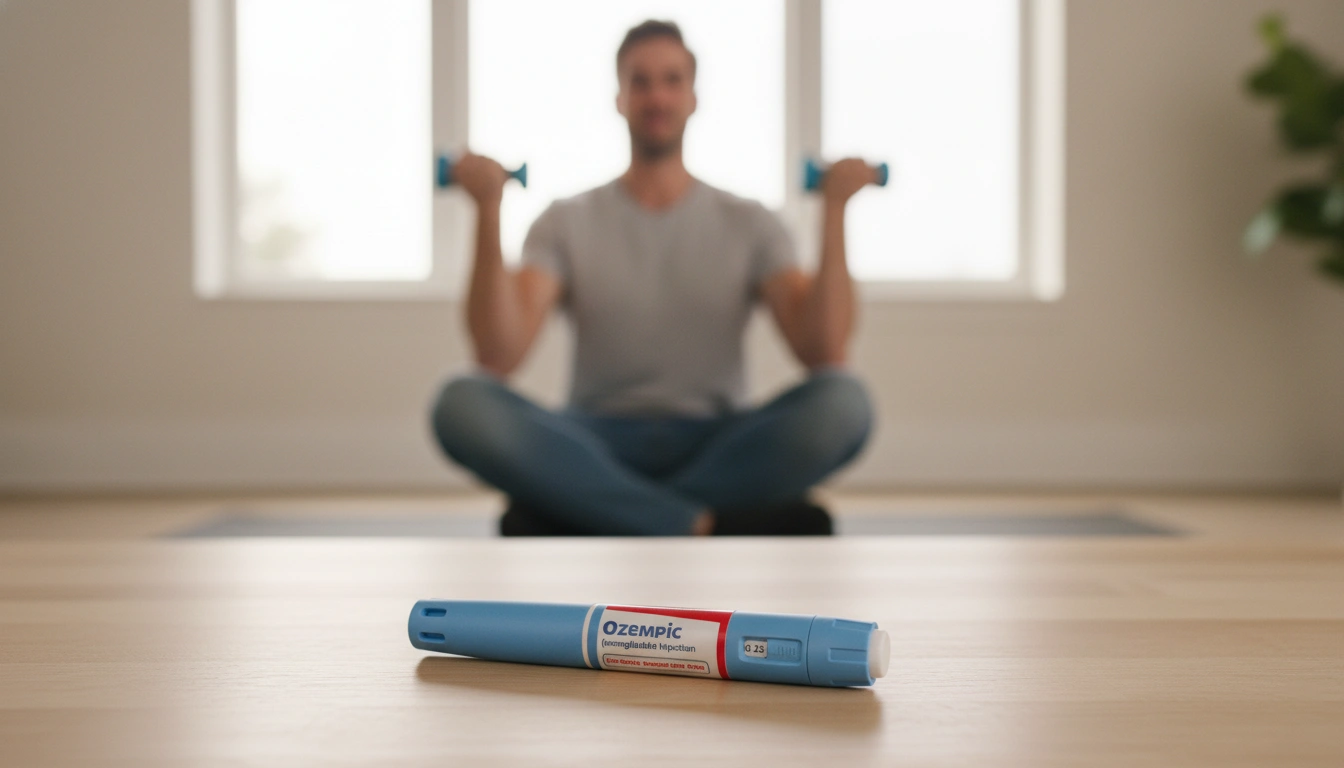
Many people with COPD also have type 2 diabetes, and Ozempic or another GLP-1 is a common part of treatment. For some, losing weight makes breathing and moving easier. For others, especially people who are already slim or losing muscle, weight loss needs careful watching. COPD changes the balance, so it helps to know what to ask and what to watch.
Why weight and muscle matter in COPD
In COPD, being underweight and losing muscle are linked with worse outcomes, so lung specialists keep a close eye on both. Your breathing muscles, your legs, and your arms all do more work when your lungs are less efficient.
Some of the weight lost on GLP-1 medications is lean tissue. A 2024 review of lean body mass changes with GLP-1 based therapies found that the proportion of total weight loss made up by lean tissue varied widely across studies. With COPD, protecting that muscle is a priority, not an afterthought.
Agree on a weight goal with both doctors
Ask your prescriber and your lung doctor what change in weight makes sense for you. If you carry extra weight that makes breathing harder, steady loss may help. If your weight is already in a healthy range or you have been losing without trying, the goal may be blood sugar control without much further loss. Make sure both doctors know about each other’s plans.
Protect your muscle
Eat protein at every meal, even when your appetite is small: eggs, yogurt, cheese, fish, chicken, beans, or a protein drink.
Ask about pulmonary rehabilitation. It combines exercise and breathing training under supervision and is designed for people with lung disease.
Keep moving every day, within what your breathing allows.
Our guide on getting the most out of your GLP-1 treatment covers why protein and resistance exercise matter.
Small, frequent meals suit both
People with COPD are often advised to eat smaller meals more often, because a full stomach can make breathing feel harder. That advice fits well with Ozempic, which makes you feel full sooner. Choose foods that pack protein and energy into small portions, and rest before meals if eating tires you.
Watch for under-eating
Watch for persistent fatigue, feeling cold, hair shedding, dizziness when you stand, losing strength, and losing weight faster than you and your provider intended. With COPD, also notice if you are more breathless with everyday tasks or tiring sooner. Weigh yourself weekly and write it down, so you and your doctors can see the trend.
During a flare-up
Flare-ups often bring less appetite, more breathlessness, and sometimes a course of steroids, which can raise blood sugar. Tell your Ozempic prescriber whenever you have a flare or start steroids, so your diabetes plan can be reviewed. If you cannot eat or keep fluids down during a flare, call your doctor.
Do not pause Ozempic on your own during a flare. That decision belongs with your prescriber. Our guide on taking a break and restarting covers why stopping and restarting is more involved than it sounds.
Never blame new breathlessness on the medication
If your breathing gets worse, do not assume it is a side effect and wait it out. Worsening shortness of breath, chest pain, or a change in your cough or sputum needs to be checked by your doctor. Call 911 for severe breathlessness or chest pain.
Low blood sugar
If you also take insulin or a sulfonylurea, eating less during a flare can raise the risk of low blood sugar. Ask your prescriber what to do with those medications on days you cannot eat, and never adjust them on your own.
Starting and stepping up
Side effects tend to be strongest in the first weeks and after each dose increase, and nausea can be harder to cope with when you are short of breath. Our guide on the Ozempic starting dose covers what the early weeks usually look like. Ask your provider to hold an increase if you are recovering from a flare.
If you have switched from tirzepatide, our guide comparing tirzepatide and semaglutide side effects covers how the two compare.
Consider this scenario: a man with COPD and type 2 diabetes starts Ozempic and enjoys losing weight for the first few months. His appetite is small, so he eats one meal a day, skips pulmonary rehab, and does not mention a steroid course for a winter flare to his prescriber. By spring he is weaker, more breathless on the stairs, and has lost more than his doctors intended. Agreeing on a weight goal with both doctors, eating protein at small frequent meals, staying in rehab, and reporting the flare and the steroids would have kept him stronger.
Keep every doctor on the same page
People with COPD and diabetes often see several clinicians: a lung doctor, a primary care doctor, sometimes an endocrinologist, plus a pharmacist. Keep one up-to-date list of everything you take, including inhalers, oxygen, rescue steroids, antibiotics, and Ozempic with its dose and injection day. Bring it to every appointment, and use one pharmacy where you can so interactions are checked in one place. If one doctor changes something, let the others know, especially your prescriber when a steroid or antibiotic course starts.
The short version
With COPD, muscle and weight affect your breathing, so agree on a weight goal with both your prescriber and your lung doctor. Eat protein at small, frequent meals, stay active through pulmonary rehab, and weigh yourself weekly. Report flare-ups and steroid courses, never pause Ozempic or adjust diabetes medications on your own, and never put new breathlessness down to the medication without checking.
If you want a provider who will balance your diabetes treatment with your lung health, TrimRx includes ongoing provider access alongside treatment.
This information is for educational purposes and is not medical advice. Consult with a healthcare provider before starting any medication. Individual results may vary.

Transforming Lives, One Step at a Time
Keep reading

Your Pet’s Insulin and Your Ozempic in the Same Fridge
Diabetes is not only a human condition. Plenty of cats and dogs need daily insulin, and their owners become experts at injections. If you…

Ozempic After a Stroke: What to Ask During Recovery
Many people who have a stroke also live with type 2 diabetes, and many of them take Ozempic or another GLP-1. In the weeks…

New Dentures on Ozempic: Eating Enough While You Adjust
Getting used to new dentures takes time. Your gums may be sore, chewing feels strange, and many foods suddenly seem like hard work. Most…


