Ozempic After a Stroke: What to Ask During Recovery
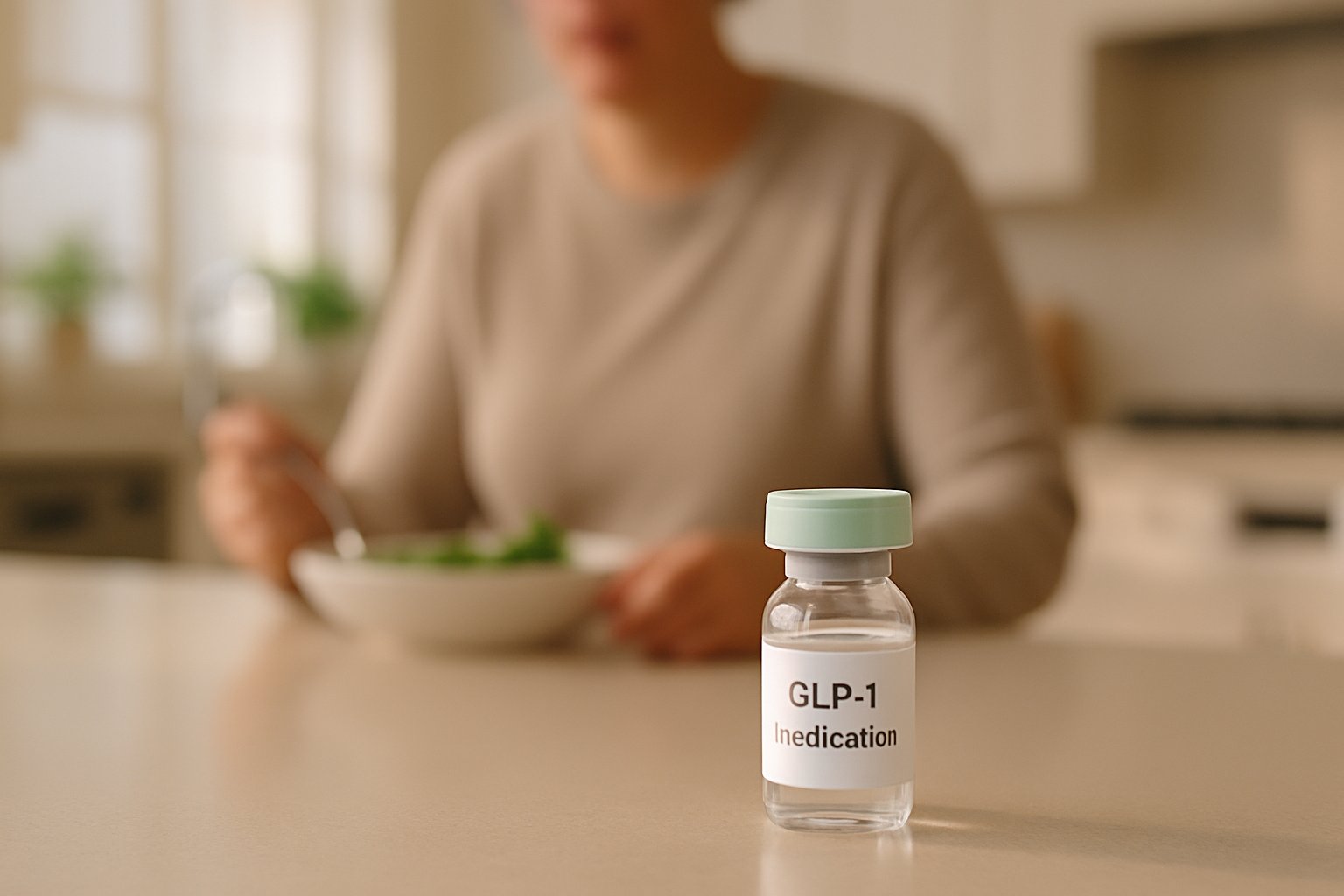
Many people who have a stroke also live with type 2 diabetes, and many of them take Ozempic or another GLP-1. In the weeks and months afterward, a lot changes at once: new medications, therapy sessions, weakness on one side, and often trouble swallowing. Whether you are recovering yourself or caring for someone who is, here is what to raise with the care team and what to watch for at home.
Call 911 for any new stroke signs
Sudden face drooping, arm or leg weakness, trouble speaking, sudden confusion, loss of balance, or a sudden severe headache need an ambulance immediately, even if they seem to pass.
Also get prompt medical help for coughing or choking during meals or drinks, repeated vomiting, signs of dehydration such as very little urine or new dizziness, or signs of low blood sugar such as shaking, sweating, or sudden confusion.
Ask the team before stopping or restarting
Whether to continue Ozempic after a stroke is a decision for the stroke team and the prescriber together, not something to change at home. Make sure everyone involved, including the hospital, rehab unit, and family doctor, knows the medication, the dose, and the usual injection day.
For context, the prescribing information for Wegovy, which contains semaglutide, the same active ingredient as Ozempic, at a higher dose, includes an indication to reduce the risk of major adverse cardiovascular events, including non-fatal stroke, in adults with established cardiovascular disease and obesity or overweight. That is one reason clinicians may want to continue treatment, but it is their call, made with the full picture.
Swallowing problems and a smaller appetite
Trouble swallowing is common after a stroke. A speech-language pathologist may recommend softer textures or thickened drinks to keep eating and drinking safe. Many people find thickened drinks less appealing and end up drinking less. Add a medication that reduces appetite, plus possible nausea, and both food and fluid intake can fall quickly.
The prescribing information for Wegovy, which contains the same active ingredient as Ozempic at a higher dose, warns about acute kidney injury due to dehydration, and notes that the majority of reported events occurred in people who had gastrointestinal side effects such as nausea, vomiting, or diarrhea.
Ask the team for a fluid plan, including how much to aim for and in what form.
Offer drinks regularly rather than waiting for thirst.
Tell the team promptly about vomiting. It is a particular concern when swallowing is impaired.
Eat something small and often
Watch for the signs of under-eating: persistent fatigue, feeling cold, hair shedding, dizziness on standing, losing strength, and losing weight faster than intended. Recovery and rehab both need fuel. Offer small meals often, with some protein each time, in whatever texture the speech-language pathologist recommends. A dietitian can help make modified-texture meals more appealing.
Our guide on what to eat after an injection has ideas for gentle foods, but always check them against the recommended texture.
Diabetes medications may need adjusting
Eating patterns often change after a stroke, and so can diabetes medication needs. The prescribing information for Wegovy also notes that patients with diabetes mellitus taking it in combination with insulin or an insulin secretagogue, such as a sulfonylurea, may have an increased risk of hypoglycemia, including severe hypoglycemia. If intake drops, tell the prescriber. Never adjust those medications on your own.
Injecting with weakness on one side
The usual injection sites are the abdomen, thigh, and upper arm. If one hand is weak, the abdomen may be the easiest site to reach with the stronger hand. A family member or home nurse can learn to give the injection if needed. Our guide on GLP-1 injection sites covers each one.
If a stroke has affected memory, someone else should keep track of injection days with a written log, so doses are not missed or doubled.
Falls and dizziness during rehab
Weakness and balance problems already raise the risk of falls after a stroke. Stand up slowly, eat before therapy sessions, and use the mobility aids the therapists recommend.
Hold dose increases during early recovery
Side effects tend to be strongest after each dose increase. Ask the prescriber whether to hold any planned increase until eating and swallowing are more settled. Our guide on the Ozempic starting dose covers why the early weeks of any new dose tend to be hardest.
Mood after a stroke
Depression is common after a stroke and can sap appetite further. If low mood lasts, tell the doctor. If you or someone you care for has thoughts of self-harm, in the US you can call or text 988 to reach the Suicide and Crisis Lifeline.
Consider this scenario: after a stroke, a woman goes home on thickened drinks and continues her weekly Ozempic. Her appetite is low and she dislikes the drinks, so she sips very little. A planned dose increase goes ahead that week, she vomits twice, and her daughter assumes it will pass. Two days later she is dizzy and confused and is readmitted with dehydration. A fluid plan from the speech-language pathologist, regular offered drinks, holding the dose increase, and calling the team after the first vomiting episode would very likely have prevented it.
The short version
After a stroke, let the stroke team and prescriber decide about Ozempic, and make sure everyone knows the dose and injection day. Ask for a fluid plan if swallowing is affected, offer small meals and drinks often, and report vomiting promptly. Review diabetes medications as eating changes, inject with help if needed, hold dose increases during early recovery, and watch mood.
If you want a provider who will coordinate treatment with your recovery, TrimRx includes ongoing provider access alongside treatment.
This information is for educational purposes and is not medical advice. Consult with a healthcare provider before starting any medication. Individual results may vary.

Transforming Lives, One Step at a Time
Keep reading

Your Pet’s Insulin and Your Ozempic in the Same Fridge
Diabetes is not only a human condition. Plenty of cats and dogs need daily insulin, and their owners become experts at injections. If you…

Taking Ozempic With COPD
Many people with COPD also have type 2 diabetes, and Ozempic or another GLP-1 is a common part of treatment. For some, losing weight…

New Dentures on Ozempic: Eating Enough While You Adjust
Getting used to new dentures takes time. Your gums may be sore, chewing feels strange, and many foods suddenly seem like hard work. Most…


